
 Chandra Hamzah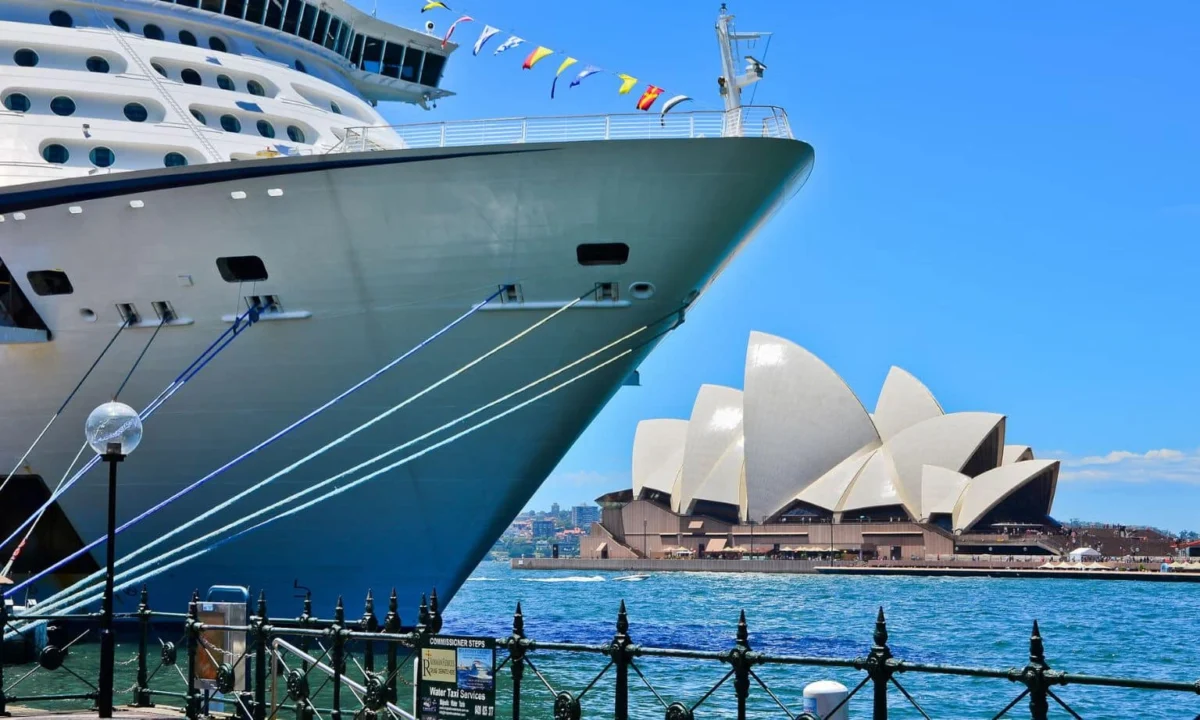
Sydney’s reputation as one of the world’s most expensive cruise ports is facing a strategic overhaul as New South Wales ports introduce off-season pricing incentives aimed at transforming winter months into a vibrant cruise season. This initiative, set to commence on July 1, 2027, seeks to attract more cruise ships during traditionally quieter periods, thereby fostering a year-round cruise market and potentially injecting an additional $1 billion into the Australian economy. The move comes at a critical juncture for Australia’s cruise industry, which has experienced a significant decline in ship deployments in recent years.
The High Cost of Sydney’s Shores
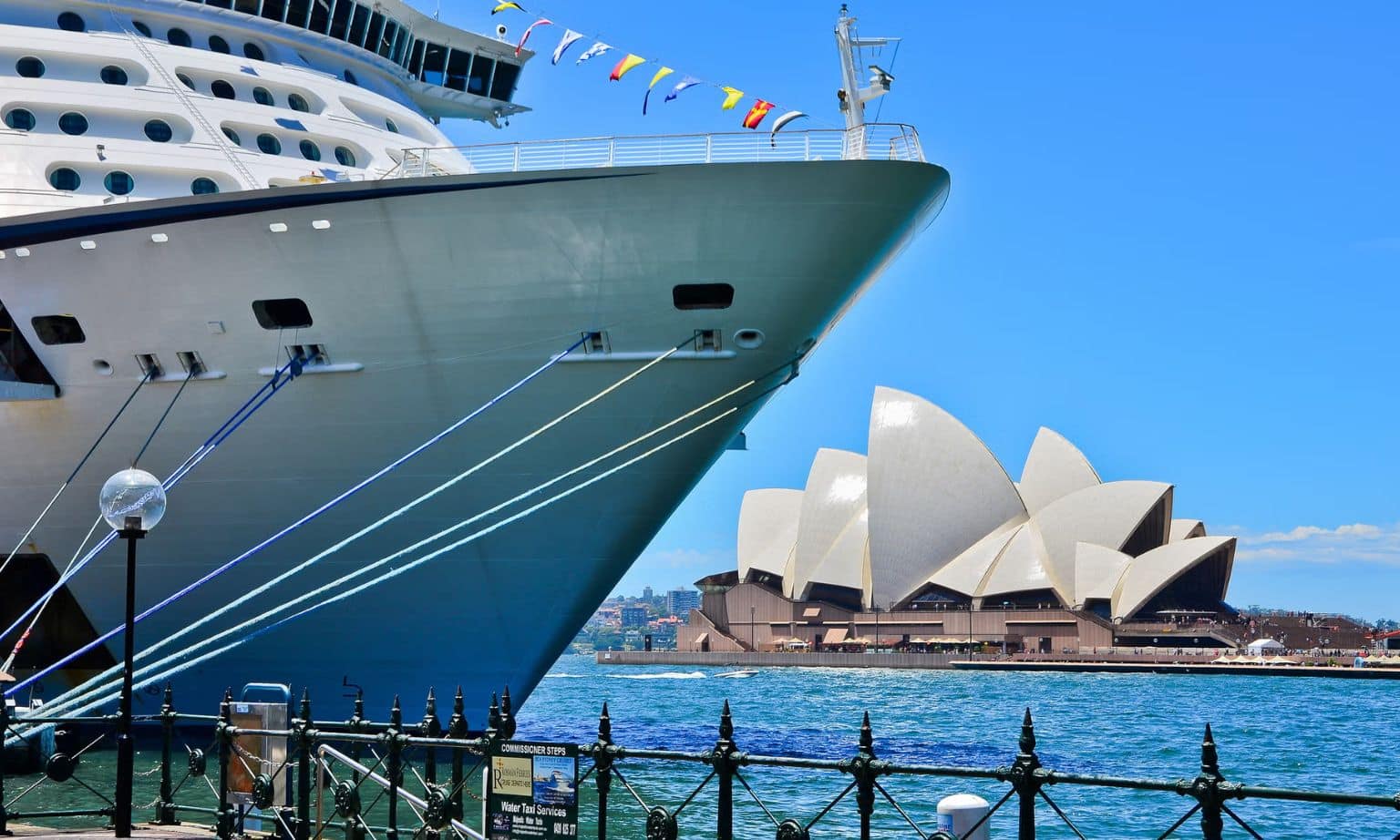
For years, the cruise industry has voiced concerns over Sydney’s substantial port charges, which encompass a complex web of passenger fees, pilotage costs, berth fees, and government levies. These combined expenses have consistently positioned Sydney among the globe’s priciest destinations for cruise operations. For instance, a single visit for a vessel as large as Royal Caribbean’s Anthem to the Overseas Passenger Terminal can incur costs upwards of $184,000. A significant contributor to this high cost is the passenger-based terminal charge, which industry insiders report to be around A$45 per passenger, in addition to other navigation and port-related fees.
These escalating costs have been directly cited by numerous cruise lines as a primary reason for the contraction of the Australian fleet that calls Sydney home. Over the past four years, several major cruise lines have reduced their local presence or withdrawn entirely from the Australian market, including Virgin Voyages, Cunard, and Disney Cruise Line. P&O Australia ceased operations, and major players like Royal Caribbean, Carnival Cruise Line, and Princess Cruises have scaled back their deployments. This decline in capacity has led to a more constrained market for Australian consumers, with travelers increasingly struggling to secure their preferred cabins and sailings.
A Strategic Shift: Incentivizing Winter Cruising
Recognizing the economic imperative to revitalize the industry, New South Wales ports are implementing a proactive strategy. The introduction of off-season pricing incentives is designed to make Sydney a more attractive proposition for cruise operators during the winter months, typically from June to August. While the precise details of the discounts are yet to be fully disclosed, the commitment to altering the pricing structure marks a significant departure from previous policies and signals a strong desire to cultivate a more consistent and sustainable cruise calendar.
A spokesperson for the Port Authority articulated the strategic vision behind the initiative, stating to Cruise Passenger that the program aims to "encourage cruise lines to schedule ship calls during the off-peak season in Sydney, helping to smooth demand and maximise economic benefit." The spokesperson further emphasized NSW’s commitment to "investing strongly to support sustainable year-round growth of cruise as part of the visitor economy." This investment reflects a broader understanding of the cruise industry’s contribution to tourism, encompassing not only passenger spending but also the economic ripple effects on local businesses, employment, and ancillary services.
The Promise of Year-Round Cruising: Economic Projections
Industry leaders view the extension of cruising through the winter months as the most significant opportunity to reverse the recent trend of declining capacity. While some cruise lines, such as Carnival Cruise Line, already offer year-round sailings in Australia, the bulk of popular cruise regions, including Queensland and the South Pacific, remain warm and inviting during winter. Crucially, the Australian winter season falls outside the cyclone period, significantly reducing the risk of weather-related disruptions and enhancing the reliability of itineraries. This improved predictability is a key factor for cruise lines when planning their global deployments.
The potential economic windfall is substantial. Projections suggest that attracting just three new ships to operate year-round in Australian waters could significantly boost cruise growth and inject billions into the national economy. For example, if a large vessel like Royal Caribbean’s Quantum of the Seas, with a capacity of 4,905 passengers, were to add an additional 26 sailings over a typical six-month season, this could accommodate an extra 127,530 cruise passengers annually. Similarly, if Celebrity Cruises, also part of the Royal Caribbean group, were to extend its sailings with a ship like Celebrity Edge (capacity 2,918 passengers) for an additional six months, this could add another 75,868 passengers per year. Princess Cruises, by extending its operations for just three months with a ship such as Grand Princess, could contribute an additional 33,826 passengers.
Cumulatively, these hypothetical additions could provide capacity for an additional 237,000 cruisers each year, representing a considerable boost to the industry. This is particularly impactful given that in 2025, approximately 1.37 million people cruised in Australia, generating an estimated $7.32 billion in total economic output. By increasing passenger numbers to 1.61 million through year-round cruising, representing a 17.5% increase, and assuming a consistent economic output per passenger, the total economic contribution could rise to $8.6 billion, an increase of $1.3 billion. This demonstrates the significant financial incentive for the Australian economy to embrace a more robust, year-round cruise sector.
Industry Perspectives and Future Outlook
Travel agents and industry associations are expressing optimism about the potential of these incentives. Gladis Mahfoud, a CLIA-certified travel agent at Investing In Memories, has observed industry discussions regarding winter cruising and views it as a crucial next step for growth in Australia. She highlights that the current capacity constraints in the Australian market are a significant challenge, and expanding cruise offerings during the winter months could alleviate this pressure.
"Another challenge we’re seeing, particularly in the cruise sector, is capacity within the Australian market," Mahfoud stated. "During a recent industry discussion, including insights shared by the CLIA, Cruise Lines International Association, there was recognition that Australia would benefit from more cruise lines committing ships to our waters during the winter season." She further noted that while Carnival Cruise Line is a popular and affordable option, travelers are increasingly seeking a more diverse range of cruise experiences, including premium, luxury, expedition, and destination-focused voyages. Increased local availability would cater to this demand, reducing the need for Australians to travel overseas to access such options.
The Cruise Lines International Association (CLIA) has been a vocal advocate for policies that support the growth of the cruise industry in Australia. CLIA’s Australasian Managing Director, Joel Katz, has previously commented on the importance of addressing port costs and developing infrastructure to support larger and more diverse cruise operations. While not directly quoted in the provided text regarding the NSW incentives, CLIA’s consistent lobbying for a more competitive and attractive cruising environment in Australia aligns perfectly with the goals of this new initiative. Their data consistently shows the significant economic contributions of the cruise industry, underscoring the value of strategies aimed at expanding capacity and extending the season.
The success of this initiative hinges on a collaborative effort. A coordinated push from the New South Wales government, coupled with genuine industry commitment and investment from cruise lines, will be essential. The introduction of these pricing incentives by NSW ports is a positive step, but a wider governmental strategy that addresses port infrastructure, marketing efforts, and potentially further fiscal incentives could amplify the positive outcomes. The historical context of declining capacity, exacerbated by factors such as the withdrawal of brands like P&O Australia and reduced deployments by major lines, underscores the urgency of such strategic interventions.
A Look Back and a Vision Forward
The history of cruise operations in Australia has seen periods of significant growth followed by contractions. The early 2000s saw a boom in cruise tourism, with increasing numbers of ships homeporting in Australia. However, global economic shifts, the rise of new and emerging cruise markets, and the aforementioned high operating costs in key ports like Sydney have contributed to the recent downturn. The decision by cruise lines to redeploy ships to other regions, often driven by profitability and market demand, has created a capacity gap that the new incentives aim to fill.
The current initiative represents a potential turning point. By acknowledging and addressing the cost barriers that have deterred cruise lines, New South Wales is signalling its intent to be a competitive and welcoming destination. The timing is also opportune, as global travel patterns continue to evolve post-pandemic, with a renewed focus on domestic and regional tourism. Leveraging the Australian winter, a period of relative stability and appealing weather for certain cruise experiences, is a logical strategy.
The broader implications extend beyond the cruise industry itself. An increase in cruise passenger numbers translates directly into greater demand for hotels, restaurants, transportation, and local attractions. This generates employment opportunities and stimulates economic activity in port cities and surrounding regions. For a country heavily reliant on tourism, fostering a robust and year-round cruise sector is a strategic economic imperative.
The road ahead for year-round cruising in Australia will require sustained commitment and adaptation. As the new pricing structures come into effect in 2027, the industry will be closely watching the response from cruise lines and the subsequent impact on passenger numbers and economic returns. The aspiration is clear: to transform Sydney and the broader Australian coastline into a vibrant, year-round cruise destination, offering greater choice to consumers and significant economic benefits to the nation. The success of this bold move could well define the future trajectory of Australia’s cruise industry for years to come.



 Anjar Salim
 Tatiana Tantri Indah Sari
 Budi Mulyono
 Lukman Taruna Persada Ramadan
