
 Lukman Taruna Persada Ramadan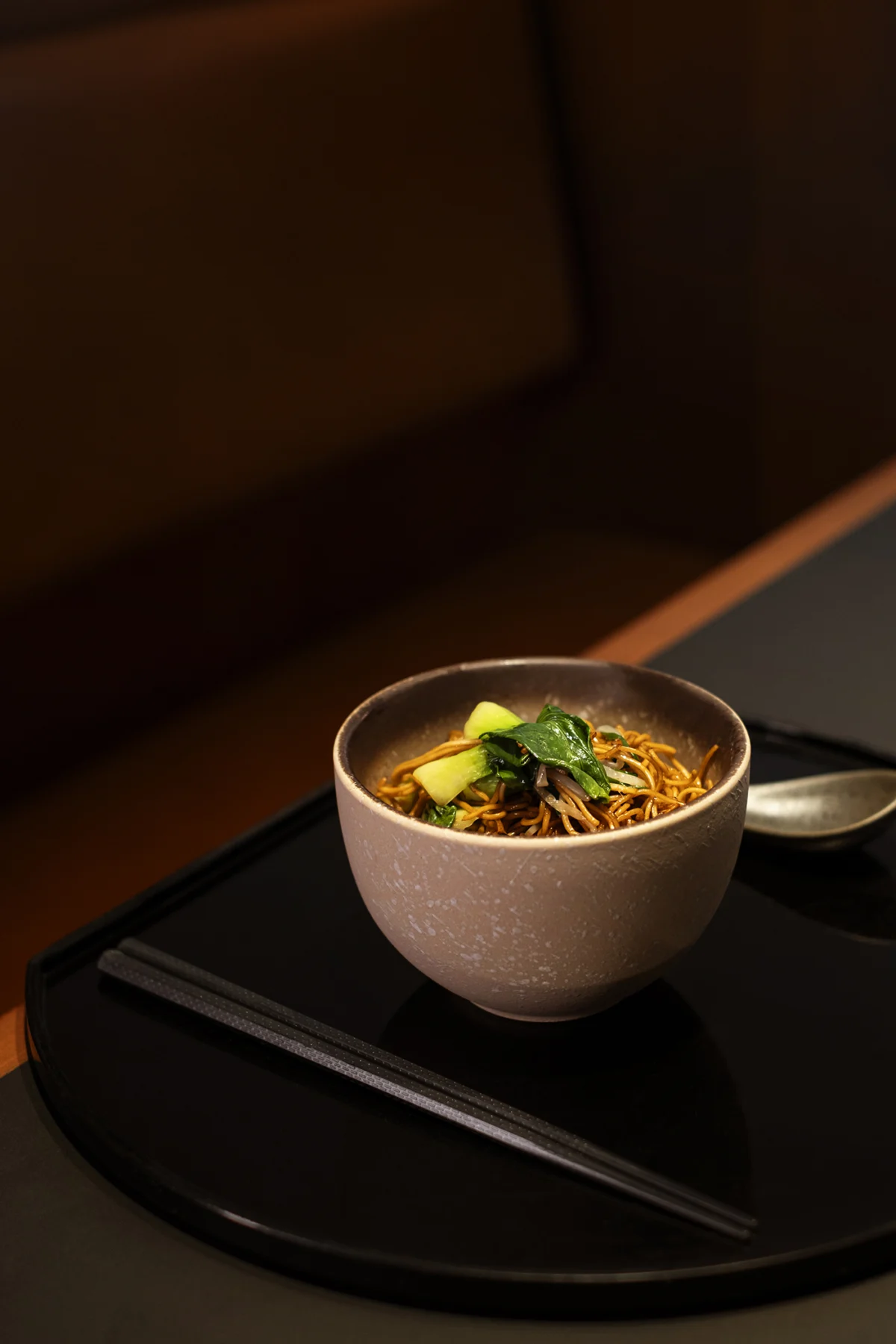
The landscape of airline lounges has undergone a significant transformation, moving beyond the conventional offering of self-serve buffets and crowded bars to embrace a sophisticated realm of restaurant-style service. This evolution marks a newfound luxury for discerning travelers, eradicating the need to queue for uninspired grab-and-go options or vie for a seat at an often-overwhelmed airport establishment. The advent of dedicated scratch kitchens and meticulously crafted chef-driven menus has fundamentally reshaped the entire flying experience, inviting passengers to arrive well in advance to savor these elevated culinary offerings. This paradigm shift ensures that pre-flight dining is not merely a convenience but a made-to-order, gourmet experience, promising better-tasting, healthier, and more satisfying meals that extend their gratifying effect long after take-off. This article explores the growing trend and highlights four premier lounges that exemplify this commitment to exceptional restaurant service.
The Evolution of Airport Hospitality: From Waiting Rooms to Gastronomic Havens
Historically, airline lounges served primarily as utilitarian waiting areas, offering a quiet escape from the main terminal hustle, often with basic amenities such as complimentary drinks and rudimentary snacks. Their primary appeal lay in their exclusivity and a modest level of comfort. However, the dawn of the 21st century brought with it a dramatic shift in passenger expectations and airline competition. As air travel became more accessible and premium cabin offerings diversified, so too did the demand for enhanced ground experiences. Airlines began to recognize that the lounge was not just a prelude to the flight but an integral part of the premium journey, a crucial touchpoint for brand loyalty and customer satisfaction.
The initial upgrades focused on aesthetics, comfort, and expanded beverage selections. Yet, the dining aspect often lagged, typically featuring self-serve buffets that, while convenient, rarely aspired to culinary excellence. The food, often prepared off-site or in bulk, tended to be generic, lukewarm, and quickly depleted during peak hours. This created a disconnect between the luxurious cabin experience and the often-mediocre pre-flight meal.
Over the past decade, a concerted effort has been made to bridge this gap. Spurred by fierce competition, the rise of global culinary trends, and the increasing sophistication of the modern traveler, airlines began investing heavily in their lounge dining programs. This involved recruiting experienced chefs, designing bespoke kitchen facilities, and transitioning from mass-produced buffets to made-to-order, à la carte menus. The objective was clear: to replicate the quality and experience of a high-end restaurant within the airport environment, offering travelers not just sustenance, but a memorable dining event.
Driving Forces and Market Dynamics
Several factors have propelled this culinary revolution within airline lounges. Firstly, the growth in premium air travel globally has created a larger demographic of travelers willing to pay for superior experiences. Business class and first class bookings, along with memberships to elite frequent flyer programs, have seen consistent growth, pushing airlines to differentiate their offerings. Data from industry reports consistently indicates that premium cabin travelers are significantly more profitable for airlines, making investments in their satisfaction a strategic imperative.
Secondly, increased competition among major carriers, particularly on long-haul international routes, has intensified the focus on ground services. Lounges, along with inflight amenities, are critical battlegrounds for winning and retaining high-value customers. Airlines like Emirates, Qatar Airways, Singapore Airlines, and Cathay Pacific, long known for their exceptional inflight dining, have extended this ethos to their lounges, setting a benchmark for others.
Thirdly, the influence of loyalty programs and co-branded credit cards has significantly increased lounge traffic. While this has sometimes led to overcrowding in general access lounges, it has simultaneously driven airlines to create more exclusive tiers (like First Class lounges or dedicated "suite" lounges) where high-end dining can be offered without compromise. These ultra-premium spaces justify the investment by catering to the airline’s most valuable patrons.
Finally, the broader culinary renaissance seen globally, with a greater emphasis on fresh, locally sourced ingredients, healthy options, and experiential dining, has naturally permeated the travel industry. Travelers are no longer content with merely "fueling up"; they seek gastronomic experiences that reflect quality, authenticity, and attention to detail, even when on the go. Market research often reveals that food quality is a top factor influencing overall passenger satisfaction in airport environments.
Exemplary Culinary Destinations: A Closer Look
The commitment to restaurant-quality dining is best illustrated by specific examples that have redefined the lounge experience. These lounges stand out not just for their menus, but for their ambiance, service, and dedication to a holistic fine-dining approach.
Delta One Lounge Boston (BOS): Redefining Domestic Premium
Tucked discreetly off the bustling Delta Sky Club in Boston Logan International Airport’s Terminal E, the Delta One Lounge in Boston stands as a beacon of bespoke luxury, uniquely distinguishing itself from other Delta One locations. Its defining feature is an entire room meticulously dedicated to the restaurant experience, a strategic design choice that underscores Delta’s commitment to premium pre-flight dining. The ambiance is immediately striking: elegantly lit, it maintains an exclusive and intimate atmosphere, largely due to a stringent reservation system that ensures it is never overcrowded.
Upon entering, guests are greeted by an environment that evokes a sophisticated urban eatery rather than an airport lounge. Sliding into a plush chair at a candlelit table or settling onto a leather-backed barstool, the sensation is unequivocally that of a fine-dining establishment. For those with a keen interest in the culinary arts, seating near the open kitchen offers a fascinating glimpse into the made-from-scratch process, allowing "foodie-focused flyers" to observe the meticulous preparation of their meals. The menu is a testament to quality and regional flavor, featuring popular dishes such as the rich and tender Snake River skirt steak, a warm Maine lobster roll celebrating local seafood, and a rotating grill item prepared à la plancha, ensuring variety and culinary intrigue. This meticulous attention to detail, from the decor to the menu, positions the Delta One Lounge Boston not just as a lounge, but as a destination in itself, encouraging passengers to arrive with ample time to indulge in a truly elevated gastronomic experience before their journey. The strict reservation system, while potentially challenging for spontaneous travelers, is crucial in maintaining the exclusivity and high service standards, preventing the lounge from becoming a victim of its own success and ensuring that every guest receives prompt and personalized attention, a stark contrast to the often-chaotic environment of more general airport dining options. This commitment to an intimate, controlled, and high-quality dining experience sets a new benchmark for domestic premium lounges, particularly within the competitive U.S. market, signaling Delta’s ambition to lead in customer satisfaction for its most valued travelers.
Turkish Airlines International Lounge (IST): A Taste of Anatolia and Beyond
At iGA Istanbul Airport, the flagship Turkish Airlines International Lounge offers an expansive and vibrant culinary journey, allowing travelers to immerse themselves in a rich tapestry of flavors before their flight. Known for its exceptional inflight catering, Turkish Airlines extends this reputation seamlessly into its ground services, particularly through its impressive à la carte menu. This menu provides travelers with abundant opportunities for one last authentic taste of local Turkish cuisine, ranging from a diverse selection of traditional mezze platters, perfect for sharing and sampling, to the comforting and flavorful manti, spiced meat dumplings that are a staple of Anatolian cooking. Beyond local delights, the menu also features an array of international dishes, carefully curated to satiate any comfort food cravings, ensuring that every palate finds something appealing before the journey begins.
A highlight of the lounge’s culinary offering is the presence of live cooking stations, which elevate the dining experience into a captivating "dinner and a show." Here, skilled chefs freshly prepare dishes such as gözleme, a traditional Turkish stuffed flatbread, right before the guests’ eyes. This interactive element not only guarantees the freshest possible meal but also provides an engaging cultural experience, allowing travelers to witness the artistry of Turkish culinary traditions. The aroma of freshly baked bread and sizzling ingredients fills the air, adding to the sensory richness of the lounge. The lounge’s design, with its spacious layout and elegant touches, complements the culinary experience, creating an atmosphere that is both luxurious and welcoming. This focus on both authentic local flavors and high-quality international cuisine, coupled with the theatricality of live cooking, positions the Turkish Airlines International Lounge as a major draw for transit passengers and those departing from Istanbul. It serves as a powerful testament to Turkish Airlines’ commitment to showcasing its national heritage through gastronomy while catering to a diverse global clientele, reinforcing Istanbul’s status as a pivotal international hub where culinary excellence is part of the travel experience.
Cathay Pacific Hong Kong (HKG): Precision and Pedigree in Asian Flavors

Cathay Pacific has long been revered for its unparalleled attention to cuisine, a reputation that extends seamlessly from its in-flight service to its ground facilities at Hong Kong International Airport. Passengers, regardless of their class of travel, anticipate a superior dining experience, and Cathay Pacific consistently delivers. The airline’s lounges in Hong Kong, particularly The Pier and The Wing, are showcases of this culinary excellence, catering to different tiers of premium travelers with distinct yet equally impressive offerings.
In The Pier First Class lounge, guests are treated to a truly elevated dining experience within The Dining Room. Here, first-class passengers can indulge in a seasonally updated à la carte menu, crafted with meticulous attention to detail and featuring premium ingredients. The atmosphere is one of refined elegance, with attentive table service that rivals top-tier restaurants. The menu reflects both international haute cuisine and sophisticated Asian flavors, ensuring a gourmet experience that is both familiar and exotic.
Business-class travelers, while accessing The Wing, are not left wanting for quality. The Coffee Loft offers a specialized experience, where skilled baristas meticulously brew and froth cappuccinos and other artisanal coffee creations right in front of the customer. This bespoke coffee service transforms a simple beverage into a crafted experience, setting a high standard for lounge amenities.
However, a truly beloved and iconic feature across Cathay Pacific’s upper-class lounges, found in both The Pier and The Wing, is The Noodle Bar. This specialized station has garnered legendary status among frequent flyers for its dedication to made-to-order Asian noodle dishes. Guests can savor perfectly prepared dan dan noodles, with their rich, spicy, and nutty broth, or the complex and aromatic Singapore laksa, a fragrant coconut curry noodle soup. The Noodle Bar’s success lies in its commitment to authenticity, freshness, and speed, ensuring that each bowl is a masterpiece of flavor and texture, prepared precisely to the diner’s preference. This emphasis on specific, high-quality, and authentic Asian dishes underscores Cathay Pacific’s heritage and its understanding of its primary market, while also appealing to international travelers seeking genuine local flavors. Cathay Pacific’s multi-tiered approach ensures that all premium passengers receive a distinct and high-quality dining experience, solidifying its position as a leader in airport hospitality and culinary innovation.
British Airways Concorde Dining (LHR T5): Exclusivity and British Heritage
Within the prestigious Concorde Room at London Heathrow’s Terminal 5, British Airways offers an exclusive dining experience known as Concorde Dining. This area is reserved for the airline’s most elite passengers—First Class travelers and Concorde Room cardholders—and represents the pinnacle of BA’s lounge offerings. The space is designed for utmost privacy and refinement, featuring private booths that allow guests to dine in an intimate setting, away from the general lounge buzz. The experience is characterized by a formal à la carte menu, which undergoes thoughtful seasonal changes throughout the year, ensuring variety and responsiveness to fresh produce.
The culinary philosophy of Concorde Dining is deeply rooted in showcasing exceptional British cuisine, albeit with a sophisticated, contemporary twist. A carefully curated selection of British dishes consistently tantalizes the palate, reflecting the rich culinary heritage of the United Kingdom. Guests might find elegantly prepared duck confit, offering a rich and tender experience, or traditional meat pies, elevated to gourmet status with premium fillings and expert pastry work. For those with early departures, the menu thoughtfully includes a full English fry-up, providing a hearty and quintessential start to the day. This classic breakfast option is prepared with high-quality ingredients, offering a comforting taste of home before a long international flight. The impeccable table service and the serene atmosphere further enhance the fine-dining experience, creating a sense of occasion and exclusivity. Concorde Dining is more than just a place to eat; it is an extension of the First Class journey, designed to provide a seamless transition from the ground to the air, characterized by luxury, privacy, and culinary excellence. It underscores British Airways’ dedication to its most valued customers, offering a discreet and highly personalized dining service that embodies British sophistication and attention to detail.
Statements and Industry Reactions
The trend towards elevated lounge dining has been met with enthusiastic approval from travelers and significant investment from airlines. Industry analysts frequently cite improved lounge experiences as a key differentiator in the premium travel market. "The modern traveler expects continuity of luxury," states Sarah Chen, a travel industry consultant. "After paying for a premium cabin, the expectation is that the ground experience, especially dining, will match or exceed that standard. Airlines that invest here are seeing tangible returns in customer loyalty and brand perception."
Airline spokespersons often echo these sentiments, highlighting the strategic importance of lounge dining. A representative from Delta Air Lines recently commented, "Our Delta One Lounges are designed to be sanctuaries of personalized service and culinary excellence. We understand that time in the lounge is precious, and we want to make it an experience to savor, not just a waiting period. The feedback from our premium customers has been overwhelmingly positive, confirming that this investment is truly enhancing their overall journey." Similarly, executives from Cathay Pacific have often emphasized that their Noodle Bar, for instance, is not just a food offering but a cultural touchstone, deeply valued by their diverse clientele.
Traveler feedback, gathered through surveys and online reviews, consistently ranks high-quality food and beverage options as among the most appreciated lounge amenities. Passengers frequently mention the health benefits of made-to-order meals over buffets, the pleasure of fresh, hot food, and the opportunity to relax and enjoy a proper meal before boarding.
Broader Impact and Future Implications
The rise of restaurant-quality dining in airline lounges has far-reaching implications across the travel industry.
Competitive Landscape: This trend has created an upward pressure on all airlines, compelling even those with more modest lounge offerings to re-evaluate and upgrade their food and beverage services. The "lounge wars" are now as much about culinary prowess as they are about square footage and amenities.
Enhanced Customer Experience: Beyond just eating, these elevated dining experiences contribute significantly to reducing travel stress. The ability to enjoy a calm, high-quality meal in a serene environment helps passengers feel more relaxed and prepared for their journey, fundamentally transforming the airport experience from a necessary evil into a pleasurable part of the trip. Airports themselves are increasingly becoming destinations, with their culinary offerings playing a central role.
Health and Wellness: The shift from mass-produced buffet items to made-to-order dishes allows for greater control over ingredients, preparation methods, and portion sizes. This often translates to healthier options, catering to the growing demand for wellness-focused travel. Passengers can request dietary modifications, fresh ingredients, and balanced meals, contributing to a better sense of well-being during travel.
Future Trends: Looking ahead, we can anticipate further innovations. This might include bespoke dietary options tailored through pre-ordering systems, integration of advanced technology for seamless ordering and personalization, and even more partnerships with local celebrity chefs or renowned restaurant groups to bring unique culinary concepts into the lounge environment. Sustainability will also likely play a larger role, with an increased focus on local sourcing to reduce carbon footprint and minimize food waste, an inherent advantage of made-to-order dining over buffets.
Economic Impact: The investment in scratch kitchens and professional culinary teams stimulates local economies by creating jobs for chefs, kitchen staff, and service personnel. It also drives demand for high-quality food suppliers, potentially fostering relationships with local farms and producers.
In conclusion, the transformation of airline lounges into sophisticated culinary destinations marks a pivotal moment in premium air travel. The days of generic airport food are rapidly fading, replaced by an era where pre-flight dining is an anticipated highlight, a testament to the airlines’ commitment to luxury, comfort, and an unparalleled customer experience. As more airlines embrace this model, the lounge will continue to evolve, solidifying its status not merely as a waiting room, but as a gastronomic haven at the gateway to the world.



 Chandra Hamzah
 Gabriela Annisa
 Tatiana Tantri Indah Sari
 Hendra Ismail
 Walid Sujud Trenggono
 Budi Mulyono