
 Tatiana Tantri Indah Sari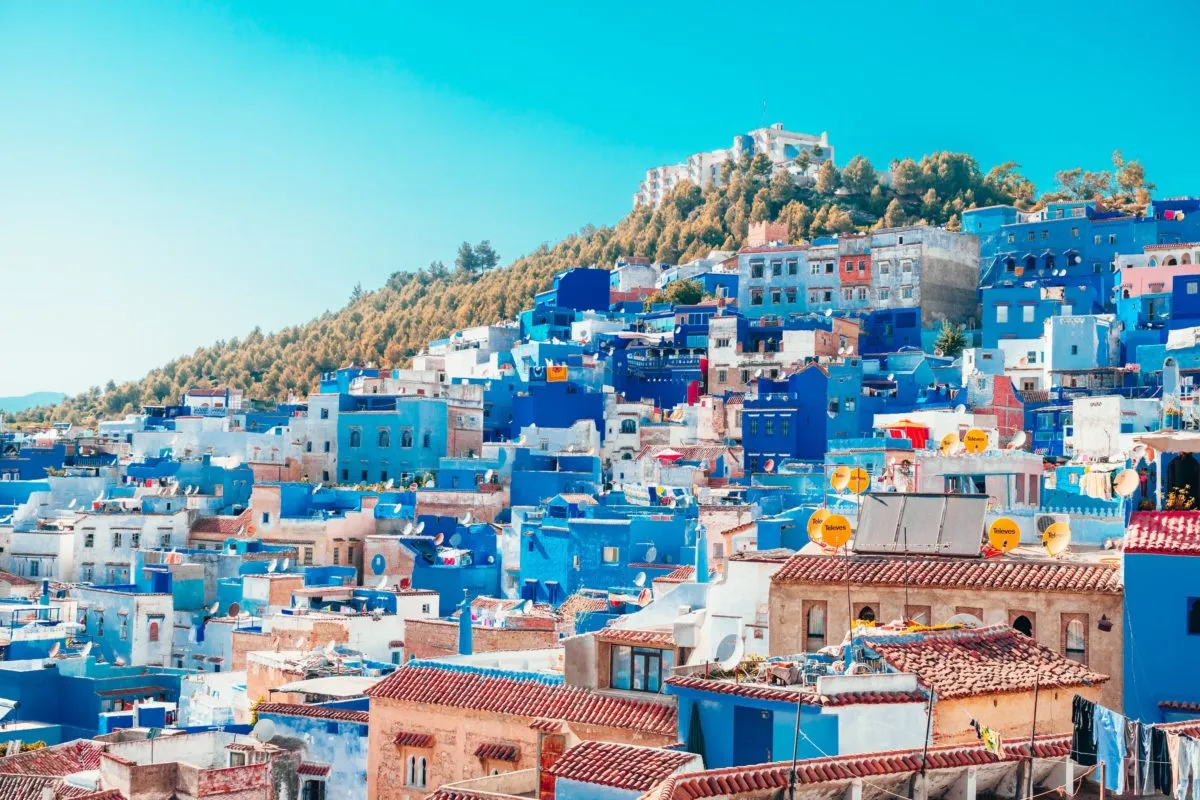
Morocco is embarking on a transformative journey to fundamentally reshape its tourism landscape, actively working to diminish its reliance on historically dominant tourism markets and geographic concentrations. This strategic pivot involves a significant redirection of investment towards underdeveloped regions, forming the cornerstone of a comprehensive national strategy meticulously designed to yield enduring benefits far beyond the immediate horizon of the 2030 World Cup, as articulated by Imad Barrakad, CEO of the Moroccan Agency for Tourism Development (SMIT). The current paradigm sees the Casablanca-Settat and Marrakech-Safi regions absorbing an overwhelming 60% of the nation’s tourism investment, a figure projected to approach nearly $800 million in 2025. This disproportionate allocation is precisely what Barrakad aims to rectify, emphasizing a more equitable and resilient distribution. "We don’t want to put pressure on one territory alone," he conveyed to Skift, underscoring the imperative for a balanced, nationwide approach to tourism development.
The Imperative for Diversification: Addressing Market Concentration
The current concentration of tourism investment and activity in two primary regions, Casablanca-Settat and Marrakech-Safi, while historically successful in attracting international visitors and generating revenue, presents inherent vulnerabilities. This over-reliance risks creating a lopsided economic model, susceptible to external shocks, environmental degradation in heavily visited areas, and socio-economic disparities across the country. Marrakech, with its iconic Jemaa el-Fnaa square, ancient palaces, and desert excursions, and Casablanca, as a major business hub and gateway city, have long been the primary magnets for international travelers. While their allure remains undeniable, the national strategy recognizes that sustainable growth necessitates broadening this appeal. The $800 million earmarked for tourism investment in 2025, heavily skewed towards these two regions, highlights the scale of the challenge and the urgency of the redirection effort. This strategic rebalancing seeks to unlock the latent potential of Morocco’s diverse provinces, ensuring that the economic benefits of tourism are more widely distributed, fostering local entrepreneurship, and preserving the unique cultural and natural heritage of each region. The goal is not to diminish the importance of established hubs but to cultivate new ones, creating a robust, multi-faceted tourism ecosystem.
A New Blueprint: The National Tourism Strategy and Vision 2026
The newly articulated national strategy represents a significant evolution from previous tourism development plans, often referred to as "Vision 2010" and "Vision 2020." While these earlier visions achieved notable successes in increasing tourist arrivals and modernizing infrastructure, they arguably fell short in comprehensively addressing regional imbalances. The current strategy, often contextualized within the broader framework of Morocco’s "Vision 2026" for tourism, aims for a more profound and systemic transformation. It targets a significant increase in tourist arrivals, aiming for approximately 26 million visitors by 2030, and a substantial boost in tourism receipts, projected to reach $12 billion annually. Crucially, it seeks to generate over 200,000 new direct and indirect jobs, with a particular focus on empowering youth and women in rural areas.
The core of this new blueprint involves identifying and investing in "new generation tourism products" tailored to specific underdeveloped regions. For instance, the Dakhla-Oued Ed-Dahab region in the south is being positioned as a premier destination for eco-tourism, water sports, and desert adventures, leveraging its pristine coastline and unique Sahara desert landscapes. The northern coastal regions, such as Al Hoceima and Saidia, are being developed for beach tourism and marine activities, with new resorts and marinas. The Fès-Meknès region, rich in imperial history and artisanal traditions, is set to receive enhanced investment for cultural tourism, heritage preservation, and artisanal crafts promotion. Similarly, the Atlas mountain ranges are being developed for adventure tourism, trekking, and rural guesthouses, offering authentic experiences away from urban centers. This diversification extends to the types of tourism promoted, moving beyond traditional leisure to embrace MICE (Meetings, Incentives, Conferences, Exhibitions), wellness tourism, medical tourism, and educational tourism, thereby attracting a wider demographic of visitors with varied interests and higher spending potential.
Historical Context and the Evolution of Moroccan Tourism
Morocco’s journey in tourism development has been marked by several strategic phases. Post-independence, the initial focus was on establishing basic infrastructure and attracting European sun-seekers. The "Vision 2010" plan, launched in the early 2000s, was ambitious, aiming to double tourist arrivals to 10 million and boost revenue. It emphasized coastal resorts and cultural cities, largely concentrating development in established areas like Agadir, Marrakech, and Casablanca. While it saw significant growth, the regional disparity persisted. The subsequent "Vision 2020" sought to build on these achievements, with a greater emphasis on sustainability and product diversification, but its full implementation was impacted by global economic downturns and regional geopolitical shifts.
The current strategy, therefore, is not a sudden departure but an accelerated evolution, learning from past experiences and adapting to contemporary global tourism trends and challenges. The COVID-19 pandemic served as a stark reminder of the vulnerabilities inherent in an over-concentrated tourism sector, prompting a renewed commitment to resilience through diversification. The period immediately following the pandemic saw Morocco implement robust recovery measures, demonstrating its agility and commitment to the sector, which historically contributes over 7% to the national GDP and is a significant foreign exchange earner.
The 2030 World Cup: A Catalyst, Not the Culmination
The historic joint bid with Spain and Portugal to host the FIFA World Cup in 2030 is undoubtedly a monumental opportunity for Morocco, serving as a powerful catalyst for accelerated infrastructure development and global visibility. This event necessitates massive investments in transportation networks, including upgrades to international airports (Marrakech, Casablanca, Tangier, Fès), expansion of high-speed rail lines (like the Al-Boraq TGV network), and construction of new stadia and hospitality facilities. However, Barrakad and the Moroccan government are unequivocal that the national tourism strategy is not merely a short-term response to the World Cup. Instead, the global sporting event is viewed as an unparalleled springboard to showcase the country’s expanded tourism offerings, test new infrastructure, and solidify its reputation as a world-class destination. The long-term vision aims to leverage the World Cup’s momentum to attract sustained investment and tourism long after the final whistle, ensuring that the infrastructure and awareness generated translate into lasting economic and social benefits across all regions. This proactive approach ensures that the strategic investments made for 2030 are integrated into a broader, sustainable development plan rather than being isolated, event-specific expenditures.
Investment and Infrastructure Development: Fueling Regional Growth
The redirection of investment towards underdeveloped regions is multifaceted. Beyond the $800 million specifically highlighted for 2025, the overall investment strategy includes significant public-private partnerships (PPPs) aimed at developing new hospitality infrastructure, including boutique hotels, eco-lodges, and culturally sensitive resorts that integrate with local communities. The Moroccan Agency for Tourism Development (SMIT) plays a crucial role in facilitating these investments, offering incentives, and ensuring alignment with the national strategy. Complementary investments in transport links, suchibilities, and digital infrastructure are also vital. For example, improved road networks connecting remote villages to major tourist arteries, enhanced internet connectivity, and the development of digital platforms for booking and promotion are all part of the integrated approach. The goal is to make these burgeoning regions not only attractive but also accessible and capable of delivering high-quality tourist experiences. International development banks and foreign direct investment are actively being courted to supplement domestic funding, reflecting the global confidence in Morocco’s long-term tourism potential.
Market Diversification Beyond Traditional European Strongholds
Historically, Morocco’s tourism sector has been heavily reliant on European markets, particularly France, Spain, the UK, and Germany. While these markets remain crucial, the new strategy actively seeks to diversify the inbound tourist profile. This involves aggressive marketing campaigns and enhanced air connectivity to high-growth markets in North America (USA, Canada), the Gulf Cooperation Council (GCC) countries (UAE, Saudi Arabia, Qatar), and emerging Asian economies like China and India. The "European share" of the tourist market, while undeniably significant and a foundational element, is being strategically rebalanced with concerted efforts to attract travelers from these new geographies. Tailored promotional strategies highlight Morocco’s unique appeal to these diverse audiences – for instance, luxury offerings and family-friendly resorts for GCC travelers, adventure and cultural immersion for North Americans, and historical depth for Asian visitors. Establishing new direct flight routes and easing visa procedures are key components of this market diversification effort, aiming to create a truly global appeal for Moroccan tourism.
Addressing Regional Stability Concerns: Morocco’s Resilient Stance
A paramount concern for any international investor or tourist evaluating a destination is its exposure to regional instability. Barrakad’s assertion that Morocco faces "relatively little" exposure to the geopolitical complexities of the broader region is a crucial element in its investment narrative. This perception of stability is rooted in several factors: Morocco’s geographical position on the northwestern tip of Africa, separated from major conflict zones; its long-standing political stability under a constitutional monarchy; and its proactive approach to security and counter-terrorism. The country has consistently demonstrated its capacity to maintain peace and order, fostering an environment of confidence for visitors and businesses alike. Diplomatic efforts to promote regional dialogue and stability also contribute to this image. This strong foundation of security and stability is a significant competitive advantage, differentiating Morocco from some other destinations in the broader Middle East and North Africa (MENA) region and reassuring international partners that their investments and travelers are safe. This robust security environment underpins the feasibility of the ambitious tourism diversification strategy, enabling long-term planning and attracting sustained interest from global tourism players.
Broader Economic, Social, and Environmental Implications
The implications of this comprehensive tourism strategy extend far beyond direct economic gains. Economically, it promises to stimulate widespread job creation, particularly in rural and previously neglected areas, thereby reducing unemployment and fostering local economic resilience. It will also bolster the growth of small and medium-sized enterprises (SMEs) in hospitality, crafts, transport, and ancillary services. The increased influx of foreign currency will strengthen the national economy and improve Morocco’s balance of payments. Socially, the strategy aims to empower local communities by involving them directly in tourism development, ensuring that the benefits trickle down to grassroots levels. This includes training programs for local guides, artisans, and service providers, fostering cultural preservation through responsible tourism, and mitigating rural-urban migration by creating viable economic opportunities in diverse regions. Environmentally, the emphasis on sustainable tourism practices, eco-lodges, and responsible management of natural resources is paramount. Morocco is committed to developing tourism that respects its rich biodiversity and fragile ecosystems, ensuring that growth does not come at the expense of its natural heritage. This includes promoting low-impact activities, investing in renewable energy for tourist facilities, and implementing waste management strategies in tourist zones. Geopolitically, a diversified and thriving tourism sector enhances Morocco’s global standing, strengthens its diplomatic ties through increased international engagement, and reinforces its image as a modern, progressive, and stable nation in the international arena.
Challenges and Future Outlook
While the vision is ambitious and the commitment strong, the path forward is not without potential challenges. Global economic downturns, unforeseen health crises, or shifts in travel patterns could impact tourist flows. Competition from other emerging destinations, climate change impacts affecting natural attractions, and the need to ensure consistent quality across all regions will require continuous vigilance and adaptation. Furthermore, ensuring that local communities are genuinely integrated into the planning and benefit-sharing processes, and that tourism development does not lead to unwanted social or environmental pressures, will be critical.
Despite these potential hurdles, Morocco’s leadership remains steadfast in its long-term vision. The strategy is built on principles of resilience, sustainability, and inclusivity, aiming to create a diversified, robust, and equitable tourism sector that can withstand future shocks and contribute significantly to the nation’s prosperity for generations to come. The goal is clear: to establish Morocco as a truly global, multi-faceted destination, celebrated not just for a few iconic cities, but for the rich tapestry of experiences it offers across its entire diverse landscape.



 Budi Mulyono
 Anjar Salim
 Chandra Hamzah

 Lukman Taruna Persada Ramadan