
 Budi Mulyono
The French hospitality sector has long served as the international benchmark for luxury, elegance, and service, yet the standard five-star rating system often fails to distinguish between high-end commercial hotels and the truly exceptional properties that define the pinnacle of French art de vivre. To address this discrepancy, the French government established the "Palace" distinction, a prestigious label reserved for the most extraordinary five-star establishments. Managed by Atout France, the national tourism development agency, this distinction serves not only as a mark of quality but as a strategic tool to enhance France’s competitive edge in the global ultra-luxury travel market. As of the most recent 2024-2025 updates, the exclusive club of Palace hotels comprises 33 properties, reflecting a rigorous selection process that evaluates heritage, service excellence, and gastronomic achievement.
The Genesis and Purpose of the Palace Distinction
The Palace label was officially inaugurated in November 2010 by the French Ministry of Tourism. The initiative arose from a realization that the traditional 1-to-5-star classification system, which was overhauled in 2009, was insufficient for identifying properties that offered more than just high-end amenities. In the global landscape, where "five-star" can apply to large-scale chain hotels with hundreds of rooms, the French government sought a way to highlight properties that offer a unique "soul," historical significance, and a level of personalized service that transcends standard industry expectations.
The primary objective of the Palace distinction is to increase the international profile of French luxury hotels, particularly in the face of rising competition from luxury hubs in Asia and the Middle East. By creating a government-vetted tier above five stars, France provides a guarantee of excellence to high-net-worth travelers. The label is awarded for a period of five years, after which the property must undergo a comprehensive re-evaluation to maintain its status, ensuring that standards do not stagnate.
The Rigorous Selection Criteria and Evaluation Process
Earning the Palace distinction is a two-stage process that is widely regarded as one of the most demanding in the hospitality industry. To be eligible, a hotel must first hold a five-star rating and have been in operation for at least 6 to 24 months, depending on whether it is a new build or a renovated historic property.
The first stage involves a technical examination of objective criteria. While the specific checklist is internal to Atout France, it is known to include requirements regarding the ratio of staff to guests, the size of the rooms and suites, the presence of extensive spa and fitness facilities, and the availability of multilingual concierge services. Gastronomy also plays a pivotal role; a Palace hotel is generally expected to house at least one restaurant recognized by major culinary guides, such as the Michelin Guide.
The second stage is more subjective and is conducted by a "Palace Commission." This jury is composed of distinguished individuals from the worlds of art, literature, culture, science, and business. These jurors evaluate the "exceptional" nature of the property, focusing on its history, aesthetics, and the degree to which it contributes to the radiance of French culture. This stage ensures that a hotel is not merely a "luxury factory" but a place with a distinct sense of place and heritage.
Geographic Distribution: The Epicenters of French Luxury
The 33 hotels currently holding the Palace distinction are concentrated in France’s most iconic tourism regions, with Paris, the French Riviera, and the Alps serving as the primary hubs.
The Parisian Stronghold
Paris remains the undisputed capital of the Palace hotel world, hosting 13 of the 33 properties. These hotels are often located in historic buildings that have witnessed centuries of French history. Notable members include:
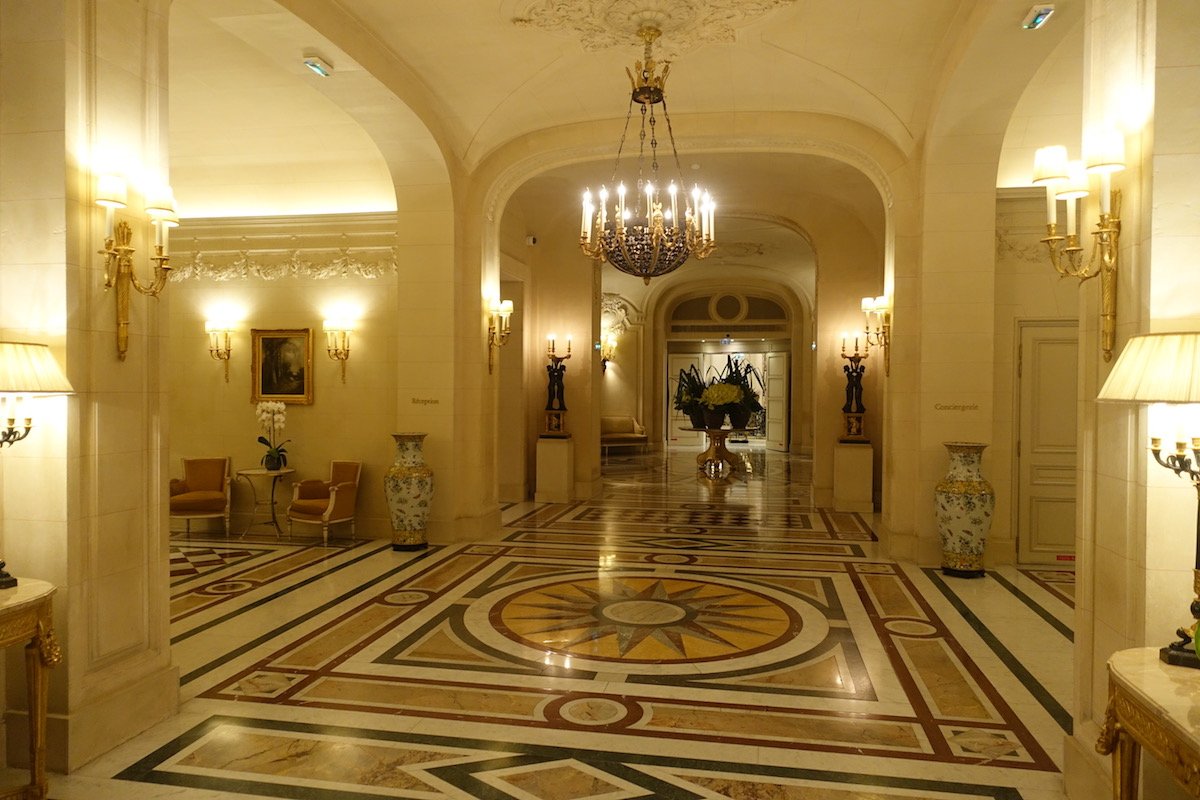
- Hôtel de Crillon, A Rosewood Hotel: Located on the Place de la Concorde, this property occupies a palace commissioned by Louis XV.
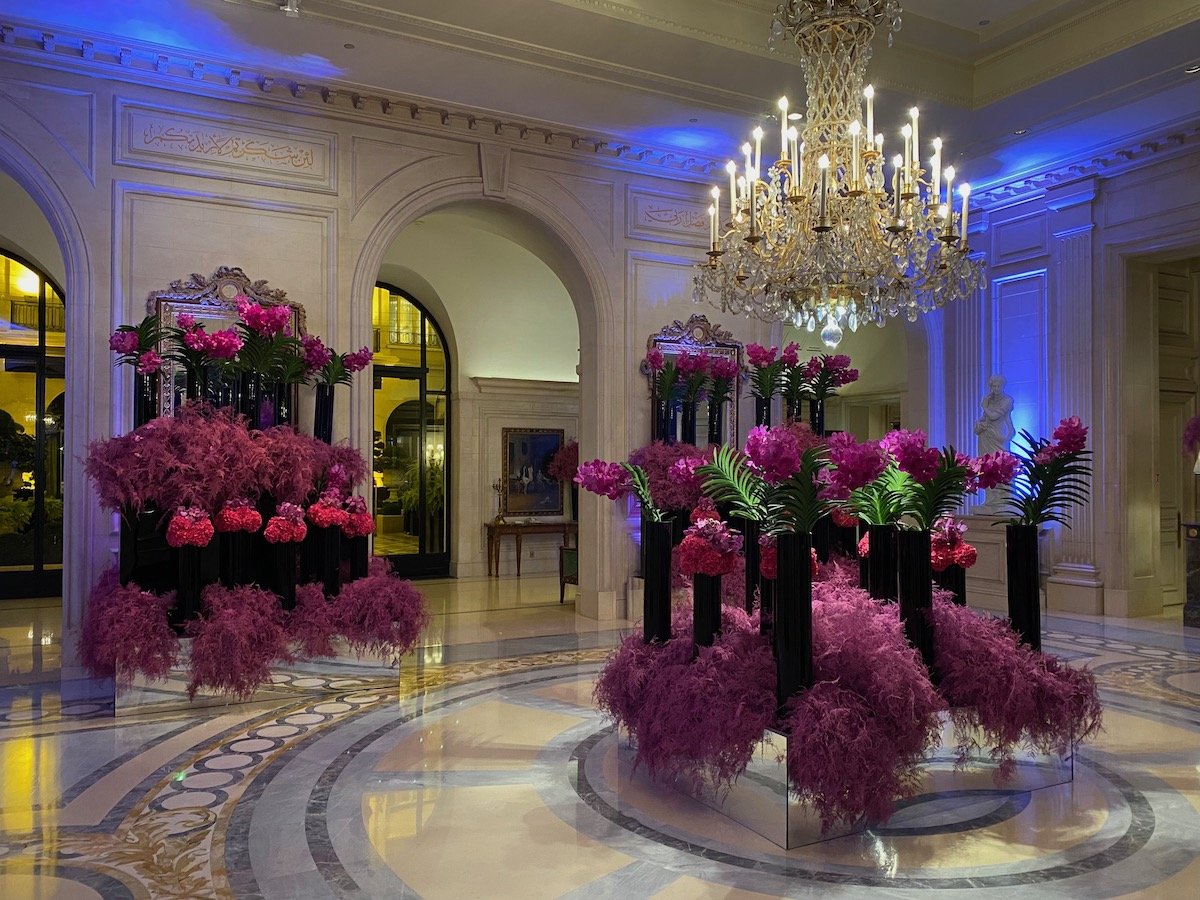
- Four Seasons Hotel George V: Renowned for its floral displays and three Michelin-starred restaurants.
- Le Meurice: Known as the "Hotel of Kings," it has long been a favorite of artists like Salvador Dalí.
- The Peninsula Paris and Cheval Blanc Paris: These represent the newer additions to the Parisian scene, blending modern technology with classic French grandeur.
The Mediterranean Allure
The South of France, particularly the Côte d’Azur, accounts for 11 Palace properties. These hotels often emphasize the glamour of the Mediterranean summer.
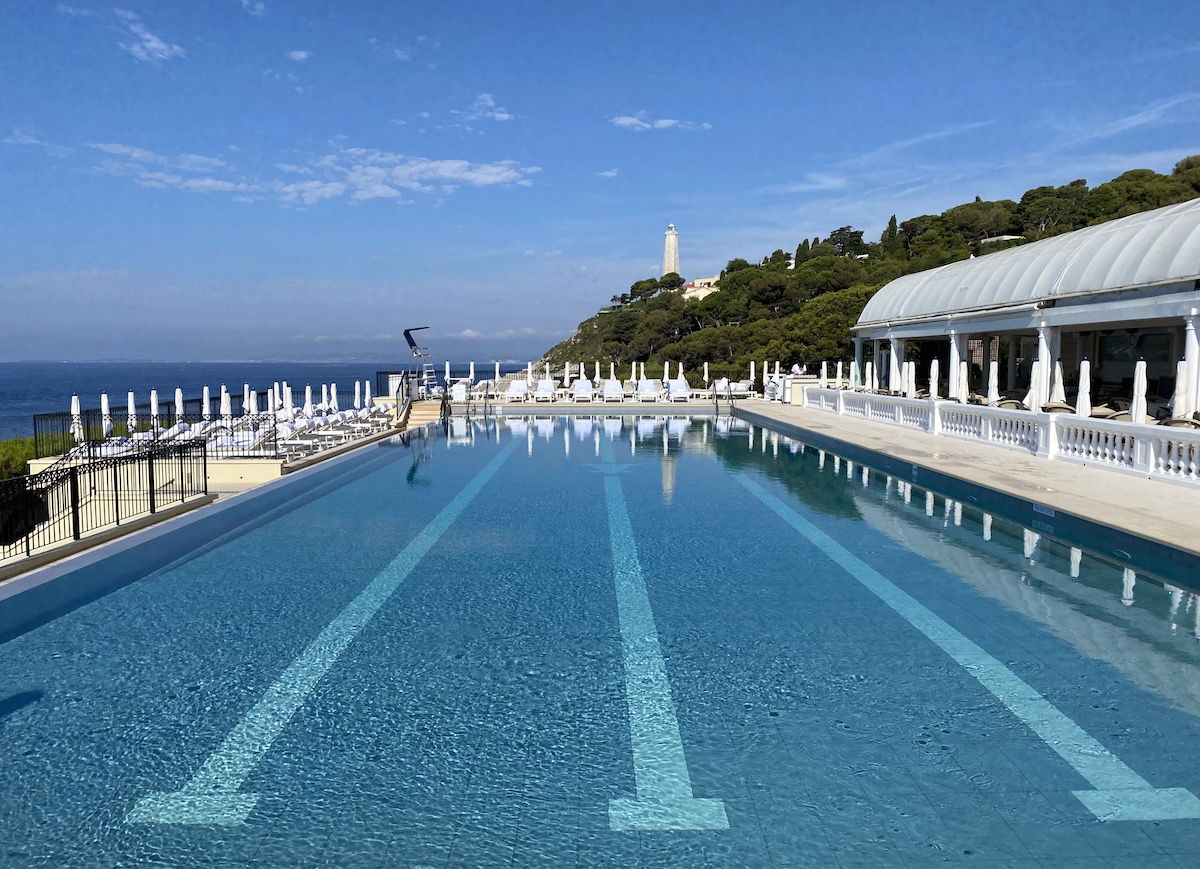
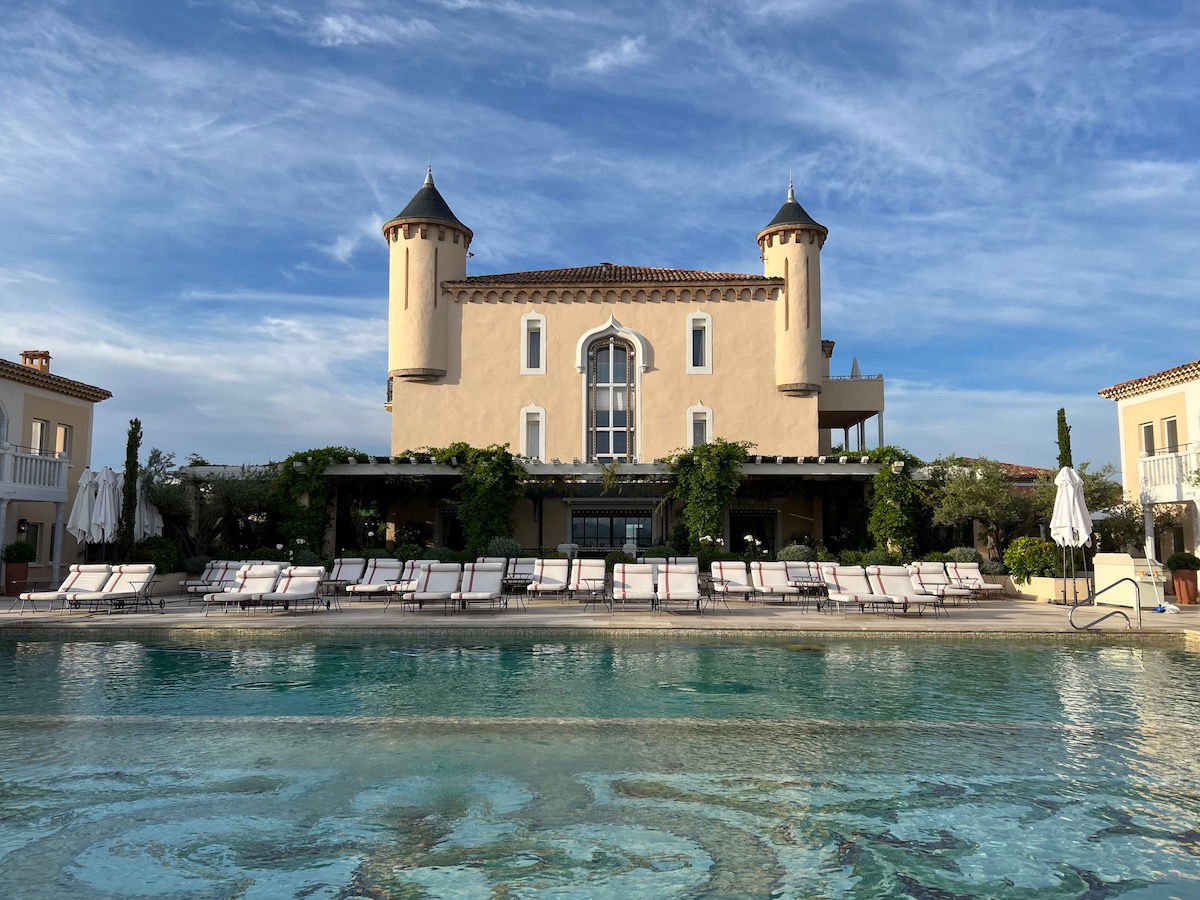
- Grand-Hôtel du Cap-Ferrat, A Four Seasons Hotel: Set on the tip of the peninsula, it offers a legendary infinity pool and historic gardens.
- Hôtel Byblos and La Réserve Ramatuelle: These properties define the luxury experience in Saint-Tropez, catering to a celebrity clientele.
- Hotel Martinez: Located on the Croisette in Cannes, it is one of the few Palace hotels that maintains a strong affiliation with a major loyalty program (World of Hyatt).
Alpine Excellence
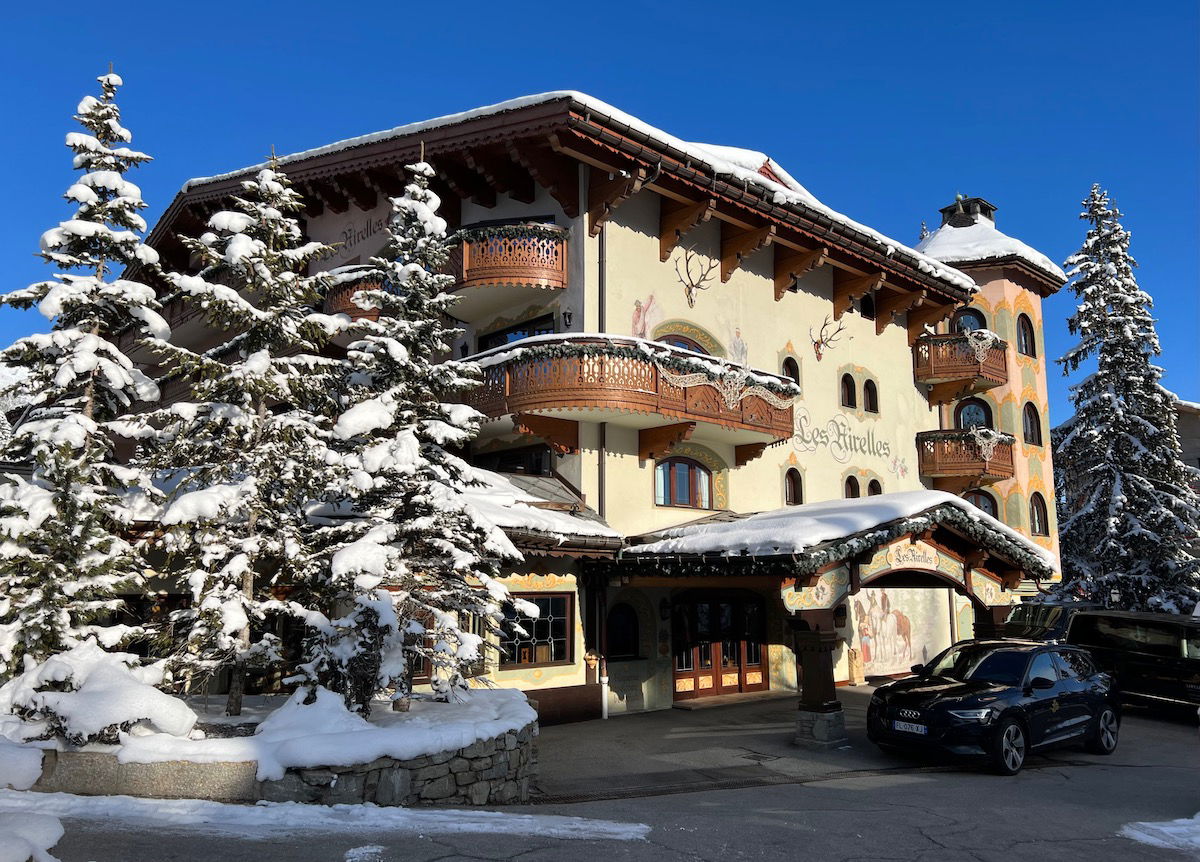
The ski resort of Courchevel 1850 is home to five Palace hotels, a remarkable concentration for a single mountain village. Properties such as Les Airelles and Cheval Blanc Courchevel offer ski-in/ski-out luxury, private butlers, and world-class spas, catering to the winter elite.
Regional and Overseas Outliers
The remaining properties are found in diverse locations:
- Les Sources de Caudalie: Located in the vineyards of Bordeaux, focusing on vinotherapy and gastronomy.
- Cheval Blanc St-Barth Isle de France: The only property in the French West Indies to hold the distinction, emphasizing France’s global luxury reach.
Recent Updates and the Impact of Decertification
The Palace list is not static, and the most recent review cycle has seen significant changes. In a rare move, four hotels recently had their Palace distinction removed or not renewed. These include the Hôtel du Palais Biarritz (part of Hyatt’s Unbound Collection), Les Prés d’Eugénie, Les Sources de Caudalie, and Villa La Coste.
While the specific reasons for decertification are rarely made public by Atout France, industry analysts suggest that failure to meet evolving service standards or delays in necessary renovations can lead to a loss of status. For the Hôtel du Palais in Biarritz—a property built by Empress Eugénie—the loss of the label is a significant blow to its marketing identity, though it remains a premier five-star destination. This cycle of renewal serves as a warning to other properties that the Palace label must be earned continuously, not just once.
Economic Implications and the Role of Brand Loyalty
The Palace distinction carries immense economic weight. Hotels with this label can command significantly higher Average Daily Rates (ADR) than standard five-star properties. In Paris, it is not uncommon for entry-level rooms at Palace hotels to exceed €1,500 per night during peak season.
Furthermore, the label influences the investment strategies of major luxury conglomerates. LVMH, through its Cheval Blanc brand, and the various owners of the Dorchester Collection and Oetker Collection, prioritize the Palace status as a core component of their brand value.
For the modern traveler, the integration of these independent-spirited hotels into loyalty programs is a growing trend. While most Palace hotels are independently owned or part of niche luxury groups, the presence of Hotel Martinez (Hyatt) and Raffles Le Royal Monceau (Accor) allows points-savvy travelers to access this level of luxury. This synergy between government-certified excellence and global loyalty ecosystems is likely to expand as travelers seek more "authentic" and "guaranteed" luxury experiences.
Broader Impact on the Global Hospitality Industry
The success of the French Palace system has prompted other nations to consider similar tiers. While organizations like AAA (Diamonds) and Forbes Travel Guide (Stars) provide independent ratings, the French model is unique because it carries the weight of the state. This governmental endorsement provides a level of consumer protection and prestige that private organizations struggle to replicate.
The Palace distinction also drives innovation in the sector. To maintain their status, these hotels must constantly reinvent their offerings, whether through sustainable practices, the integration of wellness technology, or the preservation of artisanal crafts in their interior design. The result is a "trickle-down" effect where the standards set by Palace hotels eventually influence the broader five-star and four-star markets.
In conclusion, the French Palace hotel rating system is more than a marketing gimmick; it is a rigorous, government-backed certification that protects the heritage of French hospitality while pushing the boundaries of modern luxury. As the list of 33 properties continues to evolve, it remains the ultimate guide for travelers seeking the pinnacle of service, history, and elegance in the Hexagon and beyond. The recent decertifications only reinforce the integrity of the label, proving that in the world of French luxury, the "Palace" title is a privilege that must be meticulously maintained.



 Anjar Salim
 Lukman Taruna Persada Ramadan
 Chandra Hamzah
 Tatiana Tantri Indah Sari