
 Dwi Wanna
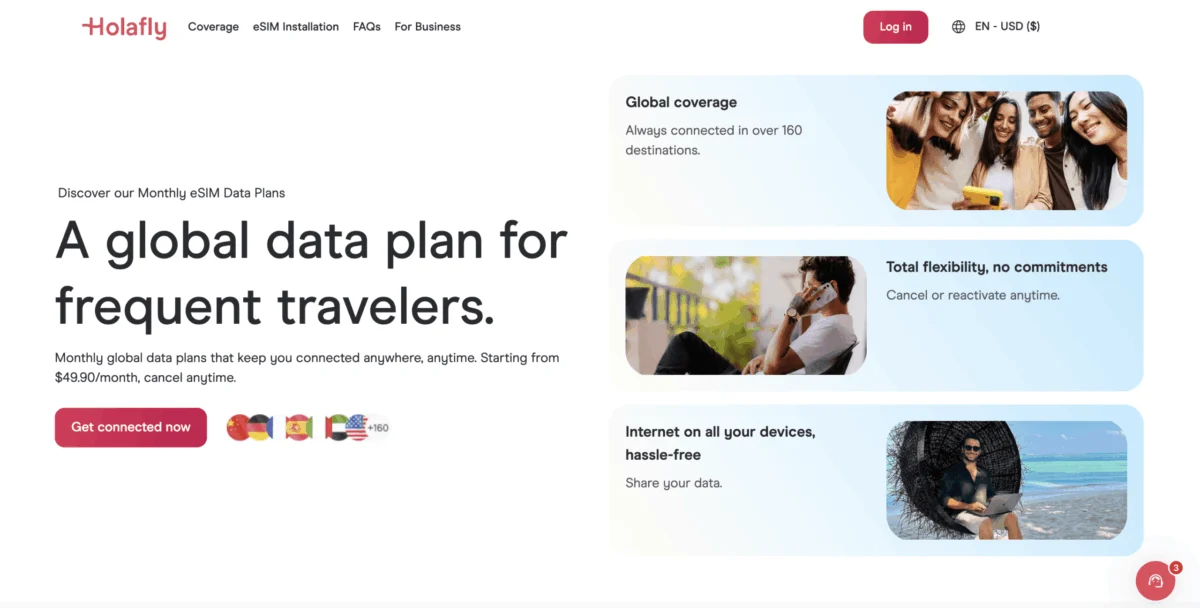
The telecommunications landscape for international travelers has undergone a significant transformation over the past decade. As digital nomadism and global tourism have increased, the reliance on traditional roaming services—often characterized by high costs and technical limitations—has diminished. The emergence of the embedded SIM (eSIM) has allowed users to transition away from physical, carrier-locked hardware toward software-defined connectivity. Recently, the market has pivoted from single-trip, country-specific eSIM products toward long-term, subscription-based models designed to provide continuous global coverage, with companies like Holafly leading this shift in service delivery.
Understanding the Technological Transition
The transition from traditional physical SIM cards to eSIM technology represents a fundamental change in how mobile devices interface with cellular networks. An eSIM, or embedded Subscriber Identity Module, is a programmable chip integrated directly into a smartphone’s motherboard. Unlike its physical counterpart, which requires physical removal and insertion, an eSIM allows users to switch between network profiles through software configurations.
For the modern traveler, this capability eliminates the need to visit local vendors upon arrival in a new country. Instead, the process is digitized: users scan a QR code or utilize a dedicated application to download a network profile. This architecture allows a single handset to store multiple profiles simultaneously, enabling users to maintain their home carrier’s line while activating a secondary, location-specific data plan.
The Emergence of Global Subscription Models
The introduction of Holafly Plans marks a departure from the "a la carte" model that defined the early days of the eSIM market. Previously, travelers were required to purchase individual data packages for each country or region visited. If a traveler moved from a 14-day stay in France to a week in Thailand, they would need to manage two distinct purchases and two different installation processes.

The subscription-based approach aggregates these disparate services into a singular, ongoing utility. By offering a unified plan that spans over 160 destinations, providers are aiming to replicate the convenience of a domestic mobile carrier’s "roaming pass" while stripping away the premium price points typically associated with major telecom providers. These plans function as a standing agreement, allowing for seamless connectivity that persists as the user crosses international borders.
Comparative Market Analysis: Costs and Efficiency
Economic efficiency remains the primary driver behind the adoption of global eSIM subscriptions. Major domestic carriers in markets such as the United States, United Kingdom, and Canada frequently charge daily roaming fees ranging from $10 to $15 per day. Over the course of a month-long trip, these costs can balloon to $300 or more, often for limited high-speed data allotments.
In contrast, subscription-based global eSIM plans are typically priced between $50 and $70 per month. This flat-rate model allows for a predictable budgetary forecast for remote workers and frequent travelers. Furthermore, these plans often include unlimited data and tethering capabilities, which are frequently restricted or throttled by traditional roaming agreements.
Data shows that the "hassle factor"—defined by the time spent in physical queues at airports or the frustration of troubleshooting local network configurations—is significantly reduced under a subscription model. Because the network profile remains active, the device automatically negotiates a connection with the local partner carrier upon landing, a process that historically required manual intervention.
Strategic Tiers and Service Tiers
The current market offering from providers like Holafly typically bifurcates into two distinct tiers: a data-capped "Light" version and an "Unlimited" tier.
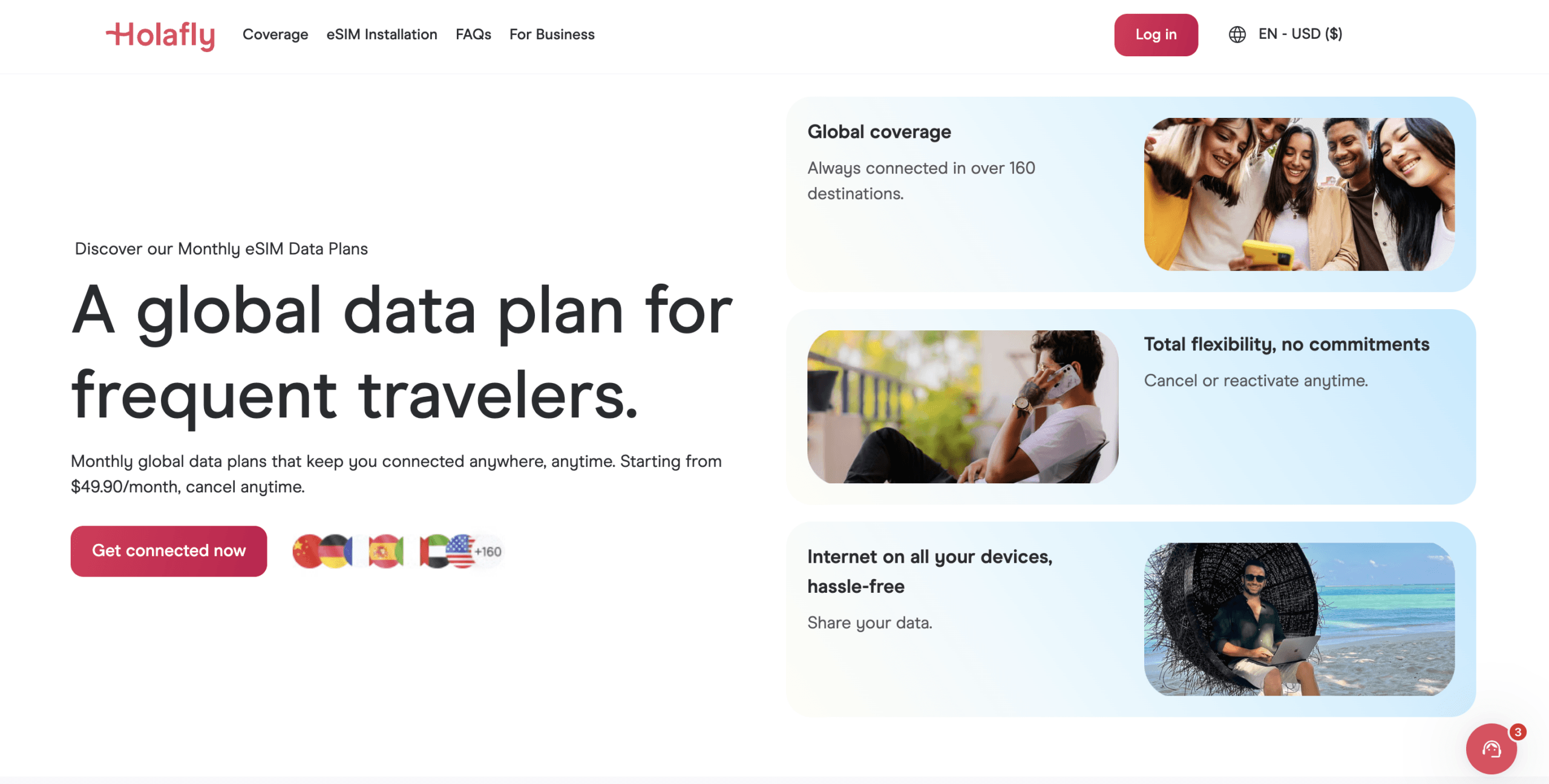
- Light Tiers: Generally providing a monthly allotment (e.g., 25GB), these plans are tailored to travelers who primarily utilize GPS navigation, messaging platforms, and standard web browsing.
- Unlimited Tiers: Designed for power users and digital nomads, these plans provide uncapped data. A critical differentiator in this tier is the inclusion of mobile hotspot capabilities, allowing users to tether professional-grade equipment like laptops or tablets.
Furthermore, the integration of a secondary phone number (from jurisdictions like the US, UK, or Canada) serves as a vital tool for two-factor authentication, banking security, and international correspondence. This addresses a common pain point: the inability to receive SMS-based verification codes when traveling abroad with a local, data-only SIM card.
Industry Implications and User Adoption
The move toward subscription-based connectivity reflects a broader trend in the travel industry: the "platformization" of travel services. Just as travelers moved from individual hotel bookings to centralized platforms, they are now moving toward centralized connectivity hubs.
Analysts suggest that this trend is likely to influence how traditional carriers price their services in the future. As eSIM adoption becomes ubiquitous—with Apple and other major manufacturers phasing out physical SIM trays in specific markets—the pressure on legacy carriers to offer competitive, transparent global roaming packages will increase.
From a logistical standpoint, the adoption of these plans offers several key advantages:
- Security: Avoiding public Wi-Fi networks in airports and transit hubs by maintaining a consistent cellular connection reduces the risk of cybersecurity threats.
- Time Management: Eliminating the search for physical SIM cards at kiosks upon arrival saves significant time, particularly in regions where language barriers may complicate the purchasing process.
- Continuity: Maintaining a single, consistent connection prevents the loss of communication during transit between destinations.
Addressing Potential Limitations
Despite the benefits, there are limitations to the subscription model. For the infrequent traveler—someone taking one or two short vacations per year—the cost-to-benefit ratio may still favor single-use, country-specific eSIMs. These one-off packages are often cheaper for short-term durations, whereas a subscription, even if cancellable, represents a more significant initial commitment.
Furthermore, network quality remains dependent on the underlying infrastructure of the local partner carriers. While global eSIM providers utilize premium networks, the experience can vary depending on the specific region. Users are encouraged to verify coverage maps before committing to a long-term plan, especially when traveling to remote or less-developed regions.
Future Outlook
As the telecommunications industry continues to lean into 5G expansion, the demand for high-speed, reliable, and portable data will only grow. The shift toward software-defined SIMs is no longer a niche preference for tech-savvy travelers; it is becoming the standard. The introduction of "Always On" features—such as backup data allotments that persist even after a subscription is paused or cancelled—signals a move toward better consumer protection and long-term value.
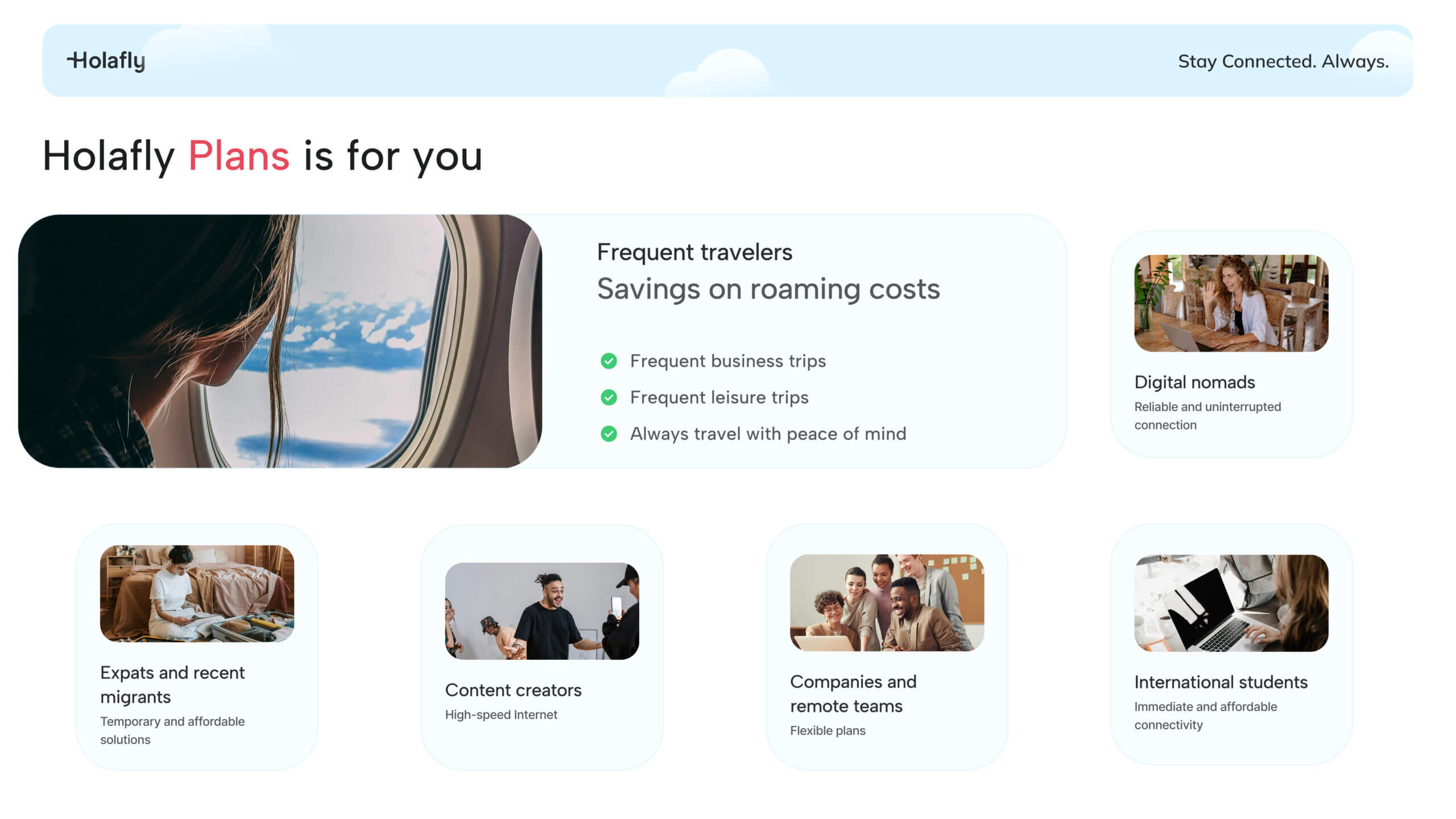
Ultimately, the decision to opt for a subscription-based eSIM versus a traditional local SIM rests on the traveler’s mobility and data requirements. For the modern digital nomad or the high-frequency business traveler, the integration of these services into a single, manageable plan represents a significant leap in efficiency. By consolidating connectivity, travelers can focus more on their objectives—be it remote work or leisure—without the constant friction of managing cellular logistics.
As market competition intensifies, consumers can expect to see further innovations in pricing, data sharing, and additional value-added services. For now, the transition to global subscriptions serves as a bellwether for the future of borderless communication, signaling an era where connectivity is expected to be as fluid and mobile as the travelers themselves.




 Gabriela Annisa

 Lukman Taruna Persada Ramadan

 Tatiana Tantri Indah Sari

 Anjar Salim

