
 Susilo Edi Turonggo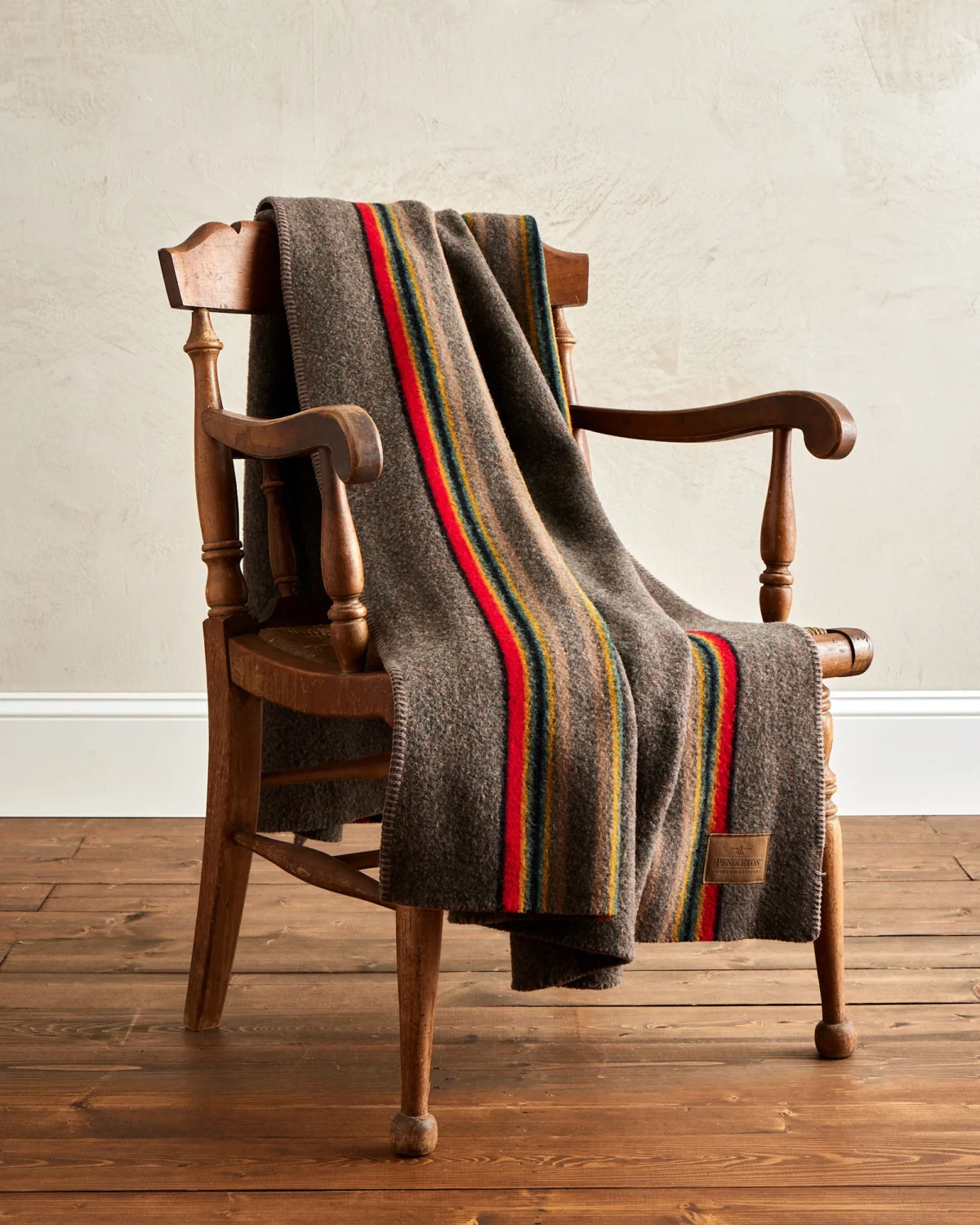
The textile industry, a cornerstone of global commerce, is undergoing a profound transformation driven by escalating consumer demand for sustainability and ethical production. This shift is particularly evident in the home goods sector, where items like blankets, once chosen primarily for comfort and aesthetics, are now scrutinized for their environmental footprint, material safety, and social impact. As awareness grows regarding the ecological and human cost of conventional manufacturing, a new generation of brands is emerging, committed to transparency, responsible sourcing, and artisan welfare. This article explores the critical facets of sustainable and ethical blanket production, examines the industry’s evolving landscape, and highlights companies leading the charge towards a more conscientious future.
The Environmental Imperative: Addressing Textile Production’s Ecological Footprint
The production of textiles is notoriously resource-intensive and environmentally damaging. Conventional cotton farming, for instance, often relies heavily on pesticides and vast quantities of water, contributing to soil degradation and water scarcity. Synthetic fibers like polyester, while durable, are derived from fossil fuels and contribute to microplastic pollution in waterways during washing, persisting in ecosystems for centuries. Dyeing processes, if unregulated, can release toxic chemicals into water systems, impacting biodiversity and human health.
The call for sustainable alternatives is therefore urgent. Innovations in material science and a return to traditional, less impactful practices are pivotal. Organic cotton, cultivated without synthetic pesticides or fertilizers, significantly reduces chemical runoff and water consumption. Fibers like alpaca and merino wool offer natural thermoregulation and odor resistance, reducing the need for frequent washing and extending product lifespan. Linen, derived from flax, requires minimal water and pesticides, while Tencel (lyocell) is produced from sustainably sourced wood pulp through a closed-loop system, minimizing waste and chemical use. Hemp, another rapidly growing and low-impact fiber, offers exceptional durability and breathability. These natural fibers, when processed responsibly, represent a vital step towards mitigating the textile industry’s ecological burden.
Safeguarding Health: The Hidden Dangers of Conventional Dyes
Beyond environmental concerns, the chemicals used in textile processing pose direct health risks to consumers and production workers. Synthetic dyes, particularly azo-benzene disperse dyes commonly found in conventional textiles, have been linked to immuno-sensitizing skin reactions upon prolonged contact. More alarmingly, these hazardous substances can leach into household dust, becoming airborne or ingested, posing risks to families, especially children. The ubiquitous nature of blankets, often in direct contact with skin for extended periods, amplifies these concerns.
To combat this, leading brands are prioritizing skin-safe materials and non-toxic dyes. Certifications such as Oeko-Tex Standard 100 ensure that textiles are tested for harmful substances at every stage of production, guaranteeing a product safe for human health. The bluesign standard goes further, ensuring environmentally friendly and safe production processes from raw materials to finished goods, minimizing impact on people and the environment. By choosing products bearing these labels, consumers can confidently snuggle into blankets free from a litany of potentially harmful chemicals, safeguarding indoor air quality and personal well-being.
Ethical Sourcing and Social Responsibility: Empowering Artisans and Communities
The journey of a blanket, from raw fiber to finished product, often spans continents and involves numerous hands. Historically, this global supply chain has been marred by issues such as exploitative labor practices, unsafe working conditions, and inadequate compensation. The movement towards ethical sourcing seeks to rectify these injustices by prioritizing fair wages, safe environments, and respectful treatment for all workers involved in production.
Many sustainable brands actively partner with artisan communities, often preserving traditional weaving and crafting techniques passed down through generations. This not only imbues products with unique cultural value but also provides sustainable livelihoods for skilled craftspeople. Certifications like Fair Trade USA and the World Fair Trade Organization (WFTO) are instrumental in verifying these claims, ensuring that producers receive fair prices, workers enjoy decent conditions, and communities benefit from social development initiatives. Additionally, the B Corp certification, which some brands hold, signifies a company’s commitment to meeting rigorous standards of social and environmental performance, accountability, and transparency. By investing in ethically sourced blankets, consumers directly support equitable economic systems and the empowerment of marginalized communities.
Durability and Timeless Style: The Antidote to Fast Fashion in Home Goods
In an era dominated by fast fashion and disposable consumption, the concept of durability and timeless design offers a sustainable counter-narrative. A well-made blanket, crafted from quality materials and designed to transcend fleeting trends, is an investment that lasts for years, even decades. This approach directly challenges the "buy-and-replace" cycle, reducing waste and minimizing the environmental impact associated with frequent consumption.
Brands committed to sustainability often prioritize robust construction and classic aesthetics, ensuring their products remain cherished household items rather than quickly discarded fads. Materials like wool, naturally anti-odor and resilient, require less frequent washing, further extending their lifespan and conserving resources. Consumers are encouraged to examine care instructions carefully, as proper maintenance is crucial for maximizing a blanket’s longevity. This emphasis on enduring quality not only offers greater value to the consumer but also aligns with a broader philosophy of mindful consumption, where products are valued for their intrinsic worth and lasting utility.
Pioneering Brands in the Sustainable Blanket Market
Several companies are at the forefront of this movement, demonstrating that comfort, style, and ethical production can coexist. Their commitment to responsible sourcing, artisan collaboration, and environmental stewardship offers a roadmap for the industry and empowers consumers to make informed choices.
1. Pendleton: A Legacy of American Craftsmanship and Indigenous Artistry
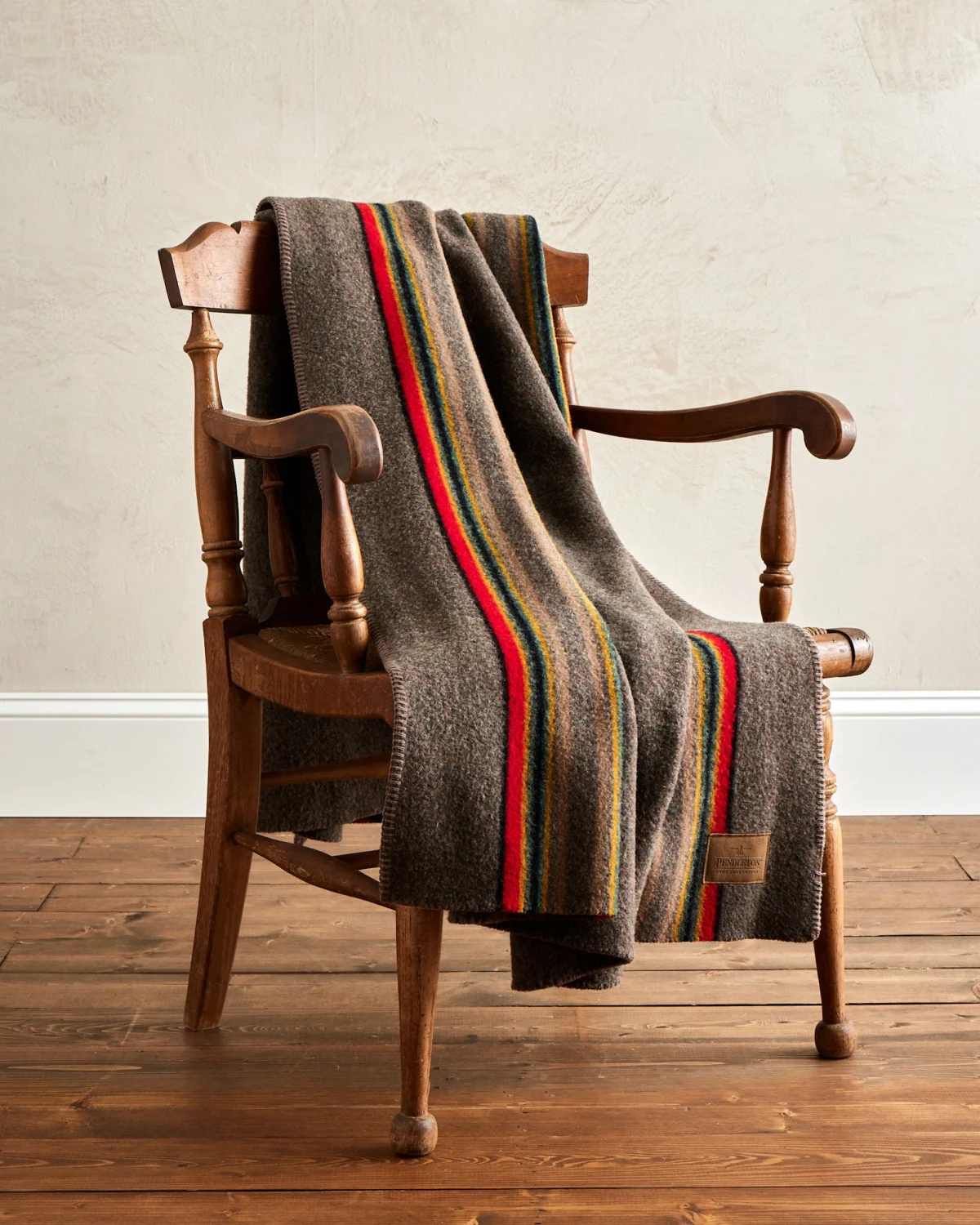
Pendleton Woolen Mills, established in 1909, stands as a testament to enduring American craftsmanship. Operating two of the last remaining woolen mills in the U.S., the company maintains an impressive vertical integration, overseeing the scouring, dyeing, spinning, weaving, and hand-finishing of wool and cotton for its Oeko-Tex-certified blankets. Beyond its operational excellence, Pendleton fosters deep-rooted relationships with local wool farmers, ensuring a transparent and regional supply chain. Crucially, the brand is renowned for its collaborations with Indigenous artists, whose iconic patterns are meticulously woven onto looms, celebrating Native American heritage and ensuring fair recognition for artistic contributions. This century-long dedication to quality, local economies, and cultural preservation makes Pendleton a cornerstone of the ethical textile landscape. Its price range of $60-$529 reflects the artisanal quality and historical significance of its products, primarily available in the U.S.
2. Minna: Artisan Collaboration and B Corp Transparency
Minna, a certified B Corp and queer-led business based in Upstate New York, exemplifies a contemporary approach to ethical design. The brand’s blankets, characterized by beautiful abstract patterns and minimalist aesthetics, are handmade in small batches. Minna prioritizes natural fibers, utilizing alpaca, Oeko-Tex-certified cotton, and merino wool, ensuring both comfort and safety. A core tenet of Minna’s philosophy is building direct, equitable relationships with artisan partners across Central and South America. This commitment to transparency is evident in its practice of listing the individual maker of each blanket on every product page, providing consumers with a direct connection to the craftsmanship behind their purchase. With a price range of $165-$398, Minna’s products are available in most countries, bringing ethical artisan goods to a global audience.
3. April Notes: Made-on-Demand Craftsmanship with European Pedigree
April Notes distinguishes itself through its commitment to soft, earth-friendly home linens produced with meticulous care. Its collection of blankets, crafted from linen, cotton, and merino wool, is certified free of harmful chemicals and synthetic dyes, ensuring they are naturally breathable and hypoallergenic. A significant aspect of April Notes’ sustainable model is its made-on-demand production, which minimizes textile waste and combats overproduction – a critical issue in the modern apparel and home goods industries. The brand collaborates closely with a boutique atelier in Lithuania, fostering strong relationships that uphold traditional craftsmanship while guaranteeing fair wages and safe working conditions for its artisans. Ranging from $149-$180, April Notes offers its thoughtfully produced blankets across a wide geographical area, including the U.S., Canada, the U.K., Australia, New Zealand, Mexico, Norway, Switzerland, Gibraltar, and all European Union countries.
4. Avocado: Organic Purity and Dye-Free Innovation
Avocado, a Los Angeles-based certified B Corp, has expanded its reputation for sustainable mattresses into cozy bedroom stylings. Its throw blankets showcase a strong commitment to organic purity, utilizing Oeko-Tex-certified organic cotton, alpaca wool, cashmere, merino wool, and recycled cotton. A standout feature is the use of naturally occurring colors for its alpaca wool throws, eliminating the need for any dyes whatsoever. Other blankets are crafted with azo-free dyes, reinforcing the brand’s non-toxic pledge. Avocado sources its wool from Northern India and maintains a regularly audited supply chain, ensuring ethical practices from farm to finished product. With a diverse price range of $39-$349, Avocado’s blankets are available within the U.S., catering to consumers seeking uncompromising organic and ethical standards.
5. Coyuchi: Fair Trade and Organic Excellence in Home Goods
Coyuchi is a pioneer in high-quality home goods with a minimal environmental impact. The brand’s blankets are crafted from organic cotton and wool sourced from India, and are meticulously woven in Fair Trade-certified factories located in Turkey, Portugal, and Germany. This global network of ethical production partners underscores Coyuchi’s commitment to social responsibility and worker welfare. To assist consumers in navigating their extensive collection, Coyuchi provides a comprehensive blanket guide, ensuring that individuals can find the perfect, consciously-made companion for their home or as a gift. Ranging from $58-$478, Coyuchi products are available in the U.S., setting a benchmark for organic and Fair Trade home textiles.
6. Savvy Rest: American-Made, Organic, and Dye-Free Simplicity
Savvy Rest, another certified B Corp in the bedding sector, champions simplicity and purity with its range of organic cotton dye-free blankets. Available in sizes from throw to king, these blankets cater to a broad spectrum of consumer needs. A key differentiator for Savvy Rest is its commitment to domestic production: the cotton is grown and woven into blankets entirely within the United States. This local supply chain reduces transportation emissions and supports American agriculture and manufacturing jobs. With a price range of $89-$198, Savvy Rest offers accessible, truly organic, and dye-free options exclusively within the United States.
7. Under the Canopy: Intentional Design with Global Sourcing
Under the Canopy offers a collection of blankets distinguished by intentional designs built for longevity. The brand’s products are manufactured in India, Pakistan, Turkey, and China, utilizing Oeko-Tex-certified low-impact dyes. This geographical spread is balanced by a strict adherence to material quality and ethical standards. Under the Canopy sources merino wool from Argentina and organic cotton from Turkey, carefully selecting origins known for responsible farming practices. Its commitment to durable, long-lasting products aligns with the slow-fashion movement, encouraging consumers to invest in items that withstand the test of time. Ranging from $178-$212, Under the Canopy blankets are available in the U.S., combining global sourcing with certified sustainable practices.
8. Boll & Branch: Traceable Organic Cotton and Fair Trade Dedication
Boll & Branch, a Fair Trade Certified bedding company, has built its reputation on prioritizing non-toxic processes to create exceptionally safe and soft blankets. Its throws are meticulously crafted by artisans in India, Turkey, and Pakistan, using traceable Oeko-Tex-certified organic cotton and alpaca. The brand’s commitment to traceability ensures that consumers can understand the origin and journey of their materials, fostering trust and transparency. Boll & Branch’s dedication to Fair Trade principles guarantees that every step of its supply chain adheres to rigorous social and environmental standards, from cotton cultivation to weaving and finishing. With a price range of $149-$699, Boll & Branch serves customers in the U.S. and Canada, embodying luxury with a conscience.
9. Bearaby: Innovating Weighted Blankets with Sustainable Materials
Bearaby, known for its specialized weighted blankets designed to promote sleep and alleviate anxiety, also offers a selection of comfy and lightweight throws. The brand innovates by using Tencel from Austria, organic cotton from India, and Oeko-Tex-certified recycled polyester in its blankets, available in multiple weights and sizes. While focusing on natural and recycled materials, consumers sensitive to synthetics should note the inclusion of recycled polyester in some products, highlighting the importance of checking material details. Bearaby’s commitment to sustainable material innovation, particularly in a niche market like weighted blankets, positions it as a forward-thinking brand. Priced from $149-$309, Bearaby blankets are available in the U.S., offering comfort and therapeutic benefits through responsible production.
10. Cold Picnic: Artistic Home Goods from Recycled Materials
Cold Picnic transforms home goods into vibrant art pieces, with its blankets designed in Brooklyn and produced with a strong emphasis on domestic sourcing. The brand utilizes domestically-sourced Oeko-Tex-certified recycled cotton for many of its blankets, which are made in small batches by a family-owned company in the U.S., supporting local economies and reducing transportation impacts. Additionally, Cold Picnic produces beautiful quilts handmade by artisans in India, blending global artistry with local production ethics. While the brand champions sustainable materials, some blankets do incorporate polyester, necessitating careful review of material details for consumers prioritizing all-natural fibers. Ranging from $130-$560, Cold Picnic offers its distinctive designs worldwide, merging artistic expression with environmental responsibility.
11. Parachute: Direct-to-Consumer Quality with Ethical Partnerships
Parachute, a prominent direct-to-consumer brand, focuses on creating quality and durable home goods with a modern, timeless design. Its blankets are crafted from Oeko-Tex-certified materials, including cotton, alpaca wool, and linen, ensuring both material safety and a luxurious feel. Parachute strategically partners with Fair Trade manufacturers in Portugal and Turkey, upholding an ethical supply chain that supports fair labor practices and safe working conditions. Similar to other brands balancing material choices, some Parachute blankets may contain a small percentage of polyester. Consumers sensitive to synthetics are advised to check the material composition before purchase. With a price range of $99–$289, Parachute blankets are available in the U.S. and Canada, offering accessible quality with a commitment to ethical manufacturing.
12. The Citizenry: Global Artisanry and Fair Trade Principles
The Citizenry stands as a beacon for Fair Trade practices, offering warm and lightweight blankets, quilts, and throws made from ethically sourced Oeko-Tex-certified materials. Its selection includes alpaca wool, mohair, linen, and cotton, each chosen for its quality and sustainable attributes. The brand distinguishes itself through its transparent partnerships with international artisans, explicitly listing all collaborators and the specific locations where each blanket was handwoven and loomed on its product pages. This level of transparency fosters a direct connection between consumer and creator. As with some other brands, a small amount of polyester might be present in certain blankets, making material verification a prudent step for consumers. Ranging from $189-$299, The Citizenry offers its globally inspired, ethically made products in the U.S. and Canada.
13. Made Trade: A Curated Marketplace for Conscious Consumers
Made Trade operates as an online marketplace rigorously vetting every product to ensure it meets genuine sustainability and transparency criteria. This platform empowers consumers to shop by their specific values, allowing them to filter for blankets that are USA Made, handcrafted, or Fair Trade certified. Furthermore, shoppers can easily select blankets based on preferred materials, including cotton, recycled polyester, hemp, linen, and merino and alpaca wool. While offering a wide array of sustainable options, Made Trade also features products that may include recycled synthetics, necessitating the use of its robust filter settings to avoid materials if a consumer has specific sensitivities. With a broad price range of $40-$719, Made Trade provides a comprehensive global reach, serving the U.S., Australia, Canada, the U.K., and most European and Asian countries, making ethical and sustainable shopping more accessible.
The Broader Impact and Future Outlook
The proliferation of brands dedicated to sustainable and ethical blanket production signals a significant shift in consumer values and industry practices. This movement extends beyond individual purchases, contributing to a larger ecosystem of responsible commerce. By prioritizing transparent supply chains, non-toxic materials, and fair labor, these companies not only offer superior products but also drive innovation and raise standards across the textile sector.
The increasing availability of certifications like Oeko-Tex, bluesign, Fair Trade, and B Corp status provides consumers with crucial tools for informed decision-making, empowering them to support brands aligning with their values. As consumer awareness continues to grow, the demand for truly sustainable and ethical home goods is expected to expand, pushing more manufacturers to re-evaluate their practices. This collective effort, from conscientious consumers to pioneering brands, is instrumental in shaping a future where comfort, quality, and environmental and social responsibility are intrinsically woven into the fabric of everyday life. The journey towards a fully sustainable textile industry is ongoing, but the progress made in the realm of ethical blankets offers a warm and hopeful vision for the future.



 Anjar Salim
 Chandra Hamzah
 Tatiana Tantri Indah Sari
 Budi Mulyono
 Lukman Taruna Persada Ramadan
