
 Hendra Ismail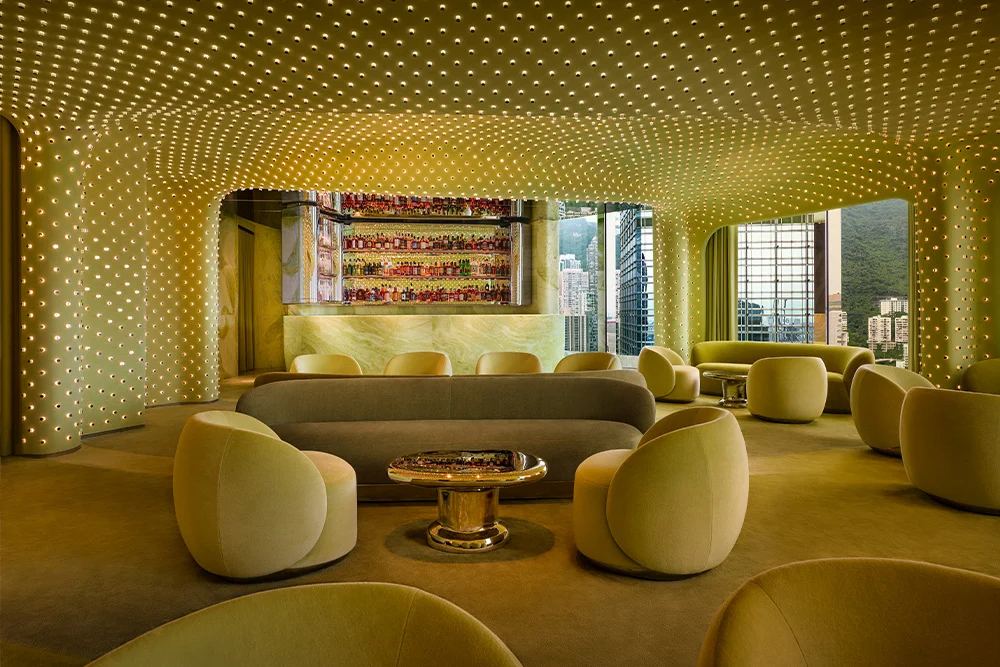
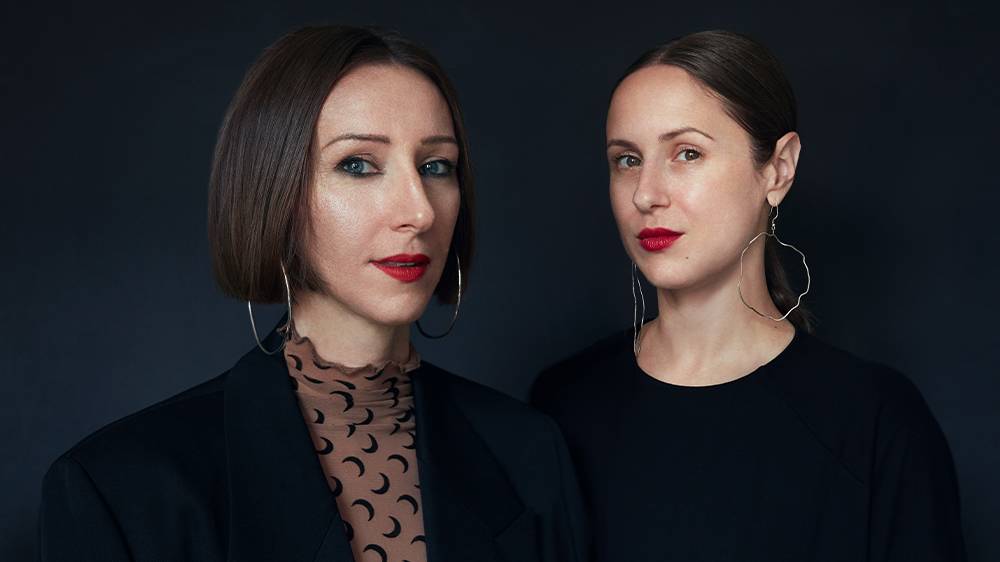
The question of "Are we doing this right?" is a constant companion for Vanessa Watts and Erika Dray, the founders of Watts & Dray, a New York-based hospitality design studio established in 2021. Their ambition was to infuse the design landscape with the innovative and exciting spaces they envisioned for the future, driven by a clear understanding of what was missing. However, the practicalities of building a profitable and scalable design practice have introduced a layer of complexity far removed from the aspirational vision of crafting a distinct design vernacular. Their days, once primarily focused on creative endeavors, are now significantly occupied by the less glamorous, yet essential, tasks of business development calendars and software license negotiations. This presents a paradoxical situation: achieving the freedom to design on their own terms is now intertwined with navigating a dense web of administrative responsibilities.
Recognizing that this struggle is a shared experience within the industry, Watts and Dray have launched a new column, "HOT STUFF," designed to foster open dialogue about these often-overlooked aspects of running a design business. The column aims to bring together industry peers to discuss the pragmatic challenges and triumphs of managing a creative practice, providing a sense of solidarity and shared learning. "We want to hear how they are handling the less glamorous side of the job," Watts and Dray stated in their introductory piece. "Sometimes it’s gratifying to know you’re not the only one navigating the murky waters of business management."
In their inaugural discussion for "HOT STUFF," Watts and Dray sat down with Paolo Ferrari, founder of the Toronto-based Studio Paolo Ferrari, and Courtney Lauderdale, the firm’s studio director of operations. Studio Paolo Ferrari, founded in 2016, has garnered significant international acclaim for its visionary design work and ability to construct immersive experiential worlds. Projects such as the Long Bar at Raffles Boston, the Shebara Resort on Sheybarah Island in Saudi Arabia, Desert Rock, and the recently completed Peridot in Hong Kong, exemplify the studio’s commitment to pushing creative boundaries.
Paolo Ferrari described the profound and enduring sense of wonder that accompanies seeing their designs realized. "Even after having done this for such a long time, it’s still almost like an impossibility. You walk into a space and think, ‘I cannot believe this is real.’ It’s a surreal experience, and it’s the best," he remarked. This sentiment highlights the intrinsic reward of the design process, where abstract concepts are translated into tangible, awe-inspiring environments.
The Dichotomy of Design and Operations
Studio Paolo Ferrari operates with a clear delineation between its creative and administrative functions. Ferrari articulated this structure by explaining that the studio is effectively divided into "the design part and everything else." He shared a personal anecdote illustrating the creative drive that fuels their work: "The best mornings are waking up inspired. I make Courtney late because I won’t stop sketching at our kitchen table." This underscores the passionate genesis of their projects, often stemming from spontaneous creative bursts.
Courtney Lauderdale, as the studio director of operations, shoulders the significant responsibility of ensuring the firm’s smooth functioning. She described the weight of ownership: "The weight of the responsibility of owning a firm is always a complicated piece. We’re the advocates for everyone in our studio—for the work, for our clients, and their brand." This statement emphasizes the multifaceted advocacy role undertaken by leadership, balancing the needs of the team, the integrity of the design, and the strategic objectives of the clients.
The Foundation of Commitment and Value Alignment
Ferrari attributed his disciplined approach and unwavering commitment to his architectural education. He recalled a pivotal conversation with a professor who impressed upon him the necessity of total dedication to the craft. "My professor laid it out and said, you can’t do anything else. You can’t work a part-time job," Ferrari explained. "You have to commit fully to this. That conversation scared the shit out of me because I didn’t have a safety net. That uncertainty was the most important thing—not having that would have watered down the fire." This anecdote reveals the intense focus and personal sacrifice often required in the early stages of establishing a design career.
As Studio Paolo Ferrari has matured, Ferrari’s perspective on project selection has evolved. While initially focused on achieving a list of aspirational projects, the emphasis has shifted towards cultivating relationships with ideal clients. "There are more dream projects, there are only dream clients," he stated. "On paper, you can have a project that is pluses all down the board, but if the client doesn’t value what you’re doing, it’s not worth it. It’s an alignment of values. When we’re all striving for the same thing, it makes a huge difference." This highlights the critical importance of shared vision and mutual respect in ensuring the success and creative fulfillment of a design project. The alignment of values between the design firm and its clients is increasingly recognized as a key indicator of project success, moving beyond mere aesthetic considerations to encompass a deeper, collaborative partnership.
The Enduring Power of Ideas
Ferrari’s philosophy on design centers on the primacy of conceptual thinking. "When I look at design, I think, ‘Is it about the thing or is it about the idea?’ And it’s really about the idea," he asserted. "The work is a result of that idea. The idea has more value than the thing." This perspective underscores a belief in design as a vehicle for profound communication and intellectual exploration, where the underlying concept imbues the physical manifestation with its true significance. This approach aligns with broader trends in contemporary design discourse, which increasingly emphasizes the narrative and philosophical underpinnings of built environments.

Hypothetical Scenarios and the Future of Design Investment
When playfully asked about their aspirations if they were to win the lottery, Lauderdale offered a lighthearted response: "We would still have the design studio, but we would design whatever we wanted and if something got value engineered, we would be like, ‘it’s cool, we’ll pick up the wallcovering.’" This sentiment reflects a desire for uncompromised creative control and the luxury of prioritizing design integrity over cost-saving measures.
Ferrari, however, elaborated on a more profound reimagining of wealth and its application to design. He expressed fascination with the historical instances of affluent patrons commissioning significant architectural works, citing the Brion-Vega family’s commission of Carlo Scarpa’s mausoleum as an example. "When I look at the uber wealth in the world, I think I would have way more fun if that was me. Design is such a powerful tool, and it’s interesting to think about it," he said. He then posed a critical observation about contemporary patronage: "Today, billionaires aren’t using their wealth to create ‘wildly incredible things.’"
Ferrari’s contemplation suggests a missed opportunity for significant cultural and aesthetic contributions by today’s wealthiest individuals. He concluded with a powerful statement about his personal ideal: "There’s such beauty in building and investing in the work we do, and I would do it for myself. That would be the most exciting thing." This sentiment speaks to a desire to leverage substantial resources not just for personal consumption, but for the creation of lasting, impactful design legacies, mirroring the patronage of earlier eras and demonstrating a belief in the transformative power of design as an investment in cultural and aesthetic capital.
The insights shared by Watts & Dray and Studio Paolo Ferrari offer a valuable glimpse into the intricate world of running a design practice. They underscore the perpetual negotiation between creative passion and operational necessity, while also highlighting the enduring belief in the power of ideas and the profound impact of well-aligned client partnerships. As the design industry continues to evolve, such candid discussions about the granular realities of business ownership are crucial for fostering a more resilient, supportive, and innovative professional landscape. The "HOT STUFF" column promises to be a vital platform for these ongoing conversations, offering both practical advice and inspirational perspectives for those navigating the complex and rewarding journey of building a design legacy.


 Anjar Salim
 Chandra Hamzah
 Tatiana Tantri Indah Sari
 Budi Mulyono
 Lukman Taruna Persada Ramadan
