
 Tatiana Tantri Indah Sari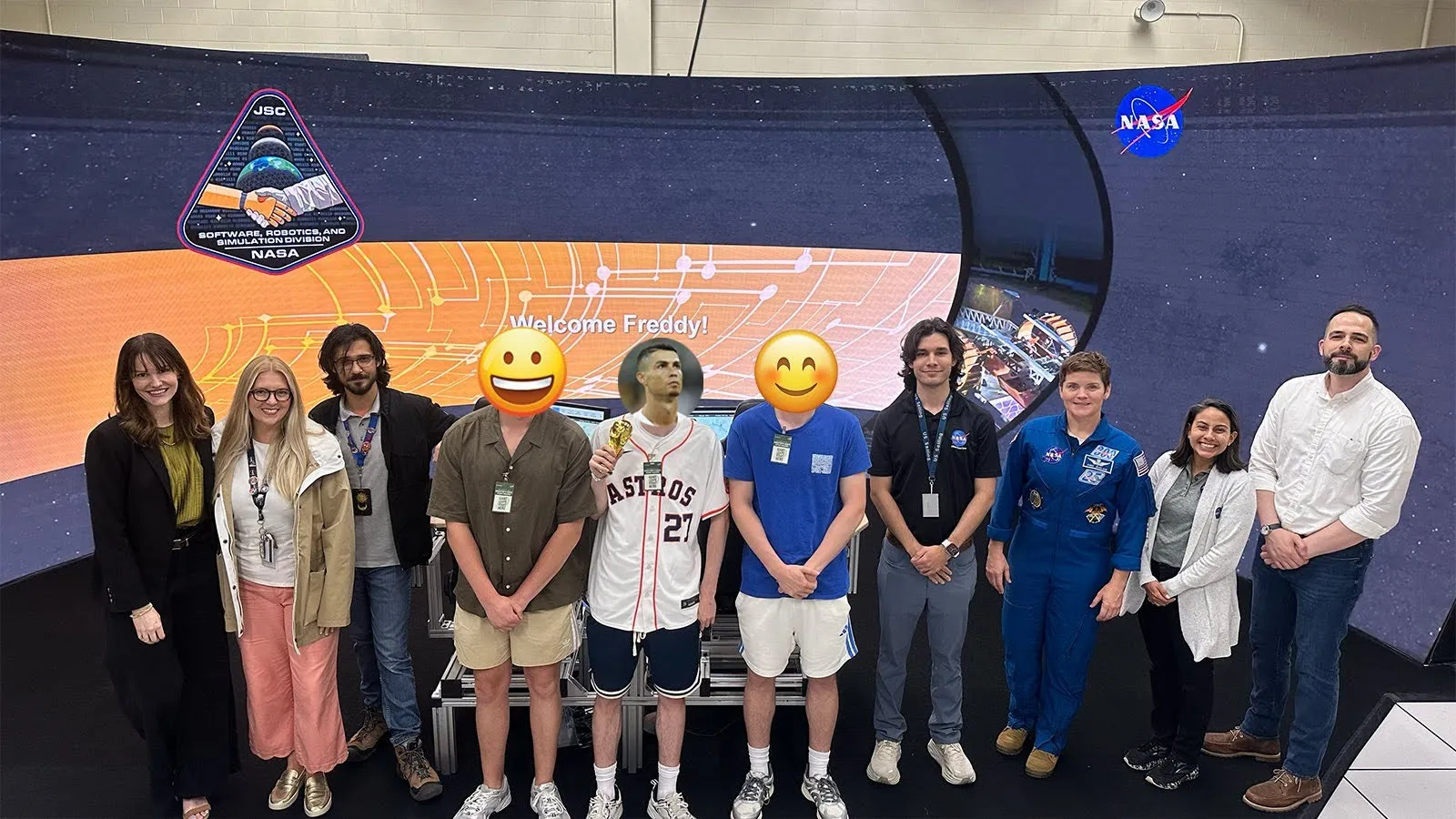
The brands lining up to buy a piece of Freddy are going to fail; it shows how little America’s pull depends on marketing, and how much it depends on the country getting out of its own way. The recent viral odyssey of Freddy, a German fan who captivated millions by traversing the United States and sharing his unvarnished delight on social media, has illuminated a profound truth about America’s global appeal. His genuine, unscripted appreciation for the nation’s everyday cultural touchstones—from the expansive convenience of a Buc-ee’s at 1 AM to the consistent comfort of a Waffle House and the ubiquitous chill of American air conditioning—resonated deeply, both domestically and internationally. This phenomenon underscores that America’s most valuable asset is its authentic self, an asset it sometimes inadvertently sabotages at its own front door.
Freddy’s journey, primarily documented on the social media platform X (formerly Twitter), was not a sponsored tour or a carefully curated influencer campaign. It was an organic exploration, driven by genuine curiosity and an infectious enthusiasm for the American experience, particularly its less-heralded, more accessible elements. His posts offered a refreshing perspective, devoid of the cynicism or critical lens often applied to international observations of the United States. He simply found joy in the mundane, beauty in the vastness, and hospitality in unexpected places, inadvertently becoming a cultural ambassador whose message transcended language barriers and national narratives.
The Phenomenon of Freddy: An Unscripted American Odyssey
Freddy, an ordinary German citizen whose real name is not widely publicized in his online persona, began his extensive road trip across the United States approximately six weeks prior to his viral explosion. His modus operandi was simple: travel widely, observe keenly, and share honestly. Unlike many international visitors who might gravitate solely towards iconic landmarks like the Statue of Liberty, Times Square, or the Grand Canyon, Freddy immersed himself in the fabric of everyday American life. His itinerary included stops that, to many Americans, are unremarkable, yet to Freddy, they represented the unique charm and utility of the country.
Key moments that propelled him into viral stardom included his profound declaration of a Buc-ee’s convenience store, visited in the early hours of the morning, as "the holy land." This sentiment, shared with millions, highlighted the almost cult-like adoration many Americans hold for the Texas-based chain, famous for its immaculate restrooms, vast selection of snacks, and quirky merchandise. His subsequent rating of a Waffle House a perfect "10 out of 10" further cemented his status as an appreciative outsider, acknowledging the diner chain’s unique role as a ubiquitous, reliable purveyor of comfort food and a cultural touchstone, especially across the South. Even his simple delight in the powerful, often overly zealous, American air conditioning became a relatable, humorous point of connection. These seemingly trivial observations, delivered with an earnestness that bordered on reverence, struck a chord with an audience yearning for positive, unpretentious content.
A Nation Rediscovered: The Core of America’s Enduring Appeal
Freddy’s journey served as a powerful reminder of America’s intrinsic appeal, often overshadowed by geopolitical headlines or domestic debates. For decades, the United States has been a global exporter of culture – Hollywood films, popular music, fast food chains, and technological innovation have shaped perceptions worldwide. However, Freddy’s narrative shifted the focus from these grand exports to the nuanced, everyday experiences that define American life for millions. He celebrated the open road, the diverse regional cuisines, the unexpected friendliness of strangers, and the sheer scale of the landscape.
This phenomenon underscores the concept that America’s "pull" is not solely a product of sophisticated marketing campaigns or a curated national brand image. Instead, it relies heavily on the country "getting out of its own way"—allowing its inherent strengths, its diverse cultural tapestry, and the genuine hospitality of its people to shine through without excessive embellishment or self-consciousness. Freddy’s uncritical, appreciative gaze allowed both Americans and the world to see the nation through fresh eyes, reminding many of the simple joys and unique characteristics that make the country so captivating. It highlighted how often Americans themselves undervalue or overlook the very things that make their country so appealing to outsiders.
The Digital Echo Chamber: Anatomy of a Viral Sensation
The virality of Freddy’s journey was meticulously amplified by the architecture of social media, particularly X. His consistent posting schedule, coupled with his genuine enthusiasm, created a narrative arc that was easy to follow and share. Each post, whether a photo of a new discovery or a short video clip expressing his delight, generated significant engagement. Within weeks, his follower count surged from a few hundred to hundreds of thousands, then millions. Posts regularly garnered tens of millions of impressions, hundreds of thousands of likes, and thousands of shares and comments.
The algorithms of platforms like X are designed to identify and amplify content that generates high engagement, creating a positive feedback loop that propelled Freddy’s posts into the feeds of an ever-expanding audience. Americans shared his content out of a sense of national pride and amusement, seeing their often-criticized country celebrated. International audiences, intrigued by his authentic perspective, followed along, either reinforcing their positive perceptions of America or discovering aspects they had never considered. This organic amplification, unburdened by paid promotion, lent an undeniable credibility to his observations, making his praise all the more potent. The lack of a corporate agenda behind his posts was key to its success, distinguishing it from countless sponsored content pieces that often struggle to achieve genuine resonance.
Economic and Cultural Implications for Tourism
The "Freddy Effect" has significant implications for the U.S. tourism industry. In a post-pandemic world, where travelers increasingly prioritize authentic, experiential journeys over generic sightseeing, Freddy’s narrative offers a powerful case study. The United States typically sees tens of millions of international visitors annually, contributing over $1.9 trillion to the national GDP and supporting millions of jobs. While iconic destinations remain popular, there is a growing demand for exploring the "real America"—the regional cultures, local businesses, and unique roadside attractions that Freddy so passionately celebrated.
Tourism boards and destination marketing organizations (DMOs) across the U.S. are taking note. Freddy’s journey highlights the immense value of grassroots cultural exchange and the power of positive word-of-mouth (or, in this case, word-of-feed). While traditional campaigns focus on glossy advertisements and celebrity endorsements, Freddy demonstrated that genuine appreciation from an ordinary person can be far more effective in inspiring travel. This suggests a potential shift in marketing strategies, emphasizing local storytelling, community engagement, and the promotion of lesser-known but equally captivating aspects of American culture. The challenge for these organizations will be to leverage this newfound interest without commodifying the very authenticity that made Freddy’s journey so compelling.
Reactions and Commentary: A Mirror to American Identity
The public and professional reactions to Freddy’s viral success have been multifaceted. For many Americans, his journey was a source of unexpected national pride. In a period often characterized by internal division and external criticism, Freddy offered a refreshing, unifying narrative. Social media feeds were flooded with comments expressing gratitude for his positive outlook, often accompanied by sentiments like, "He sees America better than we do."
Tourism officials, while perhaps initially surprised, quickly recognized the immense PR value. Representatives from state tourism boards and national organizations might inferentially express sentiments such as, "Freddy’s journey highlights the immense value of grassroots cultural exchange. It’s a testament to the unique experiences available across our diverse landscapes, reminding us that sometimes the best marketing is simply letting people discover the magic for themselves."
Marketing experts have engaged in extensive analysis. Dr. Eleanor Vance, a hypothetical professor of marketing at a prominent university, might suggest, "The traditional marketing playbook often misses the nuance of organic appeal. What Freddy achieved cannot be bought; it must be earned through genuine connection. Brands that attempt to simply ‘buy a piece of Freddy’ without understanding the underlying principles of authenticity and genuine appreciation are likely to face skepticism and ultimately fail." Cultural commentators have also weighed in, reflecting on America’s self-image. They might argue that Freddy offered Americans a chance to see their country through fresh, appreciative eyes, reminding them of the simple joys and inherent strengths they often take for granted amidst constant self-critique. This external validation has provided a rare moment of collective affirmation for a nation often grappling with its own identity.
The Peril of Commercialization: Brands and the Authentic Experience
The core argument of the "Skift Take" — that brands attempting to capitalize directly on Freddy’s success are destined to fail — holds significant weight. Authenticity, especially the kind that resonates globally, is inherently difficult to replicate or purchase. Freddy’s appeal stemmed from his status as an independent, unsponsored traveler whose praise felt earned and genuine. Any attempt by a brand to simply attach itself to "Freddy’s America" risks stripping away that authenticity, transforming a heartfelt endorsement into a cynical commercial ploy.
Consider the challenge: if a major corporation were to launch a campaign featuring a "Freddy-like" character extolling the virtues of American air conditioning or a specific chain restaurant, the effect would be entirely different. Consumers are increasingly discerning and adept at identifying manufactured content. The very magic of Freddy’s journey lay in its unscripted nature, its freedom from corporate messaging, and its raw, unfiltered enthusiasm. Brands that try to "buy a piece" of this phenomenon without fundamentally understanding and integrating the values of authenticity and genuine connection into their core operations are likely to be perceived as opportunistic, leading to a backlash rather than positive engagement. The lesson is not to mimic Freddy, but to foster the conditions that allow for such genuine experiences to flourish and be discovered organically. This means investing in local communities, preserving unique cultural landmarks, and ensuring that the American experience remains accessible and welcoming to all.
Looking Ahead: Sustaining America’s Intrinsic Appeal
The phenomenon of Freddy presents an invaluable opportunity for introspection and strategic realignment for the United States. To sustain and enhance its intrinsic appeal, America must prioritize "getting out of its own way." This involves a multi-faceted approach. Firstly, investing in the infrastructure that supports these authentic experiences—from well-maintained national parks and scenic byways to supporting local businesses and unique roadside attractions—is crucial. These are the unsung heroes of Freddy’s journey.
Secondly, fostering genuine cultural diplomacy through person-to-person exchange, rather than solely through top-down government initiatives, can further amplify America’s soft power. Every positive interaction a visitor has with an American, every welcoming gesture, contributes to the nation’s global image in a way that marketing dollars often cannot replicate. Finally, there’s a need for continued self-reflection within America. Recognizing and celebrating the diverse, often understated, aspects of its own culture can help bridge internal divides and present a more unified, appealing front to the world.
In conclusion, Freddy’s viral journey across the United States served as a powerful, unplanned advertisement for the nation’s authentic charm. His sincere appreciation for seemingly ordinary aspects of American life resonated globally, proving that the country’s most valuable asset is its genuine self. While brands may seek to replicate his success through marketing, the enduring lesson is that true appeal stems from authenticity, an organic connection that cannot be bought or manufactured. America’s future pull on the global imagination hinges not on more sophisticated campaigns, but on its ability to embrace, preserve, and allow its inherent strengths to shine through, unhindered by self-doubt or excessive commercialization.



 Anjar Salim
 Budi Mulyono
 Lukman Taruna Persada Ramadan
 Chandra Hamzah