
 Anjar Salim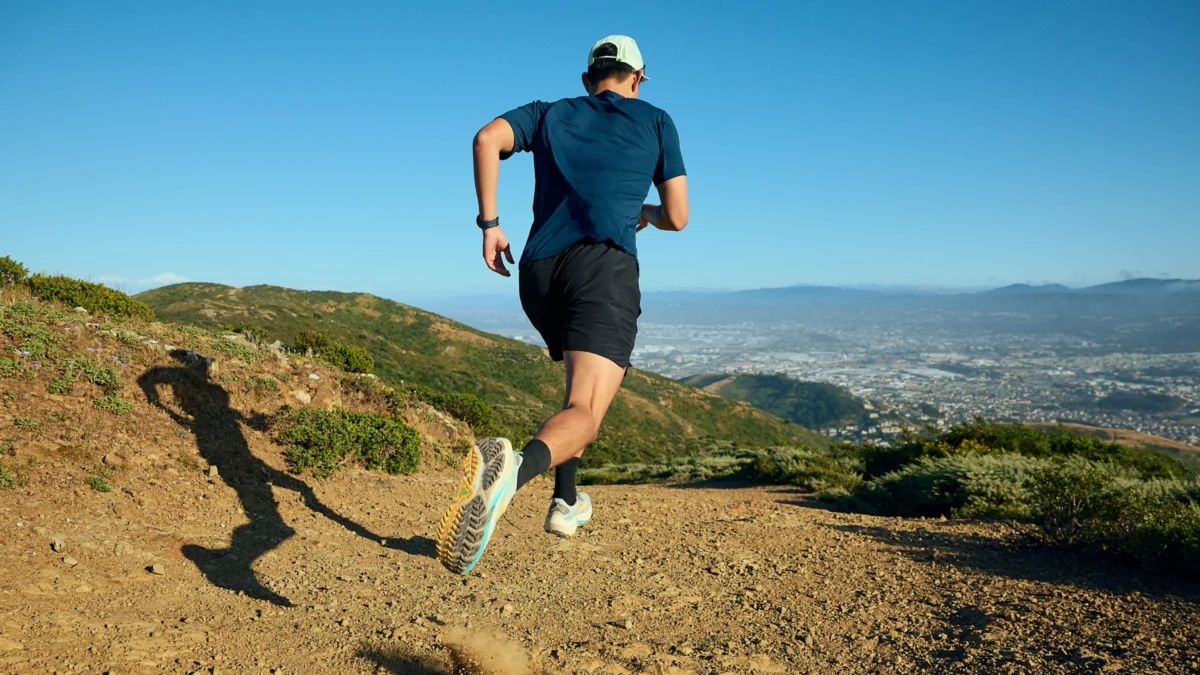
The global running community is currently witnessing a significant shift in participation patterns as athletes increasingly move away from traditional, single-surface training in favor of mixed-terrain adventures. This transition, often referred to as "road-to-trail" running, represents a fusion of urban accessibility and wilderness exploration, reflecting a broader trend in the fitness industry toward versatility and mental well-being. According to industry data from the Outdoor Industry Association, trail running participation has seen a steady increase over the last decade, with millions of runners now seeking routes that combine asphalt, gravel, and singletrack paths within a single workout. This evolution is driven by a desire for variety, a reduction in repetitive stress injuries, and the development of specialized footwear designed to handle diverse surfaces without sacrificing performance.
The paradigm shift is exemplified by the experiences of runners like Abi Cado and Lauren Gastineau, who represent two different entry points into the sport. Cado, based in Encinitas, California, documented a two-year transformation from a self-described "run-hater" to a marathoner through a social media series titled "Running as a girl who doesn’t like running." Her journey highlights the psychological barriers many face when starting the sport and how the discovery of "hidden gems"—unpaved paths tucked away in coastal suburban environments—can foster a sustainable passion for movement. Conversely, Gastineau, a resident of Bend, Oregon, represents the lifelong athlete who integrates mixed terrain as a functional training tool. Raised by a marathoner, Gastineau began running as a child and now utilizes the varied landscape of Central Oregon to prepare for a diverse race calendar that includes both road half-marathons and 50K trail ultramarathons.
The Growth of Hybrid Running: Market and Participation Data
The transition toward mixed-terrain running is not merely anecdotal; it is supported by significant market data and participation trends. Market analysts at Grand View Research have noted that the global trail running shoe market is expected to expand at a compound annual growth rate (CAGR) of nearly 6% through 2030. This growth is largely attributed to the "hybrid" runner—individuals who live in urban or suburban areas but seek the cognitive and physical benefits of natural environments.
Data suggests that runners are increasingly prioritizing "green exercise," a term used by environmental psychologists to describe physical activity in natural settings. Studies published in the journal Environmental Science & Technology indicate that as little as five minutes of exercise in a green space can significantly improve self-esteem and mood. For runners like Cado, the ability to "explore and wander" through coastal lagoons and sandy paths provides a sense of discovery that traditional treadmill or sidewalk running often lacks. This psychological component is a primary driver behind the proliferation of run clubs, such as Cado’s New Chapter Run Club, which emphasize community and exploration over rigid performance metrics.
Biomechanical Benefits of Mixed Terrain
From a physiological perspective, the movement toward mixed terrain offers substantial benefits in terms of injury prevention and functional strength. Traditional road running involves highly repetitive motions on a hard, uniform surface, which can lead to common overuse injuries such as plantar fasciitis, IT band syndrome, and stress fractures. In contrast, running on varied surfaces—including gravel, dirt, and sand—forces the body to engage stabilizing muscles in the ankles, knees, and hips.
Biomechanical studies indicate that the uneven nature of trails requires a shorter, quicker stride and constant micro-adjustments in balance. This improves proprioception—the body’s ability to sense its position in space—and distributes mechanical stress across a wider variety of muscle groups and connective tissues. For athletes like Gastineau, who balances high-speed road racing with technical trail events, this variety is essential for maintaining a high training volume while minimizing the risk of burnout or injury.
Technical Innovations in Footwear: The Hybrid Solution
As the demand for mixed-terrain running has grown, footwear manufacturers have responded by creating a new category of "hybrid" shoes. Historically, runners were forced to choose between highly cushioned road shoes with smooth outsoles and aggressive trail shoes with deep lugs and stiff midsoles. Neither was ideal for a "road-to-trail" route; road shoes lacked grip on loose dirt, while trail shoes felt heavy and clunky on pavement.
The Brooks Ghost Trail represents a specific engineering response to this dilemma. By adapting the chassis of a popular road shoe—the Brooks Ghost—for off-road use, designers have created a tool that maintains the lightweight, responsive feel of a trainer while adding necessary traction. Technical specifications for these hybrid models typically include a lug depth of approximately 2mm to 3mm, which provides enough "bite" for gravel and dirt without creating the instability or discomfort associated with longer 5mm trail lugs on hard asphalt. Gastineau notes that this responsiveness is critical for training in locations like Bend, where a single run might involve miles of pavement followed by technical singletrack through the woods.
Geographic Case Studies: Bend and Encinitas
The practical application of mixed-terrain running is best observed in regional hubs where the environment encourages diverse routes. Bend, Oregon, has long been recognized as a premier destination for endurance athletes. The Deschutes River Trail serves as a primary artery for the local running community, offering a seamless transition from the city’s paved paths to forested trails. This route allows runners to maintain year-round training, as the varied surfaces provide options regardless of seasonal weather changes.
In Southern California, the coastal environment of Encinitas offers a different but equally compelling mixed-terrain experience. The region features a network of rail trails, oceanfront boulevards, and lagoon-side paths. Cado’s preferred routes often involve the Pacific Coast Highway, which provides a paved foundation, leading into the sandy, technical climbs of Annie’s Canyon. This "urban-to-nature" connectivity is a hallmark of the modern running experience, allowing athletes to access wilderness without the need for long commutes to mountain trailheads.
Chronology of the Road-to-Trail Transition
The evolution of a runner’s journey from pavement to mixed terrain typically follows a recognizable chronology:
- The Entry Phase: Runners begin on familiar, predictable surfaces like neighborhood sidewalks or local tracks to build basic cardiovascular fitness.
- The Discovery Phase: As fitness improves, runners seek variety to combat boredom. This often leads to the exploration of local parks or unpaved "rail-to-trail" conversions.
- The Gear Transition: Runners realize the limitations of standard road shoes on loose surfaces, leading to the acquisition of hybrid footwear that allows for greater versatility.
- The Adventure Phase: The runner begins to prioritize the "experience" of the run over specific pace or distance goals, integrating various terrains as a way to explore their environment.
- The Competitive Phase: Athletes like Gastineau leverage their multi-terrain experience to participate in a wider range of events, from urban marathons to mountain ultras.
Implications for the Future of Athletics
The rise of mixed-terrain running has broader implications for the fitness industry and urban planning. As more individuals seek "road-to-trail" experiences, there is increasing pressure on municipal governments to develop and maintain multi-use path systems that connect urban centers with natural preserves. These "green corridors" not only support public health but also contribute to local economies through sports tourism and retail.
Furthermore, the "no rules" philosophy advocated by modern runners like Cado is reshaping how brands market to the next generation of athletes. The emphasis is shifting away from elite performance and toward accessibility, inclusivity, and the joy of movement. By removing the barriers of "required" mileage or elevation gain, the mixed-terrain movement is making running more approachable for a diverse population.
In conclusion, the trend toward mixed-terrain adventures represents a maturation of the running community. It is a movement that values the physical benefits of biomechanical variety and the mental benefits of environmental exploration. Supported by technical innovations in gear and a growing body of data on the advantages of nature-based exercise, the road-to-trail philosophy is poised to remain a dominant force in the global athletic landscape. For runners today, the goal is no longer just to reach a destination, but to appreciate the varying textures of the path taken to get there.



 Chandra Hamzah
 Tatiana Tantri Indah Sari
 Budi Mulyono
