
 Susilo Edi Turonggo
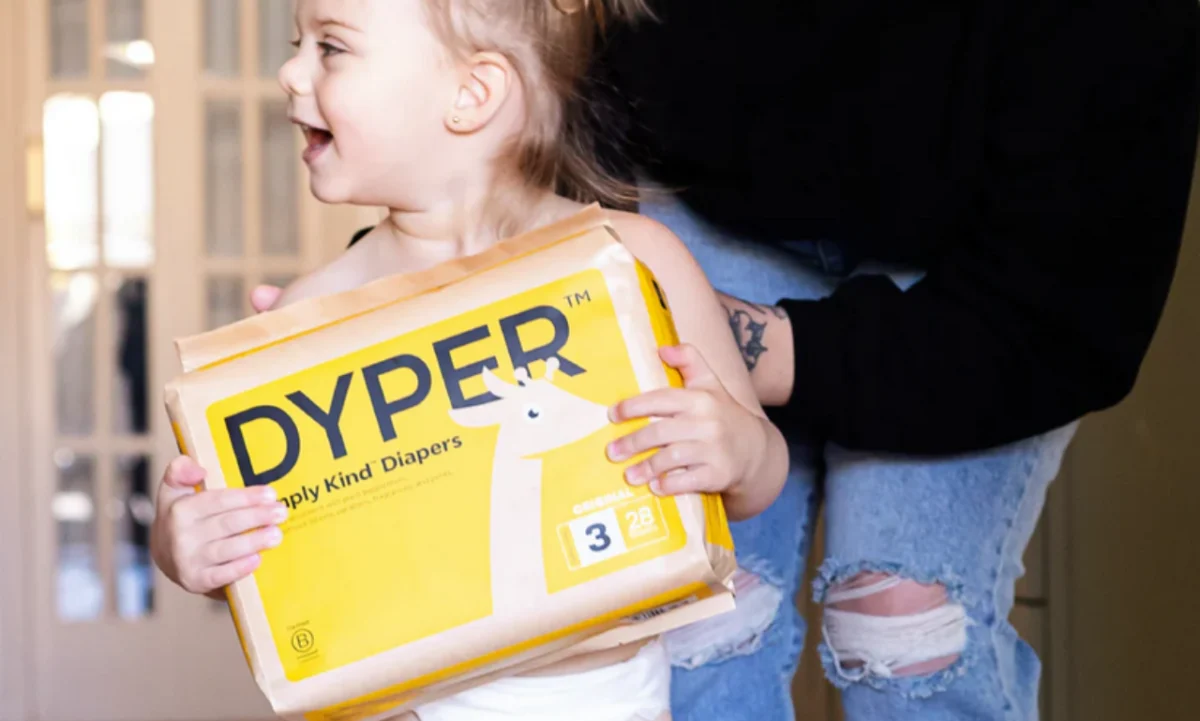
The diapering industry, long dominated by synthetic materials and traditional disposable convenience, is currently undergoing a structural transformation driven by a growing awareness of chemical exposure and waste management challenges. For the average parent, the reality of early childhood development includes a significant logistical burden: the management of approximately 6,000 diapers per child within the first 24 months of life. While cloth diapers have historically been positioned as the primary eco-friendly alternative, their maintenance requirements often prove incompatible with the demands of modern working households. This tension between environmental stewardship and the necessity for convenience has created a market vacuum, now being addressed by innovators prioritizing material transparency, plant-based engineering, and circular disposal models.
The Chemical Landscape of Traditional Diapering
The reliance on conventional disposable diapers carries implications that extend beyond municipal waste management. Research from the Consumer Product Safety Commission (CPSC) highlights a regulatory environment that many advocates argue is insufficient. While the CPSC mandates testing for lead content in children’s products, the disclosure requirements for other chemical constituents in diapers remain remarkably lax. Consequently, many mass-market products contain phthalates, parabens, and synthetic fragrances designed to mask odors—additives that have been linked in various peer-reviewed studies to endocrine disruption and potential long-term reproductive health risks.
The skin-to-product interface is equally critical. Given that infants possess a thinner, more absorbent dermal layer than adults, the presence of chemical irritants can lead to acute contact dermatitis and persistent rashes. The industry standard has largely prioritized rapid absorption via petroleum-derived super-absorbent polymers (SAPs) and plastic-based outer layers. While these materials are undeniably effective at containment, their life cycle is inherently linear: they are manufactured from fossil fuels, used for a few hours, and then sent to landfills where they may take up to 500 years to decompose.
Chronology of an Industry Pivot
The catalyst for the current shift toward sustainable alternatives began with an observation of the domestic waste stream. Founders of companies like DYPER noted that household trash bins were disproportionately filled with soiled plastic diapers, a sight that prompted a re-evaluation of product design. The engineering response was two-fold: first, the development of a biodegradable, high-performance product; and second, the creation of a circular infrastructure to handle the waste.
The development phase for these newer, plant-based products began by sourcing sustainable, renewable raw materials. By pivoting toward Forest Stewardship Council (FSC)-certified bamboo and eucalyptus fibers, manufacturers sought to maintain the structural integrity and absorbency of traditional diapers while eliminating the plastic footprint. This transition required extensive third-party laboratory testing to meet international safety standards, such as the Oeko-Tex certification, which screens for thousands of harmful substances. The introduction of the DermaTest 5-Star certification further provided a data-backed guarantee that these materials would not trigger adverse skin reactions, effectively addressing the primary concern of health-conscious parents.

Supporting Data and Environmental Impact
The environmental implications of the status quo are stark. In the United States alone, billions of disposable diapers are discarded annually, contributing significantly to methane emissions in landfills. The introduction of the REDYPER program and similar initiatives represents a departure from the "use-and-toss" model. By partnering with industrial composting facilities, these programs have managed to divert over 14 million pounds of waste from landfills to date.
The efficacy of these programs relies on the material composition of the diapers. Modern sustainable diapers are now engineered with over 50% plant-based components, achieving a balance between biodegradability and high-performance absorption. The composting process, when conducted at an industrial scale, breaks down these natural fibers within 14 to 16 weeks, leaving behind soil-enriching organic matter rather than microplastics.
Industry Standards and Regulatory Evolution
The push for sustainability is increasingly supported by certifications that provide objective benchmarks for consumers. The USDA BioPreferred program, which verifies the percentage of bio-based content in a product, has become a key metric for parents. By achieving a 55% BioPreferred rating for diapers and 95% for wipes, companies are signaling a commitment to transparency that was previously absent from the sector.
However, the industry faces persistent challenges. Certain components, such as the elasticized leg cuffs and adhesive velcro closures, have yet to reach a level of technological maturity where they can be made fully biodegradable without sacrificing fit or containment performance. Manufacturers acknowledge these limitations, often positioning their products as a "work in progress" toward a fully circular lifecycle. This admission is seen by industry analysts as a sign of maturity, replacing the exaggerated marketing claims of the past with a focus on incremental, verifiable improvement.
The Role of Subscription and Service Models
Beyond the product itself, the business model of diapering has evolved. The subscription-based model allows for consistent supply chain management, reducing the carbon footprint associated with frequent retail store trips. Furthermore, the integration of professional composting pickup services in select regions addresses the "last mile" problem of waste disposal.
The logistical challenge of these services is significant; they require partnerships with regional waste management entities that possess the capacity for high-heat industrial composting. As these facilities become more widespread, the feasibility of circular diapering for urban and suburban populations is expected to increase. The economic analysis suggests that while the upfront cost of sustainable diapers is higher than low-end synthetic brands, the value proposition—which includes health, environmental safety, and reduced waste—is increasingly resonating with a demographic that views parenting through the lens of long-term wellness and planetary responsibility.
Broader Implications for Sustainable Manufacturing
The transition toward plants-over-plastic in the diaper industry is indicative of a broader trend in consumer packaged goods (CPG). As regulatory pressure regarding microplastics and "forever chemicals" (PFAS) intensifies, companies that have already invested in clean, transparent supply chains are better positioned for future compliance.
Moreover, the success of these companies demonstrates that high-performance products do not necessarily require petroleum-based polymers. By leveraging advancements in textile engineering—specifically the use of viscose bamboo and advanced filtration fibers—manufacturers are proving that natural materials can be engineered to handle the rigorous demands of infant care.
Conclusion
The evolution of the diaper industry from a significant contributor to landfill waste to a leader in sustainable innovation reflects a profound change in consumer priorities. By prioritizing chemical transparency, third-party certification, and circular disposal, the sector is setting a new benchmark for what it means to be a "high-performance" baby product.
As the technology continues to iterate—moving closer to 100% biodegradability—the burden on parents to choose between their child’s immediate health and the health of the planet is diminishing. The integration of engineering, responsible sourcing, and accessible service models offers a blueprint for other industries facing similar environmental challenges. Ultimately, the shift toward sustainable diapering is not merely a trend; it is a necessary evolution in how society manages the intersection of essential human needs and ecological sustainability. As data continues to mount regarding the success of waste diversion programs and the safety profile of plant-based materials, the industry is likely to see further adoption of these practices, solidifying a future where the waste generated by the next generation is significantly less than that of the last.




 Gabriela Annisa

 Lukman Taruna Persada Ramadan

 Tatiana Tantri Indah Sari

 Anjar Salim


 Dwi Wanna
