
 Chandra Hamzah
A recent incident aboard a Carnival cruise ship sailing through the South Pacific has brought a long-standing debate about appropriate dress codes and swimwear for Australian travellers back into the spotlight. The controversy centres on the perceived lack of adherence to local customs by some passengers, particularly concerning modest attire when visiting destinations like Lifou in New Caledonia. This has sparked discussions among cruise lines, passengers, and local communities about cultural sensitivity and the potential impact on tourism.
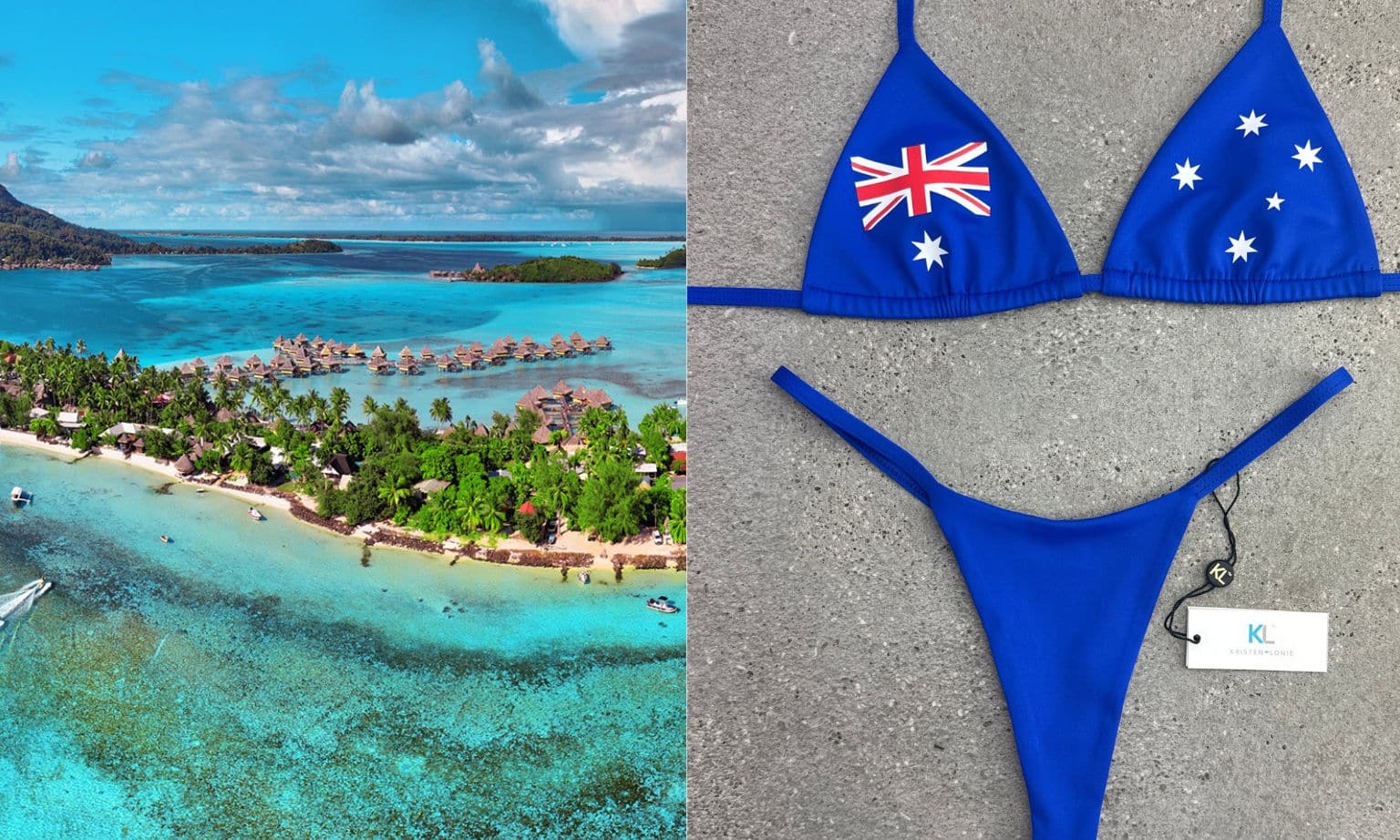
The catalyst for the renewed debate was a notice distributed by Carnival Cruise Line to guests on a recent voyage. The advisory specifically addressed passengers preparing to visit Lifou, a popular port of call in New Caledonia. The note emphatically outlined expectations for respectful dress, stating, "To observe the local customs of the island, a respectful dress code is essential. Swimwear should only be worn at the beach or by a pool and should be very modest in nature. G-strings, thongs, monokinis or mankinis should not be worn (even on the beach) and topless sunbathing is also not permitted at any time." Furthermore, the directive stressed the necessity of covering up when exploring the island’s interior. "When exploring the island and its local sites, including churches and market places, casual clothing (such as shorts and a shirt or cover-up) must be worn at all times," the notice read.
While such notices are a common practice for cruise lines operating in culturally sensitive regions, the issue arises when passengers either disregard these guidelines or lack a comprehensive understanding of their significance. This disconnect can lead to cultural misunderstandings and potential offense to local populations, whose traditions and religious beliefs often place a high value on modesty.
Understanding the Cultural Nuances of Modesty
The cultural landscape of the South Pacific is deeply influenced by a blend of indigenous traditions and religious practices, many of which advocate for conservative dress. What might be considered acceptable or commonplace swimwear and casual attire in Australia can be viewed as inappropriate or even offensive in these island nations. The expectation for modest dress extends beyond the immediate vicinity of beaches and pools, encompassing all public spaces, including villages, markets, and religious sites.
For instance, common Australian beachwear, such as string bikinis or brief-style swimwear, may be perceived as overly revealing by local standards. Similarly, the casual Australian habit of popping into a shop without a shirt, or wearing swimwear in parks and other public areas, is not a widely accepted practice in many South Pacific communities. Such attire, when worn away from designated swimming areas, can be interpreted as disrespectful and a failure to acknowledge local customs.
Passenger Accounts Highlight a Persistent Problem
Following a recent cruise to the Pacific aboard the Carnival Splendor, numerous passengers contacted Cruise Passenger to express their concerns. These accounts consistently reported that, despite the pre-voyage advisories, a significant number of passengers continued to wear revealing swimwear and inappropriate clothing while ashore. This behaviour has led to apprehension among conscientious travellers, who fear that a lack of cultural respect could jeopardize future port access for cruise ships.
One reader shared their dismay, stating, "They did not cover up. It was rude and disrespectful and Carnival should not have allowed them off the ship dressed like that. It will ruin it for everyone if people don’t respect the culture." The sentiment was echoed by another passenger who witnessed crew members, specifically dancers on the ship, seemingly disregarding the dress code themselves. "We went to Mystery Island and everyone was asked to dress accordingly but the dance crew got off and went for a swim with very little on. I think the cruise line should be enforcing it with their own staff too," the passenger observed.
This situation has ignited a debate about the root cause of the non-compliance. Is it a deliberate disregard for the rules by some passengers, or is there a failure in the cruise line’s communication and enforcement strategies?
Carnival’s Communication Strategy Under Scrutiny
While Carnival does provide written notices to guests regarding dress codes, some passengers argue that these communications are not prioritized or disseminated effectively enough compared to other onboard policies. A Carnival cruiser suggested that the cruise line should adopt a more proactive approach. "It’s disrespectful, we might lose Lifou and Mystery as ports. Carnival should be have people on the island sending them back to the boat, and announce it over the speakers to deter it, instead of telling us 500 times that you can’t take food for the boat."
This perspective suggests that the warnings about cultural dress are not given the same weight as other, perhaps less culturally sensitive, regulations. The implication is that a stronger, more visible enforcement strategy, including onboard announcements and potentially even personnel at the gangway to monitor attire, might be necessary.
Another common point raised by passengers is the timing of the dress code information. Many believe that such guidance should be provided well in advance of the cruise, ideally during the booking process or in pre-travel documentation. This would allow passengers to pack appropriate clothing and understand the expectations before they even board the ship. "We were given a letter with the rules but I would bet that the young woman wearing the g-strings wouldn’t have bought any other swimmers. They need to tell people prior to sailing. I know my Daughter only owns g-strings and would have needed to buy a pair of swimmers just for the trip," one passenger noted. This highlights a practical consideration for travellers who may not be aware of the specific requirements and could be inadvertently unprepared.
Broader Implications for South Pacific Tourism
The consistent reports of passengers failing to adhere to dress codes in the South Pacific carry significant implications for the region’s tourism industry. For many island nations, tourism is a vital economic driver, and cruise ship arrivals represent a substantial portion of this revenue. However, cultural integrity and the preservation of local traditions are also paramount.
If a pattern of disrespectful behaviour by tourists continues, it could lead to increased friction between visitors and local communities. In the most extreme cases, destinations might reconsider their relationship with cruise lines, potentially leading to the cancellation of port calls. Such a scenario would have a detrimental economic impact on the islands and could damage the reputation of cruise lines operating in the region.
The historical context of tourism in the South Pacific reveals a delicate balance that needs to be maintained. While economic benefits are crucial, so too is the respect for local customs and the well-being of indigenous populations. Cruise lines, therefore, face the challenge of facilitating enjoyable travel experiences for their passengers while simultaneously acting as responsible stewards of cultural preservation.
Industry Responses and Future Considerations
While direct official statements from Carnival Cruise Line regarding this specific incident are not detailed in the provided text, their issuance of pre-arrival advisories indicates an awareness of the issue. Industry-wide, cruise lines are increasingly implementing a multi-faceted approach to address cultural sensitivity. This often includes:
- Enhanced Pre-Travel Communication: Providing detailed destination guides and cultural etiquette briefings as part of pre-cruise information packages. This can include visual aids and explicit examples of appropriate attire.
- Onboard Briefings: Incorporating information about local customs and dress codes into onboard orientation sessions, often presented through in-cabin televisions or announcements.
- Partnerships with Local Authorities: Collaborating with port authorities and local tourism bodies to ensure clear and consistent messaging regarding expectations for visitors.
- Visible Signage: Placing clear signage in ports and on the ship that reminds passengers of dress code requirements for shore excursions.
- Crew Training: Ensuring that all crew members, especially those interacting with guests and involved in shore excursions, are well-informed about and adhere to local customs. Some cruise lines also empower their staff to politely remind passengers of dress code requirements.
- Potential for Enforcement: While direct intervention can be complex, cruise lines may, in consultation with local authorities, reserve the right to deny disembarkation to passengers whose attire is deemed excessively inappropriate and likely to cause offense.
The debate surrounding dress codes in the South Pacific is not merely about clothing; it is a reflection of the broader challenges and responsibilities inherent in global tourism. As traveller numbers continue to grow, fostering a deeper understanding and respect for diverse cultures becomes increasingly critical. For Australian travellers, in particular, bridging the cultural gap requires a conscious effort to adapt behaviour and embrace the nuances of the destinations they visit, ensuring that their presence contributes positively to the communities they encounter. The ongoing dialogue underscores the need for continued education, clear communication, and a shared commitment to respectful travel.




 Anjar Salim
 Tatiana Tantri Indah Sari
 Budi Mulyono
 Lukman Taruna Persada Ramadan
