
 Diana Nuri Rohmawati
Madrid, the political and cultural heart of the Iberian Peninsula, continues to solidify its position as a premier global destination, hosting approximately 10 million international and domestic visitors annually. As the largest city in Spain and its administrative capital, Madrid is home to 3.3 million residents, with a metropolitan population exceeding 6.7 million. This sprawling urban center is characterized by a unique synthesis of historical preservation and modern energetic nightlife, a combination that has historically placed it in competition with coastal rivals like Barcelona. However, recent data suggests a shift in traveler preference toward the capital’s concentrated "Landscape of Light," a UNESCO World Heritage site designated in 2021 that has fundamentally altered the city’s tourism strategy.
To understand the operational and cultural mechanics of the city, urban analysts often point to the "Madrileño" lifestyle—a late-starting, nocturnal rhythm that prioritizes social dining and slow-paced exploration. For travelers seeking to navigate this complex metropolis, a five-day strategic itinerary has emerged as the standard for capturing both the high-traffic landmarks and the sequestered historical sites that define the city’s identity.
The Foundation of the Paisaje de la Luz: An Artistic Chronology
The first phase of a comprehensive Madrid exploration centers on the Paseo del Prado, an area that represents the first instance in European history where urban planning integrated nature and science for the benefit of the citizenry. This zone, now recognized by UNESCO, contains over 40 monuments and 40 historic buildings.
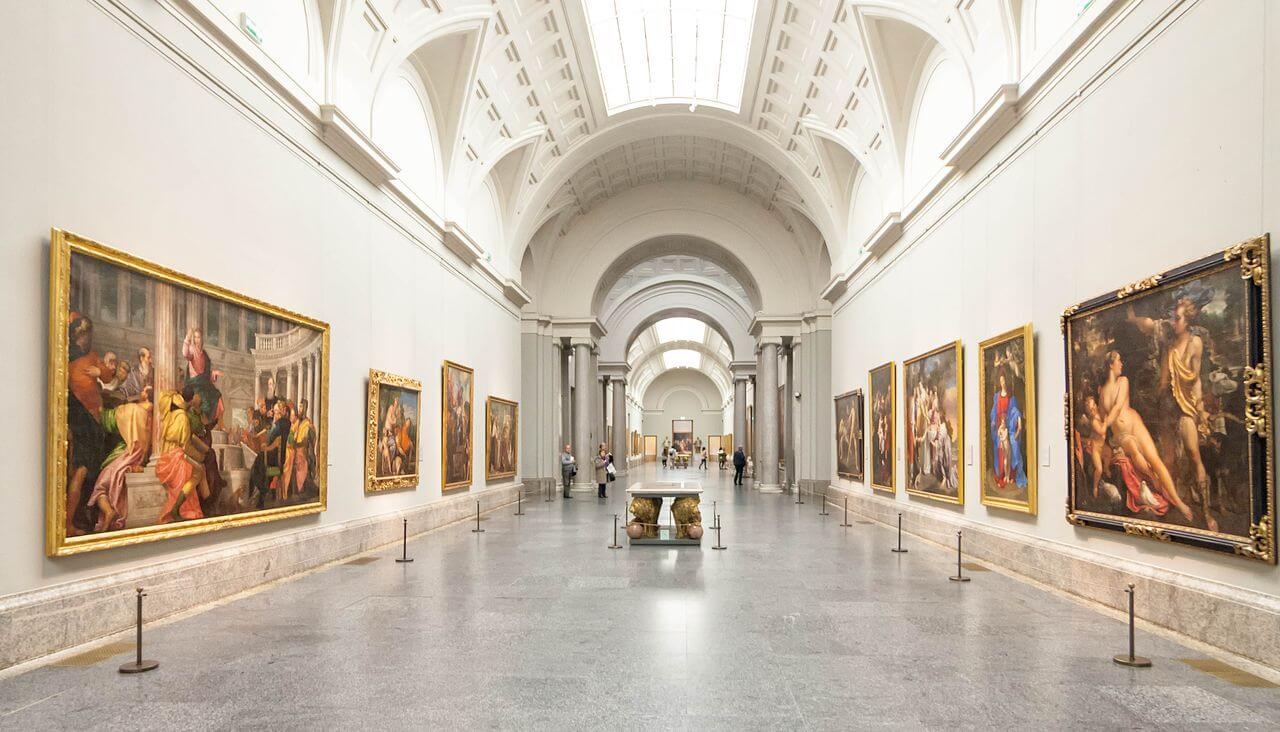
The Prado Museum serves as the anchor for this district. Established in 1819, it houses one of the world’s finest collections of European art, dating from the 12th century to the early 20th century. Analysts note that the museum is essential for understanding the Spanish Golden Age, featuring definitive works by Diego Velázquez, Francisco Goya, and El Greco. The museum’s scale requires a multi-hour commitment, reflecting its status as one of the largest art repositories globally.
Within a ten-minute radius, the Thyssen-Bornemisza Museum and the Reina Sofía National Art Center complete the "Golden Triangle of Art." While the Thyssen-Bornemisza offers a private collection spanning the Renaissance to Pop Art, the Reina Sofía focuses on the 20th century. The latter’s primary significance lies in its possession of Pablo Picasso’s Guernica. Painted in 1937, this oil-on-canvas work is internationally regarded as a monumental anti-war statement, depicting the bombing of the Basque town of Guernica by Nazi German and Fascist Italian warplanes during the Spanish Civil War.
The first day’s itinerary concludes with the "House Museums," such as the Sorolla Museum. This institution, the former residence of Joaquín Sorolla, known as the "painter of light," is currently undergoing a significant architectural renovation and is scheduled to reopen in 2026. These smaller venues, including the Museum of Romanticism and the Lázaro Galdiano Museum, provide a more intimate look at the private collections of the Spanish elite, housed in neo-Renaissance mansions.
The Habsburg Legacy and the Political Center
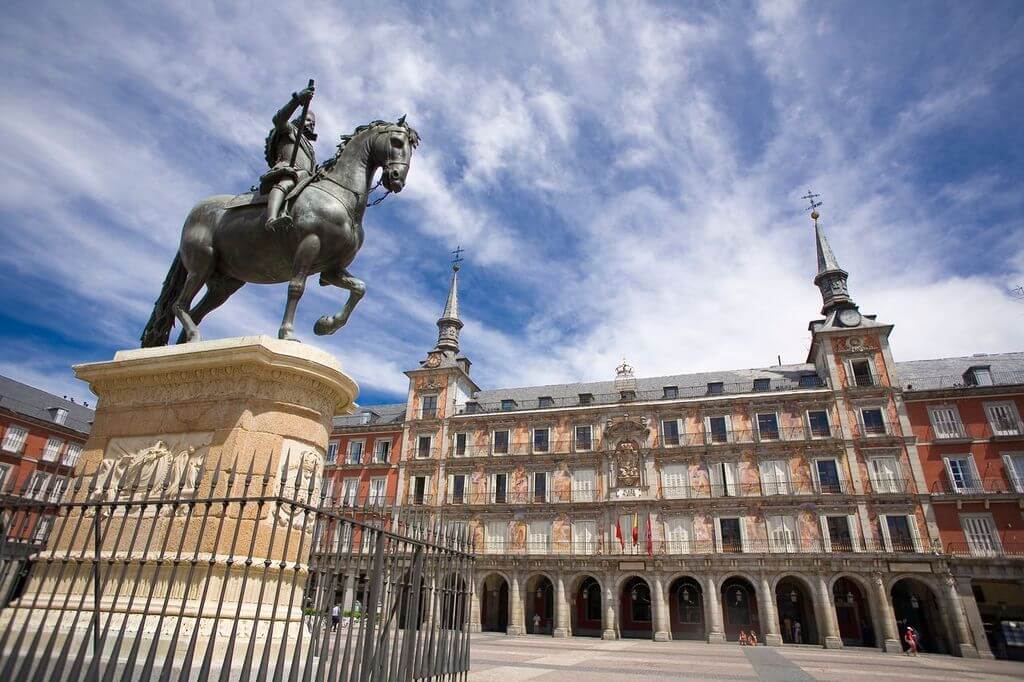
Day two focuses on the "Madrid de los Austrias," or Habsburg Madrid, which reflects the city’s expansion during the 16th and 17th centuries under the Habsburg dynasty. The geographic and symbolic center of this district—and the country—is the Puerta del Sol. This square contains "Kilometer Zero," the official starting point for Spain’s six national radial roads. Nearby, the statue of the Bear and the Strawberry Tree (El Oso y el Madroño) serves as a heraldic symbol of the city, representing the union of the municipality and the Church.
The Plaza Mayor, characterized by its porticoed buildings and the Casa de la Panadería, serves as a historical theater for the city’s most significant events, including bullfights, royal coronations, and Spanish Inquisition trials. Today, it functions as a central hub for commerce and public gatherings.
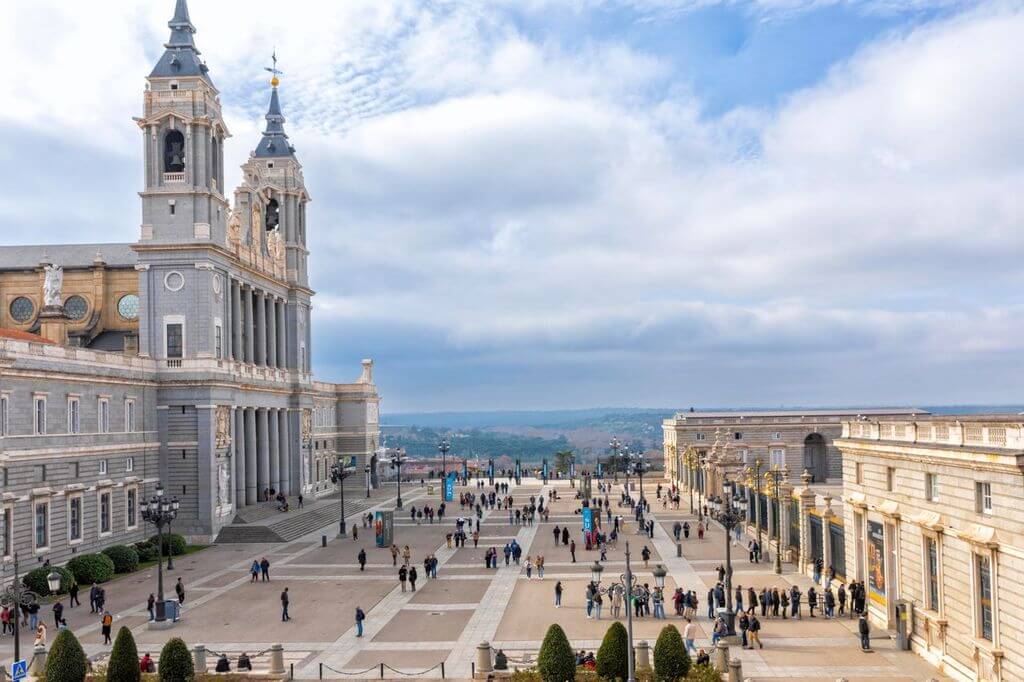
The administrative grandeur of the city is best represented by the Royal Palace of Madrid. As the largest royal palace in Western Europe by floor area (135,000 square meters), it contains 3,418 rooms. While it remains the official residence of the Spanish Royal Family, it is now used exclusively for state ceremonies. Architecturally, the palace stands on the site of the 9th-century Muslim fortress (Alcázar), reflecting the city’s layered Islamic and Christian history. The adjacent Almudena Cathedral, though Neo-Classical in its exterior to match the palace, features a Neo-Romanesque crypt and was only completed in 1993, highlighting the city’s ongoing architectural evolution.
Gastronomic Infrastructure and Modern Culinary Trends
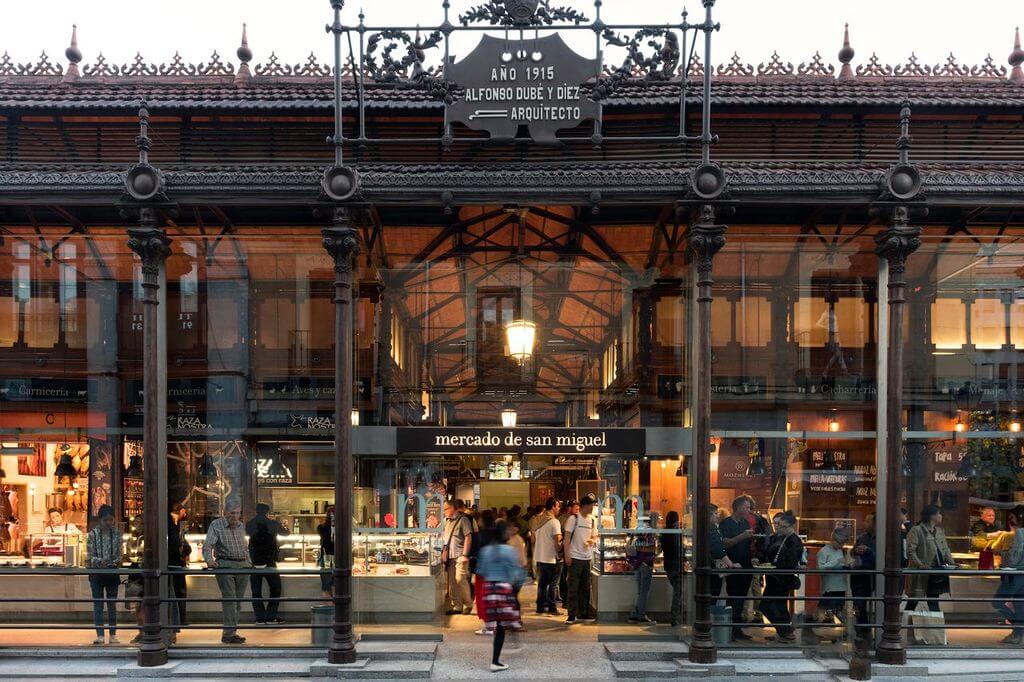
The third day of the city’s exploration is dedicated to its culinary economy, which has become a significant driver of tourism revenue. Madrid’s market system has transitioned from traditional produce hubs to "gastronomic markets." The Mercado de San Miguel, a 1916 iron-and-glass structure, is the most prominent example, attracting millions of visitors with high-end tapas. Conversely, the Mercado de San Antón in Chueca and the Mercado de Vallehermoso offer a more localized perspective on regional Spanish flavors.
Data from the Spanish Ministry of Industry and Tourism indicates that culinary tourism is a primary motivator for one in five international visitors. Madrid’s "Sobrino de Botín," recognized by Guinness World Records as the oldest continuously operating restaurant in the world (established 1725), remains a cornerstone of this sector.
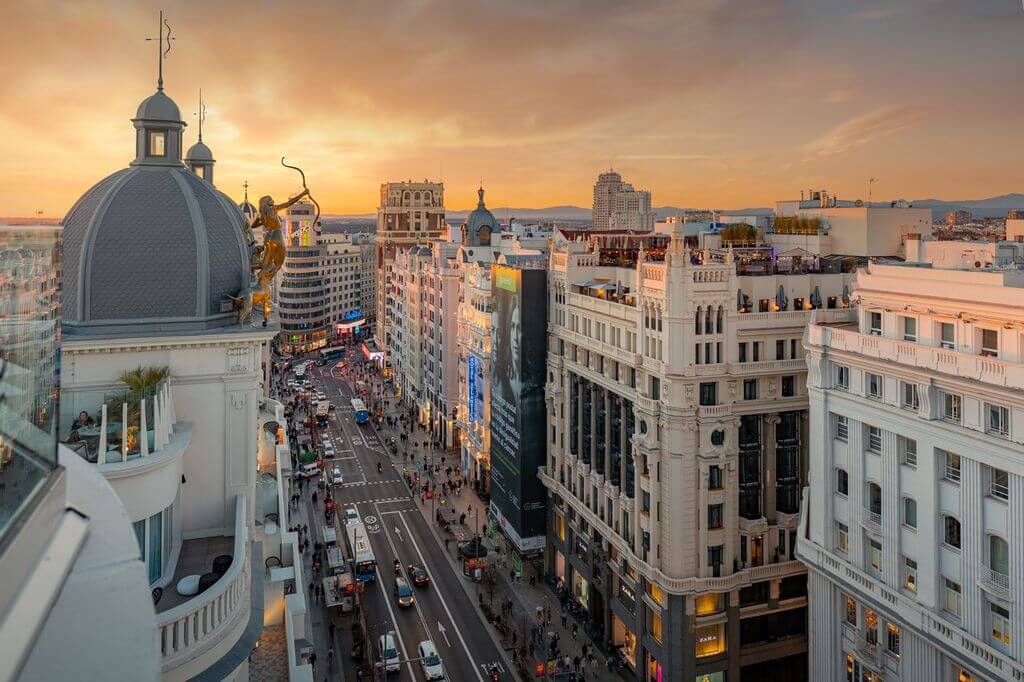
Furthermore, Madrid has seen a surge in plant-based dining. Neighborhoods like Malasaña have evolved into hubs for vegetarian and vegan cuisine, reflecting a broader European shift toward sustainable and ethical dining. The evening economy is supported by the Gran Vía, the city’s primary commercial artery, which features a "rooftop culture" of bars and restaurants that provide 360-degree views of the skyline, integrating the city’s historic architecture with modern luxury services.
Regional Connectivity and UNESCO Heritage Sites
On the fourth day, the focus shifts to the peripheral UNESCO World Heritage sites, highlighting Madrid’s role as a regional transport hub. The Spanish "Golden Age" is preserved in several locations within an hour’s radius of the city center.
- San Lorenzo de El Escorial: Commissioned by Philip II in the 16th century, this massive complex serves as a monastery, palace, and royal pantheon. Its austere granite architecture marked a departure from the ornate styles of the time, symbolizing the power and piety of the Spanish Empire.
- Aranjuez: Located south of the city, the Royal Palace and Gardens of Aranjuez represent the "Cultural Landscape" designation. Originally a hunting lodge, it became the spring residence of the monarchy, featuring French-style gardens that rival Versailles.
- Alcalá de Henares: As the birthplace of Miguel de Cervantes, author of Don Quixote, this university city provides a preserved look at the 16th-century educational and literary environment of Spain.
These sites are integrated into the city’s tourism infrastructure via the "Cercanías" commuter rail and high-speed "AVE" lines, demonstrating the efficiency of the regional transit network.
Off-the-Beaten-Path: Religious History and Urban Green Space
The final day of the itinerary explores the city’s "hidden" history and its commitment to public green space. The Monastery of Las Descalzas Reales and the Royal Monastery of La Encarnación offer a glimpse into the life of the Spanish nobility. Las Descalzas Reales, founded in 1559, became a refuge for aristocratic women who brought dowries of world-class art, effectively turning the convent into a gallery of Renaissance and Baroque masterpieces. La Encarnación, founded in 1611, remains an active convent and houses significant religious relics, including the blood of Saint Januarius.
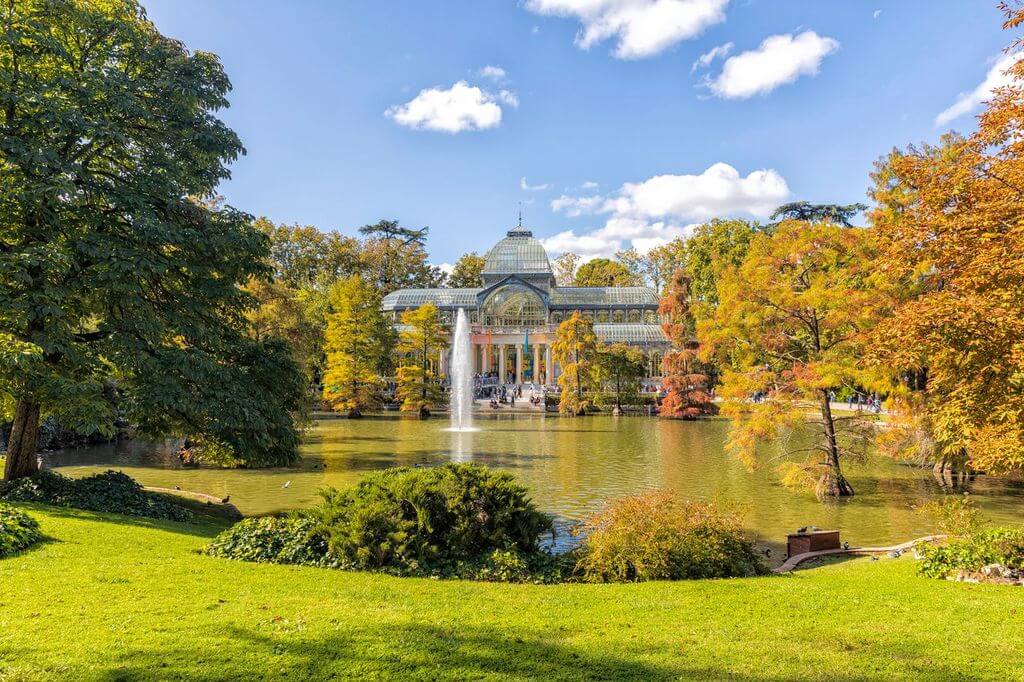
The conclusion of the five-day cycle occurs at the Casa de Campo. Spanning 1,700 hectares (approximately 6.5 square miles), it is the largest public park in Madrid—five times the size of New York’s Central Park. Originally a royal hunting estate, it was opened to the public in 1931. The park features an artificial lake, a zoo, and a cable car (Teleférico) that connects to the Parque del Oeste, offering panoramic views that include the Royal Palace and the Almudena Cathedral.
Broader Impact and Economic Implications
The strategic promotion of this five-day model reflects a broader effort by the Madrid City Council (Ayuntamiento de Madrid) to encourage "slow tourism." By diversifying the visitor experience beyond the central squares, the city aims to mitigate the effects of "overtourism" that have plagued other European capitals.
Economic reports suggest that the tourism sector accounts for approximately 7% of the Community of Madrid’s GDP. The 2021 UNESCO designation has further bolstered property values and investment in the "Landscape of Light" district. Moreover, the city’s logistical framework—including a robust metro system and an international airport (Adolfo Suárez Madrid–Barajas) that serves as the primary gateway between Europe and Latin America—ensures that Madrid remains a resilient node in the global travel network.
In conclusion, Madrid’s appeal lies in its ability to balance its historical status as the seat of the Spanish Empire with its modern identity as a vibrant, culinary, and artistic capital. The five-day itinerary outlined above serves as a comprehensive framework for understanding the city’s multifaceted contribution to global culture and history. As the city continues to renovate and expand its cultural offerings, its trajectory as a top-tier destination appears secure, driven by a combination of heritage, infrastructure, and a unique lifestyle that continues to captivate the international community.




 Anjar Salim
 Chandra Hamzah
 Tatiana Tantri Indah Sari
 Budi Mulyono
 Lukman Taruna Persada Ramadan
