Hendra Ismail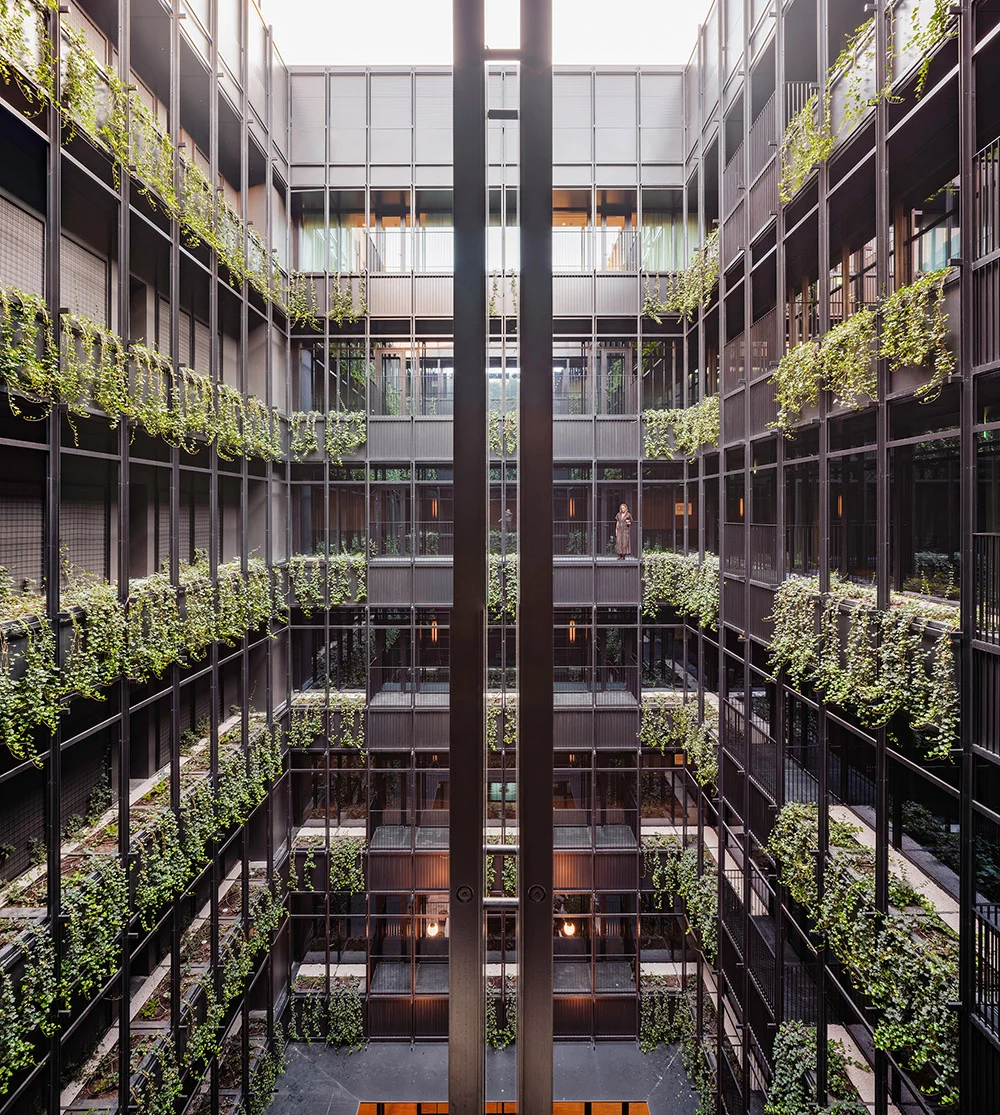
The scars of history, meticulously preserved and thoughtfully reimagined, tell the story of The Telegraph Hotel, a monumental 1970s Brutalist structure that once served as the beating heart of Tbilisi’s postal and telegraphic communications. Designed by acclaimed architects Lado Alexi-Meskhishvili and Teimuraz Mikashavidze, this imposing edifice, a recipient of the prestigious National State Award in 1983, stands as a testament to Soviet-era architectural ambition, its monolithic presence grounding and watching over the city’s undulating landscape. After decades of dormancy, this landmark has been resurrected by Shanghai-based Neri&Hu Design and Research Office, under the vision of Silk Road Group founder George Ramishvili, transforming it into a luxurious hotel that honors, rather than erases, its storied past.
From Post Office to Palace: The Genesis of a Landmark
The history of The Telegraph Hotel is inextricably linked to Tbilisi’s urban development and its role as a vital hub for communication during the Soviet era. Commissioned and constructed during a period characterized by grand architectural statements, the building was conceived as a functional yet imposing symbol of national connectivity. Its Brutalist style, with its emphasis on raw concrete, geometric forms, and a stark aesthetic, was a deliberate choice that spoke to the era’s prevailing architectural philosophies, prioritizing strength, utility, and a sense of permanence. The building’s original architects, Alexi-Meskhishvili and Mikashavidze, were renowned for their contributions to Georgian architecture, and the Telegraph Hotel was undoubtedly one of their most significant undertakings. Its recognition with the National State Award in 1983 underscored its importance not only as an architectural achievement but also as a key piece of national infrastructure.
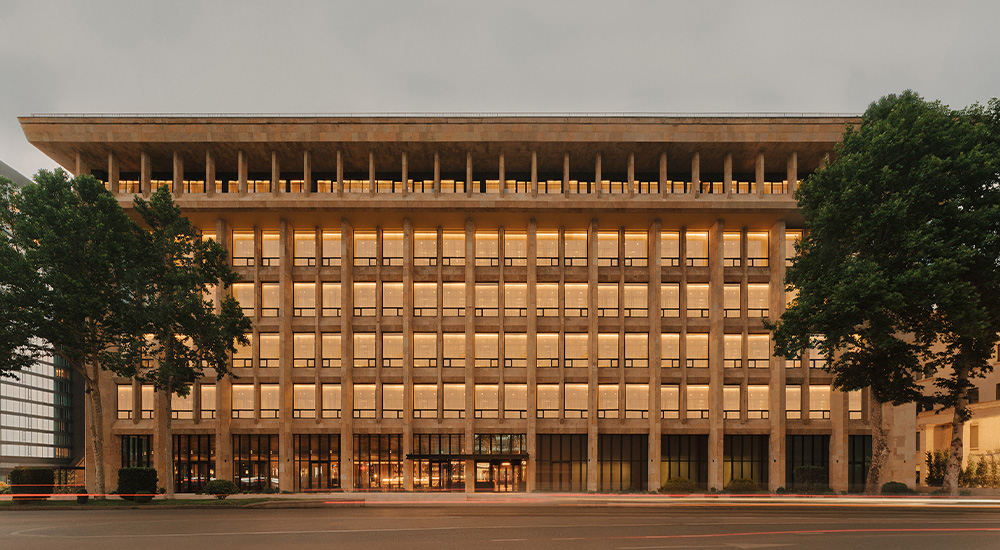
However, with the dissolution of the Soviet Union and the advent of new communication technologies, the building’s original purpose waned. It fell into a state of disuse, a silent giant bearing witness to the changing times. For years, it stood empty, its grand halls echoing with memories of bustling activity and its concrete facade accumulating the patina of neglect. The potential for its revival, however, was always palpable, given its prominent location and its sheer architectural presence.
The Neri&Hu Transformation: A Dialogue with History
The pivotal moment in the building’s modern narrative arrived when George Ramishvili, the visionary founder of Silk Road Group, recognized its untapped potential. He envisioned not just a hotel, but a destination that would encapsulate the spirit of Tbilisi, past and present. To achieve this ambitious goal, he enlisted the expertise of Neri&Hu Design and Research Office, a globally acclaimed firm known for its ability to weave rich narratives into architectural and interior design. Their mandate was clear: to breathe new life into the Brutalist structure without compromising its historical integrity.
Lyndon Neri, co-founder of Neri&Hu, articulated the profound impact of the building’s core upon their initial site visit: "The moment of greatest surprise came when we first saw the inner courtyard. While we had studied the plans, the powerful spatial experience of that void—its scale, its light, and its potential as a new urban heart for the hotel—was something that could only be felt in person. It was a profound reminder that architecture is ultimately an experiential art, and that the genius of an existing building can reveal itself in unexpected ways during the process of transformation." This central courtyard, a vast, open space, became the conceptual anchor for the hotel’s transformation.
The design team meticulously preserved the building’s "Brutalist bones" and its legacy as a community gathering space, integrating these elements into the fabric of 239 guestrooms and public areas. The hotel now boasts an impressive array of nine distinct Food & Beverage concepts, ranging from the sophisticated Tatuza Jazz Club to the stylish Bell & Gray café, and the vintage-meets-modern Grill. These culinary and social hubs all converge around the central courtyard, transforming it into the hotel’s vibrant nucleus.
Reinterpreting Urbanism: Courtyard as Civic Heart
The design philosophy embraced by Neri&Hu was deeply rooted in the concept of "urban porosity," a term coined by sociologist Richard Sennett, which advocates for blurring the lines between public and private spaces to encourage social interaction. This ethos is most vividly expressed in the reimagining of the building’s interior courtyard. Recognizing the Soviet past’s palpable presence within this space, the architects deliberately carved out a series of corridors that deliberately evoke the labyrinthine charm of Tbilisi’s narrow alleyways. These passages, rather than simply connecting rooms, serve as portals, guiding guests through the hotel and opening onto the courtyard, effectively reinterpreting it as a contemporary urban square.
"Looking skyward, communal balconies on each floor mirror those found in traditional Georgian residential complexes," Lyndon Neri explained. This architectural element actively fosters "urban porosity," deliberately blurring the boundaries between public and private to encourage spontaneous social engagement. The starkness of the original angular architecture and raw materials is softened by the generous integration of lush greenery cascading from each balcony, introducing a dynamic, organic element that injects a subtle sense of movement and life into the imposing concrete structure.

A Palimpsest of Memory: Engaging with the Past
The interior of The Telegraph Hotel is a masterclass in architectural preservation and sensitive intervention. Original exposed concrete columns and beams remain a prominent feature in corridors and public spaces, serving as tangible reminders of the building’s former life. Rossana Hu, co-founder of Neri&Hu, emphasized this commitment: "We believe a meaningful urban future cannot be built by erasing the past, but rather by engaging with it directly. The building’s ‘cracks of time’—its fragments, voids, and scars—form a living palimpsest of collective memory and contested history. Exposing them was an act of surgical precision and poetic grace."
New architectural insertions are intentionally detached from the existing curtain wall, a design decision that Hu noted "respects the original structure’s integrity while introducing a new layer of experience." This deliberate "gap" creates a visual and conceptual threshold between past and present, allowing guests to "move through and between histories, rather than simply occupying a renovated shell." These contemporary interventions, while sleek and modern in their execution, engage in a sophisticated dialogue with the original elements. They are introduced through the thoughtful application of materials such as travertine slabs, warm walnut woods, handcrafted ceramic tiles, and refined powder-coated metal sheets, creating a harmonious blend of old and new.
Punctuations of Softness and Intimacy
The design narrative of The Telegraph Hotel masterfully balances the raw materiality of its Brutalist origins with moments of unexpected softness and refined elegance. Punctuations of color are strategically employed throughout the hotel, offering visual relief and creating distinct atmospheres. In the reception lounge, for instance, sage-colored banquettes provide a calming counterpoint to the robust concrete structures. Similar hues reappear in the tiles of the Italian restaurant, Philosophico, adding subtle bursts of vibrancy.
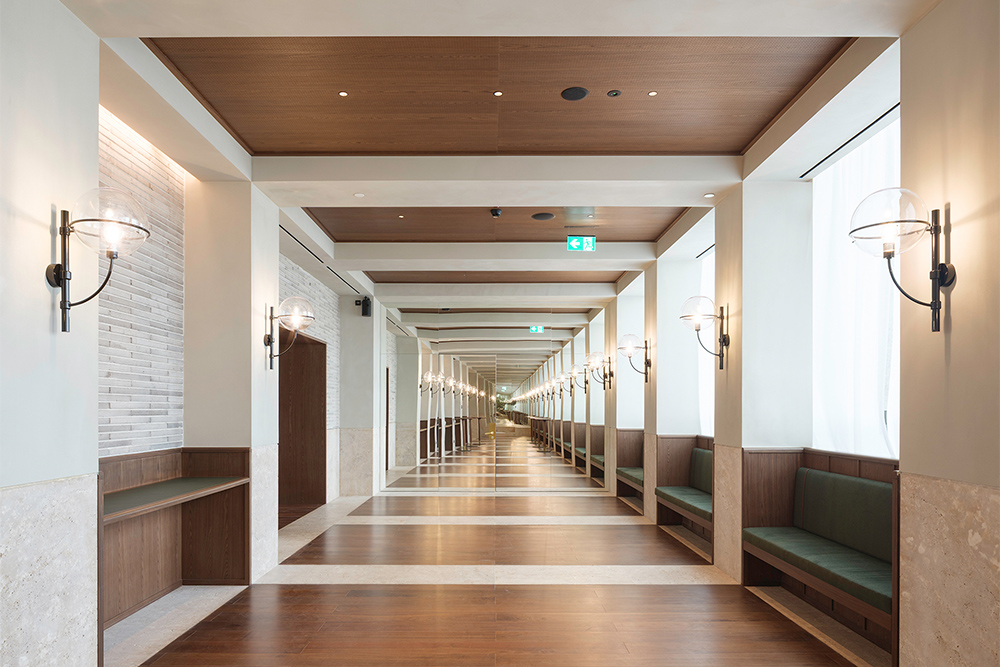
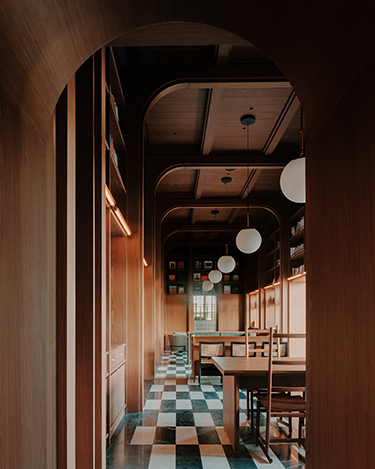
More intimate spaces, such as the Wine Library, offer a sanctuary of warmth and contemplation. Here, dark walnut arches frame cozy seating arrangements, and built-in shelving houses a curated collection of books, inviting guests to pause, relax, and immerse themselves in the tranquil ambiance. This thoughtful layering of materials and colors ensures that the hotel caters to a range of experiences, from vibrant social gatherings to quiet moments of personal reflection.
Modern Comforts in Railway-Inspired Sanctuaries
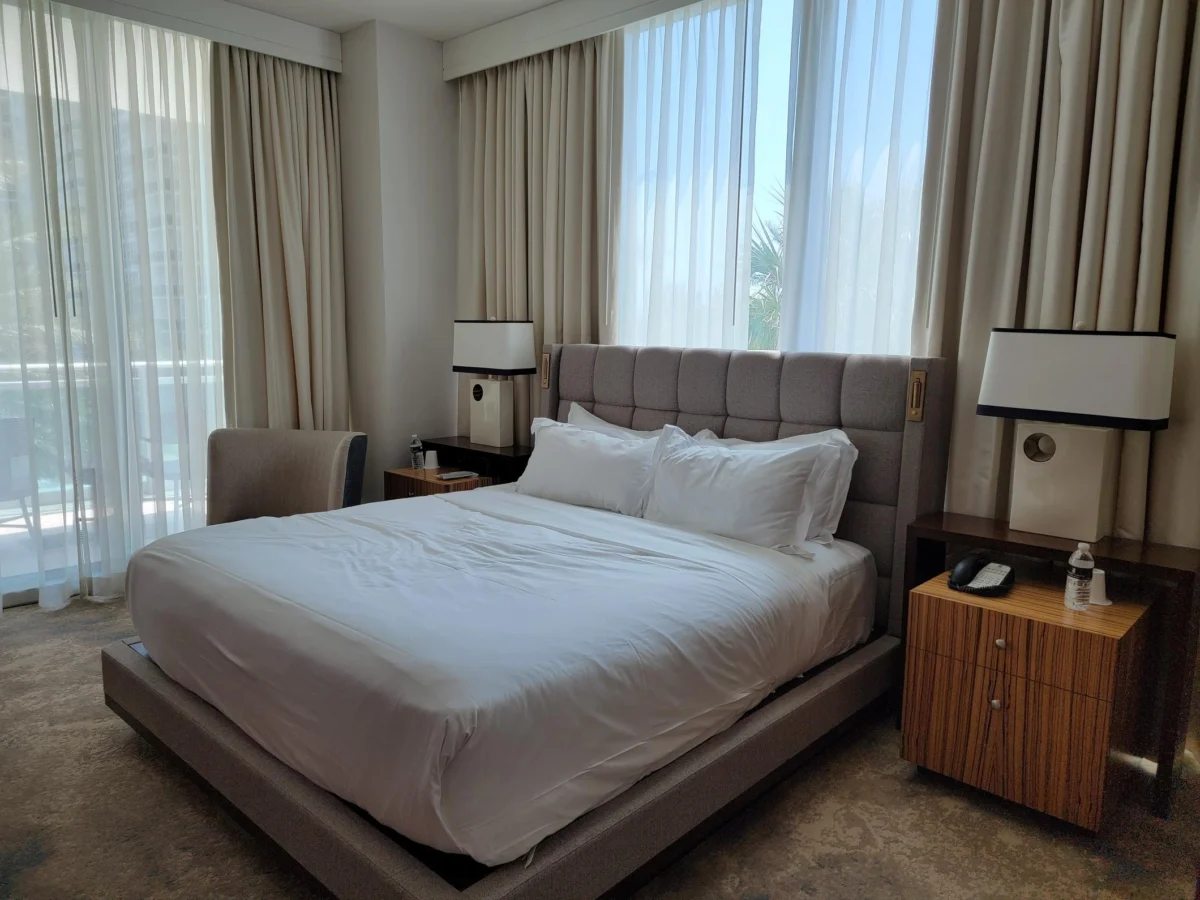
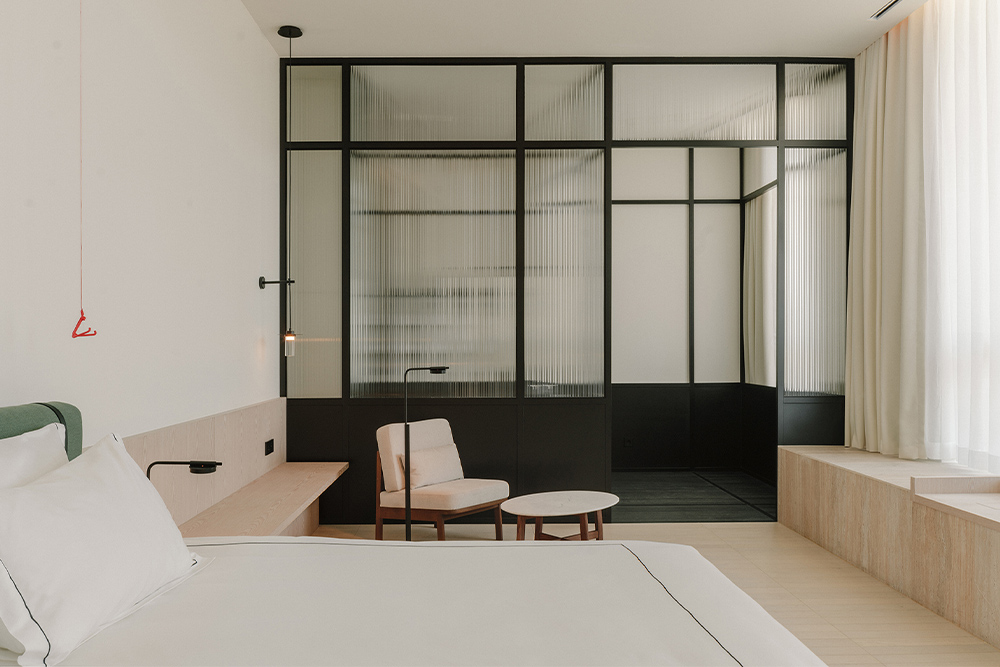
The guestrooms at The Telegraph Hotel offer a more contemporary interpretation of the hotel’s design language, while still subtly referencing the building’s structural grid. The unique railway carriage layout, a nod to historical transportation aesthetics, is artfully demarcated by fluted glass sheets framed in matte black stainless steel dividers. This sophisticated dark framework is balanced by the introduction of light woods and creamy curtains that gently filter daylight, imbuing the rooms with an airy, diffused glow.
The subtle green tones that characterize the public areas are thoughtfully carried into the private sanctuaries, appearing in upholstered seating and elegant headboards, creating a cohesive visual thread throughout the hotel. This considered approach ensures that the guest experience is both modern and deeply connected to the overall design narrative.
The pinnacle of accommodation is the presidential suite, a sprawling 2,790-square-foot expanse that serves as an expansive interpretation of the hotel’s signature design language. It features a luxurious living room, two well-appointed bedrooms, and a generous private terrace. This outdoor haven, complete with a seating area and a plunge pool, offers breathtaking views of the city, effectively extending the hotel experience outward and inviting guests to immerse themselves in the urban panorama of Tbilisi.
A Living Legacy: Inhabiting History
Despite its comprehensive modern revival, The Telegraph Hotel remains a space alive with the echoes of its past. The vision, as articulated by Lyndon Neri, is for guests to do more than simply visit a historical site: "We hope [guests] will not simply visit a historical site but inhabit a part of history and its continuing story. For a moment, they become temporary participants in the civic life of Tbilisi, connected not just to the city of today but also to the currents of memory and communication that have flowed through this site for decades."
The transformation of The Telegraph Hotel represents a significant contribution to the preservation of architectural heritage and the revitalization of urban spaces. By embracing its history, Neri&Hu and Silk Road Group have not only created a luxurious hospitality destination but have also fostered a profound connection between past, present, and future. The hotel stands as a powerful example of how adaptive reuse can breathe new life into historical structures, ensuring their relevance and continued contribution to the cultural and social fabric of a city. The careful integration of modern amenities with the building’s inherent character offers a unique guest experience, inviting visitors to not just stay, but to truly inhabit a piece of Tbilisi’s enduring legacy.

 Budi Mulyono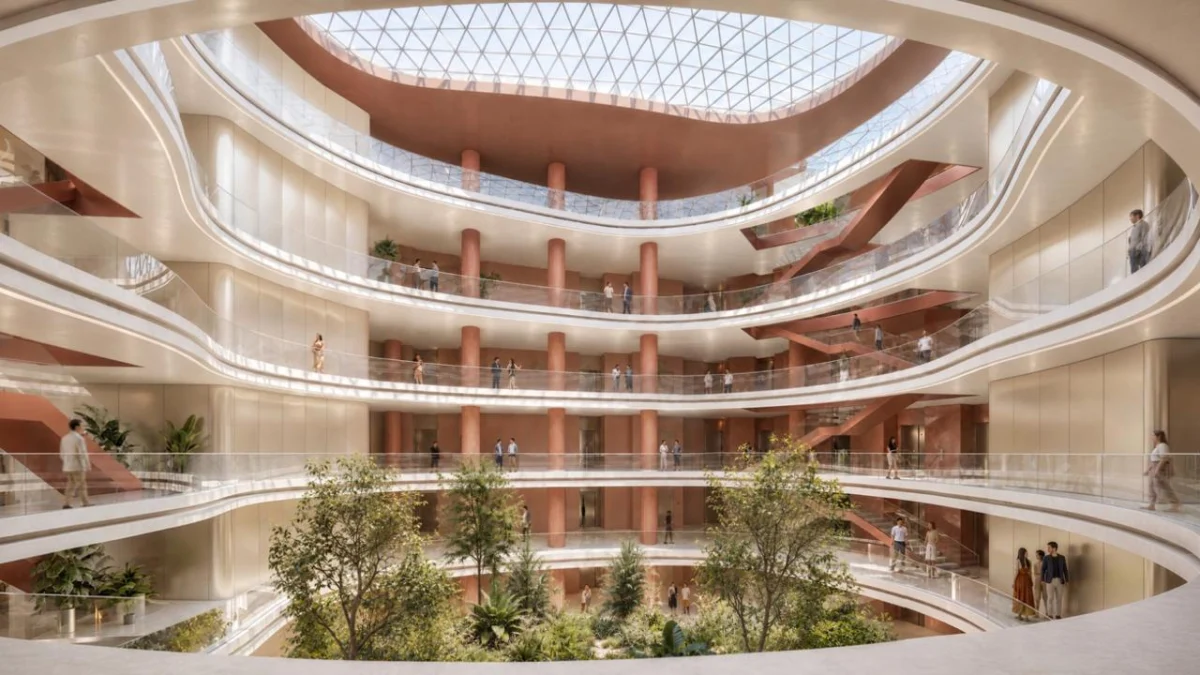
 Lukman Taruna Persada Ramadan
 Chandra Hamzah
 Gabriela Annisa
 Tatiana Tantri Indah Sari