
 Diana Nuri Rohmawati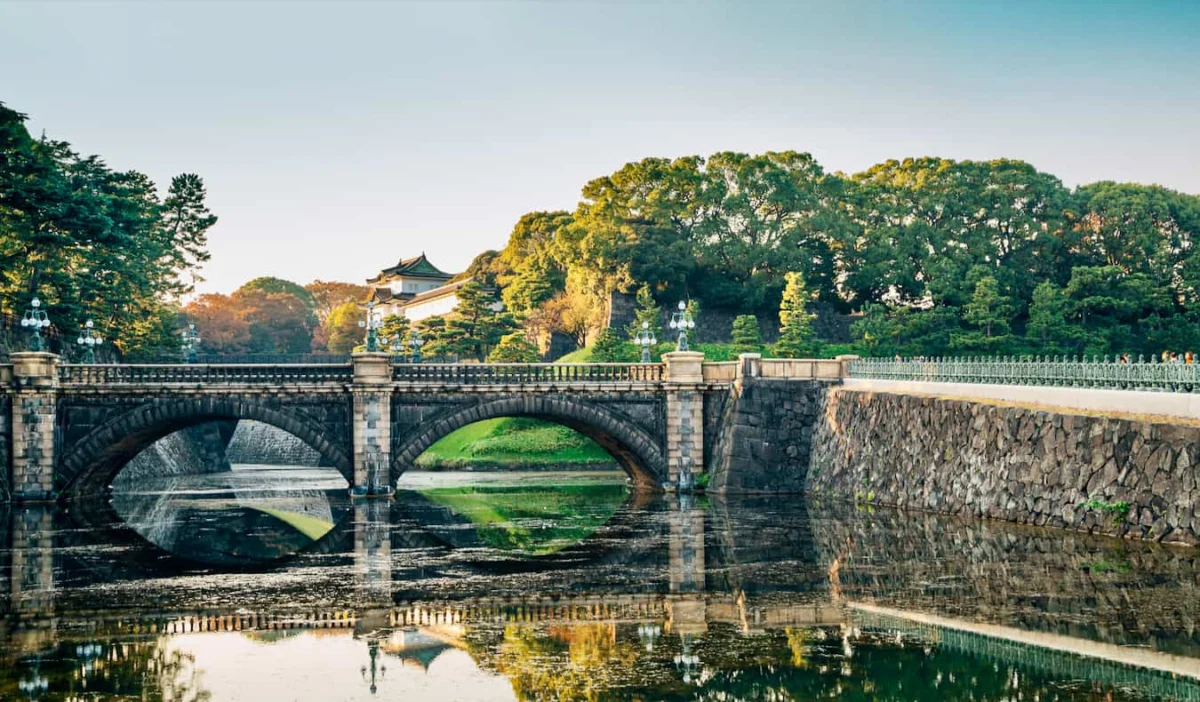
As Tokyo continues to experience a significant surge in international arrivals, the landscape of the city’s tourism industry is undergoing a fundamental shift from traditional sightseeing toward localized, experiential engagement. This evolution is driven by a growing demand for "authentic" interactions that allow visitors to bypass standardized itineraries in favor of deep cultural immersion. Current market trends indicate that travelers, particularly those returning for multiple visits, are increasingly utilizing peer-to-peer platforms such as Airbnb Experiences to access niche subcultures, historical insights, and culinary traditions led by local residents and subject-matter experts.
The diversification of Tokyo’s tourism offerings reflects a broader global trend where the "experience economy" takes precedence over passive consumption. In a city characterized by its immense scale and layered history, these specialized tours serve as essential navigational tools for visitors seeking to understand the complexities of Japanese society, from the technical precision of sushi preparation to the socio-economic significance of the izakaya.
The Professionalization of Culinary Tourism: Sushi and Ramen as Educational Pillars
Culinary tourism remains the primary driver for international visitors to Japan, yet the focus has shifted from mere consumption to technical education. Industry data suggests that hands-on workshops are now preferred over traditional restaurant dining for a significant segment of the market.
In the high-stakes world of Japanese gastronomy, sushi-making classes have transitioned from casual activities to professional-grade demonstrations. Modern experiences, such as those conducted within established omakase restaurants, provide participants with insights into the "Edomae" style of sushi. These sessions, often led by trained chefs or their apprentices, focus on the scientific nuances of the craft: the specific acidity levels of seasoned rice (shari), the importance of temperature in fat-marbling (toro) across different cuts of fish, and the delicate balance of umami.
Similarly, the ramen industry—a sector that contributes billions to the Japanese economy—has become a focal point for intensive study. Tours now move beyond the "big three" broth types (Shio, Shoyu, and Miso) to explore regional variations and the "Third Wave" of experimental ramen. These excursions often involve visits to multiple specialized shops, providing a comparative analysis of noodle hydration levels, bone-broth emulsification, and the evolution of ramen from a Chinese-influenced street food to a global culinary icon.
The Izakaya Economy and the Social Dynamics of Shibuya and Shinjuku
Tokyo’s nightlife, particularly within the districts of Shibuya and Shinjuku, represents a vital component of the city’s social fabric. The izakaya—a Japanese-style gastropub—serves as a primary venue for social bonding and post-work decompression. For the uninitiated traveler, however, these establishments can be intimidating due to complex social etiquettes and "nomihoudai" (all-you-can-drink) structures.
Localized tours led by residents such as Suemi and Shugo in Shibuya, or sake sommeliers like Yuma in Shinjuku, have bridged this gap. These experiences provide a structured introduction to izakaya culture, emphasizing the "hidden" nature of Tokyo’s vertical urbanism, where many of the most authentic venues are located on upper floors or tucked away in narrow "yokocho" (alleys).
Supporting data from the Japanese hospitality sector indicates that localized nightlife tours contribute significantly to the sustainability of small, family-run izakayas that might otherwise struggle to attract international clientele. These tours often include specialized sake education, detailing the fermentation processes and regional rice varieties (Sakamai), thereby fostering a more sophisticated appreciation for Japan’s national beverage.
Historical Preservation and the "Shitamachi" Heritage Tours
While Tokyo is often synonymous with futuristic technology and neon-lit skyscrapers, there is an increasing interest in the city’s historical continuity. The "Historic Tokyo Walking Tour" represents a shift toward academic-led tourism. These excursions typically focus on the "Shitamachi" or "low city" areas, such as Yanaka and Nezu, which largely escaped the devastation of the 1923 Great Kanto Earthquake and the aerial bombings of World War II.
Led by lecturers specializing in Japanese history, these tours provide a chronological narrative of Tokyo’s transformation from the Edo-period shogunate to the Meiji Restoration. Sites such as the Nezu Shrine, with its iconic torii gate tunnels, serve as backdrops for discussions on the changing role of the samurai class and the modernization of Japanese urban planning. This educational approach provides context that is often missing from standard guidebooks, allowing visitors to see the city as a living museum of architectural and social evolution.
Specialized Beverage Cultures: The Duality of Tea and Coffee
Tokyo’s beverage scene is currently defined by a unique duality: the preservation of the traditional tea ceremony and the rapid expansion of a meticulous coffee culture.
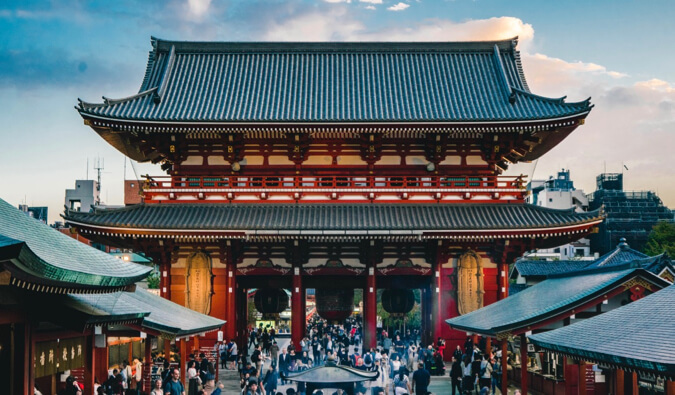
The organic matcha tea ceremony remains a cornerstone of Japanese cultural identity. Educational experiences in this sector focus on the Zen-Buddhist origins of tea and the "Way of Tea" (Chado). Participants are instructed on the grade of matcha, the ritualized preparation steps, and the aesthetics of "Wabi-sabi."
In contrast, the Tokyo coffee culture tour explores the city’s "Third Wave" movement, centered in neighborhoods like Jimbocho and Kanda. This sector is characterized by a blend of "Kissaten" (traditional Japanese coffee shops) and modern specialty cafes. The meticulous nature of Japanese brewing—often involving hand-drip techniques and siphon brewers—reflects the same attention to detail found in the tea ceremony. These tours often analyze the pairing of coffee with "Wagashi" (traditional sweets), illustrating the fusion of Western influence with Japanese precision.
Urban Aesthetics and the Underground Street Art Movement
A relatively new addition to the Tokyo tourism portfolio is the exploration of street art in Shibuya and Harajuku. Unlike many Western metropolises, Tokyo maintains exceptionally strict laws against graffiti, and the Japanese public generally views unauthorized murals with disfavor.
Consequently, the street art scene in Tokyo is uniquely underground and often sanctioned through specific "legal wall" projects or hidden within private alleyways. Tours focusing on this niche provide a rare look at the city’s contemporary counterculture. They offer context on how artists navigate a restrictive environment and the visual evolution of Harajuku as a global fashion and art hub. By highlighting murals and installations that are often invisible to the casual observer, these experiences offer a counter-narrative to the city’s image of total conformity.
Logistical Infrastructure and the Economic Realities of Modern Travel to Japan
The rise of specialized tourism in Tokyo is supported by a robust logistical infrastructure, though recent economic shifts have impacted the cost-benefit analysis for many travelers.
Transportation and the Japan Rail Pass
The Japan Rail Pass remains a vital tool for those traveling between Tokyo and other major cities like Kyoto or Osaka. However, following a significant price increase in late 2023, the pass is now scrutinized more heavily by budget-conscious travelers. For those remaining within the Tokyo metropolitan area, the focus has shifted toward the efficiency of the local JR Yamanote Line and the comprehensive subway network.
Accommodation Trends
The accommodation sector in Tokyo is currently seeing a divide between high-end luxury hotels and the "hostel-plus" model. Platforms like Hostelworld and Booking.com report high occupancy rates as travelers seek out guesthouses that offer communal experiences similar to those found on Airbnb. Neighborhoods like Asakusa and Ueno remain popular for their proximity to historical sites and more affordable price points compared to the central business districts of Minato or Chiyoda.
The Role of Travel Insurance
In the post-pandemic era, travel insurance has become a non-negotiable aspect of trip planning. Leading providers offer comprehensive coverage against cancellations, medical emergencies, and theft. Given the high cost of medical care in Japan and the potential for natural disruptions, industry experts emphasize that insurance is a critical component of a responsible travel strategy.
Analysis of Broader Impacts and Future Outlook
The proliferation of local-led experiences in Tokyo suggests a permanent change in how the city is consumed by global audiences. By decentralizing tourism and moving visitors away from high-traffic landmarks like the Shibuya Crossing or the Imperial Palace, these programs help mitigate the effects of "overtourism" while distributing economic benefits to smaller local businesses and individual guides.
Furthermore, the emphasis on education and skill-sharing—whether in sushi making or historical analysis—ensures that the cultural exchange is substantive rather than superficial. As Tokyo prepares for future growth in its tourism sector, the integration of technology-driven platforms with traditional hospitality (Omotenashi) will likely define the city’s status as a global leader in experiential travel. For the modern visitor, Tokyo is no longer just a destination to be seen; it is a complex, multifaceted culture to be studied, tasted, and experienced through the eyes of those who call it home.




 Budi Mulyono
 Anjar Salim
 Chandra Hamzah
 Tatiana Tantri Indah Sari

 Lukman Taruna Persada Ramadan