
 Tatiana Tantri Indah Sari
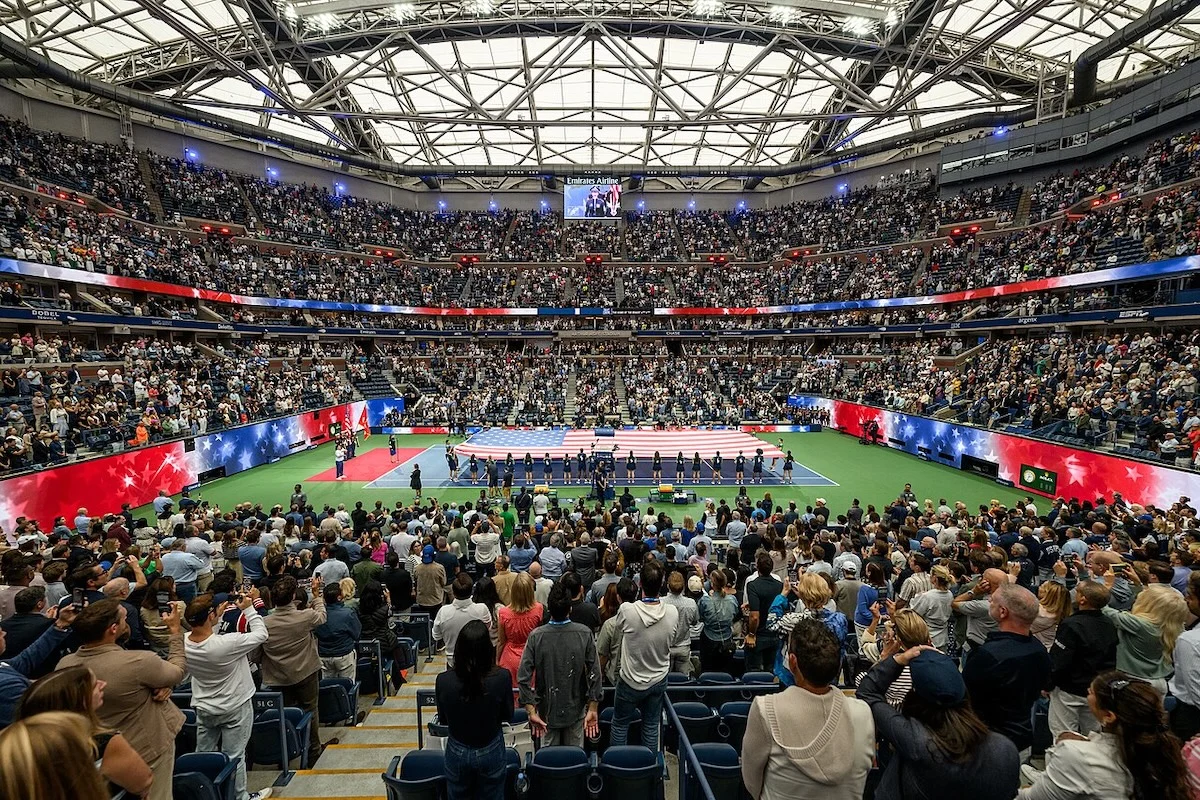
The evolution of modern sports entertainment and tourism has increasingly intertwined with digital media culture, creating a complex landscape for historic events. At the forefront of this shift is the United States Open Tennis Championships, which recently implemented a transformative media strategy by nearly doubling its credential allocations for content creators to nearly 100 for the tournament held at the U.S. Billie Jean King National Tennis Center in Flushing Meadows, New York. While this deliberate outreach aims to capture younger demographics and expand the global digital footprint of one of New York City’s premier annual tourism drivers, it has simultaneously sparked intense debate regarding traditional fan etiquette, player concentration, and the disruptive nature of modern social media production within sacred sporting environments.
The integration of influencers into major sports and cultural festivals is not an isolated phenomenon, but rather part of a broader tourism and marketing imperative. Live events across the globe, from music festivals to international soccer matches, are leaning heavily into creator economies to sustain ticket sales, boost streaming numbers, and maintain cultural relevance. However, the physical reality of accommodating ring lights, professional-grade mobile content setups, and dedicated livestreamers inside high-stakes sports venues has exposed friction points between traditional spectators, elite athletes, and tournament organizers.
The Clash Between Digital Content Creation and Traditional Match Play
The tipping point for the discourse surrounding creator presence at the 2025 U.S. Open manifested in several widely circulated digital incidents that quickly transcended the boundaries of the sports world to ignite broader cultural conversations. Among the most prominent examples was a viral TikTok video that amassed upwards of 750,000 views within days of publication. The footage captured a female spectator operating a portable ring light directly in the stands, utilizing the active tennis court and professional players as a passive backdrop for personal content production. The superimposed text on the video read, "Not an influencer light in the middle of a point. You have to be joking," capturing a sentiment of disbelief shared by both digital observers and spectators present at the grounds.
The disruption extended beyond the general seating bowls and into exclusive hospitality areas, where high-paying guests and corporate partners frequently mingle close to the court perimeter. During a tense moment in a featured match, chair umpire Kader Nouni was forced to pause proceedings and directly address a group taking photographs and recording media within a suite overlooking the court. "Guys, please, in the suite behind me — please take your seat," Nouni announced over the stadium audio system, underscoring how digital multitasking and content capture have begun to directly interfere with the strict silence and focus required during professional tennis matches.
Athletes require intense cognitive and visual concentration, particularly during high-stakes grand slam events where a single point can determine the trajectory of a career or millions of dollars in prize money. The introduction of flickering ring lights, mobile devices elevated on gimbals, and creators narrating events in real-time creates dynamic visual noise in peripheral vision zones that were historically reserved for quiet, respectful observation. While tournament organizers establish strict rules regarding flash photography and movement during games, the rapid proliferation of micro-influencers equipped with professional-grade mobile studio gear has outpaced existing venue enforcement protocols.
Economic Impact and Tourism Significance for New York City
To understand why the United States Tennis Association (USTA) has actively courted digital creators, one must examine the economic gravity of the U.S. Open as a massive engine for New York City tourism and hospitality. As the final Grand Slam tournament of the calendar year, the event generates staggering economic metrics that rival major global conventions and international athletic showcases.
The 2025 tournament crossed a historic milestone by drawing more than one million attendees across its multi-week schedule, cementing its status as one of the most attended annual sporting events in the world. According to data compiled by organizations such as The New York Times and local tourism boards, the demographic makeup of these attendees is heavily skewed toward out-of-town and international travelers. The USTA estimates that more than 40% of all visitors travel to Queens from outside the immediate metropolitan New York area, while approximately 8% originate from international destinations outside the United States.
These visitors inject hundreds of millions of dollars into the local economy, bolstering hotels, restaurants, transportation networks, and retail sectors throughout the five boroughs. In an era where travel decisions are increasingly inspired by social media algorithms, short-form video platforms, and influencer endorsements, tourism boards and event organizers face intense pressure to remain visually omnipresent across digital channels. By expanding creator credentials to nearly 100 individuals, the USTA positioned the tournament to reach hundreds of millions of prospective travelers and younger demographics who consume sports primarily through fragmented, digital-first formats rather than traditional television broadcasts.
Chronology of the Creator Integration Strategy
The strategic pivot toward digital-first media curation at the U.S. Open evolved systematically over several years, reflecting changing media consumption habits:
- 2022–2023: Recognizing a demographic shift, tournament organizers began selectively inviting lifestyle and sports creators to sample the grounds, primarily focusing on general brand awareness and lifestyle vlogs rather than specialized match coverage.
- 2024: The USTA formalized a pilot credential category for digital creators, granting access to select public areas, fan zones, and outer-court spaces to test engagement metrics and evaluate operational logistics.
- Early 2025: Planning committees assessed the multi-million-person digital reach achieved during the previous year and resolved to expand the program significantly, targeting a near-doubling of creator credentials for the upcoming September tournament.
- September 2025: Nearly 100 creators descended upon the Billie Jean King National Tennis Center, equipped with portable lights, gimbals, and streaming setups, leading to the viral incidents of fan friction and umpire interventions that dominated sports media discourse.
- Post-Tournament 2025: USTA analysts and tournament officials initiated internal reviews to balance the undeniable marketing benefits of creator partnerships with the preservation of match integrity and spectator satisfaction.
Official Responses and Stakeholder Perspectives
While the USTA has not released a formal policy overhaul in direct response to the viral backlash, statements from tournament logistics teams indicate an ongoing balancing act. Representatives for major sporting venues consistently emphasize that fan engagement and modern media strategies are essential for long-term growth. However, they also acknowledge that the sanctity of competition must remain paramount.
Industry analysts specializing in sports tourism and digital marketing suggest that the tension at Flushing Meadows represents a transitional growing pain. "Live events are caught between two distinct business imperatives," notes a hospitality sector researcher. "On one hand, you need the massive organic reach that creators provide to attract the next generation of travelers and ticket buyers. On the other hand, your core paying spectators and the athletes themselves expect a traditional environment free from commercialized distraction."
Players and coaches have historically maintained a cautious view regarding technology near the court. While many athletes appreciate the global growth of the sport driven by social media popularity, high-profile competitors have repeatedly voiced frustration over baseline distractions, camera flashes, and spectator movement. Tennis, unlike sports such as American football or basketball where ambient stadium noise is a constant, relies heavily on crowd silence during service motions and rallies. The physical presence of ring lights and livestream narrators directly challenges this foundational tenet of the sport.
Broader Implications for Live Tourism and Sports Entertainment
The challenges faced at the 2025 U.S. Open serve as a bellwether for the broader tourism and live-events industry. As destinations and stadiums worldwide compete for the attention of consumers saturated by digital content, the temptation to loosen access restrictions for influencers will remain high. However, the incidents in Queens demonstrate that unmitigated creator access carries tangible risks to the consumer experience of traditional attendees.
Moving forward, major tourism events are likely to implement more nuanced regulatory frameworks rather than executing blanket bans or unmonitored access. Potential industry solutions currently under discussion among event planners include:
- Designated Creator Zones: Establishing specific, cordoned-off media zones for content production that do not intersect with seating bowls or player visual lines.
- Equipment Restrictions: Banning disruptive lighting apparatuses, such as portable ring lights and external strobes, within all seating sections and hospitality suites immediately adjacent to competition courts.
- Clearer Etiquette Guidelines: Issuing mandatory digital codes of conduct for all credentialed creators, with strict revocation penalties for disruptions during active play.
- Enhanced Umpire and Security Training: Empowering venue staff and chair umpires to address digital distractions swiftly before they escalate or disrupt television broadcasts.
Ultimately, the U.S. Open remains a crown jewel of New York City tourism and a premier global sporting showcase. Its ability to successfully navigate the intersection of digital media marketing and traditional sports etiquette will set a vital precedent for how live tourism events manage the competing demands of modern publicity and athletic excellence in the years to come.




 Gabriela Annisa

 Lukman Taruna Persada Ramadan

 Anjar Salim

 Dwi Wanna
