
 Anjar Salim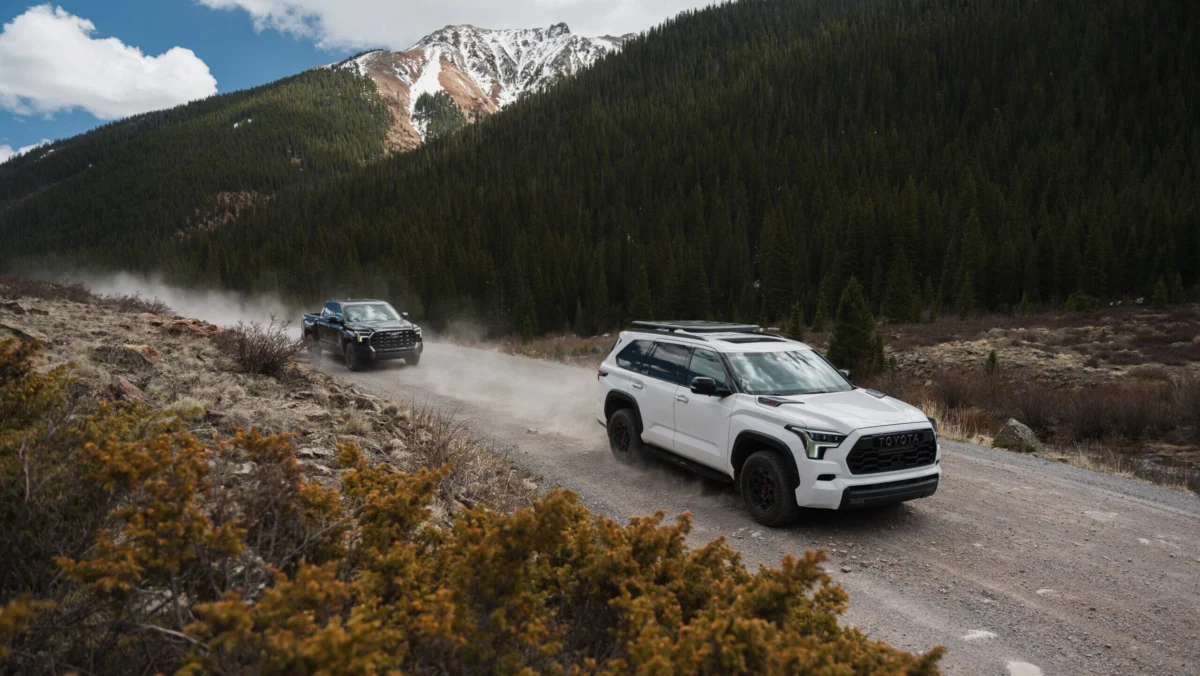
The intersection of elite-level rock climbing, high-alpine skiing, and technical mountain biking has found a formal competitive home with the launch of the second season of Ultimate Mountain Athlete. Premiering on June 29, 2026, the competition seeks to identify the most proficient all-around mountain athlete through a series of grueling challenges set against the rugged backdrop of Colorado’s San Juan Mountains. Produced in a strategic partnership with Toyota Trucks, the series returns following a successful inaugural season in 2024, raising the stakes with a $20,000 cash prize for both the male and female champions.
The competition represents a departure from traditional single-discipline sporting events. While the world of outdoor sports has long celebrated champions in isolated fields—such as the IFSC Climbing World Cup or the Freeride World Tour—the Ultimate Mountain Athlete (UMA) format requires a synthesis of skills that few professionals possess. The San Juan Mountains, known for their steep gradients, volatile weather, and high-altitude terrain, serve as the definitive proving ground for this multi-disciplinary endeavor.
Evolution of the Ultimate Mountain Athlete Competition
The concept for Ultimate Mountain Athlete was born from a recognized gap in the outdoor sports landscape. Historically, mountain athletes often specialized in one discipline during their primary season and treated others as recreational cross-training. However, a new generation of "hybrid" athletes has emerged, driven by the philosophy that true mountain mastery requires a holistic skill set.
Season 1, which debuted in 2024, served as a proof-of-concept. It demonstrated that a structured points-based competition could successfully compare the performance of a professional climber against a professional skier when both were forced out of their comfort zones. Following a two-year hiatus used for scouting more technical terrain and refining the scoring metrics, Season 2 arrives with a more diverse roster of competitors and increased production values.
The decision to film in the San Juan Mountains of Southwest Colorado was calculated. Spanning approximately 12,000 square miles, the range contains some of the most dramatic topography in the Southern Rockies. The region’s proximity to mountain hubs like Telluride, Ouray, and Silverton provides the necessary infrastructure for a large-scale production while offering the "big mountain" feel essential for a competition of this caliber.
Technical Breakdown of the Disciplines
The competition is structured into three primary phases, each designed to test a specific physiological and psychological aspect of mountain athleticism.
Phase One: Technical Rock Climbing
The first episode of Season 2 focuses on rock climbing, a discipline that demands high levels of relative strength, flexibility, and mental fortitude. Unlike indoor climbing competitions, the UMA challenges take place on natural stone, where athletes must contend with variable friction, sun exposure, and the psychological pressure of "reading" a route on the fly. For the mountain bikers and skiers in the group, this phase often represents the steepest learning curve, requiring them to manage their power-to-weight ratios effectively.
Phase Two: High-Altitude Skiing and Mountaineering
The skiing component of the competition moves into the high-alpine zones, where technical descent skills are paired with the aerobic demands of skinning and mountaineering. Success in this phase is not merely about speed; judges look for line choice, fluidity, and the ability to navigate complex snowpacks. In the San Juans, where the average elevation of the peaks exceeds 10,000 feet, oxygen deprivation becomes a significant factor in athlete recovery and performance.
Phase Three: Technical Mountain Biking
The final phase involves technical mountain biking, specifically focusing on "enduro" style riding that combines high-speed descents with technical climbs. The San Juan trails are notorious for their loose scree, sharp switchbacks, and significant vertical drops. This discipline tests the athletes’ fast-twitch muscle fibers and their ability to maintain focus under high physical strain.
Strategic Partnership and Logistics
The logistics of moving a professional film crew and specialized sporting equipment through the backcountry are formidable. Toyota Trucks has returned as the primary partner for Season 2, providing a fleet of off-road capable vehicles to transport athletes and gear to remote trailheads and base camps. This partnership is central to the show’s "mountain-ready" ethos, highlighting the synergy between automotive capability and human endurance.
According to internal marketing data from the outdoor industry, sponsorships of this nature have seen a 15% increase in engagement over the last three years. Consumers are increasingly drawn to authentic demonstrations of product utility in extreme environments rather than traditional studio-based advertising. By integrating the vehicles into the narrative of the competition, the production maintains a sense of realism and grit.
Economic Impact and Industry Trends
The return of Ultimate Mountain Athlete comes at a time when the outdoor recreation economy is experiencing unprecedented growth. According to the U.S. Bureau of Economic Analysis (BEA), the outdoor recreation economy accounted for 2.2% ($542.7 billion) of current-dollar gross domestic product (GDP) for the nation in recent fiscal cycles. In Colorado specifically, the sector is a primary driver of state revenue, supporting over 120,000 jobs.
Events like UMA serve as high-profile marketing for the regions in which they are filmed. The "San Juan effect" is expected to bolster local tourism in Ouray and San Juan counties, which rely heavily on outdoor enthusiasts for their economic stability. However, the production has also emphasized environmental stewardship, working closely with the U.S. Forest Service to ensure that the competition leaves a "Leave No Trace" footprint on the sensitive alpine tundra.
Athlete Profiles and Competitive Dynamics
The roster for Season 2 includes a mix of returning veterans from Season 1 and new challengers from the worlds of Olympic skiing, professional freeriding, and elite climbing. The $20,000 prize purse, while significant, is often cited by competitors as secondary to the prestige of the title itself.
"The challenge isn’t just being good at your own sport; it’s about not failing at the others," noted one anonymous competitor during the pre-season briefing. "In a specialized world, being a generalist is the ultimate test of ego and ability."
The scoring system is designed to reward consistency. An athlete who wins the climbing segment but finishes last in skiing is unlikely to take the overall title. This forces specialists to spend months in the "off-season" training in their weakest disciplines, effectively creating a new class of professional athlete: the multisport mountain specialist.
Chronology of the Season 2 Rollout
The release schedule for Season 2 has been optimized for digital engagement, with episodes dropping weekly across multiple streaming platforms.
- June 29, 2026: Season Premiere and Episode 1: Rock Climbing. Introduces the full roster of male and female competitors and establishes the baseline standings.
- July 6, 2026: Episode 2: The transition to the high-alpine and the start of the skiing/mountaineering phase.
- July 13, 2026: Episode 3: Mid-season analysis and the conclusion of the winter-sports segment.
- July 20, 2026: Episode 4: The shift to mountain biking and the final push for points.
- July 27, 2026: Season Finale: The crowning of the male and female Ultimate Mountain Athletes and the distribution of the $40,000 total prize pool.
Broader Implications for Professional Sports
The success of Ultimate Mountain Athlete may signal a broader shift in how outdoor sports are consumed and marketed. By moving away from the "highlights reel" format and toward a narrative-driven, multi-discipline competition, the series appeals to a wider audience that may not be experts in any single sport but appreciates the overarching theme of human versus nature.
Furthermore, the competition highlights the growing importance of versatility in the professional athlete’s portfolio. As traditional sponsorship models evolve, athletes who can represent brands across multiple seasons and activities are becoming increasingly valuable. The UMA title provides a quantifiable metric for this versatility, potentially influencing how contracts are negotiated in the outdoor industry moving forward.
Conclusion
As Episode 1 of Season 2 begins, the focus remains on the raw physicality and technical precision required to survive and thrive in the San Juan Mountains. The Ultimate Mountain Athlete competition is more than a reality show; it is a high-stakes experiment in human potential. Whether a single individual can truly dominate three vastly different disciplines remains to be seen, but the journey to find that answer has officially begun in the heart of the Colorado Rockies. With the support of Toyota and the eyes of the outdoor community watching, the quest for the title of Ultimate Mountain Athlete continues to redefine the boundaries of modern adventure.




 Chandra Hamzah
 Tatiana Tantri Indah Sari
 Budi Mulyono
 Lukman Taruna Persada Ramadan