
 Lukman Taruna Persada Ramadan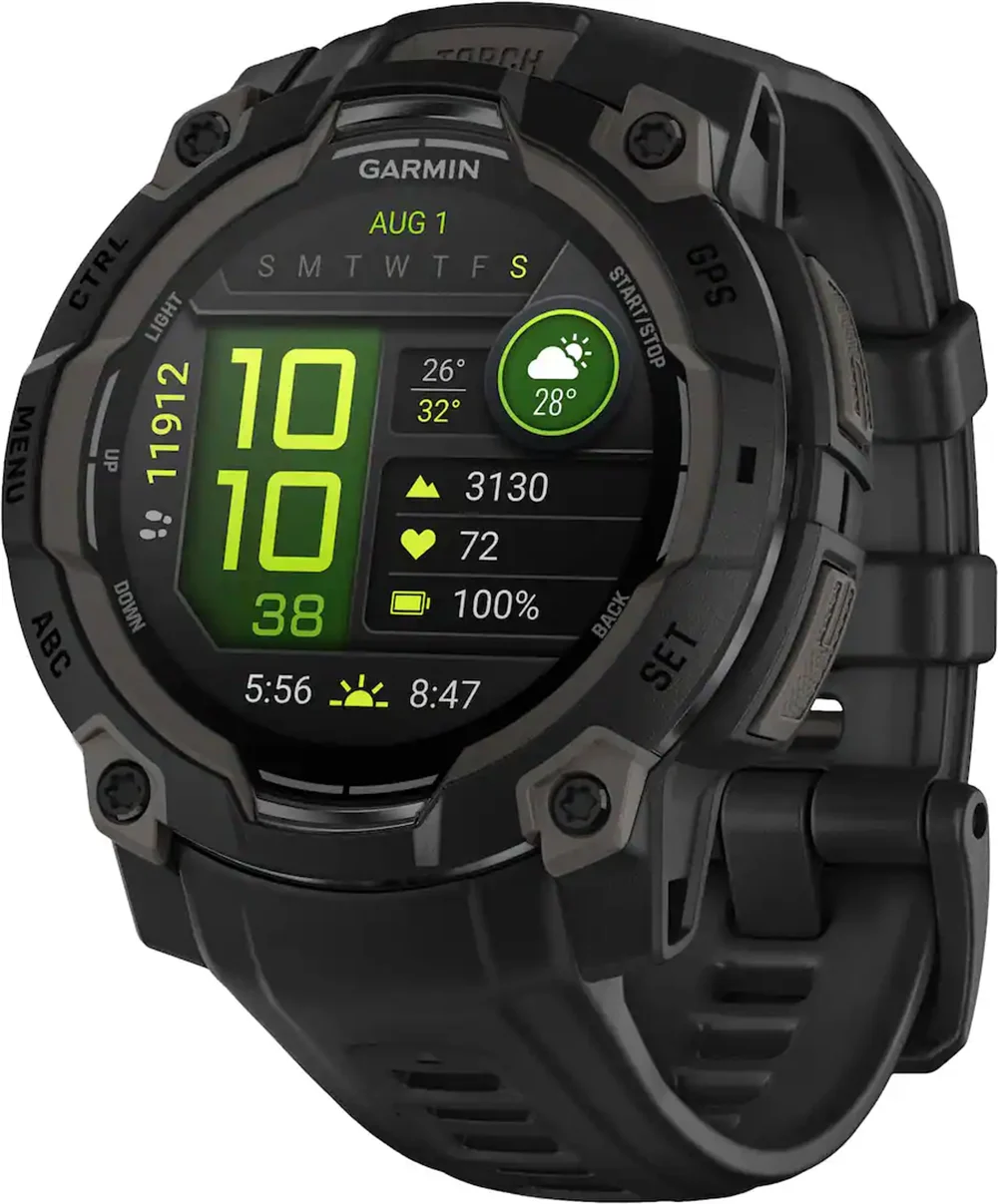
The intersection of travel and consumer electronics continues to evolve at a rapid pace, driven by the demands of a globalized workforce, adventure tourism enthusiasts, and casual vacationers alike. As mobile technology becomes more deeply integrated into the modern travel experience, manufacturers are placing unprecedented emphasis on portability, durability, and multifunctionality. A comprehensive market assessment of the latest portable hardware highlights four standout devices designed to streamline journeys, elevate digital content creation, and provide robust personal monitoring in the field: the Fujifilm X half camera, the Garmin Instinct 3 smartwatch, the Rolling Square InCharge XS keyring cable, and the Insta360 X5 action camera.
Each of these products addresses specific friction points traditionally associated with travel—ranging from the bulk of carrying multiple charging cables to the limitations of smartphone photography and the fragility of consumer electronics in extreme environments. Industry analysts note that consumer spending on travel-adjacent technology has steadily rebounded to pre-pandemic highs, with particular emphasis placed on hardware that reduces luggage weight while maximizing utility. Below is a detailed examination of these four devices, their technical specifications, background market context, and the broader implications of their release for the consumer electronics sector.
Main Facts: Overview of the New Hardware Lineup
The current wave of travel hardware emphasizes miniaturization without sacrificing professional-grade performance. Leading this category is the Fujifilm X half camera, priced at $649.95. Positioned as a direct response to the clinical perfection of modern smartphone photography, the X half camera offers an analog-inspired shooting experience tailored for holiday snaps and travel documentation. Weighing just 8.46 ounces and measuring 4.2 by 2.5 by 1.8 inches, the device easily slips into a jacket pocket or small bag. It features a fixed 32mm lens and incorporates 26 distinct film and filter options, allowing users to customize the aesthetic of their images directly in-camera. Its tactile, dial-based control scheme represents a deliberate throwback to traditional analog photography, while modern connectivity permits seamless pairing with compatible instant printers for physical photo sharing on the go. The camera is available in three distinct finishes: black, charcoal, and silver.
For fitness enthusiasts and adventure travelers requiring persistent biometric and navigational tracking, the Garmin Instinct 3 smartwatch enters the market starting at $349.99. Built upon Garmin’s established reputation for durable sports wearables, the Instinct 3 features a rugged, GPS-enabled architecture equipped with a scratch-resistant AMOLED display and a built-in flashlight. The device extends beyond basic step-counting to offer advanced health and wellness monitoring capabilities, including heart rate variability (HRV) analysis, sleep tracking, and altitude acclimatization metrics. To accommodate diverse user preferences and wrist sizes, the smartwatch is offered in both 45mm and 50mm case diameters alongside a broad palette of customizable colorways and interchangeable bands.

Addressing the perennial traveler’s dilemma of cable management, the Rolling Square InCharge XS keyring cable retails for $29.90. Designed to eliminate the clutter of tangled wires, this ultra-compact accessory consolidates four distinct charging combinations into a single unit capable of powering nearly any modern mobile device, tablet, or accessory. When closed, the device measures a mere 3.1 by 0.61 by 0.59 inches and tips the scales at just 1.2 ounces. Intended to be attached permanently to a set of keys or slipped into a coin pocket, the InCharge XS effectively replaces up to four separate cables, significantly reducing the spatial footprint of tech accessories within carry-on luggage.
Rounding out the collection is the Insta360 X5 action camera, which starts at $549.99 for the base bundle including the camera and a single battery. Representing a major generational leap in immersive capture technology, the X5 is capable of recording crisp 8K video at 30 frames per second. Powered by dual optical sensors and a sophisticated triple AI processing chip, the camera delivers exceptional low-light performance, minimizing noise and preserving shadow detail in challenging illumination. Durability remains a cornerstone of the design, featuring toughened, replaceable lenses engineered to withstand harsh physical environments such as alpine descents or marine excursions. Furthermore, an integrated, updated wind guard significantly improves audio fidelity compared to previous iterations, ensuring that wind noise does not obscure recorded dialogue or ambient soundscapes.
Chronology and Industry Background
The emergence of these devices reflects a broader multi-year trajectory within the consumer technology and travel sectors. The post-2020 landscape saw an immediate surge in "revenge travel," which subsequently matured into a more deliberate, experience-driven approach to tourism. Concurrently, supply chain stabilization through 2024 and 2025 allowed manufacturers to accelerate research and development cycles, bringing advanced computational photography and ruggedized material science down to consumer-friendly price points.
During the third quarter of 2025, industry trade shows in Berlin and Las Vegas highlighted a growing consumer appetite for retro-futurism—exemplified by products like Fujifilm’s retro-styled digital cameras—and hyper-efficient EDC (Everyday Carry) items, a niche dominated by brands like Rolling Square. Garmin’s ongoing refinement of the Instinct line tracks closely with the explosive growth of adventure tourism and remote work from non-traditional locales, where users demand multi-day battery life and military-grade durability from their wearables. Meanwhile, Insta360’s aggressive iteration cycle, culminating in the 8K-capable X5, mirrors the rapid mainstream adoption of 360-degree and high-resolution action video formats among content creators and extreme sports participants.
Supporting Data and Technical Specifications
A comparative analysis of the four products underscores their diverse utility across different facets of travel preparation:

| Product Name | Manufacturer | Primary Category | Dimensions / Weight | Starting Price | Key Differentiator |
|---|---|---|---|---|---|
| Fujifilm X Half Camera | Fujifilm | Digital Imaging | 4.2 x 2.5 x 1.8 inches / 8.46 oz | $649.95 | 26 analog film filters and physical dial controls |
| Garmin Instinct 3 | Garmin | Wearable Tech | 45mm or 50mm cases | $349.99 | AMOLED display, built-in flashlight, and HRV monitoring |
| InCharge XS Keyring Cable | Rolling Square | Accessories | 3.1 x 0.61 x 0.59 inches / 1.2 oz | $29.90 | Four charging combinations in a keyring format |
| Insta360 X5 Action Camera | Insta360 | Imaging / Video | Varies by bundle | $549.99 | 8K recording at 30fps with triple AI chip and dual sensors |
The convergence of these specifications highlights a concerted industry effort to reduce physical encumbrance. For instance, the Rolling Square InCharge XS eliminates the dead weight of redundant copper wiring, while the Fujifilm X half camera spares photographers the necessity of carrying interchangeable lenses or a bulky external flash for casual outings.
Official Responses and Manufacturer Perspectives
While direct public relations statements regarding this specific bundled lineup are coordinated by lifestyle and travel publications rather than a single governing body, representatives from the respective manufacturing firms have consistently emphasized user-centric design principles in their product rollout communications.
A spokesperson for Fujifilm noted during the regional introduction of their compact imaging line that consumer fatigue with computational over-processing on smartphones has opened a distinct market sector for intentional, tactile photography. "Users are actively seeking a barrier between themselves and the digital distractions of constant notifications while capturing holiday memories," the representative stated. "By merging analog ergonomics with modern digital sensors and instant printing capabilities, we provide a medium that honors the physical artifact of a photograph."
Similarly, product development teams at Garmin have stressed the necessity of uncompromised reliability in outdoor gear. In technical briefs accompanying the launch of the Instinct 3, Garmin engineers highlighted that modern adventurers require enterprise-grade health analytics—such as heart rate variability tracking—housed within a chassis that can withstand extreme temperatures, moisture, and impact, thereby removing the anxiety of equipment failure during remote expeditions.
Insta360 marketing leads have similarly positioned the X5 as a democratization tool for professional-grade capture. By integrating a triple AI chip and dual sensors into a consumer-accessible form factor, the company aims to lower the barrier to entry for high-resolution cinematic storytelling, allowing solo travelers to produce broadcast-quality 8K footage without a dedicated camera crew.

Broader Impact and Market Implications
The introduction and commercial availability of these four devices carry significant implications for both the travel industry and the consumer electronics market at large. As airlines and transport authorities continue to enforce stringent weight and size limits on carry-on baggage, the trend toward multi-functional, lightweight hardware is expected to accelerate. Consumers are increasingly evaluating tech purchases through the lens of spatial efficiency—asking whether a single device can perform the duties of two or three traditional items.
Furthermore, the integration of advanced artificial intelligence into compact action cameras and wellness wearables signals a shift from passive data collection to active predictive assistance. Devices like the Garmin Instinct 3 and Insta360 X5 do not merely record metrics or video; they interpret environmental and physiological data in real-time, offering users actionable insights regarding safety, pacing, and visual composition.
For retailers and travel gear curators, stocking high-utility, premium electronics represents a lucrative avenue for capturing high-margin sales from discerning consumers willing to invest in quality-of-life enhancements for their journeys. As remote work and leisure travel continue to merge, the demand for resilient, highly portable technology that bridges the gap between professional productivity and personal recreation will remain robust, setting a high benchmark for future hardware development across the sector.




 Anjar Salim
 Chandra Hamzah
 Tatiana Tantri Indah Sari
 Budi Mulyono
