Dwi Wanna
The landscape of air travel has undergone a significant transformation over the past two decades, with the cost of airline tickets experiencing a steady and often perplexing rise. This article delves into the multifaceted factors contributing to this trend, examining the evolving dynamics of the airline industry, the intricacies of pricing strategies, and the resultant impact on consumers.
A Shifting Industry Paradigm: Consolidation and Competition
A primary driver behind the escalating cost of airfares is the profound consolidation within the airline industry. Over the last few decades, a series of bankruptcies, mergers, and strategic alliances have dramatically reduced the number of major players, particularly in key markets. In the United States, for instance, the market is now largely dominated by three major alliance airlines: American Airlines, Delta Air Lines, and United Airlines. This oligopolistic structure, further intensified by recent consolidations such as the acquisition of Spirit Airlines by JetBlue and the merger of Alaska Airlines with Hawaiian Airlines, has diminished competitive pressures. When fewer airlines operate on a given route, the incentive to offer lower fares to attract passengers dwindles, as consumers often have limited alternative choices.
This trend is not unique to the U.S. In Canada, the skies are predominantly controlled by two major carriers, Air Canada and WestJet. Similarly, in Europe, while a robust network of budget airlines exists, the legacy carriers like Air France-KLM, International Airlines Group (IAG, parent of British Airways), and Lufthansa command a substantial share of the market. This consolidation means that in many corridors, passengers face a choice between a handful of carriers, each with less imperative to engage in aggressive price wars.
The economic principle of supply and demand is profoundly influenced by this reduced competition. With fewer airlines vying for passengers on a given route, the market power shifts towards the carriers. This allows them to maintain higher price points, knowing that passengers seeking to travel that specific route have fewer, if any, cheaper alternatives.
Escalating Operational Costs: Fuel, Fees, and Fares
Beyond industry consolidation, several operational cost increases have directly contributed to higher ticket prices. Chief among these is the dramatic surge in the price of jet fuel. Data indicates a stark contrast in fuel costs over recent years. For example, jet fuel prices, which hovered around $1.37 per gallon in 2017, have seen a staggering increase, reaching approximately $6.49 per gallon in early 2024. This represents a nearly fivefold increase in a critical operational expense. Airlines, facing such substantial cost hikes, inevitably pass a significant portion of these increased expenditures onto consumers in the form of higher ticket prices.
Furthermore, airline taxes and security fees have also experienced considerable growth. These levies, imposed by governments and regulatory bodies, add a substantial layer to the final price of a ticket. For international flights, particularly those touching down in major global hubs, these fees and taxes can constitute a significant percentage of the overall fare, sometimes nearing half the ticket price, as observed in certain European destinations.
The Lingering Shadow of Economic Downturns and Global Events
The airline industry’s pricing strategies have also been shaped by responses to economic downturns and unforeseen global events. Following the 2008 global financial crisis, airlines experienced a sharp decline in demand. To mitigate losses, many carriers responded by reducing the number of routes offered and decreasing flight frequencies. This strategy aimed to ensure higher load factors—the percentage of occupied seats on a flight—thereby maximizing revenue per flight and offsetting reduced passenger numbers.
This trend was dramatically amplified by the COVID-19 pandemic. The unprecedented shutdown of global travel led airlines to ground many aircraft and furlough a substantial portion of their workforce. As travel restrictions were eased and demand for air travel rebounded, airlines found themselves with insufficient aircraft and personnel to reinstate pre-pandemic flight schedules. This significant reduction in the supply of available flights, juxtaposed with a surging demand from pent-up traveler desire, created an environment where airlines had little incentive to lower prices. Instead, the scarcity of capacity coupled with high demand naturally drove prices upward.
Rick Seaney, an expert from Farecompare.com, has noted this shift, stating, "Before 2008, things were in favor of the passengers. After the 2009 crisis, the scale of justice tipped towards the airlines." This observation underscores how a confluence of economic pressures and industry responses has fundamentally altered the balance of power in favor of air carriers.
The Science of Sky-High Prices: Dynamic Pricing and AI
Understanding how airlines determine ticket prices requires an examination of their sophisticated pricing models, heavily reliant on dynamic pricing and artificial intelligence (AI). At the core of these strategies is the concept of maximizing revenue by achieving the highest possible "load factor." Airlines meticulously analyze four key factors: competition, supply, demand, and oil prices, to constantly adjust fares.
These sophisticated computer systems employ AI algorithms to ascertain the maximum price each seat can command. This is why passengers might observe seemingly abrupt price increases following events that spike demand, such as major sporting events, concerts, or holidays. The AI, programmed to respond to real-time market conditions, simply adjusts prices upwards in response to heightened demand.
These advanced systems continuously process vast amounts of data, comparing current booking trends with historical sales data, upcoming events, weather patterns, and competitor pricing strategies. By monitoring consumer search and booking behavior, airlines can dynamically alter prices "on the fly" to secure the optimal revenue for each flight.
This explains the daily, and even hourly, fluctuations in airfare. A flight that costs $100 one day might jump to $400 the next, only to revert to $100 shortly thereafter. As seats are purchased, prices tend to rise, and as demand slackens at a particular price point, fares may decrease until fewer seats remain, at which point prices are typically increased again. This delicate balancing act is designed to ensure maximum revenue generation, especially since the physical capacity of an aircraft—the number of seats—is fixed.
The timing of flights also plays a crucial role. Early morning flights (e.g., 5 AM) often carry lower fares due to reduced demand, while flights during peak holiday seasons or coinciding with major events can be significantly more expensive. The limited availability of seats on any given flight means that airlines can capitalize on demand by charging premium prices.
The speed at which prices can change is also a testament to the efficiency of these AI-driven systems. It’s not necessarily a matter of tracking individual user cookies, but rather the AI’s real-time response to the collective behavior of all potential buyers across multiple booking platforms. With numerous online travel agencies and direct booking channels constantly reserving seats, the AI continuously recalibrates pricing based on available inventory and aggregate demand.
On domestic U.S. flights, there can be as many as 10 to 15 distinct price points. When load factors and demand are low, airlines will often release cheaper fare buckets to stimulate bookings. Conversely, when load factors are high and demand is strong, prices are elevated. As Seaney notes, the advantage now lies with the airlines.
Navigating the New Normal: Strategies for Affordable Air Travel
Despite the prevailing trend of higher airfares, finding affordable flights remains achievable, albeit requiring a strategic approach. Flexibility is paramount. Airlines actively manage their pricing, particularly in the months leading up to a flight, to optimize revenue. Experts suggest that approximately three months before a flight, airlines begin to strategically manage their lowest fare buckets. By analyzing historical trends and current seat sales, they decide whether to release these deeply discounted fares or maintain higher price points.
Booking within a month of departure often means passengers are at the mercy of the airline’s pricing, as flexibility diminishes. This typically results in higher costs. Therefore, proactive planning and an understanding of these pricing cycles are essential for securing the best possible fares.
The era of consistently cheap airfares appears to be behind us. The current pricing structures represent a new normal, driven by the combined forces of industry consolidation, rising operational costs, and sophisticated revenue management strategies. However, by arming oneself with knowledge of how ticket prices are determined, travelers can significantly improve their chances of avoiding the highest fares and finding the "sweet spot" where prices are at their lowest.
Logistical Toolkit for the Savvy Traveler
For travelers aiming to navigate the complexities of modern airfare and secure economical journeys, a well-equipped logistical toolkit is indispensable.
Flight Booking Platforms: Utilizing comprehensive flight search engines is crucial. Platforms like Skyscanner, which scour a vast array of websites and airlines globally, ensure that no potential deals are overlooked. This broad search capability helps in comparing prices across numerous carriers and routes, maximizing the chances of finding competitive fares.
Accommodation Booking: For budget-conscious travelers, securing affordable lodging is key. Websites like Hostelworld are invaluable for finding hostel accommodations. For those preferring hotels or guesthouses, Booking.com consistently offers competitive rates, providing a wide selection of options worldwide.
Travel Insurance: Comprehensive travel insurance is a non-negotiable component of modern travel planning. It provides a vital safety net against unforeseen circumstances such as illness, injury, theft, or trip cancellations. Reputable providers offer extensive coverage, offering peace of mind and financial protection in the event of disruptions.
Leveraging Travel Rewards: The strategic use of travel credit cards can significantly reduce the cost of air travel. By accumulating points through everyday spending, travelers can redeem these rewards for free flights and accommodation, often without incurring additional expenses. Understanding which cards offer the best value and rewards programs is essential for maximizing these benefits.
Rental Car Services: For travelers requiring ground transportation, international car rental websites like Discover Cars offer a budget-friendly solution. These platforms aggregate deals from various rental agencies worldwide, enabling travelers to find cost-effective rental options tailored to their destination and travel needs.
Activity and Tour Bookings: To enhance travel experiences, platforms like Get Your Guide provide access to a wide array of activities, from walking tours and excursions to skip-the-line tickets and private guided experiences. This resource helps in planning and booking local attractions efficiently.
Ultimately, the modern travel landscape necessitates a more informed and strategic approach. By understanding the economic forces at play and employing diligent research and planning, travelers can continue to explore the world without succumbing to the escalating costs of air travel.



 Chandra Hamzah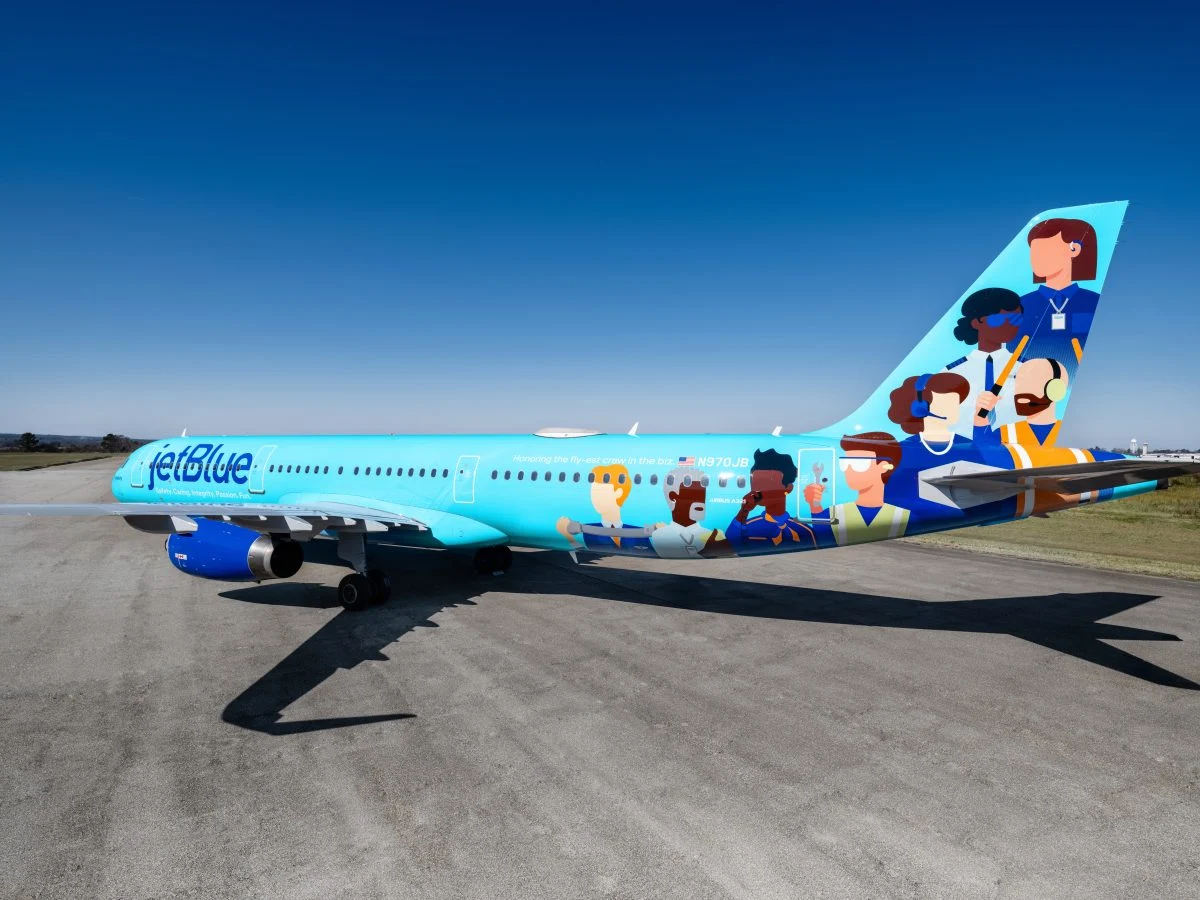
 Gabriela Annisa
 Tatiana Tantri Indah Sari
 Budi Mulyono
 Anjar Salim