
 Dwi Wanna
Nineteen years after a transformative month-long sojourn, the author returned to Ko Lipe, a Thai island that once represented the epitome of an off-the-beaten-path paradise. In 2006, Ko Lipe was a destination for the truly adventurous, characterized by intermittent electricity, beachside bungalows costing approximately $2 USD per night, and a palpable sense of remoteness underscored by the existence of a definitive "last boat" for the season. The island’s allure lay in its simplicity: days were filled with reading on the beach, snorkeling, leisurely drinks at the sole beach bar, and rotating meals among the island’s five eateries, culminating in early nights. This idyllic existence fostered deep connections, both with fellow travelers and the local community, and for the author, it remains the highlight of his extensive global travels.
However, a recent revisit, undertaken with trepidation and a deep-seated fear of shattering cherished memories, revealed a starkly altered landscape. The author had deliberately avoided returning for nearly two decades, preserving the pristine image of his past experience and fearing the inevitable "chasing travel ghosts." This reluctance was compounded by the knowledge that tourism in Thailand often follows an unsustainable trajectory of relentless development. The anticipation of seeing his beloved, sleepy paradise transformed into a bustling tourist hub, a development he associated with negative outcomes on islands like Ko Phi Phi, fueled his apprehension.
The Inevitable Return and the Shock of Overdevelopment
The decision to return to Ko Lipe was prompted by logistical considerations during a broader Southeast Asian itinerary. The author was traveling down the Indian Ocean coast of Thailand en route to Malaysia and would pass the island. Furthermore, Ko Lipe presented itself as a viable option for New Year’s Eve celebrations, offering a lively atmosphere and crucial transport links to Langkawi, his next destination. Despite his reservations, the author "sucked it up and went."
The subsequent report is a somber indictment of Ko Lipe’s transformation, which the author likens to the "Ko Phi Phi model of tourism." The island, he states, has become "extremely overdeveloped," a sentiment echoed by the visual evidence of extensive construction and infrastructure changes. What were once dirt footpaths have been replaced by concrete thoroughfares accommodating cars and construction vehicles. Significant portions of the island’s natural landscape, including palm groves, have been supplanted by high-end resorts featuring swimming pools, a development particularly concerning given the island’s limited natural water supply. The construction boom shows no signs of abating, with ongoing projects indicating further expansion.
Environmental Degradation and Social Displacement
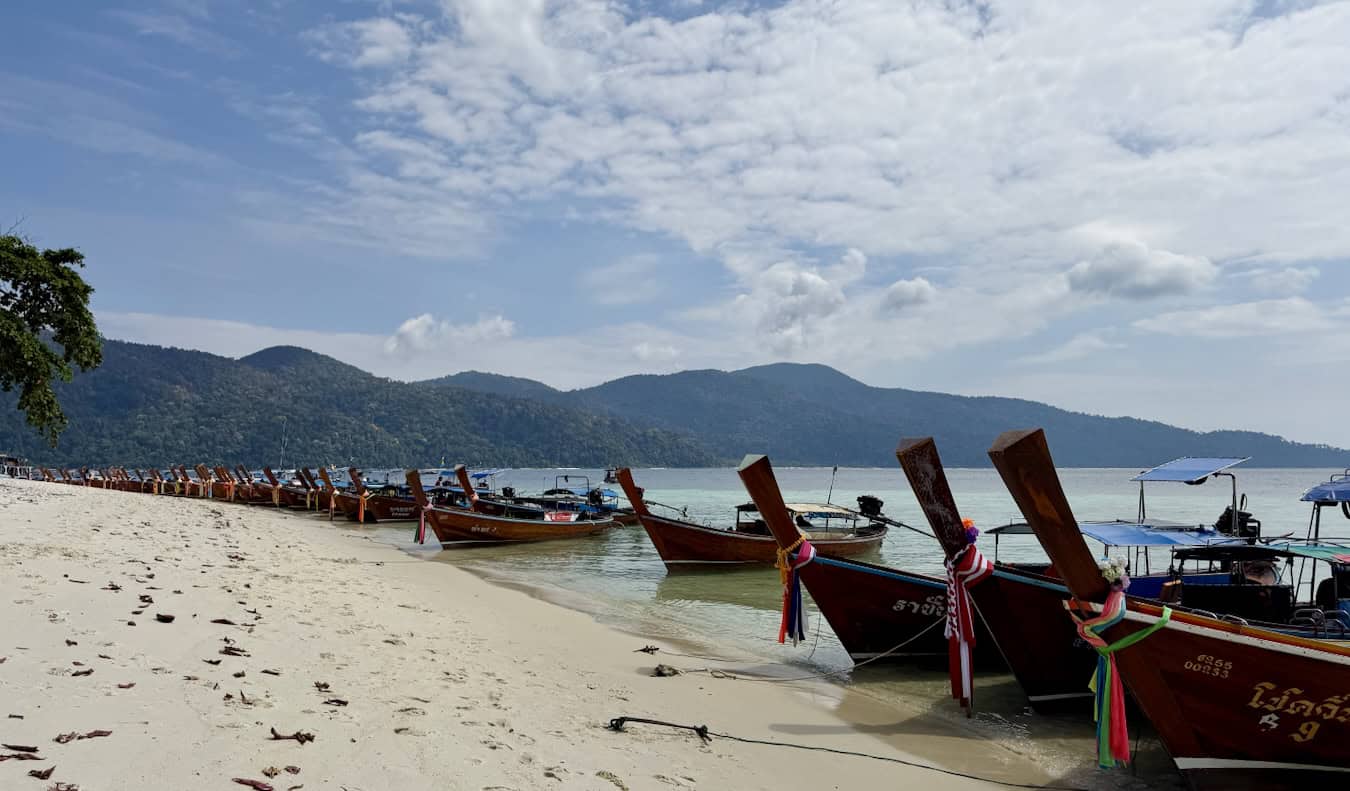
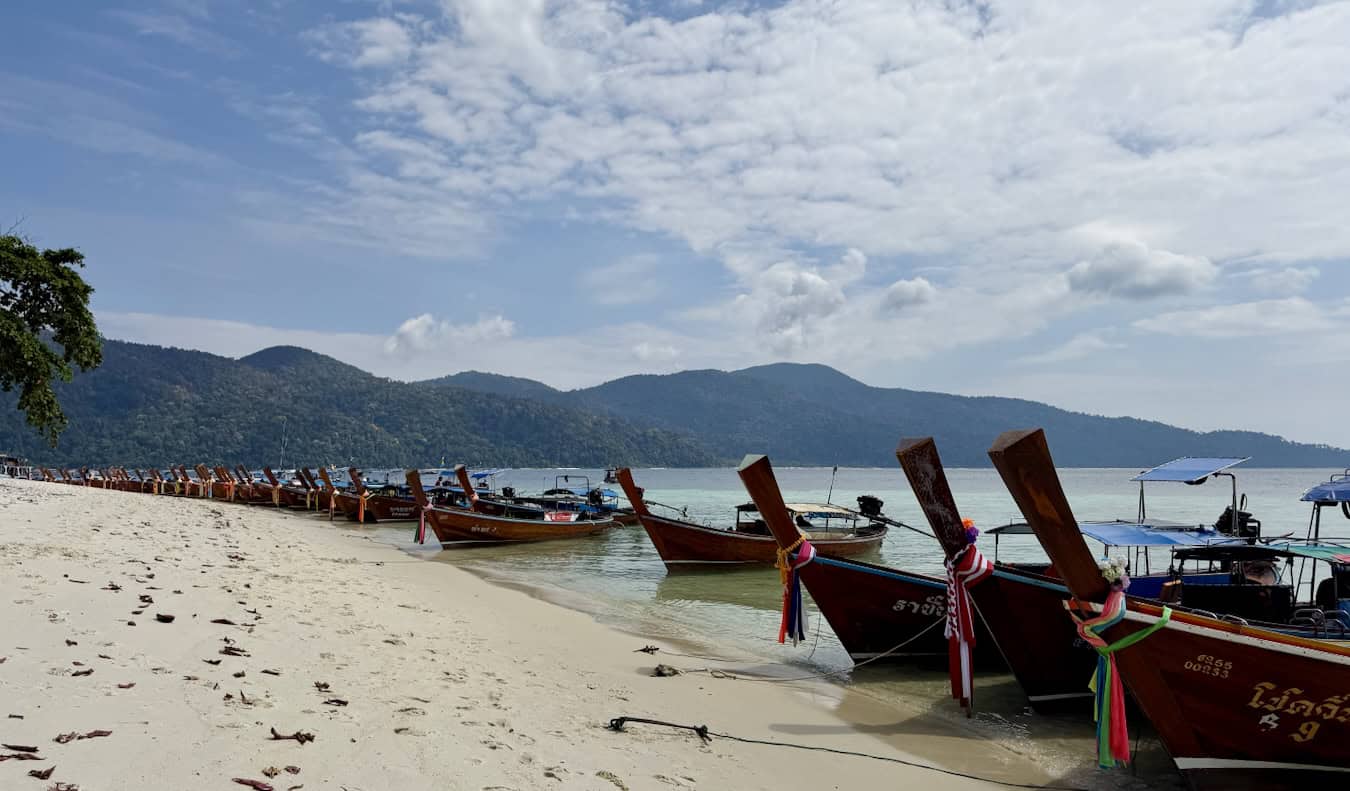
The ecological toll of this rapid development is significant. The coral reefs surrounding Ko Lipe are reportedly in decline, a consequence of increased boat traffic, anchor damage, pollution, and overfishing. The beaches, once pristine, are now lined with longtail boats, their exhaust fumes creating a visible sheen on the water, impacting the marine environment and the experience of swimmers. The culinary scene has also shifted, with restaurants increasingly catering to tourists seeking Westernized fare rather than authentic Thai cuisine.
Beyond the environmental concerns, the economic and social fabric of Ko Lipe has been profoundly affected. The island’s rapid growth has led to the displacement of many local residents, who have been compelled to sell their land to mainland developers. Consequently, much of the island’s workforce is now comprised of individuals from the mainland, suggesting that the economic benefits of the tourism surge are not equitably distributed among the original inhabitants. This situation paints Ko Lipe as another casualty of Thailand’s prevalent model of overdevelopment and the exploitation of finite natural resources.
A Divergent Perspective: New Visitors vs. Returning Travelers
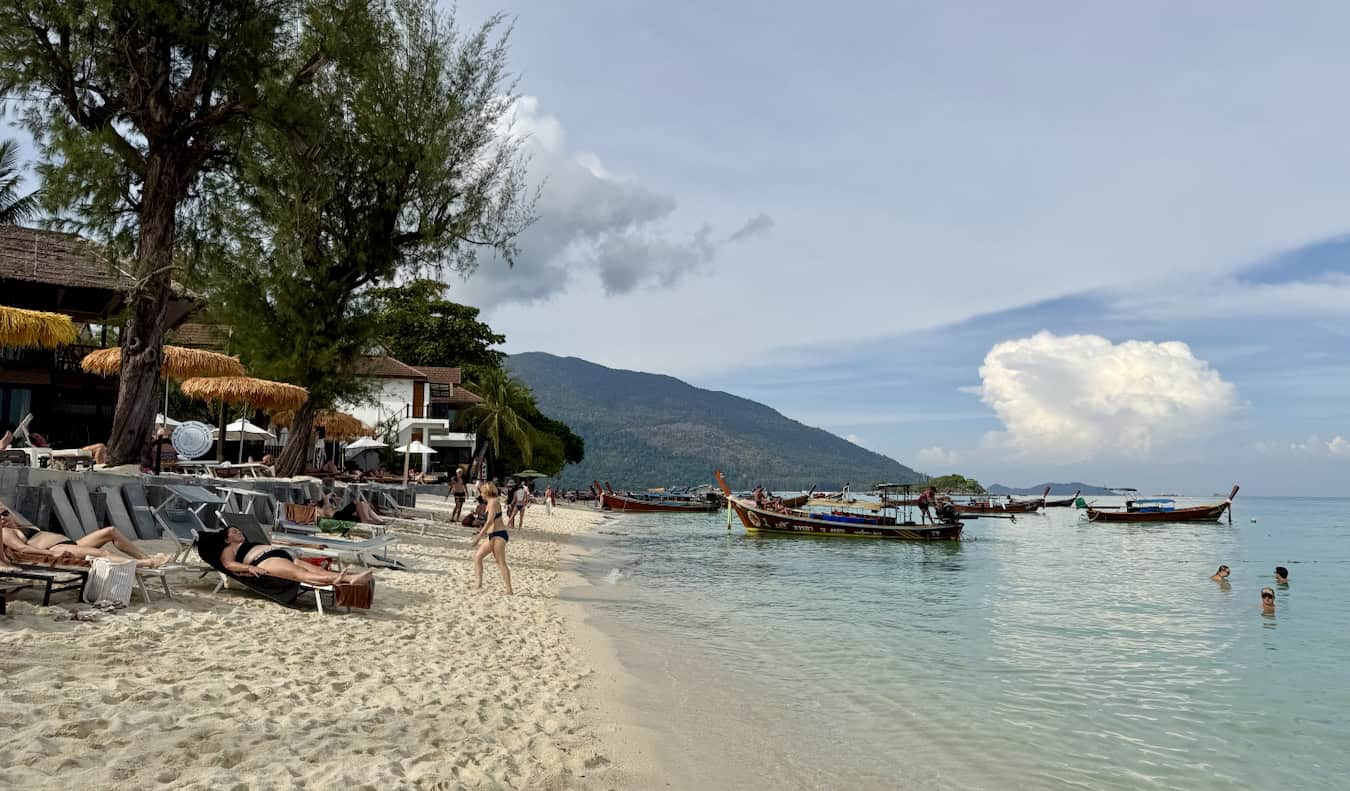
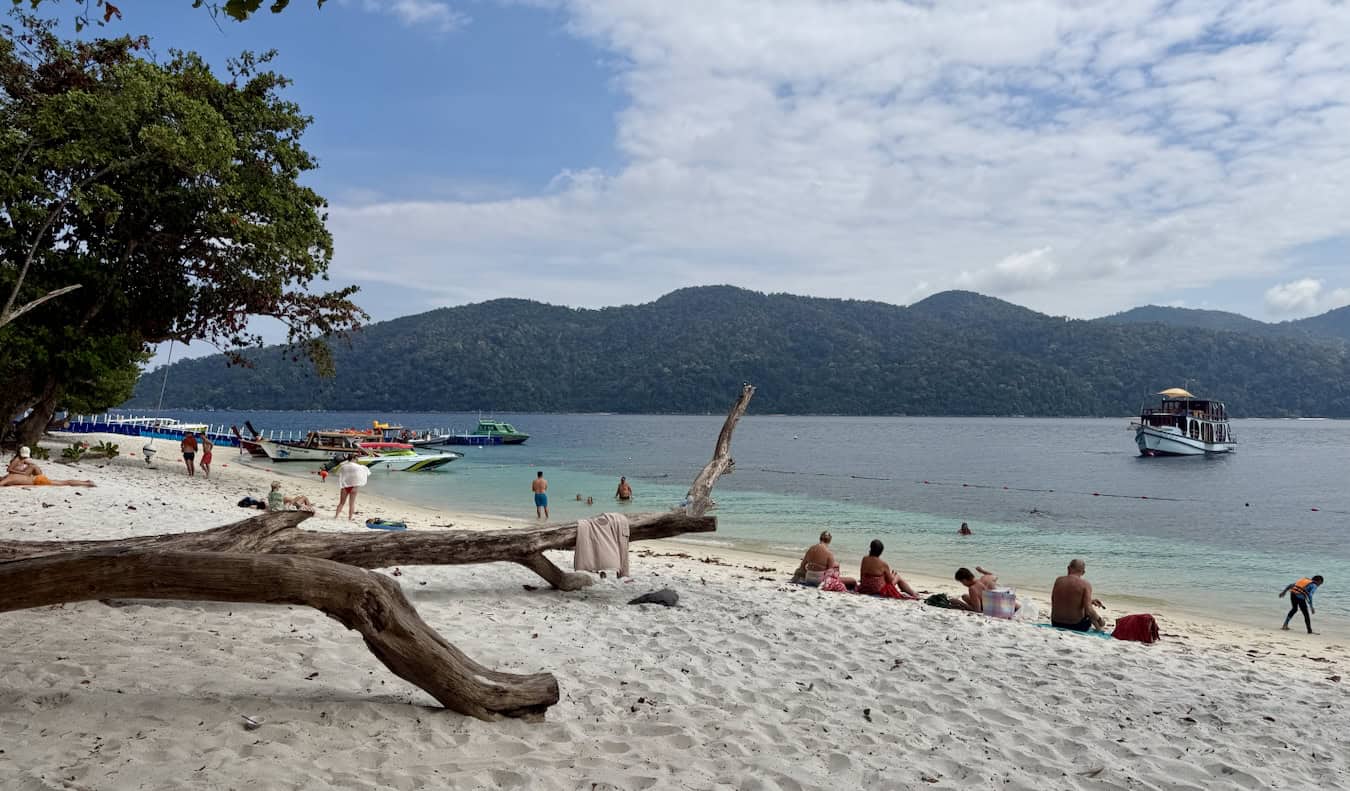
The author acknowledges that for first-time visitors, Ko Lipe may still hold considerable appeal. The island’s natural beauty remains undeniable: postcard-perfect scenery, azure waters, and white sandy beaches are complemented by proximity to a national park that offers access to secluded neighboring islands. In comparison to more heavily developed Thai destinations like Ko Phi Phi, Krabi, or Phuket, Ko Lipe might still appear relatively undeveloped, leading to initial impressions of awe.
However, the author argues that this initial positive impression is precisely what perpetuates the cycle of overdevelopment. He draws a parallel to his conclusion regarding Ko Phi Phi, asserting that responsible travelers should now reconsider visiting Ko Lipe. His stance is not against growth in principle, but against the unsustainable and poorly managed nature of Ko Lipe’s development. He posits that continued tourism will further strain the island’s limited resources, suggesting that the island’s transformation is irreversible.
The Call for Conscious Travel Choices
The author advocates for a conscious decision by travelers to forgo Ko Lipe, citing better-managed alternatives in the vicinity, such as Ko Lanta, Ko Jum, and Ko Mook. He believes that a visit to Ko Lipe, in its current state, will exacerbate existing problems. This conclusion, he admits, is painful given the profound positive impact the island had on his life during his initial visit.
He emphasizes the power of consumer choice in shaping travel trends, drawing parallels to the decline of elephant riding tourism due to increased consumer awareness and the rise of eco-lodges driven by traveler demand. The conversation around overtourism, he notes, is increasingly driven by consumers, not just locals. The author expresses a faint hope that collective action and increased traveler consciousness might eventually lead to positive change on Ko Lipe, though he remains skeptical.
The Impact of Individual Choices
Ultimately, the author’s plea is for travelers to recognize the impact of their choices. By choosing not to visit Ko Lipe, travelers can, at the very least, avoid contributing to its ongoing environmental and social degradation. He asserts that responsible stewardship and mindful travel necessitate acknowledging when a destination has reached its limit.
The author concludes by reiterating that Ko Lipe represents a point where "enough is enough." He encourages travelers to opt for destinations that are better managed and to understand that their decisions have tangible consequences. The hope is that by diverting tourism away from unsustainable locations, a more responsible and conscious approach to travel can be fostered, potentially influencing the future trajectory of popular tourist destinations worldwide. This sentiment is underscored by the promotion of his detailed budget guide to Thailand, implicitly encouraging exploration of destinations with more sustainable tourism models.




 Chandra Hamzah
 Gabriela Annisa
 Budi Mulyono

 Susilo Edi Turonggo
 Walid Sujud Trenggono