Susilo Edi Turonggo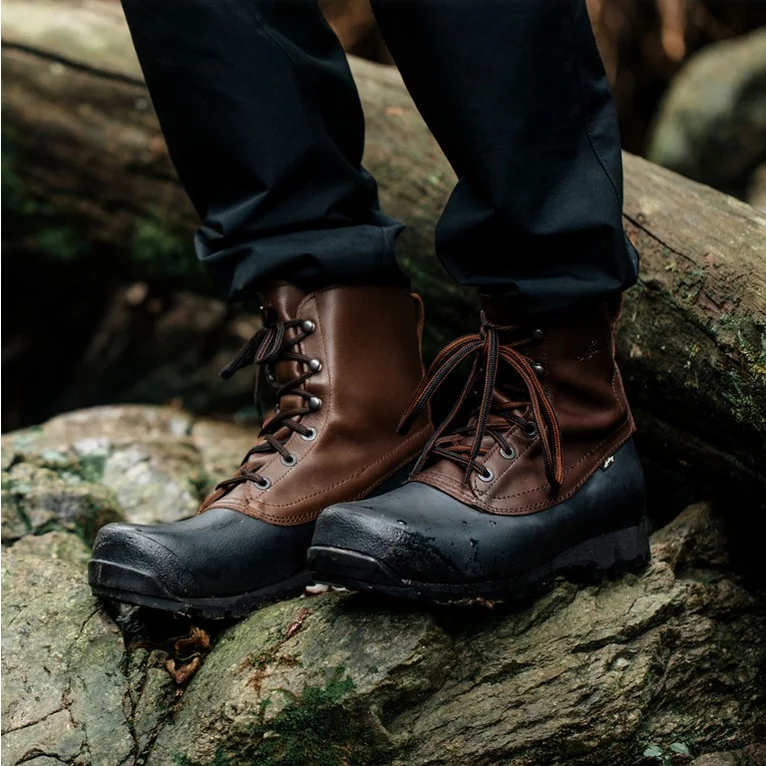
In the face of escalating environmental concerns and growing awareness of chemical hazards, the demand for sustainable winter boots free from per- and polyfluoroalkyl substances (PFAS) has become a critical focus for consumers and manufacturers alike. As winter weather brings snow and slush, the imperative to choose footwear that ensures both personal safety and ecological well-being is more pronounced than ever. Truly sustainable winter boots must offer robust weather resistance, demonstrate exceptional durability for prolonged use, and, crucially, be entirely devoid of toxic waterproof finishes. This paradigm shift in consumer expectations and industry practices reflects a broader movement towards responsible consumption and production, aiming to mitigate the long-term impact of conventional manufacturing processes on planetary health and human well-being.
Understanding the Pervasive Threat of PFAS: The "Forever Chemicals"
For those attuned to environmental and health-conscious trends in fashion and consumer goods, the term "per- and polyfluoroalkyl chemicals" (PFAS) has become increasingly familiar. These synthetic compounds, numbering in the thousands, are characterized by their unique chemical structure that imparts exceptional resistance to water, oil, and stains. Consequently, PFAS have found widespread application across a multitude of industries, ranging from fashion textiles and household products to food packaging and firefighting foams. In the outdoor gear sector, these substances are particularly prevalent, often marketed under the industry term "Durable Water Repellent" (DWR) finishes. They are extensively used to provide waterproofing and stain resistance without compromising breathability, making them staples in outdoor clothing, hiking gear, ski equipment, and especially snow-proof winter boots.
However, the efficacy of PFAS comes at a severe environmental and health cost. Scientists and environmental advocates have aptly dubbed them "forever chemicals" due to their extraordinary persistence. The robust carbon-fluorine bonds within PFAS molecules are among the strongest in organic chemistry, rendering them exceptionally resistant to degradation through natural processes. This inherent stability means that once PFAS enter the environment – whether flaking off boots, leaching from manufacturing waste, or released through consumer use – they do not readily break down. Instead, they accumulate in ecosystems, contaminating water bodies, soil, and eventually permeating into drinking water supplies. A 2023 study by the U.S. Geological Survey, for instance, detected PFAS in nearly half of the tap water samples across the United United States, underscoring the pervasive nature of this contamination.
The environmental ramifications extend beyond mere presence. The bioaccumulative nature of PFAS means they can build up in the tissues of living organisms, moving up the food chain. This persistence poses a significant threat to biodiversity and ecosystem stability. Moreover, the problem transcends environmental boundaries, directly impacting human health. Exposure to PFAS has been linked to a broad spectrum of adverse health effects, as documented by agencies like the Centers for Disease Control and Prevention (CDC) and the Environmental Protection Agency (EPA). These include, but are not limited to, increased risk of certain cancers (kidney and testicular), reproductive and developmental issues, disruption of the immune system, thyroid hormone disruption, and elevated cholesterol levels. Given that PFAS can migrate from consumer products, including footwear, into homes and directly onto skin, the urgency to eliminate these chemicals from everyday items is paramount.
The Paradigm Shift: From Chemical Dependency to Conscious Craftsmanship
Recognizing the profound implications of PFAS, a growing segment of the footwear industry is actively pursuing alternatives. The absence of specific labeling indicating "PFAS-free," "PFC-free," or "free of fluorinated chemicals" typically implies the presence of these forever chemicals in waterproofing treatments. This lack of transparency has propelled consumers to demand clearer disclosures and more responsible manufacturing practices. The transition to PFAS-free solutions is not merely a regulatory compliance issue but a fundamental re-evaluation of product design, material sourcing, and end-of-life considerations.
This evolving landscape has led to the establishment of rigorous criteria for what constitutes a truly sustainable, PFAS-free winter boot. Consumers are now empowered to make informed choices by scrutinizing brands against these benchmarks, ensuring their purchases align with both personal values and broader environmental protection goals. Beyond merely being PFAS-free, these criteria encompass the entire lifecycle of the product, from raw material extraction to manufacturing, distribution, and ultimate disposal or repair.
Key Pillars of Sustainable, PFAS-Free Winter Boot Production:
-
Safe & Sustainable Materials:
The foundation of sustainable footwear lies in its material composition. For naturally water-resistant options, high-quality leather remains a popular choice, provided it is sourced and processed responsibly. Certifications from the Leather Working Group (LWG) are crucial indicators in this regard. LWG certification signifies that tanneries adhere to stringent environmental standards concerning water usage, energy consumption, waste management, and the responsible handling of chemicals. This ensures that the environmental footprint of leather production is minimized.For boots incorporating recycled components, such as polyester linings or insulations, verification through the Global Recycled Standard (GRS) is essential. GRS certification guarantees that the recycled content claims are accurate and that responsible social, environmental, and chemical practices are maintained throughout the production process. This helps combat greenwashing and ensures genuine commitment to circular economy principles.
Furthermore, comprehensive chemical management is a non-negotiable aspect of sustainable production. Brands that prioritize chemical safety often seek bluesign® certification for their materials and processes. The bluesign® system aims to eliminate harmful substances from the very beginning of the manufacturing process, ensuring safe production for workers and environmentally sound products for consumers. Alternatively, adherence to a robust Restricted Substances List (RSL) demonstrates a brand’s proactive approach to identifying and eliminating hazardous chemicals from their supply chain, reflecting a serious commitment to environmental stewardship and consumer safety.
-
Transparent Supply Chain:
Ethical production extends beyond material choices to the human element. A sustainable brand must possess a deep understanding of its entire supply chain, from the sourcing of raw materials to the final assembly of the product. This includes knowing the locations of factories, understanding labor practices, and ensuring fair wages and safe working conditions. Brands that partner with organizations like the Fair Wear Foundation exemplify this commitment. The Fair Wear Foundation is a multi-stakeholder initiative that works with brands and factories to improve labor conditions in the garment and textile industry. Its rigorous auditing and remediation programs ensure that workers’ rights are respected.Beyond certifications, brands demonstrating transparency often publicly share their factory locations, conduct regular independent audits of their suppliers, and enforce a comprehensive code of conduct across all tiers of their supply chain. This level of transparency builds trust with consumers and holds brands accountable for the social and environmental impact of their operations.
-
After-Market Repair & Longevity:
The most sustainable product is often the one that lasts the longest. A truly sustainable pair of winter boots is designed with longevity as a core principle. Brands committed to extending the lifespan of their products often offer robust after-market services, including repair programs, replacement parts, and detailed guidance on product care and maintenance. This approach challenges the linear "take-make-dispose" model of consumption, promoting a circular economy where products are kept in use for as long as possible. By investing in repair services, brands not only reduce waste but also foster a deeper connection with their customers, signaling a commitment to quality and durability over planned obsolescence.
Pioneering Brands in the PFAS-Free Winter Boot Landscape:
Several brands are leading the charge in offering high-quality, PFAS-free winter boots that meet these stringent sustainability criteria:
-
Keen: A trailblazer in the outdoor footwear industry, Keen was among the first brands to eliminate PFAS from its products and transparently shared its transition process with the wider industry. This commitment facilitated a broader shift towards PFAS-free alternatives. Keen’s winter boots, ranging from stylish urban designs to heavy-duty performance models, feature PFAS-free Durable Water Repellent finishes. The brand exclusively partners with LWG-certified tanneries for its leather components and maintains a rigorous Restricted Substances List. Keen also demonstrates strong supply chain oversight, producing at least one in three pairs in its own factories and regularly auditing its Tier 1 and 2 suppliers to ensure adherence to its comprehensive code of conduct. Prices range from $115 to $250, with global availability through partner dealers in regions like China, Australia, Europe, and Asia, in addition to the U.S. market.
-
Jack Wolfskin: This outdoor brand is renowned for its innovative and earth-conscious gear, all of which are PFAS-free. Its winter boots frequently incorporate custom Texapore technology, a water and wind-proof membrane developed without fluorinated chemicals. Jack Wolfskin prides itself on supply chain transparency, listing all its partners, most of whom are bluesign®-approved or actively avoid hazardous substances. The brand further ensures ethical production by deploying independent inspectors to conduct regular audits, verifying safe and fair working conditions across its manufacturing facilities. With a price range of $120 to $230, Jack Wolfskin products are primarily available across most European countries.
-
Lundhags: A Swedish outdoor heritage brand established in 1932, Lundhags specializes in durable leather boots designed for the demanding Nordic climate. Its boots are crafted in Europe using materials sourced from a German tannery, ensuring a relatively short and transparent supply chain. Lundhags offers various boot constructions, including shell, one-layer, and three-layer designs, all built for longevity. A testament to its commitment to durability, the brand operates an after-market repair shop, actively encouraging customers to extend the life of their gear. Lundhags also ensures ethical factory working conditions under the Brav code of conduct. Prices for these premium boots range from $217 to $597, with availability primarily in most European countries.
-
Vaude: Vaude stands out for its commitment to both performance and sustainability. Its winter boots feature water and wind-proof membranes made from PFAS-free recycled polyester, reflecting a strong emphasis on circularity. The brand sources its leather uppers from local tanneries in Germany, minimizing transportation impact. Vaude exemplifies supply chain transparency, providing detailed information on where each boot was made directly on its product pages. Furthermore, the brand makes it remarkably easy for consumers to maintain and repair their boots, offering affordable replacement parts and comprehensive full-service repair options, thereby significantly extending product lifespans. Priced between $200 and $263, Vaude products are available in Canada and most European countries, though not currently in the U.S.
-
Forsake: Forsake offers a diverse range of LWG-certified waterproof boots, from sneaker-boot hybrids to heeled hiking styles. The brand’s parent group enforces a strict code of conduct for all its suppliers and conducts regular audits to ensure compliance. While Forsake demonstrates a strong commitment to ethical manufacturing and sustainable leather sourcing, further transparency regarding the origins of specialized components like memory foam insoles would enhance its overall sustainability profile. Prices typically fall between $145 and $160, with availability primarily in the U.S. market.
-
EcoAlf: A certified B-Corp, EcoAlf is at the forefront of sustainable fashion, producing vegan, PFAS-free boots using GRS-certified recycled polyester and a blend of new and recycled rubber. The brand meticulously tracks its supply chain down to Tier 3 suppliers, reflecting a robust commitment to responsible sourcing. While EcoAlf excels in tracing its immediate production chain, expanding transparency to the raw material sourcing stage for all components would further solidify its leadership in sustainable practices. With prices ranging from $145 to $299, EcoAlf’s products are widely available across the U.S., most South American, European, and Asian countries.
-
Will’s Vegan Store: Based in Europe, Will’s Vegan Store crafts its footwear in Italy and Portugal, utilizing innovative bio-based leathers and recycled polyester insulation. The brand is dedicated to tracing every step of its production process to ensure both sustainable and ethical practices. Many of its waterproof offerings explicitly state their PFAS-free status for the uppers. However, consumers should note that some shoes utilize unspecified "vegan leather," which can often be a plastic-based material, and not all waterproof pairs are universally declared PFAS-free. Therefore, checking individual product descriptions is advised. Prices range from $134 to $190, with worldwide shipping available.
-
Poppy Barley: Poppy Barley specializes in LWG-certified, water-resistant ankle and calf-length boots, produced in audited factories located in Europe and Mexico. The brand’s commitment to ethical production is evident in its factory partnerships. To ensure the highest level of sustainable sourcing, customers are encouraged to verify the LWG certification status on individual product pages, as not all boots may carry this specific label. With a price range of $293 to $480, Poppy Barley serves customers in the Continental U.S., Mexico, Canada, and Australia.
-
REI Used Gear: Embracing the principles of the circular economy, REI Used Gear provides a platform for consumers to buy, sell, and trade pre-owned outdoor equipment, including winter boots from various sustainable brands at discounted prices. This initiative significantly reduces the environmental impact associated with new production. While REI is actively working to eliminate PFAS from its own-brand products, it is crucial for customers utilizing the used gear platform to review product details carefully, as not all listed brands or older models may be specifically PFAS-free. Prices are highly variable, typically ranging from $22 to $149.50, and the service is available within the U.S.
The Broader Implications and Future Outlook:
The concerted shift towards PFAS-free and sustainably produced winter boots signifies a pivotal moment in consumer goods manufacturing. This movement is not merely a niche trend but a growing imperative driven by increasing scientific evidence of harm and heightened consumer awareness. The market is responding with innovation in material science, improved manufacturing processes, and greater supply chain transparency.
The implications are far-reaching:
- Consumer Empowerment: Consumers are gaining greater power to drive change by making informed purchasing decisions that align with their values for health and environmental protection.
- Corporate Responsibility: Brands are being challenged to move beyond superficial sustainability claims ("greenwashing") towards verifiable, comprehensive commitments to ethical and environmentally sound practices. This includes investing in research and development for safer alternatives and overhauling existing supply chains.
- Regulatory Momentum: As public awareness grows and scientific data accumulates, there is increasing pressure on regulatory bodies worldwide to implement stricter controls and outright bans on PFAS in consumer products, further accelerating the industry’s transition.
- Innovation in Green Chemistry: The demand for PFAS-free solutions is spurring significant innovation in green chemistry, leading to the development of novel waterproofing technologies that are both effective and benign.
While significant progress has been made, challenges remain, particularly in ensuring universal transparency across complex global supply chains and educating consumers about the nuances of "sustainable" claims. However, the current trajectory indicates a clear and irreversible movement towards a future where winter boots, and indeed all consumer products, are designed and produced with the health of both people and the planet at their core. The ongoing commitment from pioneering brands and the informed choices of consumers are collectively paving the way for a more sustainable and less toxic winter season.



 Chandra Hamzah
 Gabriela Annisa
 Tatiana Tantri Indah Sari
 Budi Mulyono
 Anjar Salim