
 Tatiana Tantri Indah Sari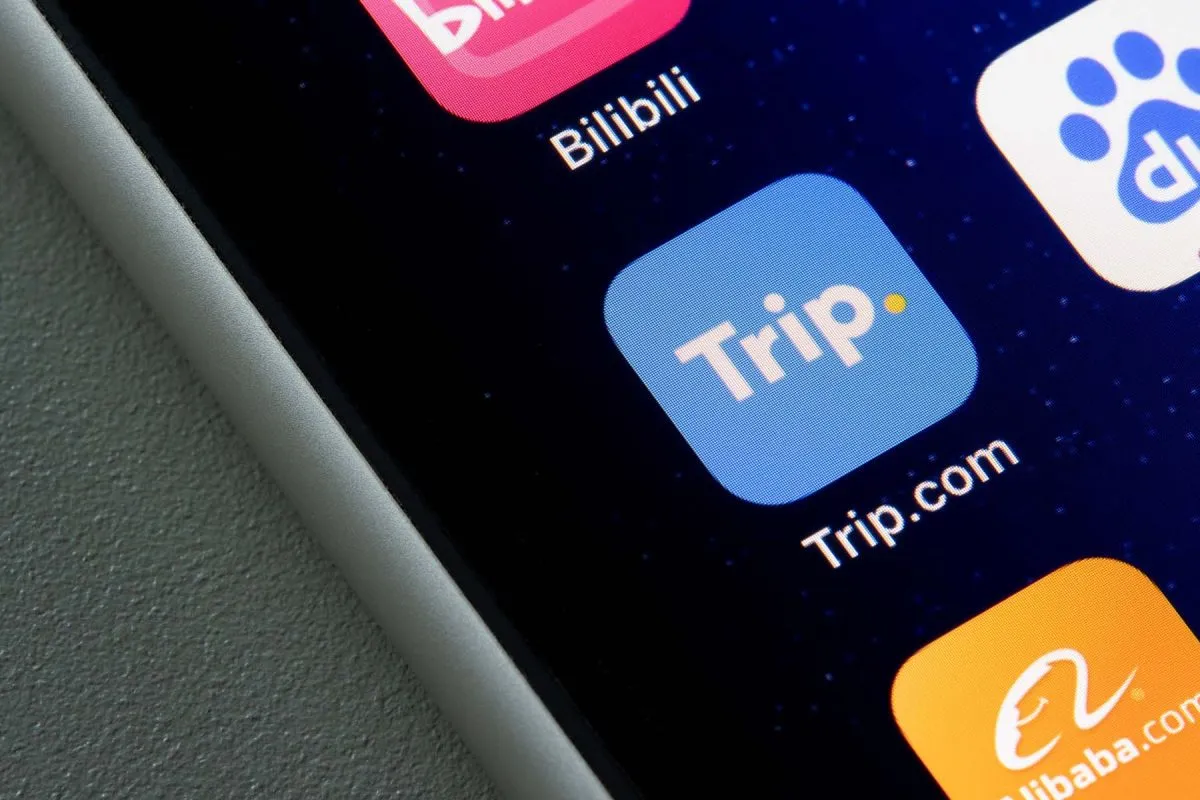
Trip.com Group, China’s preeminent online travel agency (OTA), is bracing for a substantial deceleration in its revenue growth, projecting a mere 3% to 8% increase for the second quarter, a stark contrast to the robust 17% growth reported in the first quarter. This tempered financial outlook underscores the intensifying pressures from Beijing’s tightening regulatory grip, particularly a sector-wide crackdown on train ticketing practices and an ongoing antitrust investigation specifically targeting the travel giant. The company’s management has acknowledged that while higher airfares and geopolitical uncertainties contribute to the weaker forecast, the primary driver stems from proactive adjustments aimed at aligning its operational practices with evolving industry standards and a more stringent compliance framework.
Q2 Outlook and Regulatory Headwinds
The projected revenue growth of 3% to 8% for the second quarter represents a significant recalibration of expectations for Trip.com Group, which has historically been a high-growth entity within China’s booming digital economy. In the first quarter, the company reported total net revenue of RMB 11.9 billion (approximately USD 1.65 billion), exceeding analyst expectations and demonstrating strong recovery momentum following the pandemic. This performance was largely fueled by robust domestic travel demand and a gradual resurgence in international travel. However, the optimism appears to have been tempered by the realities of an increasingly regulated market. Chief Financial Officer Xiaofan Wang articulated the company’s position during a recent earnings call, stating, "Our guidance incorporates the near-term impact of upgrading our operational practices to align with updated industry standards and compliance framework." This statement signals a strategic shift from aggressive market expansion to a more cautious, compliance-driven operational model, directly impacting short-term revenue generation.
The Broader Regulatory Landscape in China
Trip.com Group’s current predicament is not an isolated incident but rather a microcosm of a much broader regulatory overhaul initiated by the Chinese government since late 2020. This sweeping campaign initially targeted large technology companies, focusing on areas such as anti-monopoly practices, data security, consumer rights, and algorithmic transparency. Giants like Alibaba, Tencent, and Meituan have faced hefty fines and mandates to restructure their business operations. The State Administration for Market Regulation (SAMR) has been at the forefront of this crackdown, aiming to curb what it perceives as monopolistic behaviors, unfair competition, and the unchecked power of platform economies.
For the online travel sector, regulatory scrutiny began to intensify as early as 2021, with authorities signaling concerns over opaque pricing, bundling practices, and data collection. The core objective appears to be fostering a fairer, more transparent market environment for consumers and smaller competitors, while also ensuring national data security. This overarching regulatory environment creates a climate where even market leaders like Trip.com Group must prioritize compliance, potentially at the expense of immediate growth metrics.
Specific Pressures: Train Ticketing and Antitrust Scrutiny
Two distinct, yet interconnected, regulatory pressures are specifically impacting Trip.com. The first is a sector-wide crackdown on train ticketing practices. Historically, OTAs in China, including Trip.com, have offered value-added services around train ticket bookings, often involving dynamic pricing, bundling with insurance or expedited services, and premium booking features. While convenient for consumers, these practices have drawn criticism for a lack of transparency, particularly regarding additional fees and the prioritization of certain booking channels. Regulators are moving to standardize these practices, potentially limiting the scope for ancillary revenue generation and requiring clearer disclosure of all charges. This shift necessitates significant adjustments to Trip.com’s booking interfaces, pricing algorithms, and customer service protocols, all of which can introduce friction and temporarily reduce transaction volumes or profit margins.
The second, and perhaps more significant, pressure is an ongoing antitrust investigation specifically targeting Trip.com Group. While the exact scope of this investigation has not been fully disclosed by authorities, it is widely believed to center on the company’s dominant market position, which some estimates place at over 60% of China’s online travel market. Concerns likely include potential abuses of market power, such as exclusive agreements with hotels and airlines, predatory pricing strategies to stifle competition, or preferential display of its own products over those of third-party vendors on its platform. Such investigations can be protracted and may result in substantial fines, mandates for operational restructuring, or even divestitures, significantly altering the company’s competitive landscape and business model.
Timeline of Regulatory Action and Trip.com’s Response
The timeline of regulatory pressure on China’s tech sector provides crucial context. The initial signals of a widespread crackdown emerged in late 2020 with the abrupt halt of Ant Group’s IPO. Throughout 2021 and 2022, various sectors, including e-commerce, ride-hailing, and education technology, faced intense scrutiny. For the online travel industry, whispers of tighter regulations around data privacy and unfair competition began to circulate in early 2022.
By mid-2023, the focus sharpened on specific practices within the OTA sector, particularly regarding train and flight ticketing. Regulatory bodies reportedly engaged with major platforms to discuss new guidelines aimed at enhancing transparency and consumer protection. Trip.com’s antitrust investigation, while not publicly detailed with a precise start date, gained prominence in industry discussions and analyst reports during late 2023 and early 2024, signaling an escalating level of official scrutiny. The company’s current earnings call statement, explicitly mentioning "upgrading our operational practices," directly reflects its ongoing efforts to preempt or respond to these regulatory demands. This proactive stance, while potentially painful in the short term, is a common strategy employed by Chinese tech firms seeking to demonstrate compliance and mitigate further punitive measures.
Management’s Perspective and Operational Adjustments
Beyond the CFO’s direct statement, Trip.com’s management team has indicated a comprehensive approach to navigating these challenges. CEO Jane Sun, during the same earnings call, emphasized the company’s commitment to "sustainable growth" and "high-quality development," phrases often used by Chinese companies to signal alignment with government priorities. This implies a shift away from a "growth at all costs" mentality towards one that prioritizes regulatory adherence, data security, and responsible platform governance.
Operationally, this means Trip.com is likely undertaking a significant internal review of its business processes. For train ticketing, this could involve:
- Enhanced Transparency: Clearly separating base ticket prices from service fees, insurance, or other add-ons.
- Algorithm Adjustments: Ensuring booking algorithms do not unfairly prioritize Trip.com’s own offerings or disadvantage smaller providers.
- Data Privacy Audits: Strengthening data protection protocols in line with China’s Personal Information Protection Law (PIPL).
For the antitrust investigation, potential adjustments could include: - Revisiting Exclusive Contracts: Renegotiating or terminating agreements that might be deemed anti-competitive.
- Promoting Platform Openness: Facilitating easier access for smaller vendors and ensuring fair competition on its platform.
- Internal Compliance Training: Reinforcing regulatory guidelines across all departments.
These operational adjustments require significant resources, including investment in technology, legal counsel, and personnel, which can impact profitability in the near term.
Market Share and Competitive Dynamics
Trip.com Group, which operates brands like Trip.com, Ctrip, Skyscanner, and Qunar, holds a dominant position in China’s online travel market. Before the current regulatory cycle, its market share was estimated to be well over 50%, with some analyses pushing it closer to 70% in certain segments. This dominance has allowed the company to exert significant influence over pricing and distribution channels within the travel ecosystem.
The current regulatory pressures, particularly the antitrust investigation, are poised to reshape the competitive landscape. If Trip.com is forced to alter its business practices, such as relaxing exclusive contracts or making its platform more open, it could create opportunities for smaller domestic rivals like Fliggy (Alibaba’s travel platform), Meituan Travel, or newer startups to gain market share. This could lead to increased competition, potentially benefiting consumers through more choices and competitive pricing, but also potentially eroding Trip.com’s profit margins and market power in the long run. The outcome will likely be a more fragmented and competitive OTA market in China, a goal consistent with Beijing’s broader anti-monopoly agenda.
Analyst Reactions and Investor Sentiment
Following the announcement, financial analysts have largely adopted a cautious stance. While acknowledging Trip.com’s resilience and strong brand recognition, many have adjusted their short-term growth forecasts downwards. Investment banks have noted the "near-term impact" of compliance costs and operational restructuring, which could weigh on profitability. Some analysts, while recognizing the immediate challenges, also point to the potential for long-term benefits if the regulatory environment stabilizes and fosters a healthier, more transparent market. A more level playing field could, in theory, lead to more sustainable growth, albeit at a slower pace than previously anticipated.
Investor sentiment has reflected this caution, with Trip.com’s stock experiencing some volatility following the earnings call. While long-term investors may view the current adjustments as necessary for future stability in China, short-term traders might be deterred by the uncertainty surrounding the scope and duration of regulatory interventions. The company’s ability to demonstrate effective compliance while maintaining its competitive edge will be crucial for rebuilding investor confidence.
Implications for China’s Travel Sector and Digital Economy
The regulatory tightening on Trip.com Group has broader implications for both China’s travel sector and its digital economy. For the travel industry, it signals a new era where platform companies must balance innovation and growth with social responsibility and regulatory compliance. This could lead to a more standardized and transparent booking experience for consumers, potentially reducing instances of hidden fees or misleading offers. However, it might also temper the rapid innovation and aggressive expansion that characterized the sector in previous years.
For China’s digital economy as a whole, Trip.com’s situation reinforces the government’s unwavering commitment to reigning in the power of internet platforms. It suggests that no company, regardless of its market dominance or economic contribution, is immune to scrutiny. This regulatory shift is part of a larger strategy to promote "common prosperity," ensure fair competition, and prevent the unchecked accumulation of power by private tech giants. While it may slow down certain aspects of digital innovation in the short term, the government argues it creates a more equitable and sustainable environment for long-term economic development.
Looking Ahead: The Path to Compliance and Sustainable Growth
Trip.com Group’s immediate future will be defined by its ability to navigate these complex regulatory waters. The company’s management faces the delicate task of implementing significant operational changes without alienating its vast user base or crippling its revenue streams. The emphasis will likely be on demonstrating proactive compliance, engaging constructively with regulatory bodies, and communicating transparently with stakeholders.
In the long term, once the immediate regulatory storm subsides, Trip.com will need to redefine its growth strategy within the new compliance framework. This might involve exploring new revenue streams less reliant on potentially scrutinized practices, expanding its international footprint (where regulatory environments differ), or focusing on higher-value, more personalized travel services. The company’s established brand, technological capabilities, and deep understanding of the Chinese travel market remain significant assets. However, the path to sustainable growth will now inextricably link to its capacity for regulatory adaptation and its commitment to responsible platform governance in a rapidly evolving policy landscape.




 Chandra Hamzah
 Budi Mulyono
 Anjar Salim
