Lukman Taruna Persada Ramadan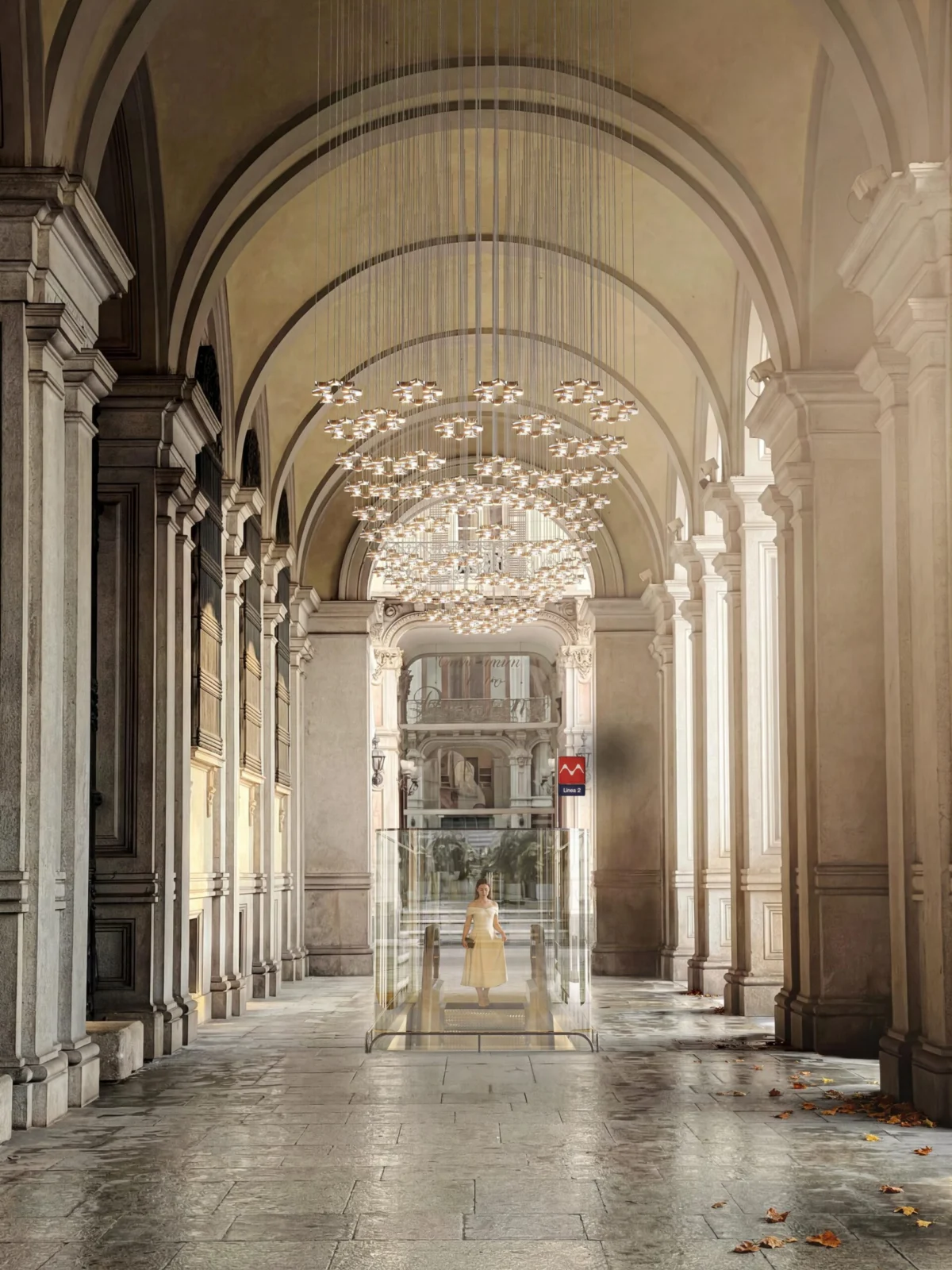
The ambitious endeavor of reimagining an urban transportation infrastructure, not merely as a functional network but as a distinctive urban landmark, presents an formidable challenge in any major city. This complexity is amplified exponentially when the project is situated within Turin, Italy, a city celebrated for its profound historical legacy and dynamic contemporary pulse. However, UNStudio’s visionary proposal, chosen by an international panel of experts, promises to transcend these inherent difficulties by ingeniously weaving Turin’s rich historical tapestry into a modern, inviting, and highly functional transit system. Their design philosophy champions the translation of existing city places and narratives into a cohesive, contemporary public realm, effectively turning a new metro line into an act of profound city-making.
The Vision for Turin Metro Line 2: Integrating History and Future
UNStudio’s winning design for Turin’s Metro Line 2, developed in a collaborative consortium with a roster of specialized Italian firms including Settanta7, Mijksenaar, Frigorosso, 3BA, and WSP, was lauded for its innovative approach. The core of their strategy lies in the seamless integration of new metro stations with key urban spaces, forging a network that is both highly efficient and deeply embedded in the city’s identity. This approach goes beyond mere connectivity; it seeks to create a new layer of urban experience, enhancing civic life and reinforcing Turin’s unique character. The project is poised to be a significant addition to Turin’s urban landscape, a city of approximately 870,000 residents within its municipal boundaries, and a broader metropolitan area exceeding 2.2 million, making it a crucial hub in northern Italy. The existing Metro Line 1, inaugurated in 2006, serves as a testament to the city’s commitment to modern public transport, and Line 2 is designed to further expand this commitment, addressing future mobility needs and sustainable urban growth.
A Collaborative Endeavor for Urban Transformation
The selection of UNStudio and its partners highlights the international recognition of their expertise in large-scale urban infrastructure projects. The consortium’s diverse specializations — from architecture and engineering to wayfinding and lighting design — underscore the multidisciplinary nature required to tackle a project of this magnitude. Settanta7, an Italian architecture and engineering firm, brought crucial local knowledge, while Mijksenaar, a Dutch agency, contributed their renowned expertise in wayfinding, ensuring intuitive navigation within the complex metro environment. Frigorosso and 3BA provided further architectural and structural insights, with WSP offering global engineering and consulting capabilities, forming a robust team capable of delivering on the project’s ambitious vision. This collaborative synergy was deemed essential by the international jury, comprising leading figures in urban planning, architecture, and transportation, for its comprehensive understanding of Turin’s unique context and the technical demands of a modern metro system.
Turin’s Enduring Fabric: History Meets Modernity in Design

At the heart of the design proposal lies a profound respect for Turin’s existing urban fabric. The city’s historical development has been intrinsically linked to concepts of "flow" – from the natural waterways of the Po and Dora rivers, which have shaped its geography and economy for centuries, to the iconic 18 kilometers (11 miles) of arcaded porticoes that define its pedestrian experience. These porticoes, a UNESCO World Heritage site candidate, offer sheltered passage and have historically fostered social interaction and commerce, becoming an undeniable symbol of the city’s elegance and thoughtful urban planning. UNStudio’s design for Metro Line 2 interprets this enduring legacy of flow, transparency, and vital connection, aiming to link diverse neighborhoods, historical eras, and generations. The metro is envisioned not just as a means of transport but as an extension of Turin’s characteristic movement patterns, a modern subterranean portico system.
Three overarching design principles were developed to facilitate this seamless flow and integration:
- Infrastructure as Public Space and Social Catalyst: The design positions the metro system as more than just utilitarian infrastructure, transforming it into a vibrant public realm that fosters social interaction and community engagement.
- Strengthening Sense of Place and Neighborhood Identity: Each station is conceived as a unique gateway, reflecting and enhancing the distinct character of its surrounding neighborhood, thereby enriching the user’s experience of the city.
- Enhancing User Experience: A holistic approach to design ensures that every aspect of the passenger journey, from initial planning to boarding the train, is intuitive, comfortable, and aesthetically pleasing.
Statements on Design Philosophy: A New Civic Connection
Ben van Berkel, founder and principal architect of UNStudio, articulated the profound ambition behind the project. "For Turin’s new Metro Line 2, we wanted to create more than a transport system," he stated. "We wanted to design a new civic connection for the whole city, one that brings Turin’s history and its future into direct conversation. What is especially important is that this metro is truly public in spirit: it feels open, safe, and welcoming, with stations and entrances that extend the public realm so that, in places, the park meets the metro and infrastructure becomes part of the city’s shared social space." This statement underscores a philosophy that views public transport as a fundamental component of urban identity and quality of life, extending the city’s social infrastructure beneath its streets. The Extraordinary Commissioner Chiaia, whose office is involved in the oversight of such critical urban developments, would likely echo this sentiment, emphasizing the strategic importance of this project for Turin’s long-term urban resilience and citizen well-being.
The Architectural Language: Transition and Identity
Turin’s unique urban evolution, shaped by its aristocratic past, robust industrial heritage, and recent transformation into a hub for culture, creativity, and gastronomy, profoundly influenced the project’s central theme: transition. This concept is visibly embodied in the city’s architecture, particularly its extensive porticoes, which serve as transitional spaces between public streets and private buildings. The design of Metro Line 2 translates this narrative of movement and transition into a simple yet powerful architectural language, shifting from the traditional arch to the modern portico, from fluid curves to defined squares.
The city’s architectural character, marked by grand façades and clear geometries, often conceals richer, more detailed interior experiences. The new metro line embraces this characteristic contrast, presenting a restrained and integrated exterior presence that then unfolds into more welcoming, distinctive, and spatially rich interior station environments. This design choice ensures that the stations, while modern, resonate with Turin’s architectural DNA.

A flexible and modular design approach was paramount for a network of 32 stations, with an initial phase focusing on the detailed design of 10 key stations. This modularity allows for adaptation across diverse urban conditions along the line without compromising the project’s overarching vision. The architectural language can be adjusted in scale, proportion, and programmatic elements to suit different sites, from bustling city squares like Carlo Alberto to residential areas like San Giovanni Bosco and green spaces such as Mole Giardini, all while maintaining a consistent visual and experiential logic across Metro Line 2.
A crucial element of this approach is "station identity." Each station is designed to respond directly to its specific context through curated art installations, thoughtful landscape design at entrances, and localized references. This is guided by nine thematic principles, including nature, history, innovation, and culture, ensuring that each station tells a unique story while remaining part of a coherent whole. For instance, a station near a historical site might subtly integrate motifs from that era, while one adjacent to a modern university could feature contemporary art or digital displays, creating a tapestry of experiences along the line.
The aesthetic elements, such as the color palette, further reinforce this connection to place. Moving from warm yellows and ochres to vibrant greens and serene blues, the colors reflect Turin’s diverse terrain, landscape, and atmospheric qualities. The comprehensive branding extends across the entire passenger journey, from physical signage within stations to digital applications for trip planning, even influencing merchandise and the tone of voice used in public communications. This holistic brand experience aims to create a metro environment that is clear, calm, and effortlessly navigable, where spaces facilitate both efficient movement and a strong sense of belonging.
Beyond Aesthetics: Functionality and User Experience
UNStudio’s extensive experience in transport design is evident in their meticulous consideration of every step of the passenger journey. From the initial online ticket purchase and trip planning, through approaching the station, entering its concourses, making navigation decisions, reaching the correct platform, and finally boarding the train, every interaction point has been optimized for clarity, comfort, and safety. This user-centric design philosophy is crucial for fostering public trust and encouraging the adoption of public transport.
Throughout the network, local references are subtly embedded into the design language, making stations feel intrinsically connected to their surroundings and easier for passengers to remember. This localization helps to mitigate the often-impersonal feel of large transit systems, replacing it with a sense of familiarity and rootedness. Durable, high-performance materials such as aluminum and porcelain stoneware are specified to ensure longevity and minimize maintenance, critical for high-traffic public spaces. Diffused lighting strategies are employed to reduce glare and enhance visual comfort, creating inviting and safe environments. Wayfinding elements are seamlessly integrated, often using terrazzo-inspired flooring patterns that subtly link historical Italian craftsmanship with contemporary infrastructure, guiding passengers intuitively through the spaces.
Broader Implications for Urban Development and Sustainability

The development of Turin’s Metro Line 2 is far more than a transport project; it is a strategic investment in the city’s future. Its implications are broad, touching upon urban mobility, environmental sustainability, economic development, and social cohesion.
- Enhanced Mobility and Reduced Congestion: By providing a fast, reliable, and high-capacity alternative to private vehicles, Line 2 is expected to significantly reduce traffic congestion, particularly in the city center. This will translate into shorter commute times, improved air quality, and a more pleasant urban environment for residents and visitors alike.
- Environmental Benefits: A robust metro system is a cornerstone of sustainable urban living. By encouraging a shift from car use to public transport, Line 2 will contribute to a substantial reduction in carbon emissions, helping Turin meet its climate goals and improve overall public health by mitigating air and noise pollution.
- Economic Catalyst: Improved connectivity can stimulate economic growth by making various parts of the city more accessible for businesses, workers, and consumers. The project itself represents a significant investment, creating jobs during construction, and its long-term operation will support local economies. Furthermore, increased accessibility can boost tourism, allowing visitors to explore Turin’s diverse attractions more easily.
- Social Cohesion and Accessibility: The new metro line will connect previously underserved neighborhoods, fostering greater social equity and accessibility for all citizens. It will bridge socio-economic divides by providing affordable and efficient transport options, enhancing opportunities for education, employment, and leisure across the city. The design emphasis on safety, openness, and welcoming spaces aims to create a truly inclusive public amenity.
- Architectural and Cultural Legacy: As a landmark project, Metro Line 2 will contribute significantly to Turin’s architectural legacy. By seamlessly blending historical context with contemporary design, it sets a new standard for integrating infrastructure within culturally rich urban environments, potentially inspiring future urban developments in Italy and beyond.
Challenges and Future Outlook
Developing such a complex infrastructure project within a historic European city like Turin inevitably presents a myriad of challenges, from archaeological considerations during excavation to navigating dense urban environments and ensuring minimal disruption to daily life. The project’s phased approach, beginning with the detailed design of 10 stations, demonstrates a pragmatic understanding of these complexities, allowing for iterative development and adaptation.
The successful implementation of Turin’s Metro Line 2, guided by UNStudio’s visionary design and the collaborative expertise of its partners, promises to redefine urban mobility in the city. It represents a forward-looking commitment to sustainability, accessibility, and civic pride, transforming a functional necessity into an enduring symbol of Turin’s progressive spirit and its deep connection to its past. As construction progresses and the line gradually opens, it is poised to become an indispensable artery, breathing new life into the historic city and propelling it confidently into the future. The project’s completion, though years away, is eagerly anticipated as a testament to thoughtful urban planning and innovative design.


 Chandra Hamzah
 Gabriela Annisa
 Tatiana Tantri Indah Sari
 Budi Mulyono
 Anjar Salim