
 Budi Mulyono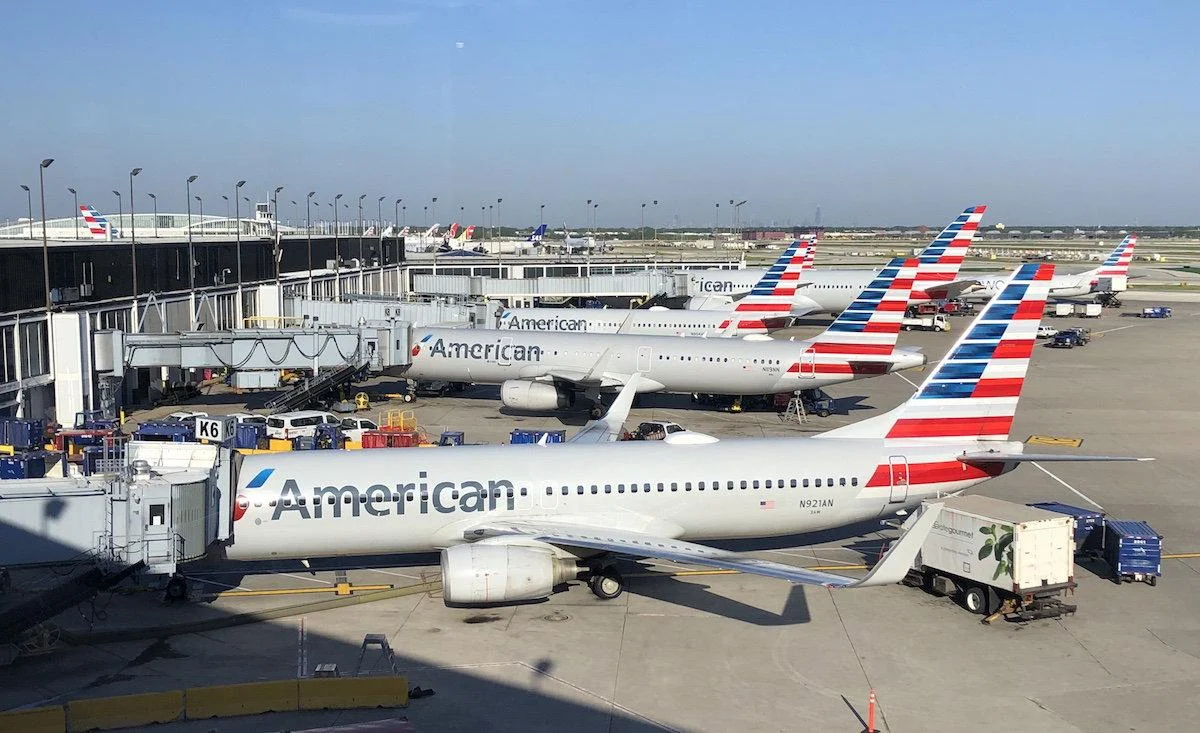
The landscape of the American aviation industry faced a potential seismic shift this week following reports that United Airlines Chief Executive Officer Scott Kirby has engaged in preliminary discussions with the Trump administration regarding a possible acquisition of American Airlines. The proposal, which would involve a merger of two of the "Big Three" legacy carriers, represents what would be the largest consolidation in the history of commercial aviation. According to reports first published by Bloomberg on April 13, 2026, Kirby has personally pitched the concept to senior government officials, signaling a bold attempt to reshape the competitive environment under a more deregulation-friendly executive branch.
While it remains unclear whether formal overtures have been made to the board of American Airlines or if a structured exploratory process is currently underway, the news has sent shockwaves through the industry. Sources familiar with the matter, speaking on the condition of anonymity, indicate that these conversations have been circulating within high-level government circles for approximately one week. The timing of the pitch appears strategically aligned with the current administration’s stated preference for "big deals" and a general openness toward corporate consolidation as a means of strengthening national economic pillars.
A New Era of Regulatory Philosophy
The impetus for this potential merger arrives amidst a significant shift in the federal government’s approach to antitrust enforcement. During the previous administration, the Department of Justice (DOJ) and the Department of Transportation (DOT) maintained a rigorous stance against airline consolidation, successfully blocking the merger between JetBlue Airways and Spirit Airlines and dissolving the Northeast Alliance between JetBlue and American Airlines. However, the current administration has signaled a departure from this restrictive framework.
Transportation Secretary Sean Duffy has recently expressed a general favorability toward industry consolidation, suggesting that larger, more robust corporate entities are better positioned to compete on a global scale. This sentiment was echoed by Delta Air Lines CEO Ed Bastian, who predicted in early 2025 that the industry was ripe for another wave of mergers. Against this backdrop, Kirby’s proposal to acquire American Airlines is seen by some analysts not as a fringe idea, but as a calculated move to capitalize on a brief window of regulatory opportunity before the upcoming midterm elections.
The Chronology of Airline Consolidation Rumors
To understand the gravity of a United-American merger, one must look at the timeline of events leading up to this disclosure. The mid-2020s have been characterized by financial volatility and shifting consumer demands, prompting several carriers to seek out partners to stabilize their balance sheets.
- Late 2024: Following the collapse of the Spirit-JetBlue deal, JetBlue Airways began publicly signaling its intent to find a new merger partner to ensure its long-term viability.
- Early 2025: Scott Kirby became vocal regarding United Airlines’ interest in JetBlue, suggesting that a combination would provide United with a critical advantage in the highly competitive New York and Florida markets.
- Late 2025: Speculation intensified as the Trump administration took office, with various CEOs meeting with the new Transportation Secretary to discuss the future of the National Airspace System.
- March 2026: Reports surfaced that several "mid-tier" mergers were being vetted by the DOT, involving carriers like Alaska Airlines and Southwest.
- April 13, 2026: Bloomberg breaks the news that Kirby’s ambitions have pivoted from mid-sized acquisitions to a direct takeover of United’s primary rival, American Airlines.
Market Positioning and Comparative Data
A merger between United Airlines and American Airlines would create a behemoth unparalleled in the history of flight. Currently, the "Big Four"—American, Delta, United, and Southwest—control roughly 80% of the United States domestic market.
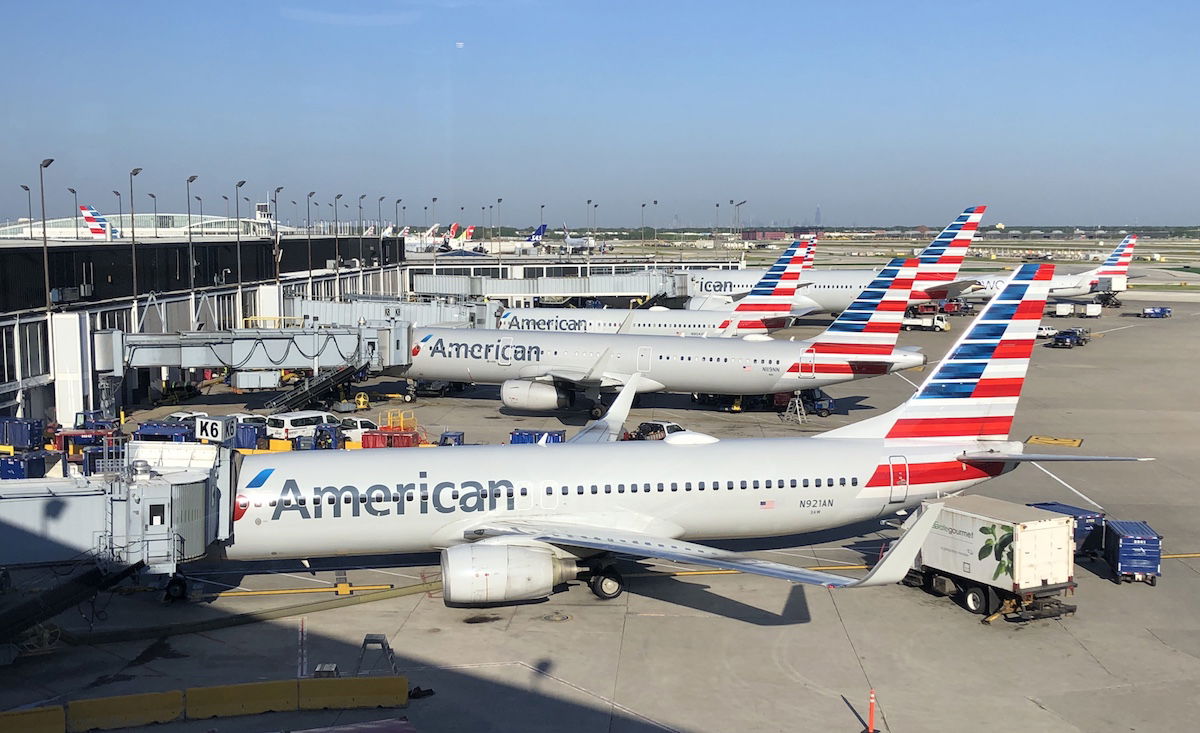
As of 2025 data, American Airlines operates the world’s largest fleet with approximately 960 aircraft, while United Airlines follows closely with nearly 930. A combined entity would manage a fleet of nearly 1,900 mainline aircraft, dwarfing Delta Air Lines’ fleet of roughly 950. In terms of passenger traffic, American Airlines carried approximately 211 million passengers in 2024, while United carried 165 million. A combined carrier would account for nearly 40% of all domestic departures in the United States.
Financially, the two companies present different profiles. American Airlines has struggled with a significant debt load, a remnant of its 2013 merger with US Airways and the capital expenditures required for fleet renewal. Conversely, United Airlines, under Kirby’s leadership, has pursued an aggressive "United Next" growth strategy, focusing on upgauging aircraft and expanding international premium capacity. Kirby has been publicly critical of American’s recent strategic direction, famously stating in late 2024 that American was "cooked" due to its focus on short-haul regional flying at the expense of a robust long-haul international network.
The Kirby Factor: A History of Rivalry
The personal dynamics behind the proposed deal are as significant as the financial metrics. Scott Kirby’s career is deeply intertwined with the history of American Airlines. He served as the President of American Airlines following the US Airways merger but was abruptly ousted in 2016. Within weeks, he was hired as President of United Airlines, eventually ascending to the CEO role in 2020.
Industry observers have often noted Kirby’s competitive drive regarding his former employer. His tenure at United has been marked by a series of strategic maneuvers designed to outflank American in key hubs and international markets. The proposal to acquire American Airlines is viewed by some as the ultimate culmination of this rivalry—a move that would effectively dissolve the brand of the company that once let him go.
Operational and Antitrust Challenges
Despite the current administration’s leanings, the logistical and legal hurdles to a United-American merger remain formidable. Antitrust experts point to several "red flag" areas that would likely trigger intense scrutiny:
- Hub Concentration: Both airlines maintain massive operations at Chicago O’Hare (ORD) and Los Angeles International (LAX). A merger would create a near-monopoly on several high-traffic routes out of these airports.
- Labor Integration: The history of airline mergers is fraught with labor disputes. Integrating the seniority lists of tens of thousands of pilots, flight attendants, and mechanics from two different corporate cultures is a process that can take a decade and cost billions of dollars in "harmonized" wages.
- Global Alliances: United is a founding member of the Star Alliance, while American is a cornerstone of the Oneworld alliance. A merger would force a massive realignment of international partnerships, affecting hundreds of foreign carriers and millions of frequent flyers.
- Fleet Diversity: While both airlines operate significant numbers of Boeing 737 and 787 aircraft, American has a much larger commitment to the Airbus A321 family. Consolidating maintenance and training programs for such a diverse fleet would present immediate operational complexities.
Potential Strategic Motivations
Given the near-impossible odds of a direct merger between the two largest carriers, some analysts suggest that Kirby may be employing a "decoy strategy" or "4D chess." By floating a deal of this magnitude, Kirby may be attempting to shift the goalposts of what is considered "acceptable" consolidation.
If the administration and the public are forced to contemplate a United-American merger, a smaller deal—such as United acquiring JetBlue—suddenly appears far more reasonable and less threatening to market competition. This strategy would allow United to secure the regulatory approvals it actually desires by making them seem like a compromise compared to the "big deal" Kirby originally pitched.
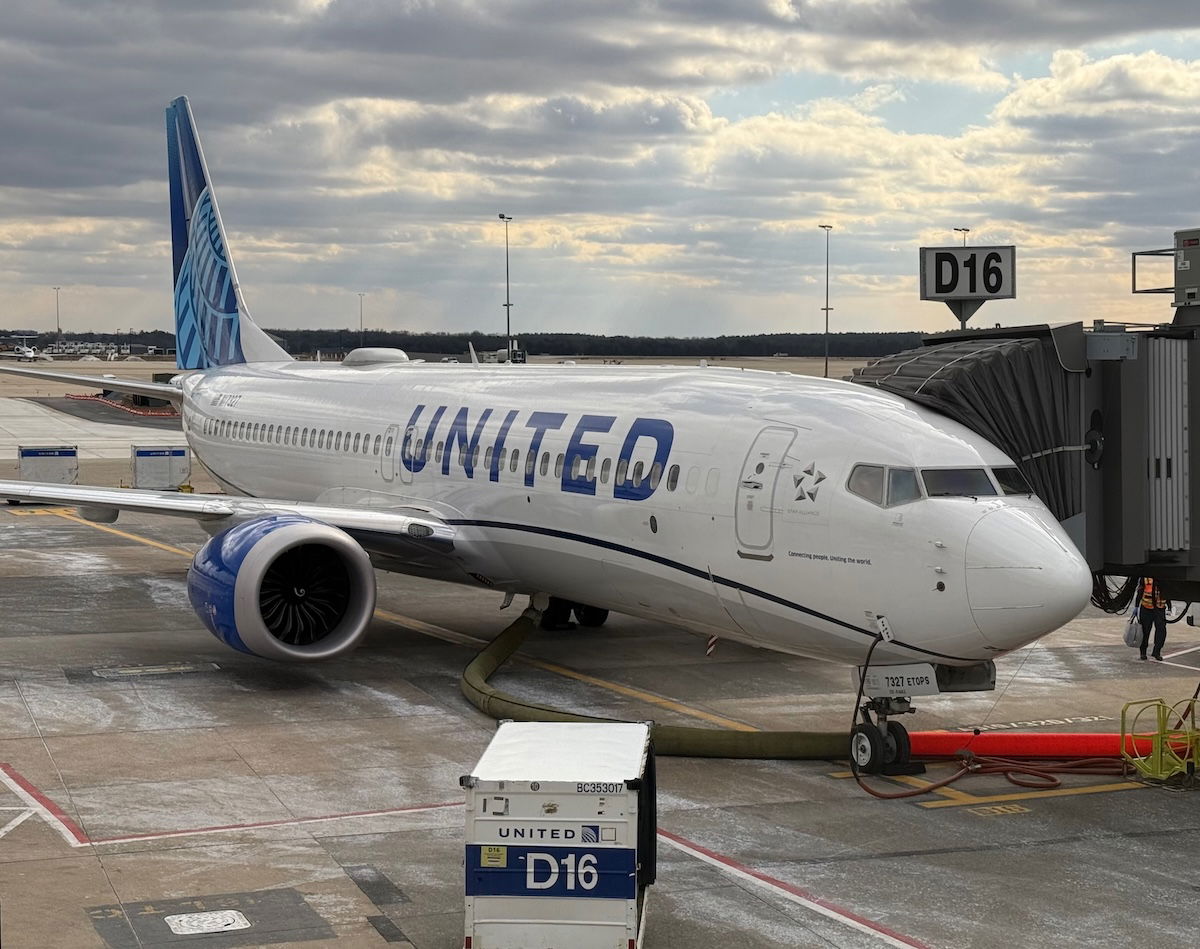
Alternatively, Kirby may be betting on the administration’s desire to create a "National Champion." In this view, a combined United-American entity would be better equipped to compete against state-backed carriers in the Middle East and rapidly expanding airlines in Asia, serving as a consolidated American powerhouse on the global stage.
Industry and Political Reactions
While official statements from American Airlines and the Department of Justice have not yet been released, the news has already drawn criticism from consumer advocacy groups. "A merger of this scale would be an unmitigated disaster for the traveling public," said a spokesperson for the FlyersRights organization. "It would lead to fewer choices, higher fares, and the abandonment of smaller regional airports that rely on competition between these two carriers."
On Capitol Hill, the reaction is divided. Some Republican lawmakers have signaled that they would support any move that strengthens the domestic aviation sector and reduces government interference. Meanwhile, Democratic leaders in the Senate have expressed alarm, vowing to hold hearings on the impact such a merger would have on labor rights and consumer pricing.
Future Implications
The disclosure of Kirby’s pitch marks the beginning of what will likely be a prolonged period of speculation and volatility in the aviation sector. If the Trump administration chooses to move forward with exploring the deal, it would represent the most significant intervention in the commercial airline market since the Airline Deregulation Act of 1978.
For now, the industry remains in a state of watchful waiting. The viability of the proposal depends on whether the administration views the merger as a path toward economic strength or a step too far toward market monopolization. Regardless of the outcome, Scott Kirby has once again succeeded in placing United Airlines at the center of the global aviation conversation, challenging the traditional boundaries of corporate ambition and regulatory possibility.




 Anjar Salim
 Dwi Wanna
 Lukman Taruna Persada Ramadan
 Chandra Hamzah
 Gabriela Annisa