
 Budi Mulyono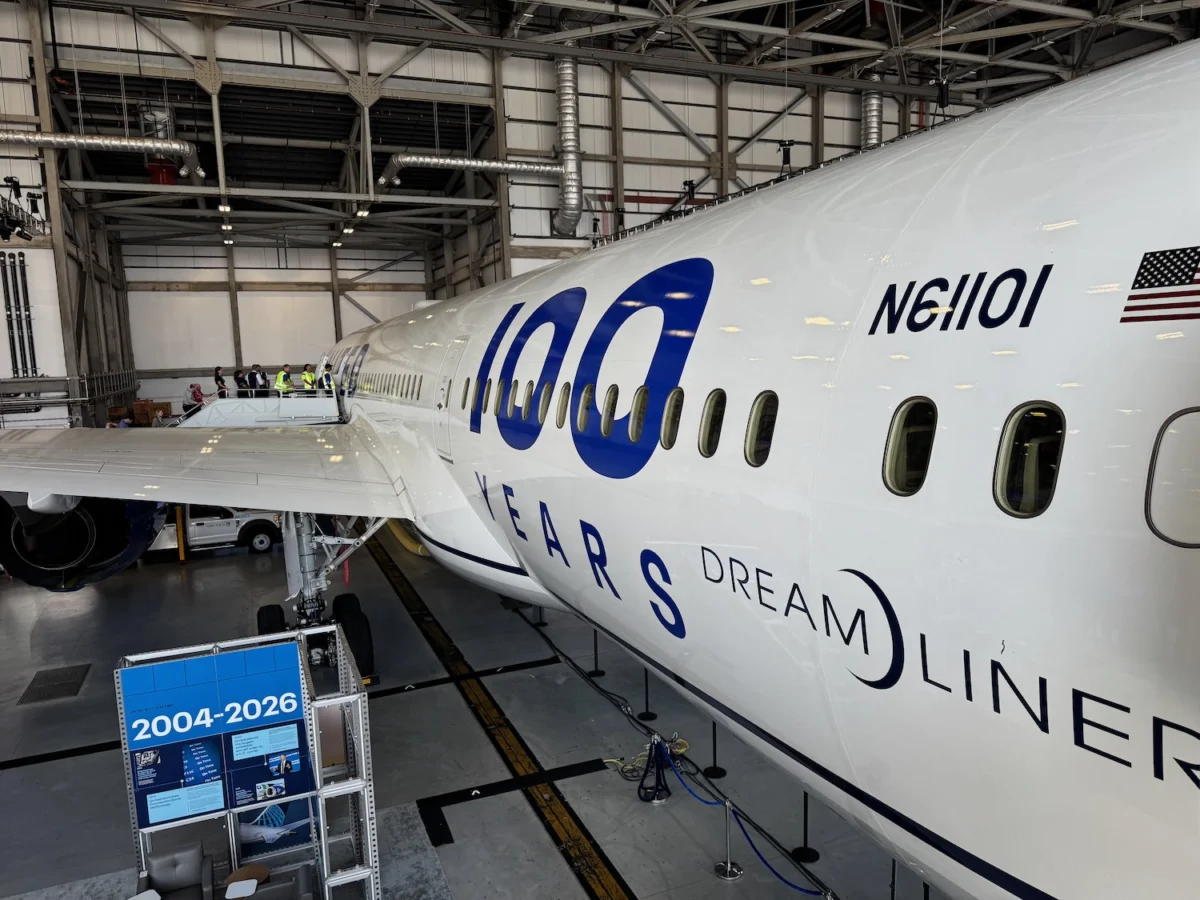
United Airlines has officially pulled its newest and most highly anticipated widebody aircraft, the first Boeing 787-9 Dreamliner featuring the "Elevated" interior, from scheduled commercial service following a series of persistent mechanical and operational setbacks. The aircraft, which represents the pinnacle of United’s international premium strategy, is currently grounded at San Francisco International Airport (SFO) and is slated for a ferry flight to Moses Lake, Washington. This location serves as a primary Boeing maintenance and flight test facility, suggesting that the issues plaguing the jet require manufacturer-level intervention rather than routine airline maintenance.
The removal of this specific airframe is a significant blow to United’s summer scheduling. As the debut vessel for the carrier’s new "Polaris Studio" suites, the aircraft was intended to be the flagship of the fleet, offering a level of luxury designed to compete with top-tier international carriers. However, after only a few weeks of sporadic service, the aircraft’s inability to maintain a reliable flight schedule has forced the airline to return it to the manufacturer for comprehensive troubleshooting.
The Elevated 787-9: A Strategic Investment in Premium Travel
The "Elevated" 787-9 is not merely another addition to the United fleet; it is the blueprint for the airline’s future long-haul experience. The aircraft features a heavily modified cabin configuration designed to maximize premium revenue. The layout includes 99 premium seats, a density significantly higher than standard Dreamliner configurations.
At the heart of this new product are eight Polaris Studio suites. These are located in the first row of the business class cabin and offer a "business class plus" experience. Features include increased personal space, privacy doors, and higher-end amenities such as upgraded bedding and, on select routes, enhanced dining options including caviar service. Behind the Studio suites are 56 standard Polaris business class seats, all of which have been updated with privacy doors—a first for United’s 787 fleet.
The premium-heavy configuration continues with 35 United Premium Plus seats, targeting the lucrative mid-tier market. The remaining 188 seats in the economy cabin have also been refreshed with larger 4K seatback screens, Bluetooth connectivity, and increased power outlet availability. United’s goal with this aircraft was to anchor high-yield routes, specifically those connecting San Francisco to global financial hubs like London Heathrow (LHR) and Singapore Changi (SIN).
Chronology of Operational Disruptions
The entry into service for this specific 787-9 has been characterized by volatility. Shortly after its delivery and initial commercial launch, the aircraft began experiencing technical irregularities that resulted in a series of delays and cancellations.
According to flight tracking data and internal reports, the aircraft has spent more time on the ground for unscheduled maintenance than in the air over the past fourteen days. The disruptions culminated in multiple intercontinental flights being canceled at the last minute, leaving hundreds of passengers to be re-accommodated on alternative flights. In several instances, the aircraft had to perform "mechanical ferry" flights—flying without passengers from one hub to another—to position it for specialized maintenance.
The decision to send the aircraft to Moses Lake is a rare and serious step for a brand-new delivery. Grant County International Airport in Moses Lake is frequently used by Boeing for flight testing, storage, and complex retrofits. The fact that the aircraft is returning to a Boeing-controlled environment rather than a United maintenance base indicates that the "teething issues" common with new aircraft have likely escalated into a fundamental reliability concern that falls under the manufacturer’s warranty and technical responsibility.
Technical Implications and Safety Standards
While United has not publicly specified the exact nature of the technical failure, industry analysts note that a return to the manufacturer usually points toward systemic issues rather than cosmetic or minor cabin defects. In the aviation industry, "teething issues" typically refer to minor glitches such as malfunctioning in-flight entertainment systems, sticking doors on suites, or minor sensor errors.
However, when an aircraft is repeatedly pulled from service for "mechanical" reasons, the focus often shifts to the aircraft’s core systems. These can include the complex electrical architecture of the Dreamliner, hydraulic systems, or avionics software. United’s decision to ground the aircraft is consistent with the industry’s "safety-first" culture. If a modern jet displays inconsistent reliability in its early operating hours, the responsible protocol is to remove it from the line until the root cause is identified and rectified.
The 787-9 is a technologically advanced aircraft with a composite fuselage and an "all-electric" architecture that replaces traditional bleed-air systems with electrically driven compressors. While this makes the 787 more fuel-efficient, it also makes the aircraft more sensitive to electrical variances and software integration issues, particularly when new interior components—like the powered doors and advanced lighting of the Elevated cabin—are integrated into the airframe.
The Impact on Boeing’s Reputation and Quality Control
The return of a newly delivered aircraft for major repairs comes at a sensitive time for Boeing. The manufacturer has been under intense scrutiny from the Federal Aviation Administration (FAA), lawmakers, and airline customers regarding its quality control processes.
The 787 program, in particular, has faced several hurdles over the last few years. Deliveries were halted for nearly 20 months between 2021 and 2022 due to tiny gaps in the fuselage components that did not meet Boeing’s precise specifications. Although Boeing has worked diligently to clear its backlog and improve production standards, the failure of a flagship delivery for a major customer like United Airlines provides more fodder for critics of Boeing’s production quality.
United Airlines is one of Boeing’s most vital customers, with hundreds of aircraft on order across the 737 MAX and 787 families. A breakdown in the reliability of a new "Elevated" delivery creates a ripple effect throughout the airline’s network, causing financial strain and damaging the brand’s promise of a seamless premium experience.
Financial and Logistical Consequences for United Airlines
The grounding of a widebody aircraft during the peak summer travel season is a costly endeavor. For an aircraft like the Elevated 787-9, which is designed to fly 12 to 16 hours a day, every day it remains out of service represents millions of dollars in lost revenue.
- Revenue Loss: With 99 premium seats, this aircraft is a high-margin machine. The loss of these seats on routes like SFO-SIN, where business class tickets can cost upwards of $10,000, significantly impacts the route’s profitability.
- Passenger Accommodation: When a flight is canceled, United must pay for hotel vouchers, meals, and often expensive re-bookings on competitor airlines to get passengers to their destinations.
- Crew Logistics: Pilot and flight attendant schedules are built around specific aircraft rotations. A sudden grounding causes "deadheading" (flying crews as passengers) and requires the use of reserve crews, which increases operational costs.
- Opportunity Cost: United must often sub in a standard 787-9 to cover the route. This requires a "downgrade" for passengers who specifically booked the Polaris Studio suites, leading to customer dissatisfaction and the necessity of issuing partial refunds or travel credits.
Comparative Analysis: Teething Issues vs. Systemic Failures
It is not uncommon for new aircraft types or major cabin retrofits to experience early-stage problems. When American Airlines introduced its updated 787-9 fleet, it also faced minor delays related to seat certifications and cabin finishes. Similarly, the initial launch of the 787-8 in 2013 was famously marred by battery overheating issues that led to a global grounding of the fleet.
The distinction in the current United case is the duration and severity of the operational interruptions. Most teething issues are resolved "on the line"—meaning the aircraft stays in the schedule and is fixed during overnight layovers. The transition from "on-line maintenance" to "ferry to manufacturer facility" suggests that the current issues are beyond the scope of a standard airline’s line maintenance capabilities.
Future Outlook for the Elevated Fleet
United Airlines remains committed to the "Elevated" product, as it is a core component of the "United Next" growth plan. The airline intends to retrofit existing 787s and receive dozens more new-build aircraft with this configuration over the coming years.
The current situation is likely a temporary, albeit embarrassing, setback. Once the aircraft reaches Moses Lake, Boeing engineers will conduct a "deep dive" into the aircraft’s systems. The goal will be to identify whether the issue is unique to this specific airframe (a "lemon" in automotive terms) or if there is a design flaw in how the new premium interior interacts with the 787’s power systems.
United passengers scheduled to fly on the new 787-9 in the coming weeks should monitor their flight status closely. The airline will likely revert to using standard-configured 787-9 or 777 aircraft on the affected routes until the Elevated flagship is certified for a reliable return to service.
In the broader context of the aviation industry, this event highlights the immense complexity of modern aircraft. As airlines push for more "bells and whistles" in the cabin to attract high-paying travelers, the integration of these features with the underlying flight systems becomes an increasingly difficult engineering challenge. For now, United’s "future of long-haul travel" remains on the ground, waiting for the manufacturer to deliver the reliability that a flagship aircraft demands.



 Anjar Salim
 Chandra Hamzah
 Tatiana Tantri Indah Sari
 Lukman Taruna Persada Ramadan