
 Gabriela Annisa
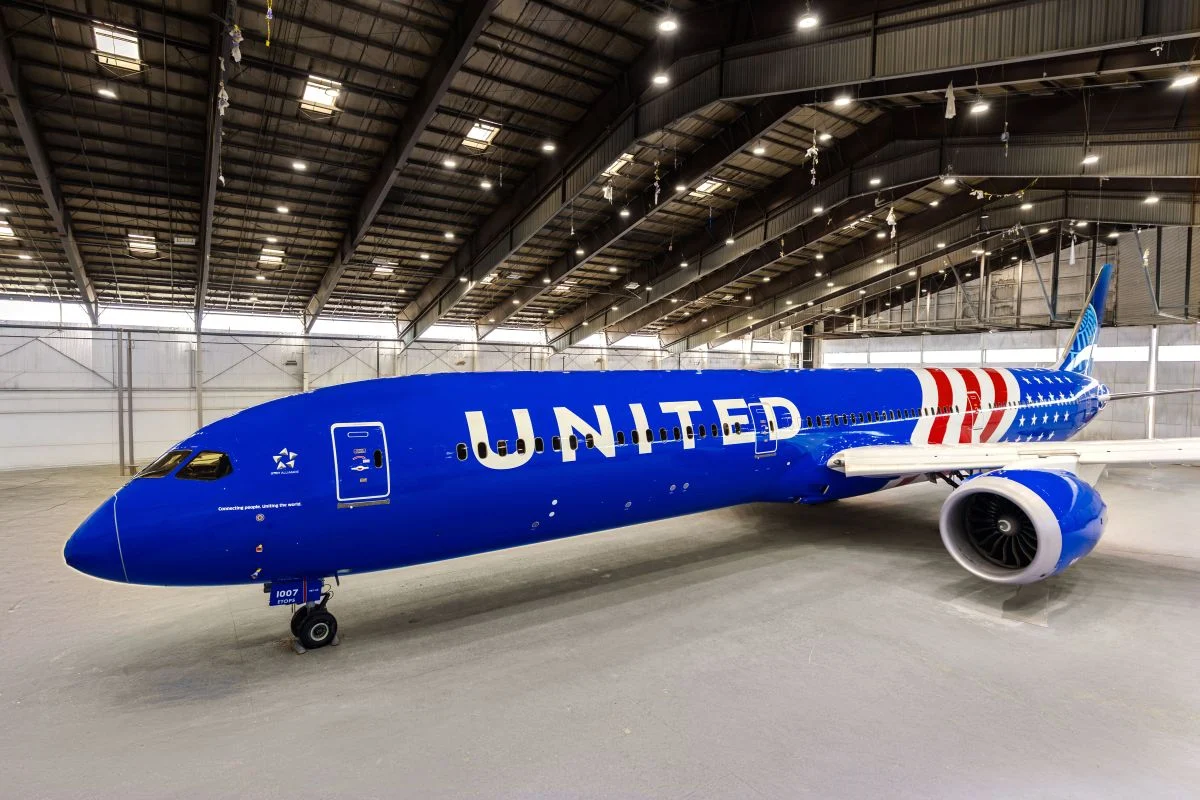
United Airlines’ recent third-quarter earnings report has ignited a spirited debate across the aviation industry regarding the sustainability of current growth trends in the face of shifting macroeconomic conditions. As United leadership projects a confident outlook for the final months of the year, analysts are scrutinizing the metrics behind the optimism, questioning whether the airline’s aggressive capacity expansion and premium-product strategy can withstand potential headwinds in consumer spending and rising operational costs.
A Strong Quarter in Context
United Airlines reported a robust third quarter, characterized by strong revenue gains and a notable resilience in business travel demand. The airline’s leadership, headed by CEO Scott Kirby, emphasized that the company’s "United Next" strategy—a long-term plan focused on fleet modernization and network optimization—is yielding the intended results. By prioritizing premium cabin offerings and leveraging its expansive hub network, United has managed to command higher yields compared to its legacy counterparts.
The Q3 performance was bolstered by a summer travel season that saw record-breaking passenger volumes across the industry. United, in particular, capitalized on the pent-up demand for long-haul international travel, which has remained a bright spot in their financial portfolio. Despite the pressure of increased fuel prices and the ongoing negotiations regarding labor contracts, the airline’s ability to maintain margin discipline has been a focal point for shareholders and institutional investors.
Chronology of Recent Performance
The narrative surrounding United’s current trajectory began to take shape earlier in the year when the carrier signaled a shift toward a more aggressive expansion strategy.
- Q1 2024: United initiated a comprehensive review of its transcontinental network, emphasizing the integration of new narrow-body aircraft designed to increase efficiency and capacity on high-demand routes.
- Q2 2024: The airline faced significant external challenges, including supply chain disruptions that delayed aircraft deliveries from manufacturers. Despite these hurdles, United reported steady revenue growth, bolstered by a strong corporate travel recovery that exceeded industry-wide expectations.
- Q3 2024: The company solidified its position with an earnings beat that surpassed analyst consensus, largely driven by strong domestic performance and a robust transatlantic flight schedule.
- October 2024: Following the release of its Q3 financials, United announced a new share repurchase program, signaling confidence in its future cash flow and balance sheet health.
The Financial Landscape and Market Indicators
To understand United’s current standing, one must look at the broader context of the Skift Travel 200 (ST200). This index, which tracks the financial performance of nearly 200 travel companies globally, serves as a bellwether for the industry. While the airline sector has faced volatility throughout the year due to fluctuating oil prices and inflationary pressures on household budgets, United has consistently performed as a leader within the index.
Supporting data from recent filings indicates that United’s revenue per available seat mile (RASM) remains high, a testament to the airline’s successful revenue management systems. However, the cost per available seat mile (CASM), excluding fuel, has also trended upward. This convergence of rising revenues and rising costs creates a delicate balance; if demand were to soften, the margin for error would shrink significantly.
Industry analysts point to the "premiumization" of the cabin as United’s primary hedge against economic instability. By attracting high-spending business travelers and leisure passengers willing to pay for Polaris business class or Premium Plus, United has effectively insulated itself from the volatility often seen in the economy-class segment.
Perspectives from the C-Suite
During the Q3 earnings call, Scott Kirby and his executive team maintained a posture of tempered optimism. Kirby emphasized that United is not merely reacting to market conditions but is actively shaping the future of its network through disciplined capital allocation.
"Our strategy is designed to deliver consistent, sustainable growth regardless of the economic cycle," Kirby stated during the call. The leadership team noted that while they are cognizant of the potential for a cooling in the broader economy, their forward bookings for the holiday season and into the first quarter of next year show no signs of a sustained decline.
However, observers remain cautious. The airline industry is notoriously cyclical, and history has shown that even the most bullish projections can be upended by exogenous shocks—such as geopolitical instability, sudden fuel price spikes, or a broader contraction in global GDP. The skepticism directed at United is not necessarily an indictment of their current performance, but rather a reflection of the inherent risks that define the global aviation sector.
Broader Impact and Industry Implications
The implications of United’s bullish outlook extend beyond the company itself. As a major network carrier, United’s performance is often seen as a proxy for the health of the broader U.S. economy. If United can continue to fill seats at premium prices, it suggests that the high-end consumer remains relatively unaffected by current inflationary pressures.
Conversely, if United’s capacity expansion leads to an oversupply of seats in the market, it could trigger a "fare war" as competitors attempt to defend their own market share. This competitive dynamic is a constant factor in the industry. Other major carriers, such as Delta Air Lines and American Airlines, are watching United’s moves closely. Delta has similarly leaned into premium offerings, while American has recently focused on operational efficiency and debt reduction.
Furthermore, the integration of new, more fuel-efficient aircraft into the fleet is a crucial component of United’s long-term sustainability goals. By reducing their carbon footprint and lowering operating costs through better fuel efficiency, United is positioning itself to be more resilient to the long-term challenges of climate regulation and rising energy costs.
Analytical Outlook: Is the Optimism Justified?
Whether United’s optimism is fully justified depends on several variables. First, the stability of the labor market is critical. Aviation remains a labor-intensive industry, and ensuring that pilot, flight attendant, and ground crew contracts remain competitive without eroding profitability is a continuous balancing act.
Second, the supply chain remains a bottleneck. The airline’s growth is contingent upon the timely delivery of new aircraft. Any further delays from major manufacturers could force the airline to extend the life of older, less efficient aircraft, thereby increasing maintenance costs and potentially impacting the quality of the onboard product.
Third, consumer sentiment remains the ultimate arbiter. While travel demand has proven incredibly resilient post-pandemic, it is not immune to a prolonged economic slowdown. If corporate travel budgets—which have finally returned to pre-pandemic levels—were to be slashed in response to a recessionary environment, the premium segment that United relies on could see a rapid contraction.
Ultimately, United Airlines’ Q3 report presents a compelling case for growth, underpinned by a clear strategic vision and strong execution. The company is operating from a position of relative strength, leveraging its hub-and-spoke model to capture high-value travelers. While the risks of an uncertain macroeconomic future remain, the airline’s ability to navigate these challenges thus far suggests that its bullishness is rooted in data-driven confidence rather than mere sentiment.
As the industry moves into the final quarter of the year, investors and industry watchers alike will be focused on whether United can maintain its momentum. If the airline continues to hit its financial targets and manage its operational costs effectively, it may well prove that its current trajectory is not just a temporary spike, but a sustainable shift in its competitive standing. The coming months will be the ultimate litmus test for whether the airline’s internal projections will hold up against the realities of a shifting global landscape.




 Lukman Taruna Persada Ramadan

 Tatiana Tantri Indah Sari

 Anjar Salim


 Dwi Wanna
