
 Chandra Hamzah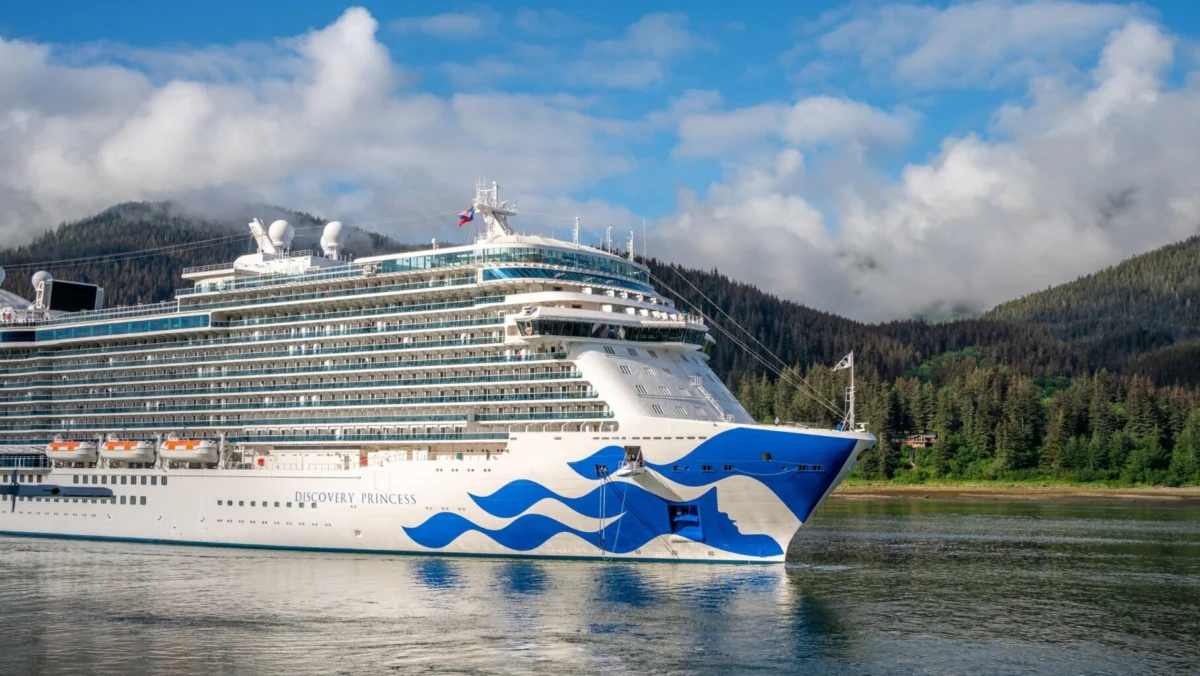
The allure of a cruise vacation often comes with the anticipation of relaxation and adventure. However, a common point of frustration for many travelers is the discovery that their booked cruise fare has subsequently dropped, leaving them feeling that they may have overpaid. What is often unknown, even among seasoned cruisers, is that numerous major cruise lines offer a "price guarantee" or "re-price" policy, allowing passengers to benefit from these fare reductions. This mechanism, when utilized effectively, can lead to significant savings, potentially thousands of dollars, transforming a good deal into an exceptional one.
The concept is straightforward: after booking a cruise, if the price for the same itinerary and cabin category decreases before a certain point, passengers can often request their booking be adjusted to the lower rate. This adjustment can manifest as a direct refund or onboard credit, effectively reducing the overall cost of the vacation. This practice is not merely a theoretical possibility; it is a tangible benefit that has saved countless travelers substantial sums.
A compelling example of this benefit in action comes from cruiser Lisa Miller Franco. She detailed her experience with Royal Caribbean’s re-price guarantee, which she successfully leveraged twice on a single booking. Her initial booking was for a nine-night South Pacific cruise scheduled for November. Having booked the previous year, she first utilized the re-price guarantee in June, saving $1,200. Astonishingly, she was able to secure an additional $400 reduction through a subsequent price adjustment, totaling an impressive $1,600 in savings.
"I just got a second re-price on my cruise, I can’t believe it," Franco shared. "It’s for a nine-night cruise to the South Pacific this November. I booked it last year and re-priced it down in June and saved $1,200, and then I just re-priced it again and got another $400 off." She elaborated on the process, emphasizing its simplicity: "I literally just call and say please can you check the room pricing. I could see it had dropped because I was looking at the suites and my room is showing a different price. They are always very helpful, they just re-price it down to the new price. As long as it isn’t paid in full." This account highlights a crucial condition for many price guarantees: the booking must not be fully paid. This implies that cruise lines are more amenable to adjustments when there is still outstanding payment, as it simplifies the financial reconciliation.
Another satisfied cruiser, Wendy Dean, echoed Franco’s positive experience. Dean was initially booked in an interior stateroom due to the higher cost of a balcony cabin. Upon checking current pricing on the cruise line’s website, she discovered a price drop and contacted the cruise line. The outcome was a significant saving of approximately $1,200, which also resulted in an upgrade to a balcony stateroom. The financial relief from these savings was earmarked for additional shore excursions for her children, demonstrating how these reimbursements can enhance the overall vacation experience.
"I called them the other day for the same cruise," Dean recounted. "Originally I was booked in the interior as a balcony was so expensive. When I called, I saved around $1,200 and got upgraded to a balcony. The savings will go towards more shore excursions for our kids." Her advice mirrored Franco’s, stating, "I looked at the current pricing on their website and then called and asked about upgrading. I think as long as you haven’t paid the full amount they will try to accommodate you." These testimonials underscore the accessibility of these savings for proactive travelers.
The Mechanics of Cruise Fare Price Guarantees
The prevalence of these price guarantee policies reflects a strategic approach by cruise lines to manage demand, maintain customer satisfaction, and encourage early bookings. By offering a mechanism for price adjustments, cruise lines mitigate the risk of potential customer dissatisfaction arising from post-booking price drops. This also incentivizes travelers to book well in advance, providing the cruise lines with a more predictable revenue stream and allowing for better capacity planning.
The duration for which these price guarantees are valid typically varies by cruise line and often depends on the proximity to the sailing date. Generally, the window for making a price adjustment is most generous in the months following an initial booking and narrows as the departure date approaches. Some policies may extend until final payment is due, while others might have a cut-off point several weeks before the cruise. It is imperative for travelers to understand the specific terms and conditions of their chosen cruise line’s price guarantee policy.
The value of these savings can be substantial. For a family booking a multi-cabin vacation or a longer, more premium cruise, a reduction of a few hundred dollars per person can easily accumulate into thousands of dollars. This freed-up capital can then be reallocated to enhance the onboard experience through specialty dining, spa treatments, or purchasing excursions, thereby enriching the overall holiday.
Key Cruise Lines and Their Price Guarantee Policies
While the concept of a price guarantee is widespread, the specifics of each cruise line’s policy differ. Travelers are advised to consult the individual terms and conditions provided by their cruise line. However, based on common practices and reported passenger experiences, several major operators are known to offer such benefits:
Royal Caribbean International
As evidenced by the testimonials, Royal Caribbean is a prominent proponent of price guarantees. Passengers who spot a fare reduction on their booked cruise, provided it has not been paid in full, can contact Royal Caribbean to request a price adjustment. The savings are typically applied as a reduction in the remaining balance or issued as onboard credit. The cruise line’s customer service is generally reported to be helpful in facilitating these adjustments.

Princess Cruises
Princess Cruises has also implemented a price-matching program, further solidifying the availability of these savings. This program allows passengers to benefit from fare drops. The specifics of their policy, including the timeframe for price adjustments and the method of reimbursement, should be verified directly with Princess Cruises or through their booking agents. The introduction of such a formal program by Princess indicates a commitment to competitive pricing and customer retention.
Celebrity Cruises
Celebrity Cruises, a sister brand to Royal Caribbean under the Royal Caribbean Group umbrella, also offers similar price protection mechanisms. Passengers are encouraged to monitor their booking and contact Celebrity Cruises if they observe a decrease in the fare for their chosen itinerary and stateroom category. The policy typically requires that the booking not be fully paid to allow for the adjustment.
Norwegian Cruise Line (NCL)
Norwegian Cruise Line is another major operator that generally allows for price adjustments. Travelers who find a lower fare for their booked cruise, particularly before the final payment is due, can typically request their booking be repriced. The savings are often applied as a reduction in the outstanding balance, with any excess savings potentially being converted to onboard credit.
Carnival Cruise Line
Carnival Cruise Line also has policies in place that can benefit passengers who booked at a higher rate. If the cruise fare decreases before the final payment is made, Carnival guests can often request their booking be adjusted to the lower price. This can result in a direct refund of the difference or a credit towards their final payment.
Disney Cruise Line
Disney Cruise Line is known for its exceptional customer service, and this extends to their pricing policies. While specific details can vary, Disney Cruise Line generally allows for price adjustments if the fare for a booked cruise drops before the final payment is due. Passengers are encouraged to proactively check for fare changes and contact Disney Cruise Line to inquire about re-pricing their reservation.
Maximizing Your Savings: Tips for Utilizing Price Guarantees
To effectively leverage these price guarantee policies, a proactive and informed approach is essential. Here are some key strategies:
- Book Early, But Stay Vigilant: The earlier you book, the more time you have to monitor prices. However, booking too early can sometimes mean missing out on promotional fares that are released later. Strike a balance and be prepared to track prices after your initial reservation.
- Understand the Terms and Conditions: Every cruise line has its own set of rules regarding price guarantees. Pay close attention to the timeframe during which adjustments are allowed, what constitutes a valid price drop, and the conditions under which the guarantee is voided (e.g., fully paid bookings, specific fare types).
- Monitor Prices Regularly: Cruise fares are dynamic and can fluctuate frequently. Dedicate time to periodically check the cruise line’s website or use fare tracking tools to monitor any changes in the price of your booked cruise. Look for decreases in the same stateroom category or comparable ones.
- Act Promptly: Once you identify a price drop, do not delay in contacting the cruise line. Policies often have cut-off dates, and waiting too long could mean missing the opportunity to benefit.
- Be Prepared with Details: When you contact the cruise line, have your booking confirmation number, the details of your current booking, and the new, lower price readily available. This will streamline the process.
- Know the Difference Between Fare Types: Some promotional fares may be non-refundable or have specific restrictions that could impact your eligibility for a price adjustment. Ensure you understand the nature of the fare you booked.
- Consider Onboard Credit: If the savings are offered as onboard credit, assess whether this is more beneficial to you than a direct refund. Onboard credit can be a great way to fund additional onboard activities or purchases.
- Communicate Clearly: When speaking with customer service representatives, be polite, clear, and firm in your request. Reference the cruise line’s stated price guarantee policy if necessary.
Broader Implications and Industry Trends
The widespread adoption of price guarantee policies by major cruise lines signals a maturing of the cruise industry’s marketing and customer relations strategies. In a competitive travel market, offering such assurances can be a significant differentiator. It fosters customer loyalty by demonstrating a commitment to fair pricing and value.
From an economic perspective, these policies can help stabilize demand. By mitigating the perceived risk of overpayment, cruise lines encourage bookings even when fares are at their peak. This predictability is invaluable for operational planning, from staffing and provisioning to itinerary management.
Furthermore, the success of these policies is likely influenced by the digital age. With online booking platforms and readily available fare comparison tools, consumers are more empowered than ever to track prices. Cruise lines that offer transparent and accessible price protection mechanisms are better positioned to meet these consumer expectations.
The trend towards offering price guarantees is also indicative of a broader shift in consumer behavior. Travelers are increasingly savvy and value-conscious, actively seeking ways to maximize their vacation budgets. Cruise lines that respond to this demand with robust customer-centric policies are likely to see greater success in attracting and retaining passengers.
While the prospect of saving money on an already booked cruise is appealing, it’s crucial to remember that these policies are not always guaranteed and are subject to the specific terms and conditions of each cruise line. However, for the diligent and informed traveler, these price guarantees represent a valuable, yet often overlooked, tool for making a dream cruise vacation even more affordable and enjoyable. The key lies in vigilance, understanding the policy, and acting decisively when an opportunity arises.




 Anjar Salim
 Tatiana Tantri Indah Sari
 Budi Mulyono
 Lukman Taruna Persada Ramadan
