
 Chandra Hamzah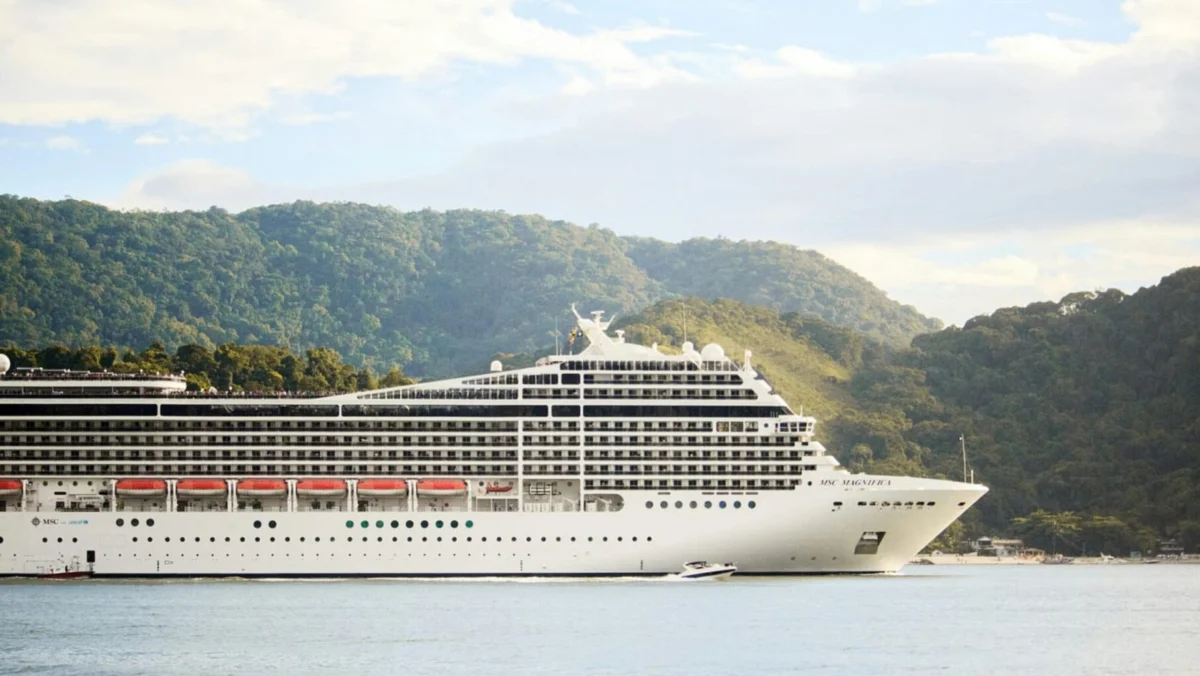
The United States and Iran have reached a preliminary agreement on a peace accord intended to de-escalate military activities, with a formal signing scheduled for Friday. This development has already prompted a significant shift in global markets, with U.S. President Donald Trump indicating that "oil will flow" following the deal’s finalization, leading to an immediate dip in oil prices. The potential easing of tensions is also generating considerable optimism within the travel industry, particularly for routes traversing the Middle East.
Industry Leaders Express Cautious Optimism for Travel Rebound
Graham Turner, CEO of Flight Centre Travel Group, articulated a widespread sentiment of relief, telling trade publication Travel Daily that he anticipates a swift recovery in travel, including routes that transit through the Middle East. "The average seasoned traveller is reasonably comfortable already with flying through the Middle East, but obviously there are still people who will be nervous," Turner stated. "So, assuming this [peace deal] does hold, I think it will make a major difference over the next few weeks." He further emphasized the critical role of Middle Eastern carriers in connecting Australia to global destinations. "The Middle Eastern carriers are really important to Australia… pre-war they accounted for about 35% of traffic to Europe and the UK – which is a huge number."
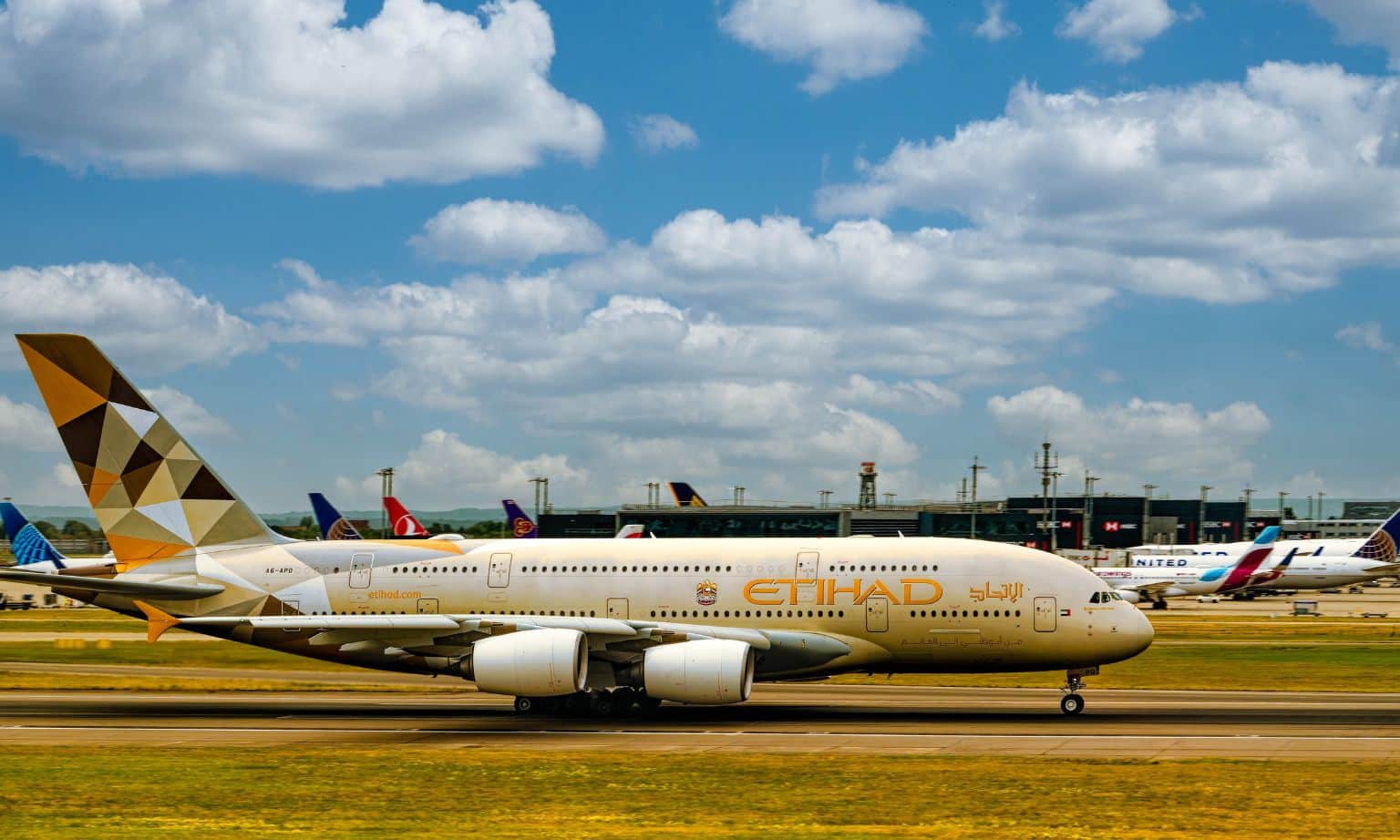
This sentiment is echoed by many Australian travelers, who view the prospect of resumed air travel through the region as a welcome development. Prior to the recent escalation of conflict, major carriers such as Emirates, Qatar Airways, and Etihad collectively facilitated approximately 35% of Australia-Europe travel. Their strategic hubs in Dubai, Doha, and Abu Dhabi offered highly convenient one-stop connections, a pathway that was significantly disrupted when the conflict led to the closure or rerouting of Gulf airspace.
Impact of Airspace Disruptions on Australian Travelers
The closure of key air corridors presented a substantial challenge for Australians planning international journeys. Without the direct and efficient routes offered by Middle Eastern airlines, travelers were forced to seek alternative pathways. This led to an increased reliance on routings via Southeast Asia, such as Singapore and Hong Kong, or transiting through North America. While these alternatives provided options, they often came with increased costs and significantly longer travel times, impacting the overall feasibility and appeal of international travel.
Travel advisors reported a noticeable shift in client preferences, with many expressing anxiety about transiting through Dubai, Doha, and Abu Dhabi. This led to a proactive search for flights utilizing Asian hubs, even if less direct. The primary concern for many was the escalating cost of airfares. The disruption to a major transit region directly influenced global air cargo and passenger flight prices, with jet fuel costs reportedly doubling since the conflict began. This surge in operational expenses was inevitably passed on to consumers, leading to fare increases of 20% to 40% on many international routes.
Smartraveller Advisories and Industry Pressure
Despite the encouraging news of a potential peace accord, official travel advice from the Australian government remains a critical factor for travelers. Smartraveller currently maintains warnings for travel and transit through certain parts of the Middle East, citing the potential for airports, infrastructure, and airspace to be affected with little notice. This has resulted in a widespread "wait and see" approach among many potential travelers.
The Australian Travel Industry Association (ATIA) has been actively lobbying the government to relax or remove these travel advisories, particularly for transit passengers. A spokesperson for ATIA highlighted the significant impact of the conflict on bookings and the crucial importance of reopening key transit routes. "The reported peace deal between the United States and Iran is great news for Australian travellers, including the many who have faced disruption to cruise and air bookings as a result of the conflict," the spokesperson stated. "The commitment to reopen the Strait of Hormuz is significant. It is a critical shipping and fuel corridor and its closure has had real flow-on effects for cruise itineraries, travel and costs worldwide. Restoring it and fully re-opening the key Middle East Air Corridors are important steps toward stability."
ATIA’s ongoing call to downgrade the Level 4 SmartTraveller advisory for transit passengers through Middle Eastern hubs like Dubai, Abu Dhabi, and Doha is gaining traction. The association points out that over 150,000 Australians transited these airports safely in the preceding six weeks alone. "A peace deal between the US and Iran makes the case for a commonsense, proportionate advisory even stronger. We will continue to work constructively with Government to ensure Australia’s travel advice reflects the reality on the ground," the ATIA representative added.
The current Level 4 "Do Not Travel" advisory for the UAE and Qatar, issued by Smartraveller, has significant implications. Beyond influencing traveler decisions, it also prevents Australian companies from offering travel insurance for these destinations. A formal de-escalation of hostilities and the signing of a peace accord are expected to prompt a review and potential downgrade of these advisories, particularly for transit-only travel, thereby restoring traveler confidence and encouraging a return to Middle Eastern routes.
Economic Implications: Oil Prices and Airfares
President Trump’s assertion that "oil will flow" following the peace deal has already been reflected in global oil markets. The potential for a stabilized Strait of Hormuz, a vital chokepoint for global oil shipments, to resume unimpeded traffic has contributed to a noticeable decline in crude oil prices. This stabilization of energy costs is a crucial factor that could indirectly influence the broader travel industry by easing operational expenses for airlines and potentially contributing to future fare reductions.
However, the direct impact on airfares is anticipated to be a more gradual process. Flight Centre’s Graham Turner cautioned that a swift return to pre-conflict pricing is unlikely. "Fares will not come down overnight; it will take a bit of time for the capacity to really come back and for the confidence of people flying via the Middle East," he explained. The lingering effects of supply chain disruptions and infrastructure damage caused by the conflict may also mean that airfares do not return to their previous lows for an extended period.
A more probable scenario involves a progressive decrease in fares over the coming months. Middle Eastern carriers, eager to recapture lost market share and passenger confidence, are expected to introduce competitive pricing and promotional offers. The current market already shows signs of this, with attractive deals available for flights from Australia to Europe via the Middle East, aimed at enticing travelers who have been deterred by existing travel warnings.
Cruise Industry Adjustments and Future Prospects
The cruise industry has also experienced significant reverberations from the geopolitical tensions. Many cruise lines were forced to alter itineraries, omitting Middle Eastern ports of call due to safety concerns and the risk of becoming entangled in the conflict. This led to a notable shift in passenger demand, with many Australians and international travelers opting for cruises closer to home or within regions perceived as safer.

The potential for a durable peace agreement could lead to a recalibration of cruise offerings. Cruise lines may find themselves with last-minute cabin availability on European itineraries, especially as travelers reconsider the prospect of a European summer vacation. This could translate into competitive pricing and package deals, particularly when combined with more affordable flights through the Middle East. Cruise lines may also look to fill ships that have had itineraries adjusted due to the conflict, potentially offering discounts on previously affected routes. Destinations in the Eastern Mediterranean, such as Greece and Croatia, and Northern European routes to Scandinavia, which saw cancellations, are prime candidates for such promotional offers.
World Cruising and Itinerary Revisions
The impact on world cruise itineraries has been substantial. Many circumnavigations were rerouted to avoid the Middle East, a necessary measure following initial incidents that left some cruise ships stranded or requiring significant diversions. While cruise lines are generally reluctant to alter itineraries once they have been revised and advertised – a process that incurs further costs and logistical complexities – the cessation of hostilities could influence future bookings.
For cruises scheduled further in the future, and which have not yet undergone official itinerary changes, a stable peace accord could see a return of Middle Eastern ports. However, it is unlikely that previously altered world cruise itineraries will be reinstated. Passengers who experienced itinerary changes due to the conflict may find that their original routes are not restored, as cruise lines typically commit to advertised itineraries to manage expectations and costs.
Navigating Travel Decisions in a Shifting Landscape
In response to the uncertainties, many travel advisors have recommended booking flexible flights through alternative routes, such as Asia, as a contingency measure. These bookings often allow for cancellation and refunds up to a certain period before departure, or in some cases, until the day of the flight. For travelers who have secured such backup options, the key lies in carefully reviewing the terms and conditions of their bookings.
Holding onto these flexible bookings for as long as possible, while closely monitoring evolving travel warnings and advice, is a prudent strategy. As the situation develops following the potential signing of the peace accord, travelers will be able to make informed decisions about whether to proceed with their original Middle Eastern routes or retain their backup arrangements. The timely removal of official travel warnings by governments will be a crucial indicator for travelers and the industry alike, signaling a return to normalcy and increased confidence in navigating global travel pathways.




 Anjar Salim
 Tatiana Tantri Indah Sari
 Budi Mulyono
 Lukman Taruna Persada Ramadan
