
 Budi Mulyono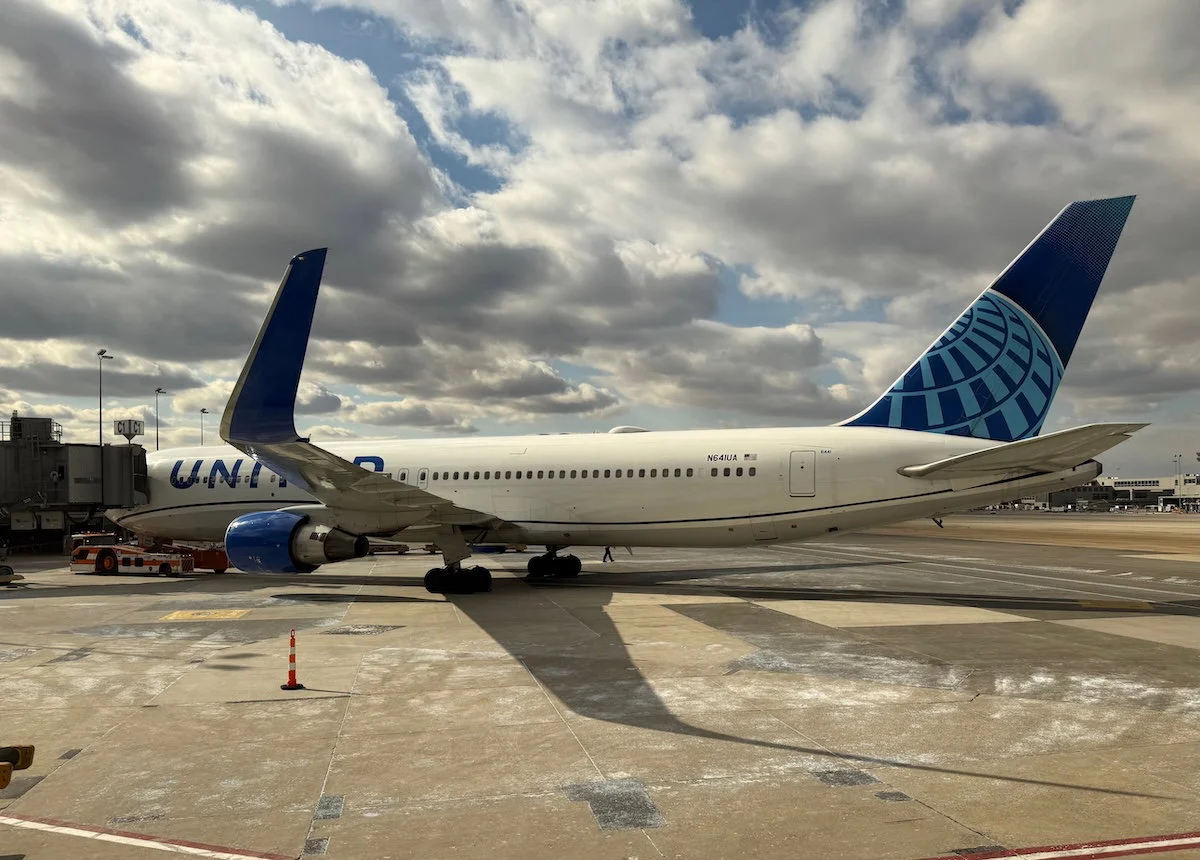
The executive branch of the United States has officially announced the lifting of a long-standing ban that prohibited domestic air carriers from operating direct flights to Lebanon, a policy shift that marks a significant pivot in bilateral relations and aviation security protocols. Following a high-level meeting between the President of the United States and Lebanese President Joseph Aoun, the directive reverses a regulatory restriction that has been in place for nearly four decades. While the policy change provides the legal framework for the resumption of direct aerial links between the two nations, the implementation of such services remains contingent upon rigorous safety assessments, commercial viability, and the stabilization of the regional geopolitical environment.
Historical Context: The Catalyst of the 1985 Ban
The prohibition of direct flights between the United States and Lebanon was not a product of economic protectionism but a direct response to one of the most harrowing incidents in the history of international civil aviation. On June 14, 1985, Trans World Airlines (TWA) Flight 847, a Boeing 727 en route from Athens to Rome, was hijacked by members of the militant group Hezbollah. The aircraft, carrying 153 passengers and crew, was forced to divert to Beirut, marking the beginning of a 17-day ordeal that horrified the international community.
During the crisis, the hijackers demanded the release of hundreds of Lebanese Shiites held by Israel. The situation escalated into violence when the hijackers murdered Robert Stethem, a 23-year-old U.S. Navy diver who was a passenger on the flight. His body was cast onto the tarmac at Beirut International Airport, an image that became a somber symbol of the era’s security failures. Following the resolution of the crisis and the release of the remaining hostages, the U.S. Department of Transportation and the Federal Aviation Administration (FAA) determined that the security environment at Beirut’s airport was insufficient to protect American citizens and aircraft. Consequently, a total ban on direct flights was instituted, and U.S. carriers were prohibited from landing in or overflying Lebanese territory under most circumstances.
Timeline of U.S.-Lebanon Aviation Restrictions
The trajectory of aviation relations between Washington and Beirut has been defined by periods of extreme caution and gradual, albeit interrupted, normalization.
- June 1985: The hijacking of TWA Flight 847 leads to the immediate suspension of direct flights and the eventual formalization of a ban on U.S. carriers operating in Lebanese airspace.
- 1990s: Following the end of the Lebanese Civil War, the U.S. government began periodic reviews of the security situation. While some restrictions on travel were eased, the prohibition on direct commercial flights remained due to ongoing concerns regarding the influence of non-state actors at Beirut-Rafic Hariri International Airport.
- 1997: The U.S. State Department lifted the ban on U.S. citizens using their passports to travel to Lebanon, though direct flights remained prohibited. Travelers were forced to transit through third-party hubs such as London, Paris, or Dubai.
- 2006: The 34-day war between Israel and Hezbollah led to the temporary closure of Beirut’s airport and a reinforcement of the U.S. government’s stance on the volatility of Lebanese airspace.
- Recent Years: Incremental improvements in airport infrastructure and security screening processes in Beirut led to renewed diplomatic lobbying by the Lebanese government to restore direct connectivity, citing the economic benefits and the needs of the vast Lebanese diaspora.
Regulatory Framework and Official Responses
The Federal Aviation Administration (FAA) is the primary body responsible for implementing the President’s directive. In an official statement, the FAA noted that it "looks forward to working with airlines and our interagency partners to implement the President’s directive and support the safe return of flights to Lebanon." However, the agency emphasized that the "safe return" is the paramount priority, suggesting that a series of technical audits will be required before any flight schedules are approved.
The lifting of the ban involves the modification of Special Federal Aviation Regulation (SFAR) No. 44, which has historically restricted U.S. civil aviation operations in the Tripoli Flight Information Region (FIR). Before a U.S. airline can commence service, the Transportation Security Administration (TSA) must conduct comprehensive on-site inspections of Beirut-Rafic Hariri International Airport. These inspections evaluate everything from perimeter security and baggage screening technology to the vetting of ground personnel and the integrity of the airport’s "sterile" zones.
The Lebanese government has hailed the decision as a milestone in the country’s efforts to reintegrate into the global economy. President Joseph Aoun’s administration has argued that the restoration of direct flights would significantly lower travel costs for the Lebanese-American community and boost the tourism sector, which remains a vital component of Lebanon’s GDP.
Analyzing the Economic and Geopolitical Implications
While the legal barrier has been removed, industry analysts remain skeptical regarding the immediate launch of direct services. Several factors contribute to this cautious outlook:
1. The "Do Not Travel" Advisory:
The U.S. State Department currently maintains a Level 4 "Do Not Travel" advisory for Lebanon. The advisory cites crime, terrorism, civil unrest, kidnapping, and the risk of armed conflict as primary concerns. For a commercial airline, operating a route to a country with a Level 4 advisory presents significant insurance hurdles and potential liability issues. Furthermore, most corporate travel departments prohibit employees from traveling to Level 4 regions, which would eliminate the lucrative "business class" segment of the market.
2. Regional Security Instability:
The ongoing conflict in the Middle East, particularly the tensions along the Lebanon-Israel border, creates a high-risk environment for civil aviation. In recent months, international carriers have frequently suspended flights to both Tel Aviv and Beirut due to the threat of rocket fire and GPS interference. The proximity of Beirut’s airport to areas controlled by militant groups remains a focal point for U.S. intelligence agencies and airline security departments.
3. The Diaspora Market vs. Yield Viability:
There is undeniable demand for travel between the United States and Lebanon. The Lebanese diaspora in the U.S. is estimated to be over one million people, with significant populations in Michigan, California, and the Northeast. Currently, these travelers must use carriers like Emirates, Qatar Airways, Air France, or Lufthansa. While a direct flight from New York (JFK) or Detroit (DTW) to Beirut (BEY) would be popular, airlines must weigh the high operational costs of long-haul flights against the yields of a primarily "Visiting Friends and Relatives" (VFR) market, which is generally more price-sensitive than the corporate market.
4. Airline Fleet Constraints and Union Concerns:
Major U.S. carriers like United, Delta, and American Airlines are currently facing aircraft delivery delays and pilot shortages. Allocating a wide-body aircraft to a high-risk route like Beirut requires a significant commitment of resources. Additionally, airline pilot and flight attendant unions often have "right to refuse" clauses or require additional "war zone" pay for operations into regions deemed hazardous by international monitors.
Potential Market Entrants
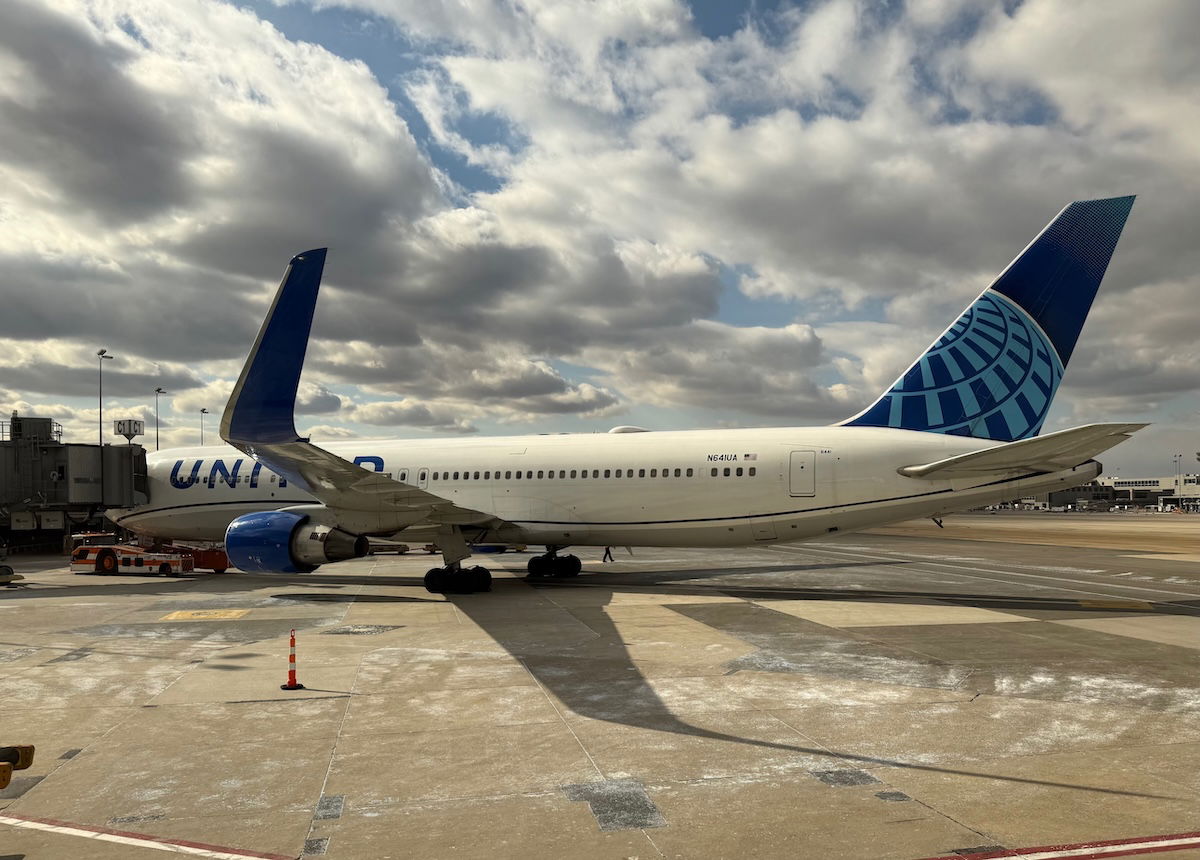
If any U.S. carrier were to pursue this opportunity, United Airlines is often cited as the most likely candidate. United has historically been the most aggressive of the "Big Three" U.S. carriers in expanding its international footprint, particularly into secondary markets in the Middle East and Africa. However, even United would likely wait for a period of prolonged regional stability before committing to a schedule.
Alternatively, the lifting of the ban could pave the way for Middle East Airlines (MEA), the national flag carrier of Lebanon, to seek permission to fly to the United States. MEA is a member of the SkyTeam alliance (alongside Delta Air Lines) and possesses a modern fleet. However, for MEA to fly to the U.S., Lebanon would need to achieve a Category 1 rating under the FAA’s International Aviation Safety Assessment (IASA) program, a process that involves a rigorous review of the country’s civil aviation authority.
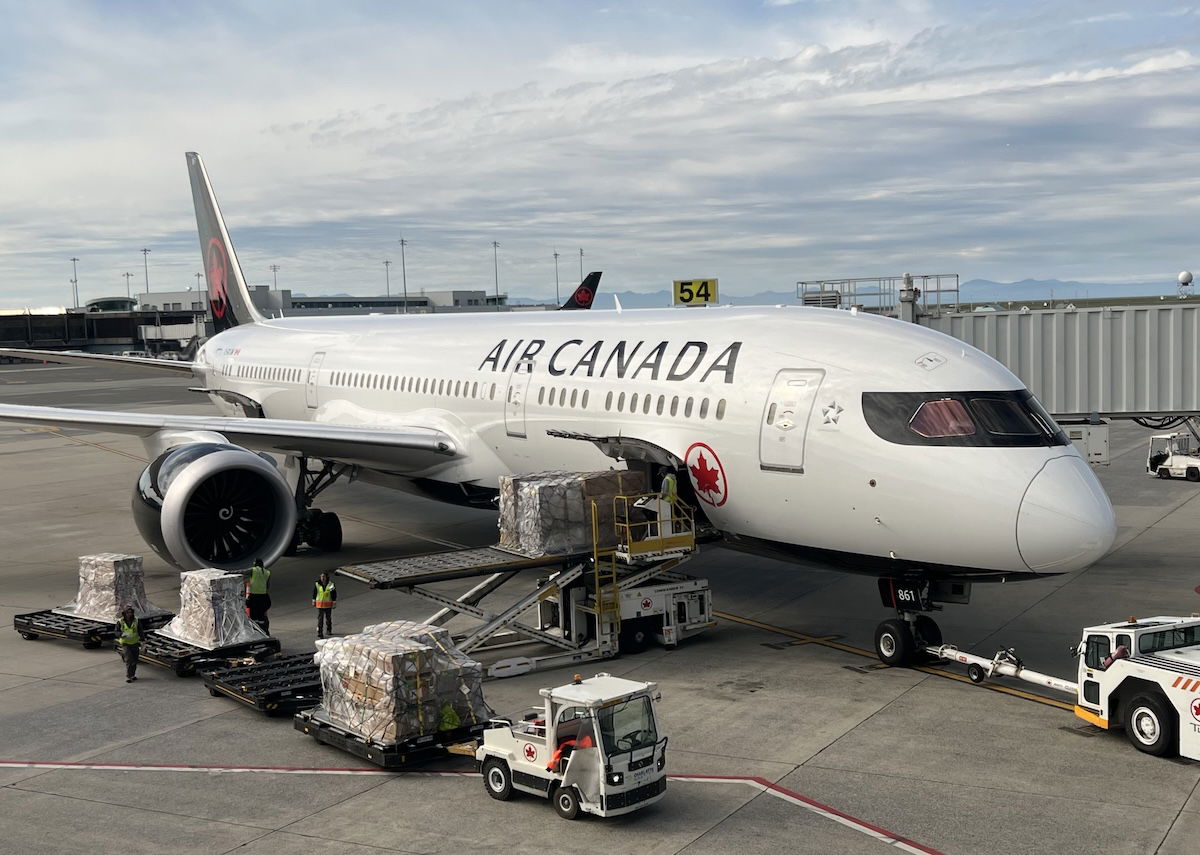
Another regional player to watch is Air Canada. While not a U.S. carrier, Air Canada’s operations often mirror the trends of North American aviation. Direct flights between Montreal or Toronto and Beirut have been discussed for years, and the U.S. policy shift may provide the diplomatic cover needed for Canadian authorities to move forward with their own assessments.
Conclusion and Future Outlook
The decision to lift the 1985 ban on direct flights to Lebanon is a symbolic victory for Lebanese diplomacy and a potential catalyst for long-term economic growth. It represents an acknowledgement of the progress made in airport security and a desire by the U.S. administration to support Lebanese sovereignty.
However, the transition from a policy announcement to the actual takeoff of a U.S.-flagged aircraft from a Lebanese runway is likely to be a multi-year process. The intersection of aviation safety, regional warfare, and commercial profitability ensures that airlines will take a "wait and see" approach. For the time being, the "bridge" between the United States and Lebanon will continue to be built on paper and through diplomatic channels, while the actual transport of passengers remains diverted through the traditional hubs of Europe and the Gulf.
The lifting of the ban is the first step in a complex journey. Until the security situation on the ground stabilizes and the State Department downgrades its travel warnings, the skies between the U.S. and Beirut will remain quiet of American engines, even if the legal path is now clear.




 Chandra Hamzah
 Tatiana Tantri Indah Sari
 Anjar Salim

