
 Lukman Taruna Persada Ramadan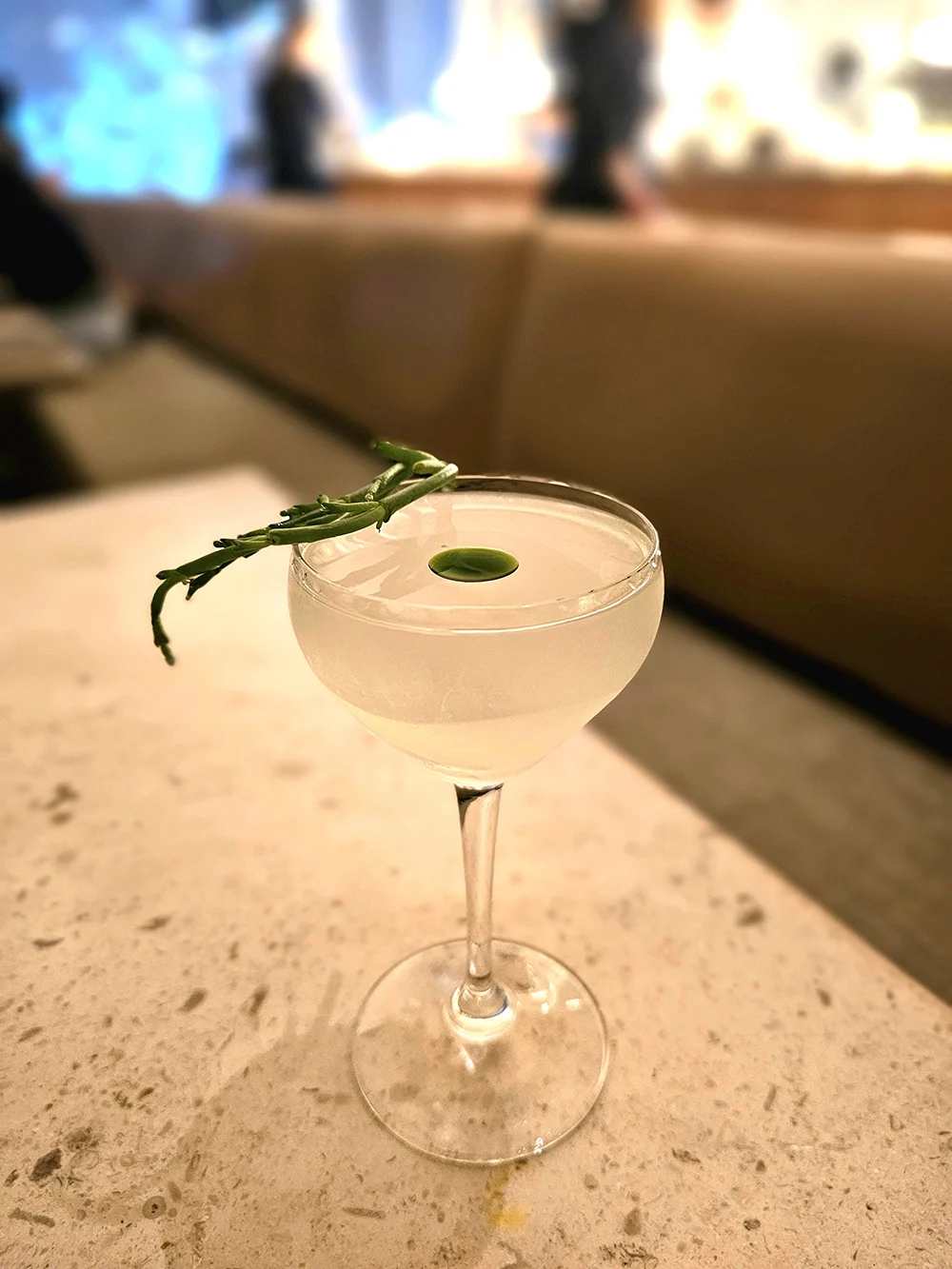
Vancouver, British Columbia, a city long celebrated for its breathtaking natural landscapes, vibrant culinary scene, and pristine seafood, is rapidly establishing an unexpected yet compelling reputation as a vanguard in the world of cocktail innovation, particularly for its sophisticated and imaginative interpretations of the classic martini. While visitors often flock to this cosmopolitan hub for its outdoor adventures and farm-to-table dining, a burgeoning movement within its bar scene is captivating connoisseurs with a commitment to precision, local ingredients, and boundary-pushing techniques that transform the humble martini into an art form. This quiet revolution underscores Vancouver’s growing influence in global gastronomy, positioning it not just as a scenic getaway but also as a serious destination for discerning palates.
The Evolution of Vancouver’s Cocktail Landscape
For decades, Vancouver’s culinary identity has been deeply intertwined with its Pacific Northwest surroundings, emphasizing sustainability, fresh produce, and seafood. However, in parallel, its beverage scene has undergone a significant transformation. Starting in the late 2000s and accelerating into the 2010s, a wave of dedicated mixologists began to elevate the city’s cocktail offerings, moving beyond standard pours to embrace craft ingredients, complex flavor profiles, and artisanal preparation methods. This evolution mirrors a global trend where cities are increasingly recognized for their distinct cocktail cultures, and Vancouver’s unique geographical and cultural tapestry has provided fertile ground for this growth. The martini, a drink often seen as a benchmark of a bar’s quality, has become a canvas for this creativity, with Vancouver’s establishments exploring novel approaches to its core components: gin or vodka, vermouth, and garnish.
Botanist: A Symphony of Terroir and Technique
At the forefront of this martini renaissance is Botanist, located within the sleek Fairmont Pacific Rim overlooking the picturesque Coal Harbour. Since its opening almost a decade ago, Botanist has meticulously cultivated an ethos rooted in its namesake, channeling the rich biodiversity of the Pacific Northwest into both its culinary and liquid offerings. The establishment’s interior, a harmonious blend of climbing plants, warm wood tones, and polished marble, sets a verdant stage for an experience that blurs the lines between nature and refined indulgence. Central to its innovative approach is a dedicated cocktail lab, a space equipped with scientific apparatus, where mixologists employ chemistry-grade precision to craft beverages listed on a menu adorned with intricate, hand-drawn botanical illustrations.
The bar’s signature creation, the Marine Martini, epitomizes this philosophy. It features a meticulously balanced dry gin blend stirred with house-made vermouth, infused with kombu—a type of edible kelp. The drink is then garnished with a delicate drizzle of chive oil and a slender stalk of sea asparagus. The resulting concoction is a revelation: briny, subtly vegetal, and profoundly mouthwatering, it offers an utterly perfect representation of Vancouver’s coastal setting. This martini serves not merely as a drink but as an immersive sensory journey, an auspicious prelude to Botanist’s acclaimed PNW-inspired tasting menu. The bar’s commitment to sourcing local ingredients and applying scientific rigor to cocktail creation has garnered it significant attention, solidifying its reputation as a leader in Vancouver’s sophisticated bar scene and attracting a discerning clientele eager to experience its unique interpretations.
Jeju: Korean Jeong Infused into West Coast Mixology
A more recent but equally impactful addition to Vancouver’s elevated cocktail landscape is Jeju, which opened its second outpost late last year and quickly ascended to become one of the city’s most coveted reservations. Jeju presents a low-lit, minimalist, and intimate setting, serving Korean fare reimagined through a distinct West Coast lens. The restaurant’s philosophy is deeply rooted in the Korean concept of jeong, which embodies warmth, affection, and neighborly care—a sentiment palpably felt by patrons from their arrival.

The Soju Martini at Jeju stands as a testament to its unique culinary and mixological approach. Crafted to complement dishes like spot prawn ceviche and charred eggplant, this martini diverges significantly from traditional expectations. Served in an elegant blue and white ceramic cup set on a saucer, it is adorned with a pickled persimmon on a twig. The drink itself is soft, exhibiting a subtle sweetness balanced by earthy undertones, delivering a flavor profile and visual presentation unlike any conventional martini. The chilling technique employed by Jeju’s bartenders is equally distinctive: ice cubes are introduced one at a time into the cocktail glass while stirring, allowing for fastidious control over the level of dilution. This meticulous approach ensures that the martini achieves its optimal temperature and texture without compromising its delicate flavors, embodying Jeju’s commitment to precision and the art of hospitality. The rapid acclaim for Jeju highlights a growing appreciation for cross-cultural culinary innovation within Vancouver’s dining scene, further diversifying its cocktail offerings.
The Keefer Bar: Pioneer of Craft and TCM Influence
Long before the current wave of martini innovation, The Keefer Bar, established in Vancouver’s historic Chinatown in 2010, laid crucial groundwork for the city’s craft cocktail scene. Often credited as the original catalyst for elevating local mixology, The Keefer Bar cultivated a dark, moody ambiance inspired by a traditional Chinese apothecary. This unique theme extends beyond aesthetics, influencing the bar’s entire drinks program. Here, Traditional Chinese Medicine (TCM) ingredients such as ginseng and chrysanthemum are not merely exotic additions but are thoughtfully selected for their purported effects on mood and well-being.
The Keefer Bar’s approach to the martini, while maintaining the classic’s spirit, introduces an unexpected and innovative dilution technique. Instead of water, the martini is diluted with equal parts water and hydrosol—an herbal distillate that imparts subtle aroma and flavor without the intensity of essential oils. This method results in a martini with delicate notes, offering a nuanced drinking experience. Adding to the adventure, the drink is served with a small bowl of pickled accompaniments, ranging from daikon radish to enoki mushrooms. This "choose-your-own-adventure" garnish not only enhances the martini’s flavor profile but also doubles as a sophisticated bar snack, encouraging interaction and personal customization. The Keefer Bar’s enduring legacy is its demonstration that tradition and innovation can coexist, setting a high standard for creativity and thematic integration in cocktail crafting.
June: Modern French Elegance and Measured Indulgence
Building on the success and innovative spirit of The Keefer Bar, its sister concept, June, a French brasserie opened in 2025, further refines the art of the martini. June embodies a sophisticated French aesthetic, offering a range of martini variants, including the noteworthy Burnt Gibson—a savory and smoky rendition that challenges conventional expectations. The bar’s commitment to precision is evident in its chilling technique: martinis are stirred in a cocktail glass submerged in an ice bath, ensuring a perfectly calibrated chill that optimizes flavor and texture.
Perhaps one of June’s most appreciated innovations is the availability of all its martinis in both full-sized pours and half-sized "mini-tinis." This option caters to a diverse clientele, allowing patrons to indulge with the same meticulous craftsmanship but with a greater degree of restraint. This thoughtful offering reflects a broader industry trend towards mindful drinking and provides an excellent opportunity for guests to sample multiple creative interpretations without over-indulging. The introduction of mini-tinis also underscores a growing understanding of consumer preferences for flexibility and tailored experiences, further cementing Vancouver’s position at the forefront of contemporary cocktail culture.
The Art and Science of Vancouver’s Martini Mastery
The common thread weaving through Vancouver’s leading martini establishments is a profound dedication to both the art and science of cocktail creation. From Botanist’s botanical laboratory to Jeju’s meticulous dilution control, Keefer Bar’s TCM-inspired infusions, and June’s precisely chilled mini-tinis, each venue contributes to a collective narrative of innovation. This commitment is driven by several factors:

- Local Sourcing: A strong emphasis on ingredients from the Pacific Northwest, including unique botanicals, seafood elements, and artisanal spirits, grounds these martinis in a sense of place.
- Technical Precision: Bartenders are employing scientific methods for chilling, dilution, and infusion, moving beyond traditional methods to achieve optimal flavor profiles and textures.
- Conceptual Depth: Each martini is not just a drink but a story, reflecting the bar’s philosophy, cultural influences, or regional identity.
- Elevated Presentation: The visual appeal of these martinis, from unique glassware to artful garnishes, significantly enhances the overall experience.
- Global Inspiration: While rooted locally, Vancouver’s mixologists draw inspiration from global trends, seamlessly blending them with indigenous elements.
This rigorous approach positions Vancouver’s martini scene as a sophisticated blend of tradition and avant-garde, attracting both purists and adventurous drinkers.
Economic and Cultural Implications
The rise of Vancouver as a distinguished martini destination carries significant economic and cultural implications for the city.
Firstly, it enhances Vancouver’s global reputation as a culinary and luxury travel destination. Beyond its natural beauty, the city is increasingly recognized for its sophisticated urban offerings, attracting a more affluent and discerning tourist demographic interested in high-end dining and bespoke experiences. This translates into increased tourism revenue, supporting local businesses, hotels, and the broader hospitality sector.
Secondly, the innovative cocktail scene fosters local talent and entrepreneurship. The demand for skilled mixologists, unique ingredients, and artisanal barware stimulates growth within related industries. It creates a vibrant ecosystem where creativity is rewarded, encouraging continuous innovation and professional development within the beverage industry.
Thirdly, it enriches the city’s cultural fabric. These establishments become cultural hubs, offering unique social experiences that reflect Vancouver’s diverse influences—from its Asian heritage to its strong connection to nature. They provide spaces for creative expression and community building, contributing to the city’s dynamic urban appeal.
Finally, Vancouver’s approach to the martini influences broader cocktail trends. The emphasis on local, sustainable ingredients, precise techniques, and thoughtful conceptualization serves as a model for other cities looking to elevate their own beverage scenes. As word spreads through international culinary circles and travel publications, Vancouver’s unique martini interpretations are poised to leave a lasting mark on global cocktail culture.
In conclusion, Vancouver’s unexpected emergence as a bastion of martini innovation is a testament to its dynamic culinary landscape and the ingenuity of its mixologists. What began as a personal discovery has revealed a city quietly but confidently redefining a timeless classic, demonstrating that even in a drink as established as the martini, there remains ample room for creativity, precision, and a profound connection to place. Vancouver is no longer just a city of stunning vistas and fresh flavors; it is also a sophisticated sanctuary for the world’s most inventive martinis.



 Chandra Hamzah
 Gabriela Annisa
 Tatiana Tantri Indah Sari
 Hendra Ismail
 Walid Sujud Trenggono
 Budi Mulyono