
 Chandra Hamzah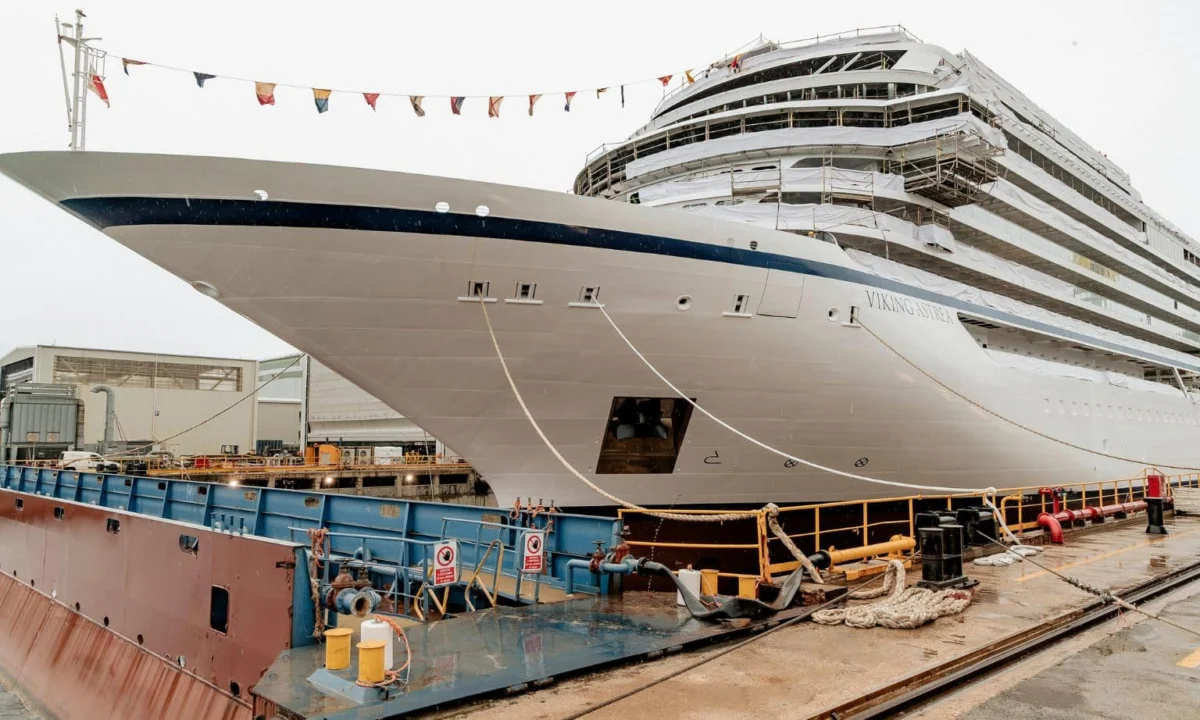
The maritime industry has reached a significant turning point in its transition toward decarbonization as Viking officially celebrated the float-out of the Viking Astrea at the Fincantieri shipyard in Italy. This milestone ceremony, a time-honored maritime tradition, signifies that the vessel’s hull is complete and has transitioned from the dry dock to the water, where it will undergo extensive interior fitting and technical outfitting before its scheduled debut in 2027. The Viking Astrea stands as the second vessel in the company’s fleet to incorporate advanced hydrogen-hybrid propulsion technology, a development that positions Viking at the forefront of the cruise industry’s efforts to meet stringent international environmental standards.
The Float-Out Ceremony and Ship Specifications
The float-out process is one of the most critical stages in the lifecycle of a cruise ship. Following the traditional cutting of a ceremonial cord, the vessel was moved into the outfitting dock. This phase of construction is intensive, involving the installation of intricate interior design elements, sophisticated navigation systems, and the completion of the passenger-facing amenities that define the Viking brand.
The Viking Astrea is a 54,300-ton vessel designed with a focus on intimacy and efficiency. Despite its substantial size, the ship is engineered to host 998 guests across 499 staterooms. This guest-to-space ratio is a hallmark of the Viking ocean fleet, which prioritizes a boutique cruising experience over the massive capacity trends seen in other segments of the cruise market. The ship’s physical dimensions are optimized for versatility, allowing it to navigate both the major ports of the Mediterranean and the more delicate, remote waterways of Northern Europe.
Technical Innovation: The Hybrid Propulsion System
At the heart of the Viking Astrea’s design is a complex hybrid propulsion system. The vessel utilizes a combination of traditional marine engines and a specialized liquified hydrogen fuel cell system. This configuration is not merely an auxiliary power source; it is a primary component of the ship’s environmental strategy. By integrating fuel cells, the Viking Astrea can operate with zero emissions in sensitive environments.
The implications of this technology are profound. As environmental regulations tighten globally, the ability to eliminate particulate matter and carbon emissions while in port or traversing protected marine sanctuaries provides Viking with a significant competitive advantage. The ship functions as a “living laboratory” for maritime engineering, testing the scalability of hydrogen power in the cruise sector. The transition to hydrogen, a clean-burning fuel, represents a departure from the heavy fuel oils that have historically powered the global cruise fleet, reflecting a broader shift toward the International Maritime Organization’s (IMO) ambitious greenhouse gas reduction targets.
Chronology of Viking’s Fleet Evolution
The journey toward the launch of the Viking Astrea is part of a deliberate, multi-year strategic plan to modernize the company’s fleet. The progression can be viewed through the following timeline:
- 2015: Viking enters the ocean cruise market with the launch of the Viking Star, setting the template for its small-ship, destination-focused philosophy.
- 2020-2024: Viking continues to expand its ocean fleet, consistently incorporating energy-efficient designs, such as streamlined hulls and waste heat recovery systems.
- 2025 (Projected): The launch of the Viking Libra, the first vessel in the fleet to feature the new hybrid hydrogen-powered configuration, sets the stage for the wider implementation of the technology.
- 2027: The Viking Astrea officially enters service, expanding the zero-emission capabilities of the fleet to the Mediterranean and Northern European itineraries.
This trajectory demonstrates a phased approach to fleet renewal. Rather than retrofitting older vessels with limited capability, Viking has opted for a steady rollout of new builds that incorporate state-of-the-art propulsion from the keel up.
Strategic Perspectives and Industry Leadership
Leah Talactac, President and Chief Executive Officer of Viking, emphasized the strategic importance of the vessel during the float-out ceremony. "The float out of the Viking Astrea represents another important milestone for Viking," Talactac stated. "From the beginning, we have sought thoughtful ways to design more efficient ships, and the Viking Astrea is an important step forward in that ongoing effort."
This sentiment is echoed by industry analysts who observe that Viking’s focus on environmental efficiency is as much a business necessity as it is a corporate social responsibility initiative. As cruise lines face increasing pressure from port authorities—particularly in Scandinavia and the Mediterranean—to reduce their environmental footprint, vessels that lack zero-emission capabilities may face restricted access to high-demand ports. By investing in hydrogen-ready infrastructure today, Viking ensures that the Viking Astrea will remain a viable, high-value asset for decades to come, effectively "future-proofing" the fleet against evolving international maritime regulations.
The Regulatory Landscape and Environmental Impact
The regulatory environment governing the cruise industry is undergoing a period of rapid change. The European Union’s "Fit for 55" package and the International Maritime Organization’s strategy for the reduction of greenhouse gas emissions from ships have set aggressive benchmarks for the industry. Specifically, Norway has been a pioneer in this regard, with plans to mandate zero-emission operations in its UNESCO-protected fjords.
The Viking Astrea is designed to operate within these restrictive parameters. By utilizing liquid hydrogen and fuel cells, the ship can transit through environmentally sensitive areas without emitting pollutants, effectively insulating the company from the risk of being barred from key destinations. Furthermore, the use of hydrogen-hybrid technology helps the cruise line reduce its dependence on fossil fuels, thereby lowering its carbon intensity per passenger-mile. This is a critical metric for investors and stakeholders who are increasingly prioritizing Environmental, Social, and Governance (ESG) performance in the maritime sector.
Operational Outlook: Mediterranean and Northern Europe
Looking ahead, the Viking Astrea is scheduled to begin its inaugural season in May 2027. The deployment plan reflects the vessel’s operational versatility. During the summer months, the ship will navigate the Northern European waters, where its ability to run on hydrogen-hybrid power will be a significant asset in meeting local environmental mandates. Transitioning into the Mediterranean during the shoulder seasons, the ship will offer guests access to historic ports while maintaining a lower environmental impact than its traditional counterparts.
The success of the Viking Astrea will likely serve as a benchmark for the rest of the industry. As the costs of green hydrogen production decrease and bunkering infrastructure improves at major ports, the model pioneered by Viking and Fincantieri is expected to become the industry standard for new construction.
Conclusion: A Blueprint for the Future of Cruising
The float-out of the Viking Astrea is more than a successful construction milestone; it is a clear indicator of the direction in which the cruise industry is headed. By balancing the demands of luxury travel with the imperative of environmental stewardship, Viking is defining a new operational paradigm. The combination of high-end passenger amenities, sophisticated hybrid propulsion, and strategic itinerary planning positions the vessel as a modern leader in sustainable maritime travel.
As the vessel moves into its outfitting phase, the industry will watch closely to see how the hydrogen-hybrid system performs in real-world scenarios. With the Viking Libra leading the way and the Viking Astrea cementing the commitment to zero-emission technology, the company is demonstrating that the future of cruising is not only compatible with environmental preservation but can actively contribute to the preservation of the delicate ecosystems that define the world’s most sought-after destinations. The Viking Astrea stands as a testament to the fact that innovation, when applied with precision and foresight, remains the most effective tool for navigating the complex challenges of the 21st-century maritime landscape.



 Anjar Salim
 Tatiana Tantri Indah Sari
 Budi Mulyono
 Lukman Taruna Persada Ramadan
