
 Cholid Fahmi Thalib
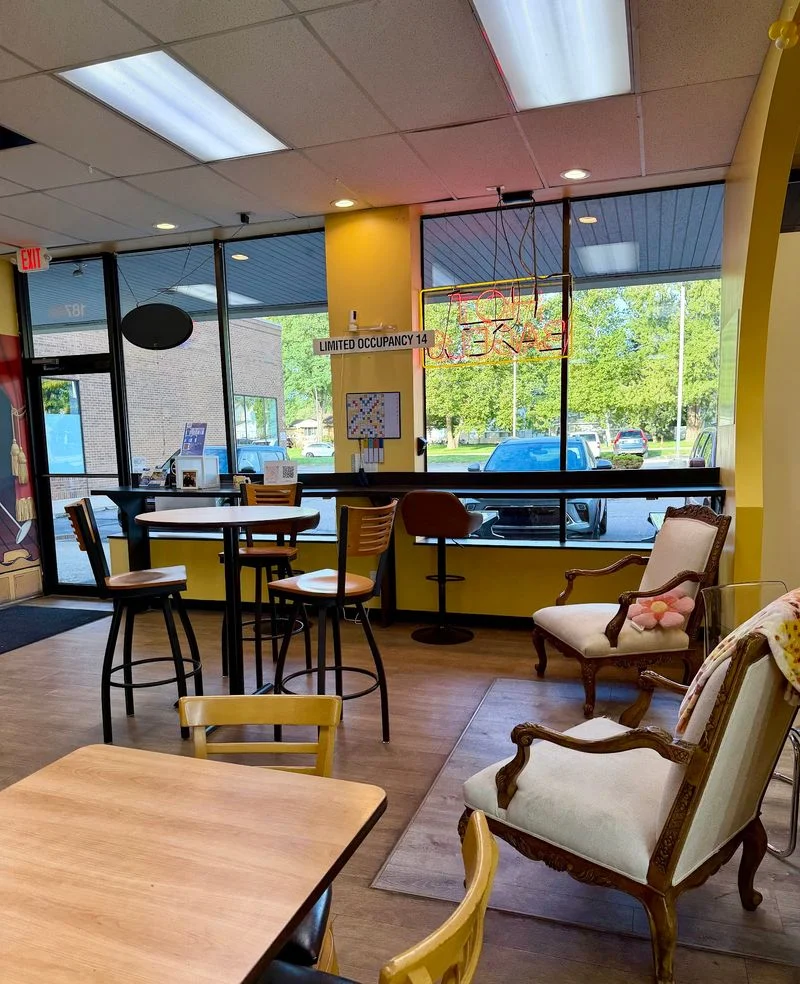
The culinary landscape of Michigan is experiencing a distinct artisanal renaissance, anchored by a humble baked good: the traditional, kettle-boiled bagel. Across the state—from the shores of Traverse City to the urban corridors of Detroit and the rugged terrain of the Upper Peninsula—independent bakeries are operating under a strict, time-honored mandate. When the last batch of fresh dough is exhausted, the ovens are turned off for the day. This uncompromising devotion to freshness has transformed routine morning breakfast runs into competitive culinary outings, where early risers and dedicated enthusiasts frequently empty display cases well before noon.
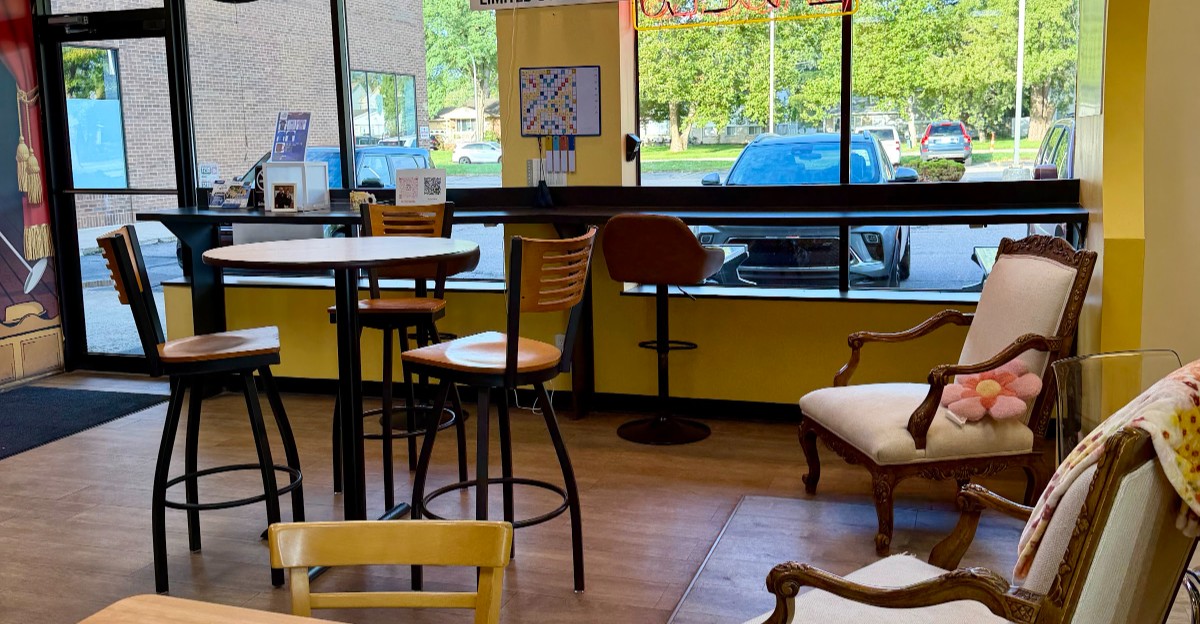
The Craftsmanship and Economics of the Sell-Out Model
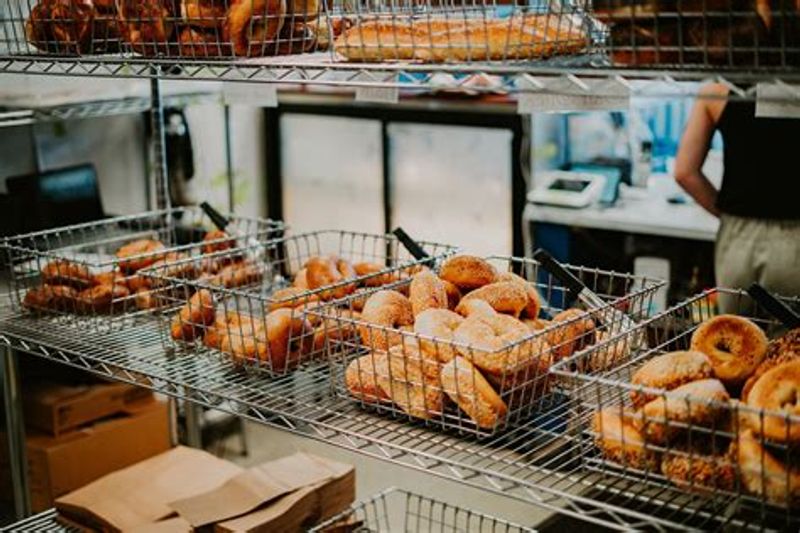
The phenomenon of the midday sell-out is not merely a marketing strategy, but a byproduct of rigorous, traditional manufacturing methods. Unlike mass-produced commercial bread products, authentic New York-style and old-school kettle-boiled bagels require extensive preparation. Bakers must factor in long cold-fermentation periods for the dough, precise temperature control during the boiling process, and high-heat baking to achieve the signature contrast of a glossy, blistered exterior and a dense, chewy interior.
Because these operations refuse to compromise on quality by using chemical preservatives or holding day-old product over in warming bins, they deliberately limit their daily yields. Small-batch production ensures maximum quality control, but it also creates an artificial scarcity that drives morning traffic. For business owners, this model minimizes food waste, maximizes operational efficiency, and builds intense brand loyalty among patrons who understand that hesitation at the counter means missing out entirely.
Historical Roots and Multi-Generational Longevity in Michigan
Michigan’s bagel culture bridges a century of culinary evolution. While contemporary pop-ups and farm-to-table bakeries have injected modern flavor profiles into the market, the state’s bagel lineage is anchored by multi-generational institutions. New York Bagel, for instance, traces its origins back to Detroit’s historic Hastings Street in 1921. Now operated by the fourth generation of the founding family, the business demonstrates the enduring viability of traditional immigrant baking traditions in the Midwest.
Conversely, the past decade has seen a wave of inventive, millennial- and chef-driven concepts enter the market. Entrepreneurs are adapting classic techniques to reflect regional tastes, incorporating local agricultural products—such as northern Michigan cherries—and global spice blends like furikake and za’atar. This synthesis of historical craftsmanship and modern innovation has elevated Michigan from a flyover state into a recognized destination for exceptional baked goods.
Regional Spotlights: Notable Michigan Bagel Destinations
Bubbie’s Bagels (Traverse City)
Founded in 2019 by Sam Brickman after starting as a popular farmers market stall, Bubbie’s Bagels honors the Friday-night baking traditions of Brickman’s grandmother. Located on East Front Street, the shop specializes in traditional kettle-boiled and baked goods that frequently disappear long before its 1 PM closing time. Patrons line up for offerings like Nova lox assemblies with capers and pickled onions, as well as house-made smoked whitefish salad. Operating with a convenient free parking lot, the shop opens at 7 AM on weekdays and 8 AM on weekends.
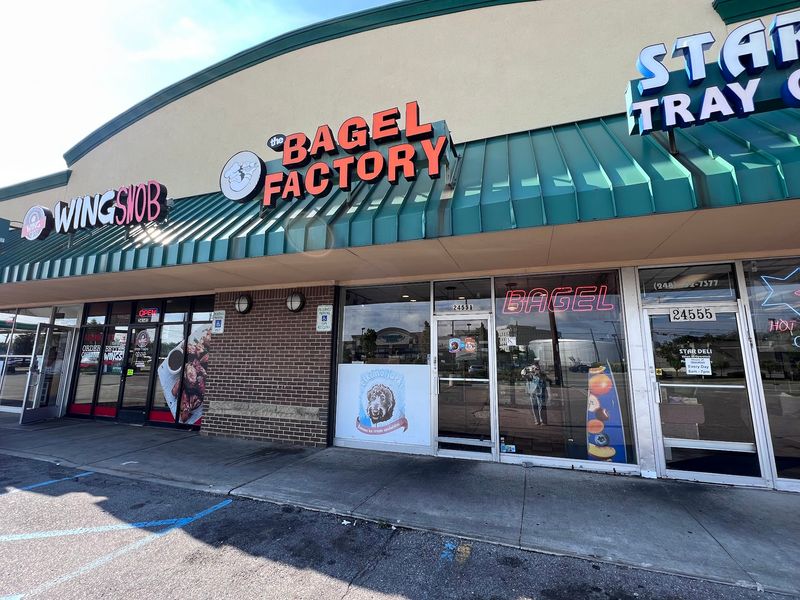
Bagel Factory (Southfield)
Operating as a streamlined, takeout-only establishment along West 12 Mile Road, the Bagel Factory focuses exclusively on core products without the distraction of elaborate cafe beverages. The menu features classic varieties such as poppy, onion, and rye, paired with an extensive selection of flavored cream cheeses. Noteworthy combinations include salt bagels toasted with jalapeño cream cheese. The shop maintains hours from 7 AM to 3 PM Monday through Saturday, and closes at 2 PM on Sundays.
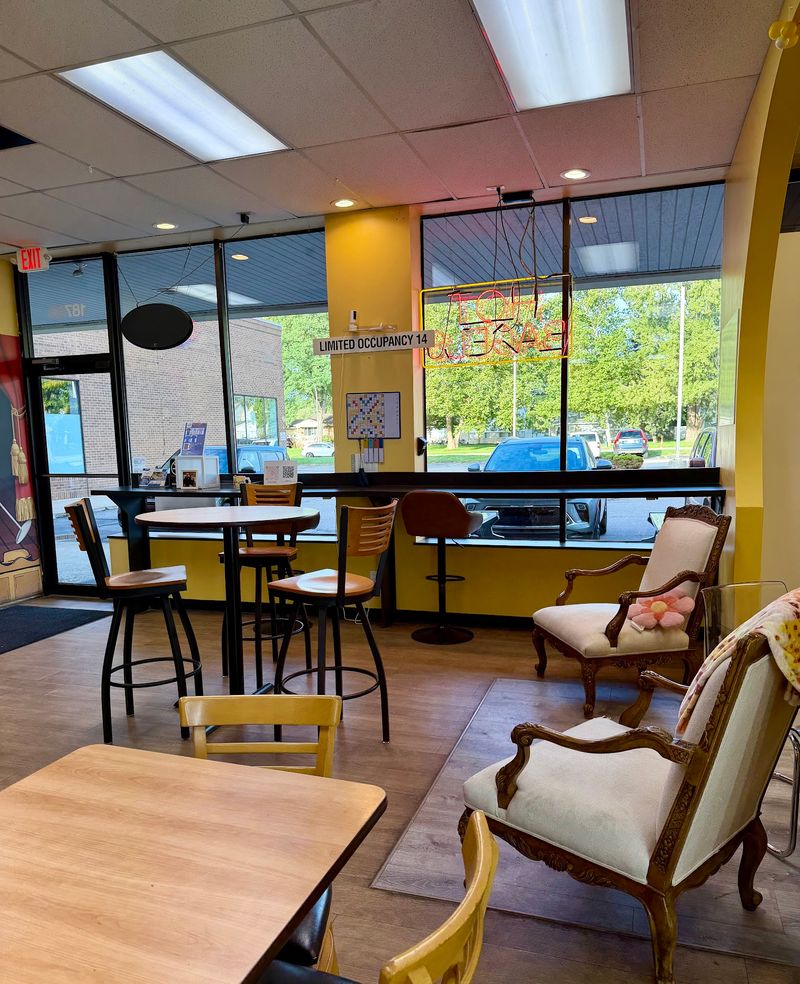
Detroit Bagel Factory (Livonia)
A fixture of the local food scene for over half a century, the Detroit Bagel Factory at 18760 Middlebelt Road maintains a demanding schedule, opening daily at 6 AM. Utilizing a small-batch baking model, the shop ensures that products are sold mere minutes after emerging from the oven. The extensive flavor menu ranges from pumpernickel and chocolate chip to jalapeño mozzarella and seasonal holiday variations, supported by a popular "Bagel Tuesday" promotion.
Terra Bagels (Grand Rapids)
Brought to Eastown by the team behind the local farm-to-table restaurant Terra, this bakery applies seasonal, locally sourced philosophies to its bagel program. Operating locations on Lake Dr SE and downtown Grand Rapids since 2020, Terra Bagels offers gluten-free alternatives alongside traditional varieties, complemented by more than 15 house-made schmears, including cookie butter, huckleberry, and harissa. Hearty sandwich selections feature smoked pastrami with pumpernickel and local vegetables.
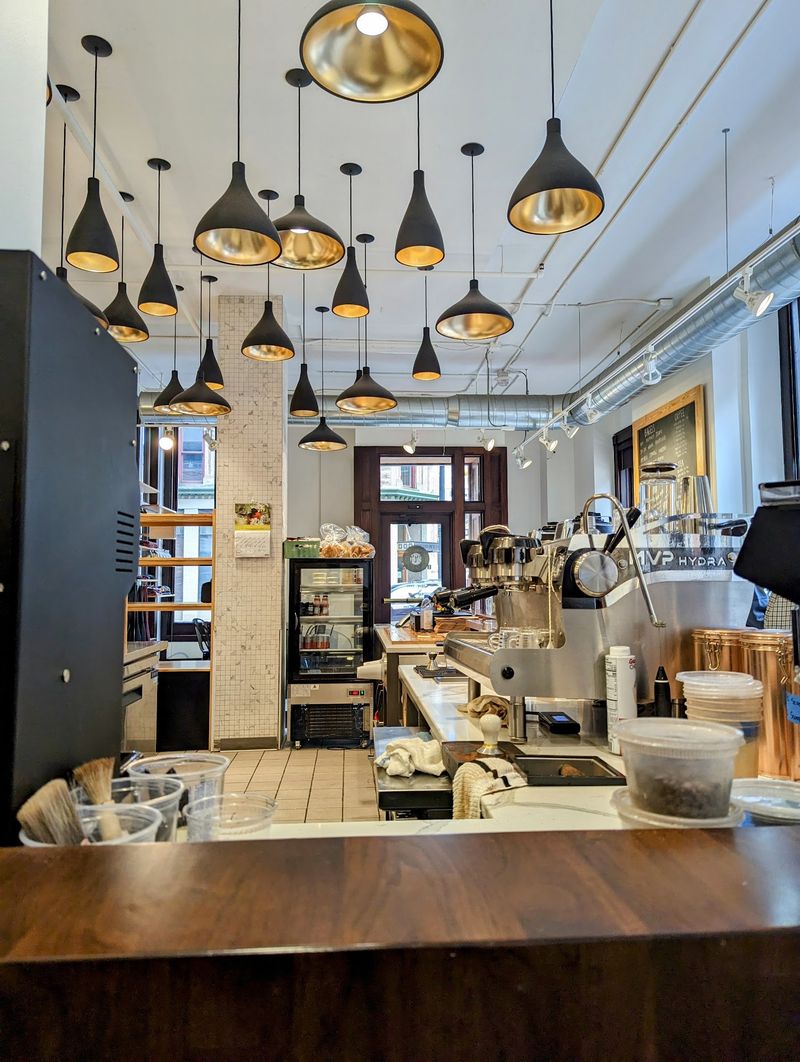
Third Street Bagel (Marquette)
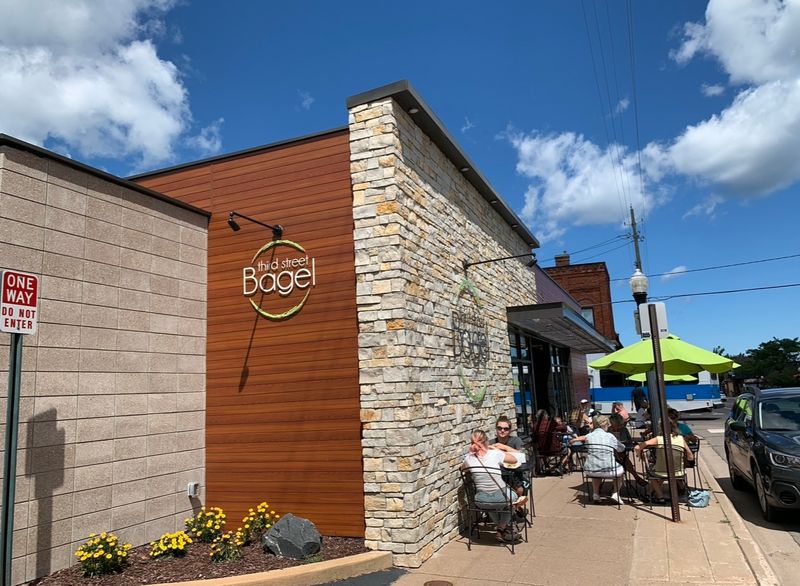
Serving the Upper Peninsula’s early risers since the mid-1990s under owner Christal Silta, Third Street Bagel is a downtown Marquette anchor. Opening as early as 6:30 AM on weekdays, the shop is renowned for its jalapeño cheddar bagels and creative breakfast sandwiches. A 2023 renovation modernized the interior to include a salad station while preserving the welcoming, Wi-Fi-enabled dine-in space that draws patrons throughout the morning hours.
Eastside Bagel (St. Clair Shores)
Recognized by regional publications as a premier destination for New York-style bagels in Michigan, Eastside Bagel has operated for approximately three decades. The menu features authentic kettle-boiled rounds paired with locally inspired schmears, such as Michigan cherry almond cream cheese, alongside savory fusion lunch items like Chicken Caesar sandwiches on parmesan bagels. Due to high demand, online pre-ordering is recommended to bypass morning sell-outs.
Bev’s Bagels (Detroit and Ann Arbor)
Launched by founder Max Sussman initially as an Ann Arbor pop-up before expanding to Core City on Grand River Avenue in 2025 and downtown Ann Arbor in 2026, Bev’s Bagels introduces avant-garde flavor combinations. Utilizing organic ingredients and wild-caught fish, the bakery serves creative offerings like za’atar and spicy furikake bagels, accompanied by house-made desserts including miso caramelized banana bread and chocolate babka knots.
Brazen Bagels (Dearborn)
Operating inside the parts and service department of Village Ford, this husband-and-wife-run enterprise—managed by Jacob and Megan Anson—provides a unique retail model. Utilizing a traditional cold-proof and vintage kettle-boiling method, the shop produces sought-after everything, garlic, and salt bagels, alongside deli staples like hot pastrami and Nova lox sandwiches, complemented by house-baked cookies.
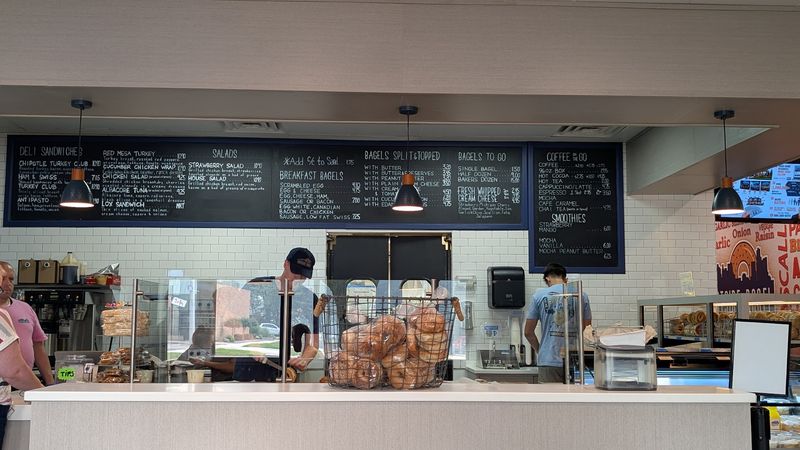
Bo’s Bagels (Ann Arbor)
Bringing a prominent New York pedigree to South University Avenue in 2024, Bo’s Bagels was founded by husband-and-wife team Andrew Martinez and Ashley Dikos. Named after their children, the Ann Arbor outpost mirrors the operators’ successful Harlem and Washington Heights locations. Utilizing self-order kiosks to manage heavy student traffic, the bakery delivers thick, chewy bagels, traditional lox plates, and daily muffin selections.
New York Bagel (Ferndale)
Representing the pinnacle of historical longevity in the state, New York Bagel has operated continuously since its founding on Detroit’s Hastings Street in 1921. Currently led by fourth-generation owner Phil Goldsmith, the Ferndale flagship on Woodward Avenue functions as both a bustling full-service deli and the central production kitchen supplying regional outlets with hand-mixed, kettle-boiled inventory.
Broader Impact and Industry Implications
The commercial viability of these ten establishments highlights a broader shift in consumer preferences toward authentic, transparent food production. In an era dominated by industrial consolidation and frozen convenience foods, independent bakeries that embrace transparent, labor-intensive methods are thriving. By accepting the operational constraints of the sell-out model, Michigan’s premier bagel shops have transformed the morning routine into a valued community ritual, proving that meticulous craftsmanship remains a powerful economic driver in the modern culinary marketplace.


 Gabriela Annisa

 Lukman Taruna Persada Ramadan

 Tatiana Tantri Indah Sari

 Anjar Salim


 Dwi Wanna
