
 Cholid Fahmi Thalib
St. Augustine, Florida, founded by Spanish admiral Pedro Menéndez de Avilés in 1565, holds the distinction of being the oldest continuously occupied European-established settlement within the borders of the continental United States. Beyond its coquina stone fortifications, narrow pedestrian thoroughfares, and centuries-old colonial architecture, the city has quietly evolved into a dynamic epicenter for regional and international gastronomy. The culinary landscape of this historic destination is shaped by a distinct convergence of indigenous, Spanish, Minorcan, African, and Latin American influences. Navigating this diverse dining environment requires an understanding of how historical migration patterns continue to dictate local menus, creating an intersection of classic Southern fare, Caribbean flavors, and Mediterranean traditions within a few blocks of the Atlantic coastline.
Historical Context and the Evolution of St. Augustine’s Food Scene
The culinary identity of St. Augustine is deeply rooted in its geopolitical history. Following Spanish colonization, the arrival of Minorcan indentured servants in the late 18th century permanently altered the local palate, introducing fiery datil peppers, hand-rolled flatbreads known as semellitas, and robust chowders. In subsequent centuries, successive waves of immigration infused the coastal community with Cuban, Spanish, and South American cooking techniques.
Today, this historical layering manifests in dining rooms housed within structures dating back to the late 19th century, as well as in establishments that maintain strict cash-only traditions reminiscent of mid-20th-century coastal eateries. Local culinary historians note that the juxtaposition of fine-dining establishments offering avant-garde Peruvian gastronomy alongside cash-only, 1960s-era fried seafood shacks underscores St. Augustine’s resistance to homogenization. This commitment to retaining distinct local characteristics has transformed the municipality from a historical waypoint into a nationally recognized culinary destination.
Iconic Institutions and Historic Dining Rooms
The city’s architectural preservation efforts extend directly into its hospitality sector, where several prominent restaurants operate within historically significant buildings.
Columbia Restaurant
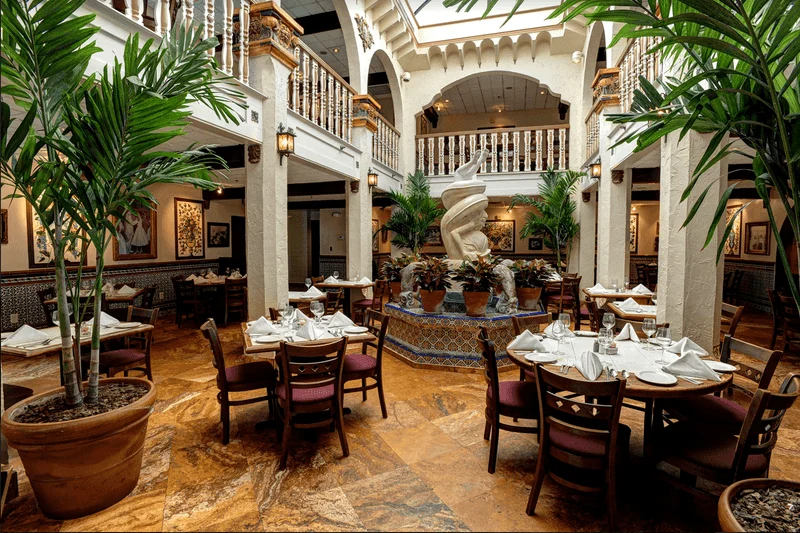
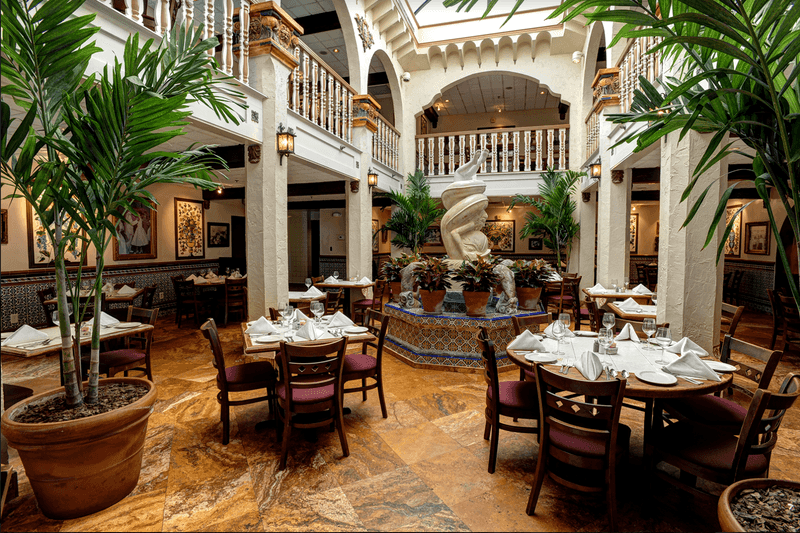
Situated at 98 St. George Street within the historic district, the Columbia Restaurant represents a foundational piece of Florida’s hospitality lineage. The original Columbia was established in Tampa’s Ybor City in 1905 by Casimiro Hernandez Sr., earning recognition as the oldest continuously operating restaurant in the state. The St. Augustine branch occupies a prominent footprint on St. George Street, featuring a two-story dining environment characterized by hand-painted Spanish tiles, wrought-iron fixtures, historic photographs, and extensive stained glass.
The menu is anchored by traditional Spanish and Cuban comfort dishes. The signature 1905 Salad—prepared tableside with iceberg lettuce, julienned ham, Swiss cheese, tomatoes, olives, grated Romano cheese, and a garlic-oregano dressing—remains a staple order. Other primary offerings include the Paella Valenciana and Ropa Vieja. In response to shifting consumer demands, the establishment offers a comprehensive vegan menu, including a plant-based adaptation of the traditional Spanish Bean Soup. Operating daily from 11:00 AM to 10:00 PM, the venue experiences peak capacity during weekend afternoons and evenings, necessitating advance reservations.
Raintree Restaurant
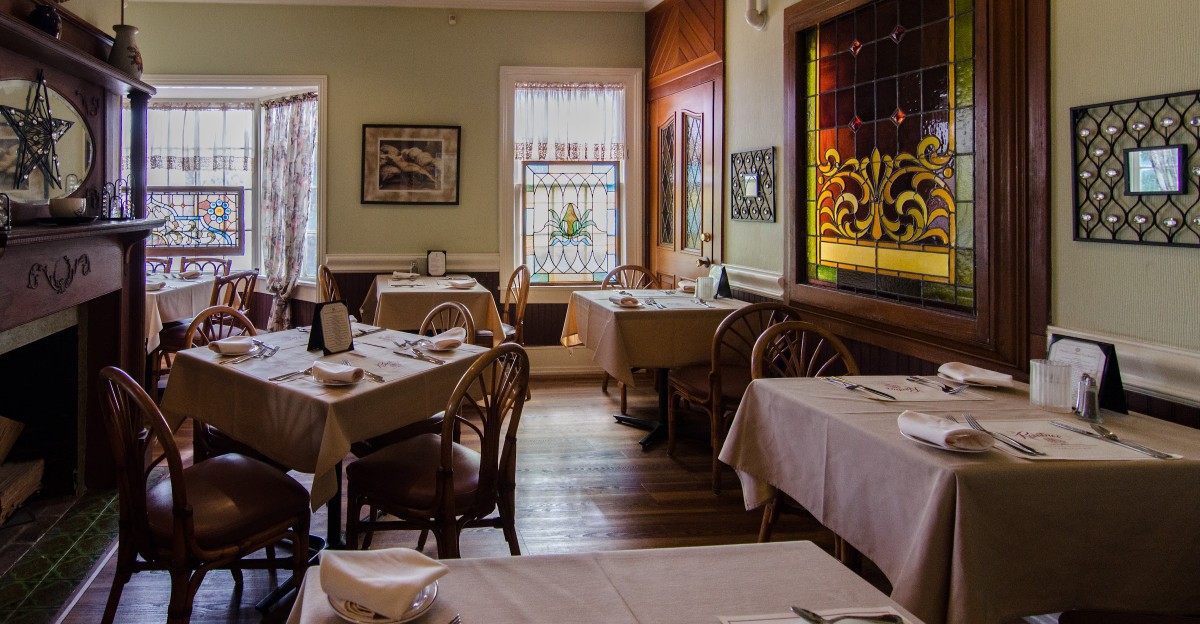
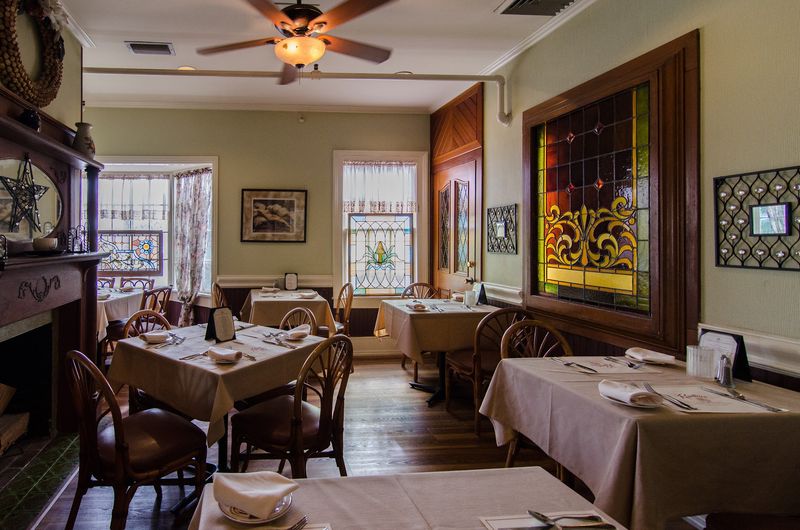
Operating within a Victorian residence constructed in 1879, the Raintree Restaurant at 102 San Marco Ave stands as one of the few surviving post-Civil War structures in its immediate neighborhood. Surrounded by a landscaped courtyard featuring gazebos and a koi fountain, the venue provides a formal, European-influenced dining atmosphere. Culinary offerings lean heavily toward classic American and continental preparations, highlighted by traditional Beef Wellington, filet mignon, Canadian lobster, and Chilean sea bass. The establishment also maintains an extensive dessert bar and offers vegan-friendly adaptations of its signature house salads and soups. Dinner service is available Tuesday through Saturday, complemented by a Sunday brunch.
Traditional Seafood and Coastal Staples
The proximity to the Atlantic Ocean, the Tolomato River, and the Intracoastal Waterway ensures that fresh seafood remains a foundational element of the local economy and restaurant sector.
O’Steen’s Restaurant
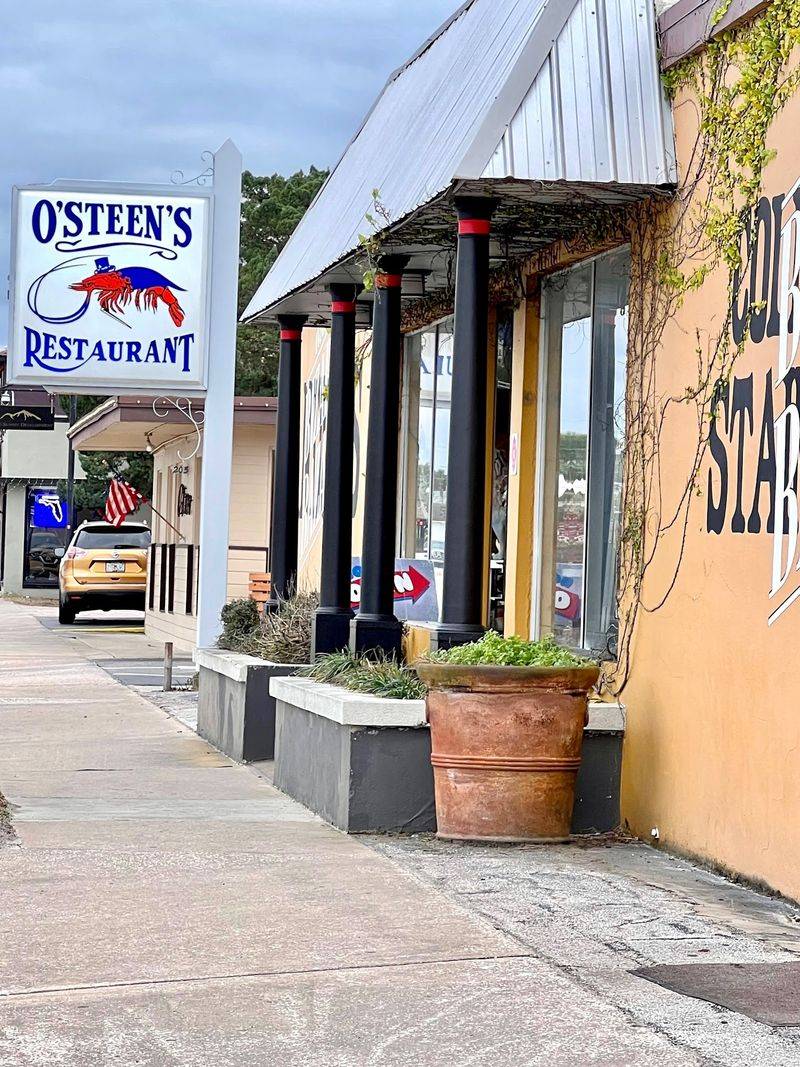
Located at 205 Anastasia Blvd, O’Steen’s Restaurant has maintained an unchanged operational model since opening its doors in 1965. Operating strictly on a cash-only basis, the establishment routinely draws substantial queues down the sidewalk, reflecting a consumer base that prioritizes culinary consistency over modern transaction conveniences. The menu centers on fried seafood, with the Double Fried Shrimp Dinner serving as its most requested item, accompanied by traditional homestyle hush puppies and sides. Additionally, the kitchen produces a homemade Minorcan Clam Chowder, a regional specialty utilizing local clams and datil peppers. Operating Tuesday through Saturday, the restaurant experiences its lowest wait times immediately following the late-morning opening hour.
Catch 27
Positioned on Charlotte Street, Catch 27 approaches regional seafood through a seasonal, farm-to-table lens. The intimate dining room features coastal staples such as shrimp and grits, crab cakes, and a rotating selection of regional chowders, alongside elevated entrees like salmon and lobster gnocchi. The establishment accommodates dietary restrictions with a variety of gluten-free and plant-based alternatives, operating exclusively for dinner service from the late afternoon onward.
Cap’s On the Water
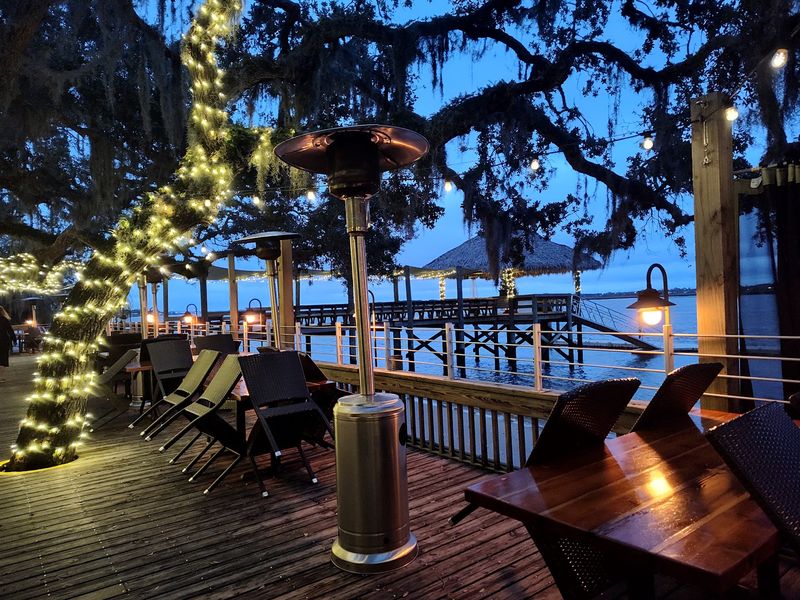
Situated at 4325 Myrtle St along the Intracoastal Waterway, Cap’s On the Water leverages its natural setting to combine regional seafood with waterfront views. The property features a wooden dock, a covered pavilion, and an outdoor seating area shaded by historic Florida cedar trees. The menu highlights raw bar selections, Vanilla Grouper, She Crab Soup, and regional jambalaya, alongside adventurous items such as deep-fried gator tail served with citrus sauce. Named Northeast Florida’s top waterfront dining spot in recent regional hospitality polls, the venue utilizes an online waitlist system in lieu of traditional reservations to manage high evening demand.
The Boathouse St. Augustine
Located at 160 Nix Boat Yard Rd, The Boathouse bridges traditional coastal seafood preparation with modern culinary trends by offering a dual menu featuring both classic seafood platters and fresh sushi. Offerings range from whole steamed Maine lobsters and crab legs to stuffed grouper and vegan-friendly collard greens. The outdoor deck frequently hosts live musical performances, supported by an open-air fire pit designed to accommodate cooler seasonal evenings.
Global Influences and Contemporary Innovations
Beyond traditional Southern and Spanish fare, St. Augustine’s culinary footprint has expanded to encompass diverse international cuisines and inventive local products.
Llama Restaurant
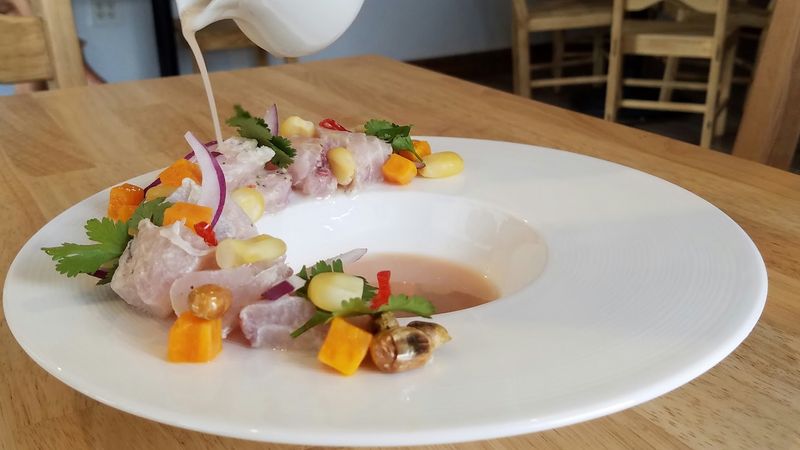
Located at 415 Anastasia Blvd, Llama Restaurant introduces high-end Peruvian gastronomy to the historic city under the direction of chef-owner Marcel Vizcarra. The menu explores traditional and Nikkei (Japanese-Peruvian) flavor profiles through meticulously plated ceviches, grilled anticuchos skewers, and hearty seafood rice dishes such as Arroz Con Mariscos. The restaurant’s small, intimate dining room caters primarily to evening dinner service and a limited Sunday brunch, with reservations strongly advised due to limited seating capacity.
The Floridian Restaurant
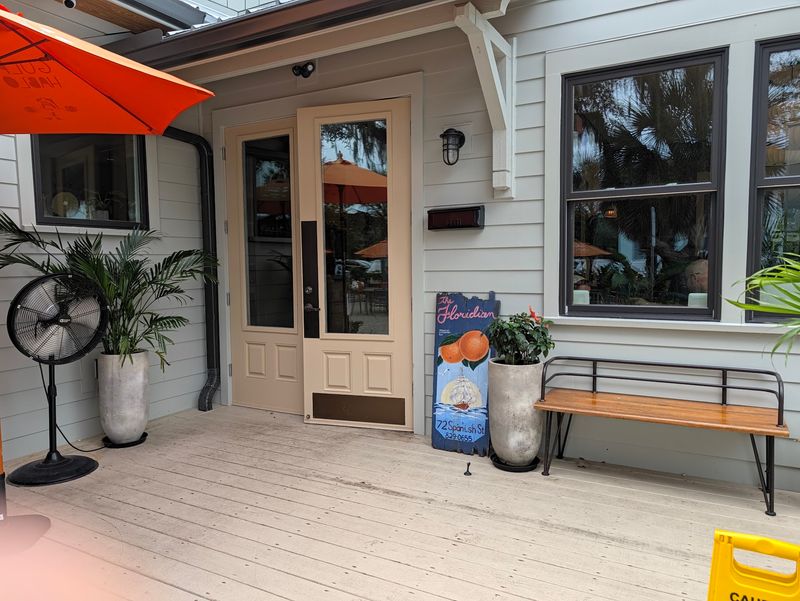
Relocating to a custom-designed facility near St. Augustine Beach at 485 Old Beach Rd, The Floridian offers a contemporary interpretation of traditional Southern cuisine utilizing locally sourced ingredients. Dishes such as Fried Green Tomatoes, Biscuits and Belly, and Pork ’N Waffles are complemented by an extensive, dedicated plant-based menu that ensures comprehensive vegan and vegetarian dining options. The modern facility provides on-site parking and expanded outdoor seating, operating six days a week.
Gaufres & Goods
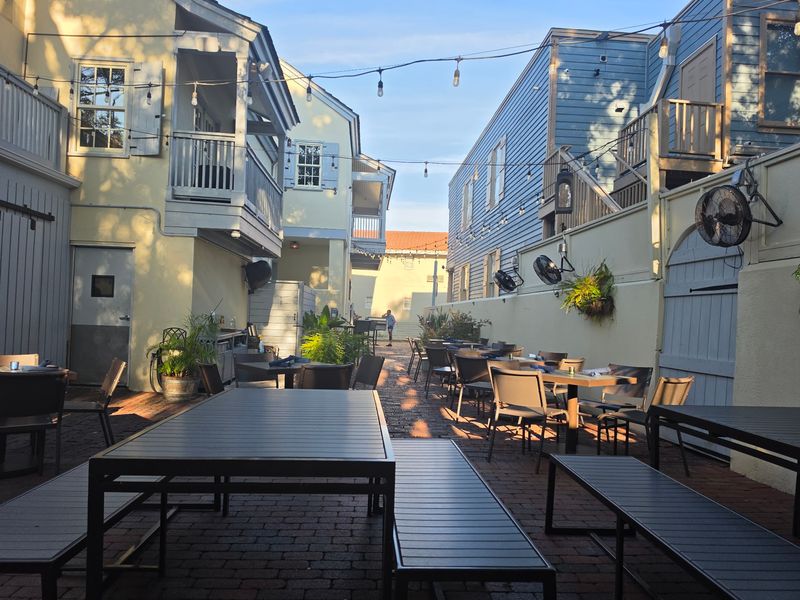
Tucked away in a pedestrian alleyway near Charlotte Street and Aviles Street, Gaufres & Goods represents a distinct fusion of Greek and Polish home-style cooking. The family-owned kitchen specializes in crispy sugar waffles (gaufres) served with various sweet and savory toppings, alongside traditional pierogies, Greek spinach pie, and hearty soups. The hidden location offers an alternative dining experience away from the heavy foot traffic of the main historic corridors.
The Hyppo
Concluded as a staple of local dessert culture, The Hyppo revolutionized the traditional ice pop model through its "farm-to-future" operational philosophy. Founded by Stephen DiMare with a flagship location on Hypolita Street (70 St George St), the enterprise produces all-natural, preservative-free gourmet ice pops utilizing seasonal fruits sourced primarily from Florida agricultural producers. While offering standard profiles such as horchata and Nutella, the brand achieved regional notoriety through its specialty Strawberry Datil Pepper pop, which incorporates St. Augustine’s signature indigenous pepper into a frozen confection.
Economic and Cultural Implications of St. Augustine’s Dining Sector
The enduring success of these diverse dining establishments highlights the economic resilience of St. Augustine’s hospitality industry. According to regional tourism data, culinary tourism serves as a primary driver for overnight visitor stays, directly supporting local purveyors, agricultural suppliers, and independent operators. The ability of historic venues like the Columbia Restaurant and the Raintree Restaurant to operate successfully alongside modern establishments like The Floridian and Llama demonstrates a balanced market ecosystem.
Industry analysts observe that St. Augustine’s culinary sector benefits from a unique consumer tolerance for both historical authenticity—exemplified by cash-only institutions like O’Steen’s—and progressive dining concepts. As the municipality continues to navigate growth and infrastructural shifts, the local restaurant community remains anchored by its ability to honor its multi-ethnic heritage while adapting to contemporary dietary preferences and expectations.


 Gabriela Annisa

 Lukman Taruna Persada Ramadan

 Tatiana Tantri Indah Sari

 Anjar Salim


 Dwi Wanna
