
 Anjar Salim
The global hospitality industry is currently undergoing a fundamental paradigm shift, moving beyond traditional "green" initiatives toward a model of regenerative tourism that seeks to actively improve the environments and communities in which hotels operate. As of April 2026, the standard for luxury and boutique accommodations has evolved from mere carbon neutrality to carbon-positive and zero-waste frameworks. This transition is driven by a combination of heightened consumer demand for ethical travel, stricter environmental regulations, and a growing recognition that the long-term viability of tourism depends on the preservation of natural and cultural assets. From the urban centers of the United States to the remote stretches of Patagonia, a new generation of lodges and retreats is demonstrating that high-end hospitality can function as a catalyst for environmental restoration and social equity.

The Architectural and Operational Vanguard: Carbon-Positive Urbanism
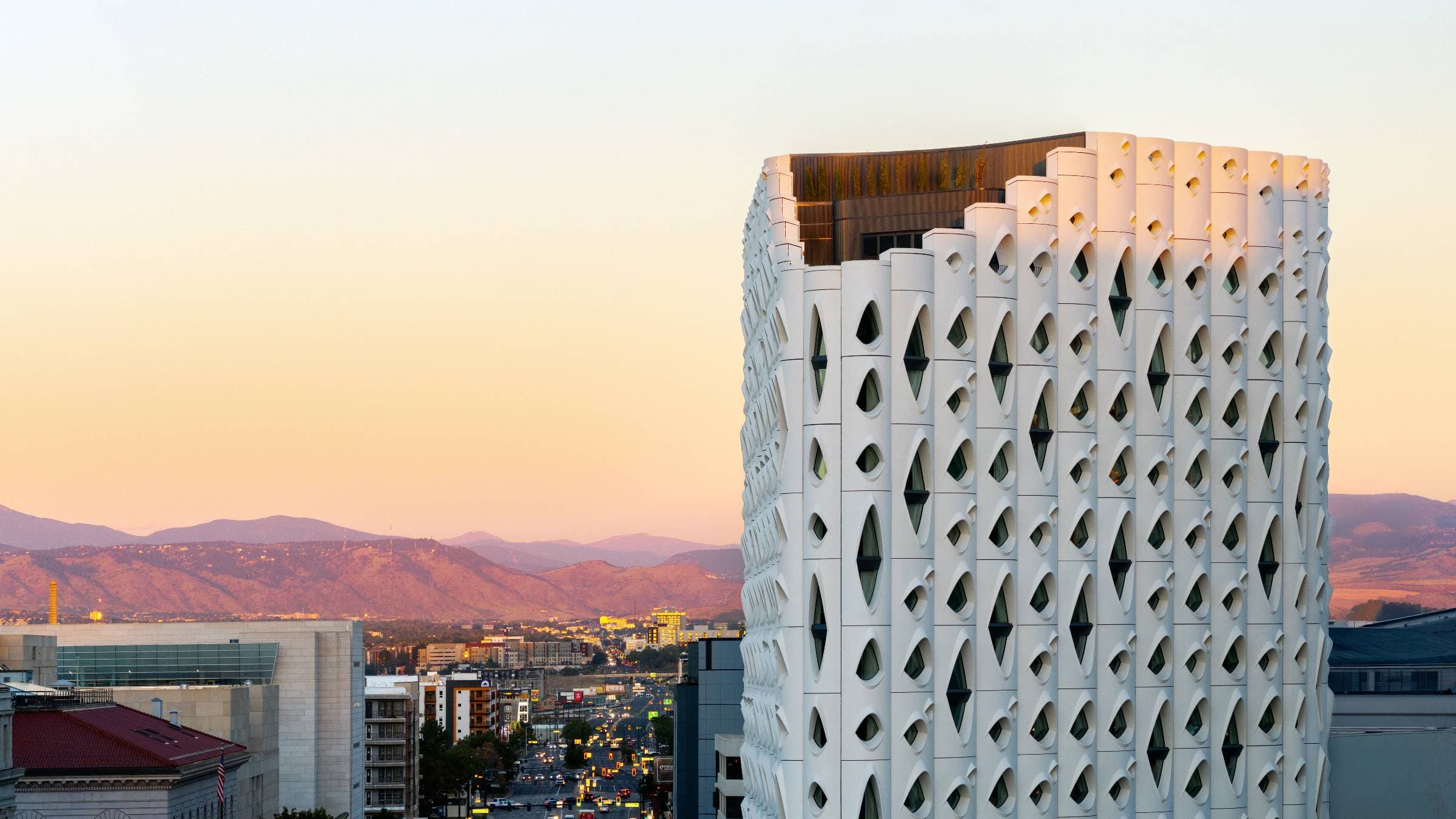
The emergence of carbon-positive architecture represents one of the most significant technological milestones in recent hospitality history. A primary example is the Populus hotel in downtown Denver, Colorado, which serves as the first carbon-positive hotel in the United States. This designation implies that the property sequesters more carbon dioxide than it emits throughout its entire lifecycle, including construction and ongoing operations.
The 13-story building, designed by Studio Gang, utilizes low-carbon concrete and 100 percent renewable energy. Its aesthetic, inspired by the native Colorado Aspen tree (Populus tremuloides), serves a functional purpose; the "eye-shaped" windows are designed to provide natural shading and manage solar gain, reducing the energy required for cooling. Operationally, the hotel has implemented a circular economy model. A critical component of this is the onsite biodigester, which processes all organic food waste from the hotel’s dining venues, such as Pasque, into compost that is subsequently distributed to local farms. This "closed-loop" system eliminates the need for traditional waste hauling and reduces methane emissions associated with landfills. Furthermore, the hotel’s "One Night, One Tree" program ensures that reforestation efforts scale directly with occupancy, reinforcing the link between commerce and conservation.

Regenerative Agriculture and Social Empowerment in Mexico
In the coastal village of Juluchuca, Mexico, Playa Viva has set a global benchmark for how hospitality can foster social mobility and ecological health. In 2023, the property received a B-Corp certification with a score of 110, significantly higher than the median score for sustainable businesses. This 200-acre retreat operates entirely off-grid, utilizing solar power and sustainable building materials such as locally harvested bamboo for its "manta ray" inspired treehouses.
However, the property’s impact extends beyond its physical footprint. Playa Viva recently established a women’s cooperative designed to integrate local women into the agricultural sector, a field traditionally dominated by men in the region. By providing education in regenerative farming techniques and permaculture, the hotel has created a new economic pillar for the community. Guests are invited to participate in this process through educational tours of the 20-acre onsite farm. Additionally, the hotel manages a turtle sanctuary, contributing to the biodiversity of the Pacific coast by protecting endangered nests and facilitating seasonal hatchling releases. This model demonstrates that "luxury" in a modern context is increasingly defined by the depth of a guest’s connection to the local ecosystem and the measurable positive impact of their stay.
The Soul Community Planet Model: Accessibility and Social Impact
The SCP (Soul Community Planet) brand, launched in 2018, represents a shift toward "holistic hospitality" that prioritizes "soul, community, and planet." At its Hilo, Hawaii location, the brand has successfully integrated into the local fabric, blurring the lines between a tourist facility and a community hub. The SCP Hilo property is currently pursuing EarthCheck certification, one of the world’s most rigorous scientific benchmarking programs for sustainable tourism.
The hotel’s operational model is built on "fair pricing" and community integration. Unlike traditional resorts that isolate guests, SCP Hilo encourages local participation in its yoga, meditation, and cultural workshops. The property also serves as a commercial platform for over 100 local artisans, such as Waipunalei Ohana Farm, by featuring their products in its retail spaces and interior design. From an environmental standpoint, the hotel’s "Every Stay Does Good" program ensures that each booking results in the planting of one tree and the removal of 2.2 pounds of plastic waste from local beaches. This quantifiable approach to sustainability provides travelers with transparent data regarding the impact of their patronage.

Specialized Conservation and the "DarkSky" Movement
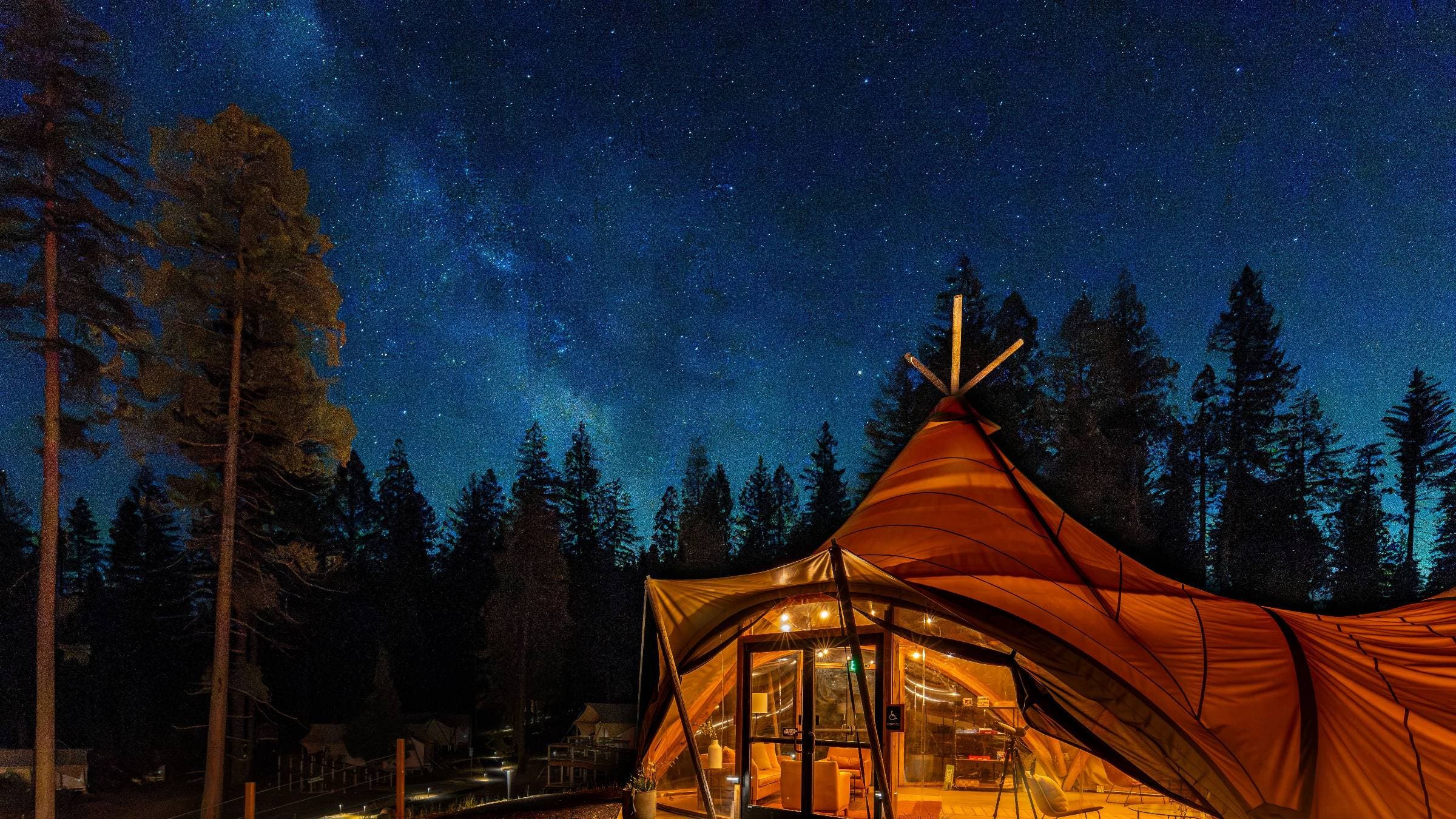
As light pollution becomes a global concern, the hospitality industry is increasingly focusing on the preservation of the nocturnal environment. Under Canvas Yosemite, which recently opened as the first DarkSky Approved lodging in California, exemplifies this trend. Certified by DarkSky International, the camp utilizes specialized lighting fixtures and operational protocols to minimize light spill, protecting local wildlife behavior and allowing for world-class stargazing.
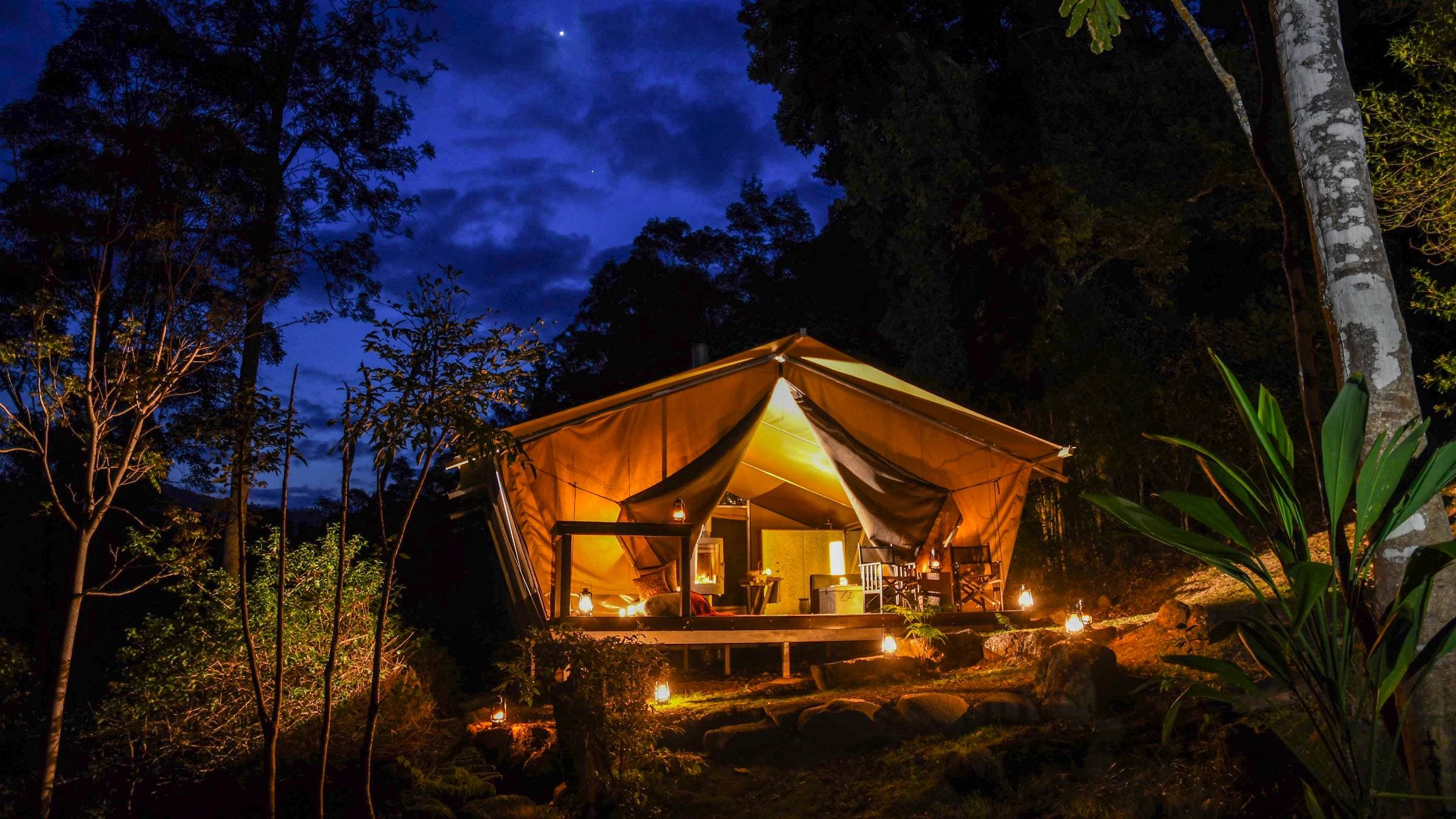
The Under Canvas model is inherently low-impact, utilizing safari-style tents that can be removed without leaving a permanent footprint on the land. The Yosemite location prioritizes solar energy and carbon offset practices while promoting car-free access to the national park via the Yosemite Area Regional Transportation System (YARTS). This focus on "quiet luxury" and environmental stewardship aligns with a broader industry trend where the absence of traditional infrastructure is viewed as a premium feature.
Indigenous Stewardship and Remote Wilderness Management
In British Columbia, the Klahoose Wilderness Resort offers a definitive model for Indigenous-led tourism. Owned and operated by the Klahoose First Nation, the resort is located within the traditional territory of Desolation Sound. The property operates entirely off-grid, powered by a sophisticated hydroelectric system that utilizes stream runoff to generate renewable energy.
The resort serves a dual purpose: providing an immersive wilderness experience for guests and acting as a vehicle for cultural preservation and economic sovereignty for the Klahoose people. Indigenous-led grizzly bear viewing tours and cultural ceremonies are central to the guest experience, ensuring that the narrative of the land is told by its original stewards. This form of tourism is increasingly recognized by analysts as essential for the preservation of "pristine" wilderness areas, as it aligns conservation goals with the self-determination of local Indigenous communities.
Technical Innovations in Winter Sports and Alpine Tourism
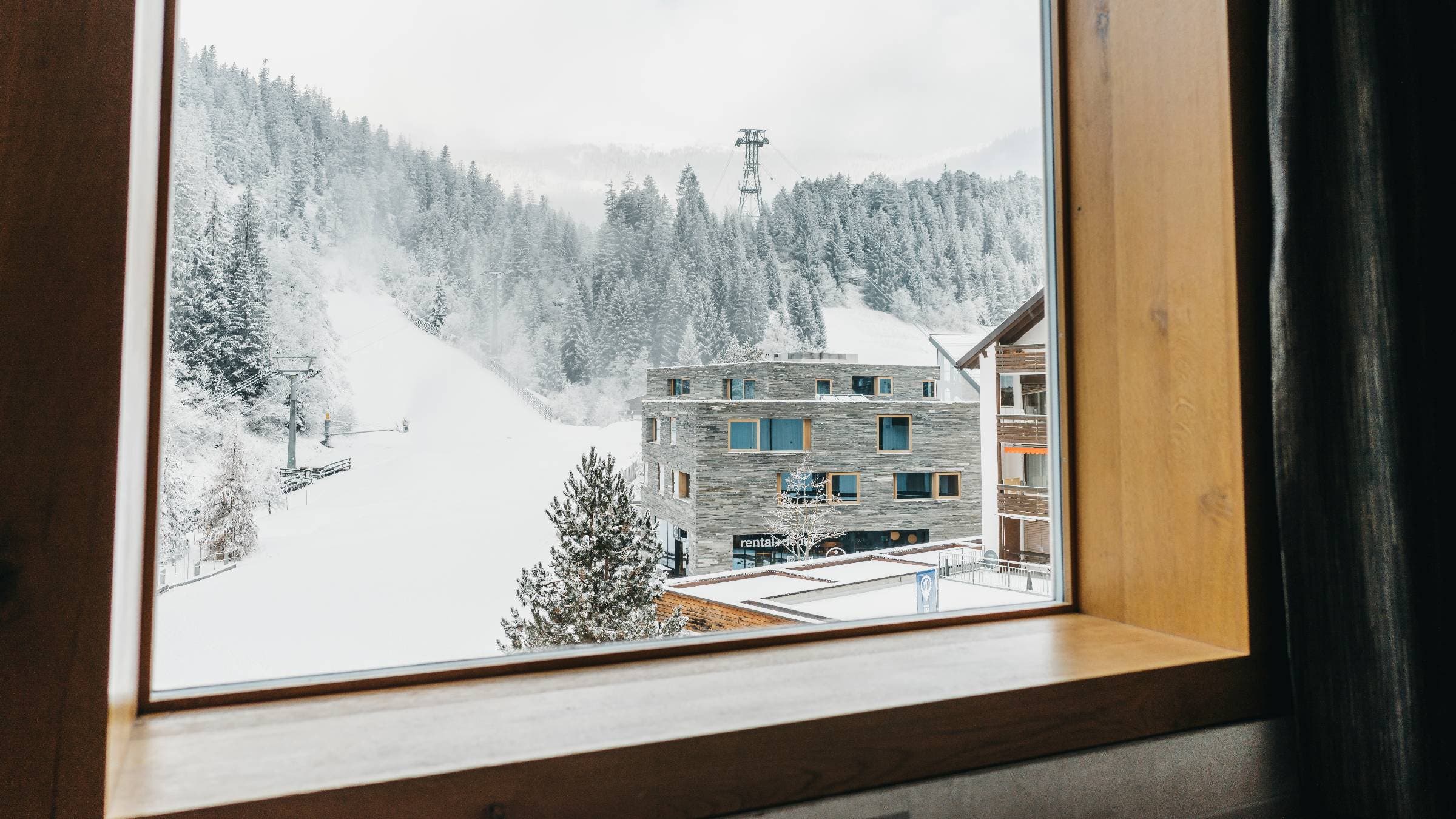
The ski industry, which is particularly vulnerable to climate change, is seeing aggressive sustainability targets in the Swiss Alps. Laax, Switzerland, has emerged as a leader in this sector, aiming for total carbon neutrality by 2030. The resort’s Rocksresort complex is constructed from 40-million-year-old local stone and operates within a zero-waste framework.
Technical innovations at Laax include:
- Hydro-Powered Snow Management: Snowcats and snowmaking equipment are powered by hydropower.
- Thermal Recovery: Excess heat generated by ski lift motors is captured and repurposed to heat resort buildings.
- Dynamic Gondola Operations: Lifts run on an as-needed basis to reduce energy consumption during off-peak hours.
- Biodegradable Maintenance: The resort mandates the use of biodegradable waxes for all rental equipment to prevent chemical runoff into the alpine watershed.
The Global Context: Data and Economic Implications
The shift toward sustainable hospitality is backed by significant market data. According to the 2025 Sustainable Travel Report, approximately 75% of global travelers expressed a desire to travel more sustainably over the coming year, with 43% willing to pay a premium for accommodations with verified eco-certifications.
The economic viability of these practices is also becoming clearer. While the initial capital expenditure for technologies like biodigesters, solar grids, or low-carbon concrete can be higher, the long-term operational costs are often lower due to reduced energy consumption and waste management fees. Furthermore, properties with high ESG (Environmental, Social, and Governance) ratings are increasingly favored by institutional investors and insurance providers, who view climate-resilient infrastructure as a lower-risk asset.
Broader Impact and the Future of Hospitality
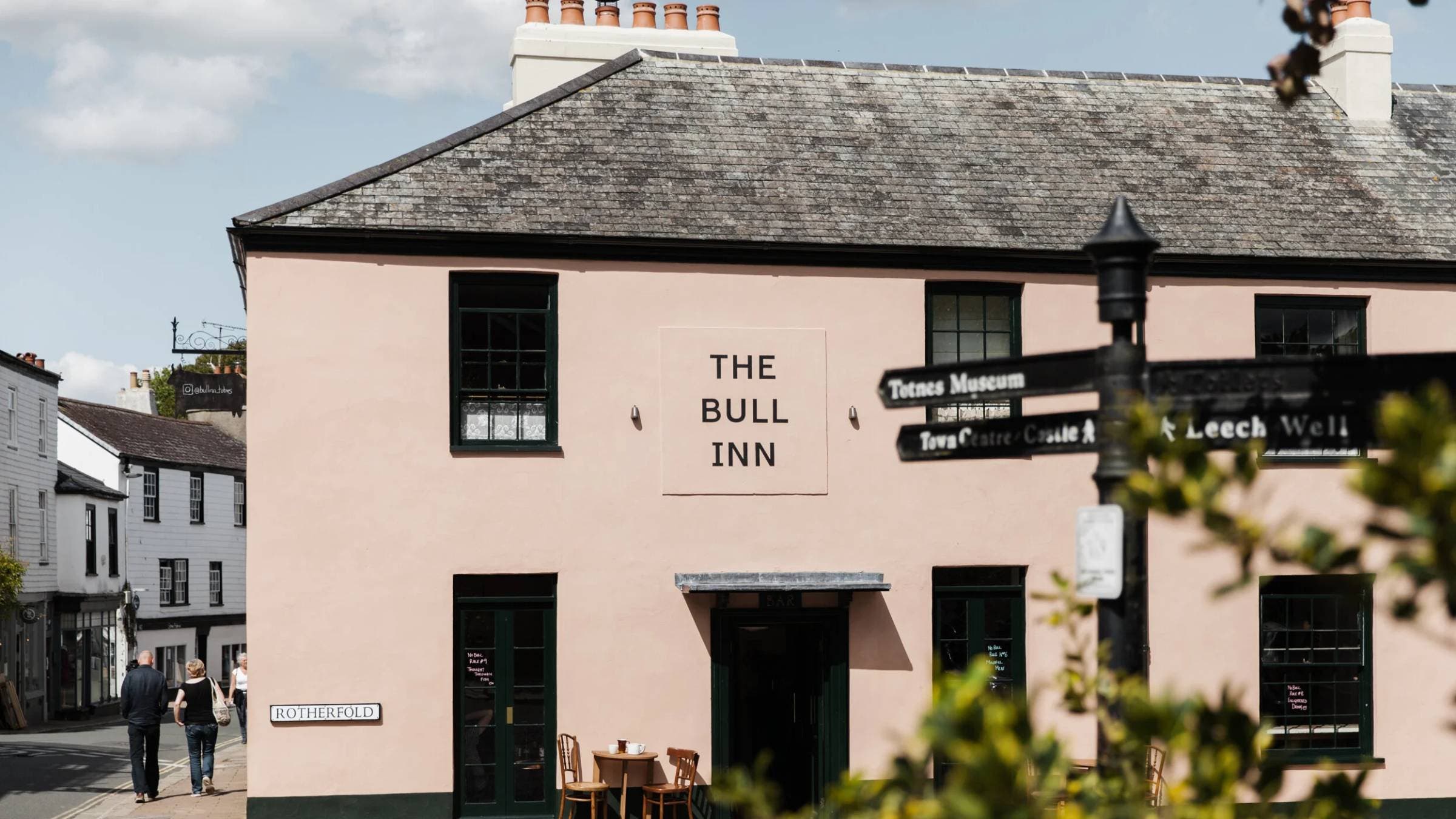
The hotels and lodges highlighted—ranging from the "seaweed camp" heritage of Bahía Bustamente Lodge in Argentina to the radical "No-Bull Rules" of The Bull Organic Inn in the UK—represent a broader movement toward accountability. The Bull Organic Inn’s launch of the world’s first regenerative hospitality course signifies a transition from individual excellence to industry-wide education.
As the industry moves toward 2030, the "greenwashing" of the past is being replaced by rigorous, data-driven transparency. The success of these nine properties suggests that the future of travel lies not in the consumption of a destination, but in its restoration. By integrating carbon-positive technology, Indigenous wisdom, and circular economy principles, the hospitality sector is proving that it can be a guardian of the planet’s most fragile ecosystems rather than a threat to them. The trend toward treading lightly is no longer a niche preference; it is the new global standard for excellence in service and design.




 Budi Mulyono
 Chandra Hamzah
 Tatiana Tantri Indah Sari

 Lukman Taruna Persada Ramadan