
 Diana Nuri Rohmawati
Madrid, the sprawling capital of Spain and home to approximately 3.5 million residents, stands as a central pillar of European tourism, attracting more than 10 million international and domestic visitors annually. As the nation’s largest municipality, the city serves as the political, economic, and cultural heart of the Iberian Peninsula. Renowned for its high-altitude energy, Mediterranean climate, and late-night social structures, Madrid has recently undergone a strategic shift in its tourism model, emphasizing sustainable "slow travel" and the promotion of its UNESCO-recognized heritage sites. This report provides a detailed, five-day strategic framework for navigating the city’s vast offerings, integrating historical context, economic data, and logistical analysis for the modern traveler.
The Macro-Economic Context of Madrid Tourism
The tourism sector remains a vital component of Madrid’s economy, contributing significantly to the regional Gross Domestic Product (GDP). Following the global disruptions of the early 2020s, the Madrid City Council and the Regional Government have invested heavily in infrastructure and the preservation of historic districts. The 2021 designation of the "Landscape of Light" (Paisaje de la Luz) as a UNESCO World Heritage site marked a turning point, elevating the city’s profile from a mere transit hub to a primary destination for art and history aficionados. Analysts note that Madrid’s tourism strategy now focuses on diversifying visitor flow, encouraging exploration beyond the central Puerta del Sol to alleviate "over-tourism" while supporting local businesses in residential neighborhoods like Malasaña and La Latina.
Day 1: The Artistic Legacy of the Golden Triangle
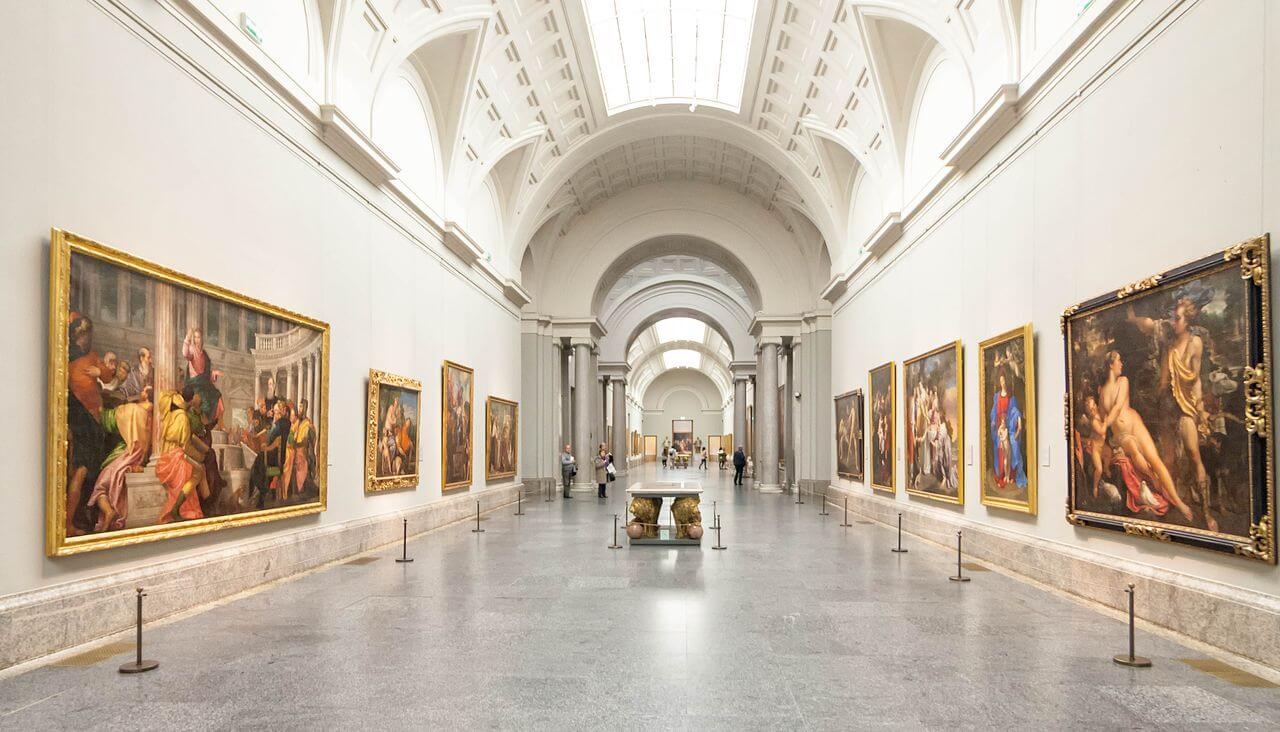
The initial phase of any strategic visit to Madrid centers on the Paseo del Prado, a boulevard that hosts one of the highest concentrations of world-class art on the planet. This area, part of the UNESCO World Heritage designation, is anchored by the "Golden Triangle of Art," comprising the Prado Museum, the Thyssen-Bornemisza, and the Reina Sofía.
The Prado Museum, established in 1819, remains the cornerstone of Spanish cultural identity. It houses the former Spanish Royal Collection, featuring definitive works by Francisco Goya, Diego Velázquez, and El Greco. With over 8,000 paintings and 1,000 sculptures, the museum requires a minimum of three to four hours for a baseline survey. Just ten minutes away, the Thyssen-Bornemisza Museum provides a chronological bridge from the Italian primitives to 20th-century Pop Art.
The circuit concludes at the Reina Sofía National Art Center, which focuses on contemporary and modern movements. The museum’s centerpiece, Pablo Picasso’s Guernica (1937), remains a potent geopolitical symbol of anti-war sentiment. Beyond the major galleries, Madrid is revitalizing its "House Museums." The Sorolla Museum, the former residence of the "painter of light" Joaquín Sorolla, is currently undergoing a multi-million euro architectural renovation and is scheduled for a high-profile reopening in 2026. These smaller institutions, including the Museum of Romanticism and the Lázaro Galdiano Museum, offer a more intimate look at the private lives and collections of the Spanish elite during the 18th and 19th centuries.
Day 2: Architectural Evolution and the Habsburg Legacy
The second day of the itinerary focuses on the urban development of "Habsburg Madrid" (Madrid de los Austrias), the historic center characterized by the Renaissance and Baroque styles favored during the 16th and 17th centuries.
The geographic and symbolic center of Spain is found at Puerta del Sol. This plaza contains "Kilometer Zero," the point from which all radial roads in Spain are measured. It also hosts the statue of the Bear and the Strawberry Tree, the heraldic symbol of the city. From an urban planning perspective, Puerta del Sol serves as a primary transit node and a frequent site for political demonstrations, reflecting the city’s role as the seat of government.
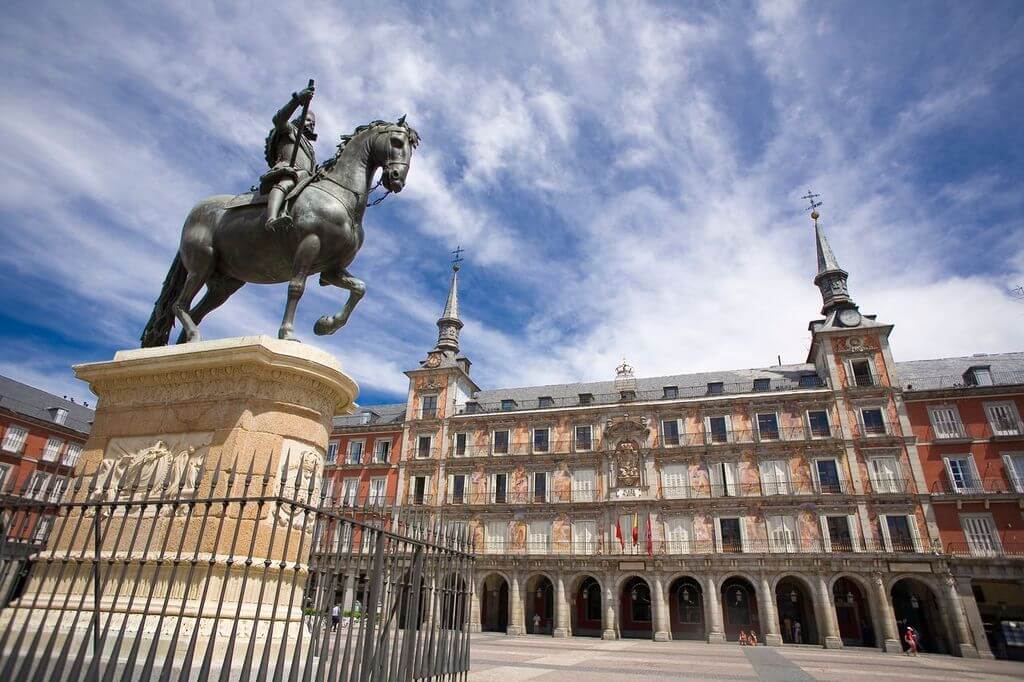
A short walk leads to the Plaza Mayor, a porticoed square completed in 1619. Historically, this space served as the theater of the city, hosting everything from royal coronations to Spanish Inquisition trials. Today, it is a primary commercial zone, though experts recommend exploring the adjacent side streets for authentic culinary staples, such as the traditional calamari sandwich (bocadillo de calamares), which represents a significant part of the local micro-economy.
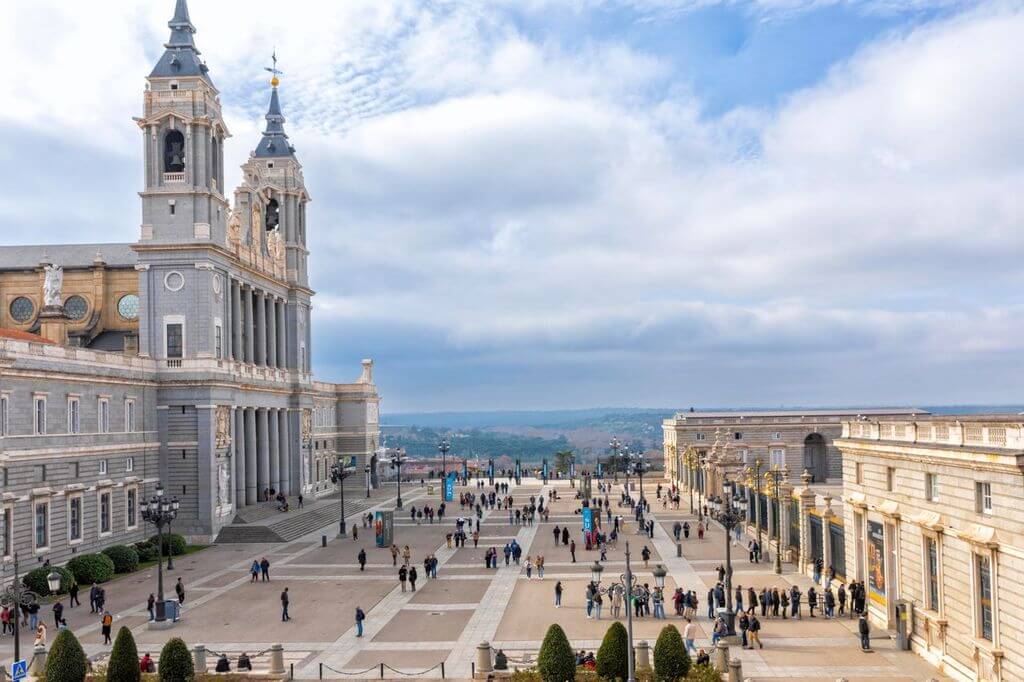
The afternoon is dedicated to the Royal Palace of Madrid. As the largest royal palace in Western Europe by floor area (135,000 square meters), it contains 3,418 rooms. While it remains the official residence of the Spanish Royal Family, it is now used exclusively for state ceremonies, with the family residing at the more modest Palace of Zarzuela. The adjacent Almudena Cathedral, though Neo-Classical in its exterior to match the palace, features a Neo-Romanesque crypt and was only consecrated in 1993, representing the city’s continuous architectural dialogue between the medieval past and the modern era.
Day 3: Gastronomic Markets and the Evolution of the Culinary Economy
Madrid’s culinary scene is a major driver of international tourism, with the city successfully branding itself as a global gastronomic capital. Day three focuses on the integration of traditional markets with modern gourmet trends.
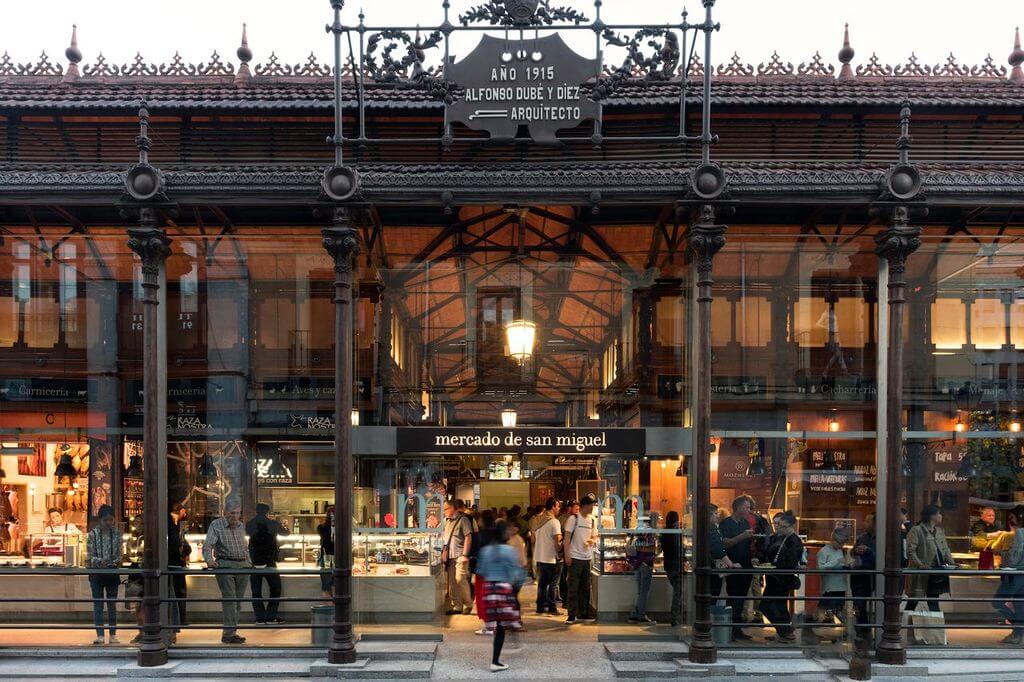
The Mercado de San Miguel, a 20th-century iron-structure market, has transitioned into a high-end gastronomic hall. While highly popular with tourists, it serves as a model for urban revitalization. For a more localized experience, the Mercado de San Antón in the Chueca district and the Mercado de Vallehermoso provide insight into the daily lives of residents, offering regional produce alongside "fusion" tapas.
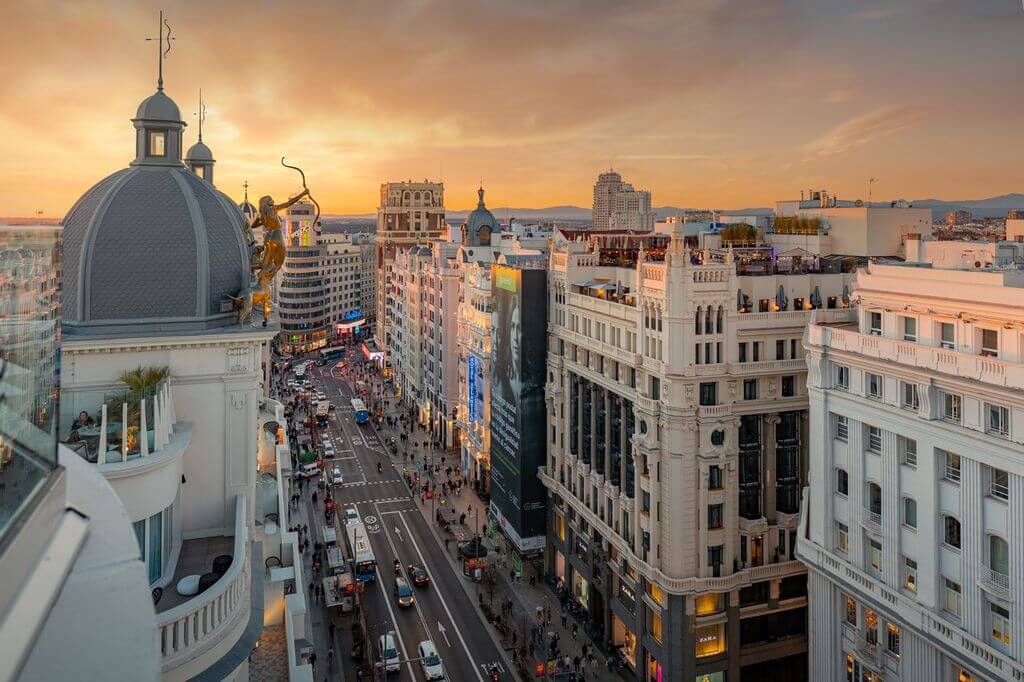
Data from the Spanish Federation of Hotels and Catering indicates a significant rise in plant-based dining within the capital. Neighborhoods like Malasaña have become hubs for vegan and vegetarian adaptations of traditional Spanish dishes, reflecting broader European shifts in dietary habits and sustainability. The evening should conclude on the Gran Vía, the city’s primary commercial artery. The rise of rooftop "sky bars," such as the RIU 360º, demonstrates a trend in "vertical tourism," where the city’s skyline is monetized to provide panoramic views of the urban sprawl.
Day 4: Regional Integration and UNESCO Day Trips
Madrid’s central location makes it an ideal base for exploring the broader Castilian region. The fourth day is dedicated to sites that illustrate the historical reach of the Spanish Empire.
The Monastery of San Lorenzo de El Escorial, located approximately 50 kilometers from the city center, is a massive complex that functioned as a monastery, palace, and pantheon for Spanish monarchs. Built by Philip II in the late 16th century, its austere granite architecture stands in contrast to the lavishness of later Bourbon palaces.
Alternatively, the Royal Palace and Gardens of Aranjuez, situated to the south, offer a look at the Bourbon dynasty’s preference for French-inspired landscapes. Known as the "Spanish Versailles," Aranjuez was the traditional spring residence of the court. For those interested in literary history, Alcalá de Henares—the birthplace of Miguel de Cervantes—provides a preserved look at the Spanish Golden Age and remains home to one of the world’s oldest universities. These sites are essential for understanding the centralized power structure that defined Spain for centuries.
Day 5: The Intersection of Faith, Art, and Public Space
The final day focuses on "off-the-beaten-path" treasures that offer a quieter perspective on Madrid’s heritage. The Monastery of Las Descalzas Reales and the Royal Monastery of La Encarnación are active religious cloisters that house extraordinary art collections. Historically, these convents served as refuges for royal and aristocratic women, who brought dowries of Flemish tapestries and paintings by masters such as Titian and Rubens. Because they remain active religious sites, visitor numbers are strictly controlled, providing a more contemplative experience than the major museums.
The itinerary concludes at Casa de Campo, the city’s largest public park. Spanning over 1,700 hectares, it was formerly a royal hunting ground. In 1931, it was opened to the public, and today it serves as the "lungs" of the city. The park features an artificial lake, a cable car (Teleférico) providing views of the Royal Palace, and vast Mediterranean pine forests. This space is a testament to Madrid’s commitment to urban green space, offering a necessary counterpoint to the density of the city center.
Logistical Analysis and Future Outlook
Travelers are advised to utilize Madrid’s extensive public transportation network, which is consistently ranked among the best in Europe for efficiency and cleanliness. The use of the "Tarjetas Transporte Público" (TTP) allows for seamless movement between the Metro, buses, and the Cercanías commuter trains.
From a strategic standpoint, Madrid is currently positioning itself to compete more aggressively with Barcelona for the title of Spain’s premier tourist destination. By emphasizing its "Landscape of Light" and its proximity to multiple UNESCO sites, the city is successfully attracting a higher-spending demographic interested in cultural and historical depth. As the city moves toward 2030, the focus will likely remain on balancing its energetic, late-night reputation with the preservation of its historic neighborhoods and the promotion of sustainable, high-value tourism. This five-day framework ensures that visitors engage with both the grand narratives of the Spanish Empire and the nuanced, local realities of one of Europe’s most dynamic capitals.



 Anjar Salim
 Chandra Hamzah
 Tatiana Tantri Indah Sari
 Budi Mulyono

