
 Tatiana Tantri Indah Sari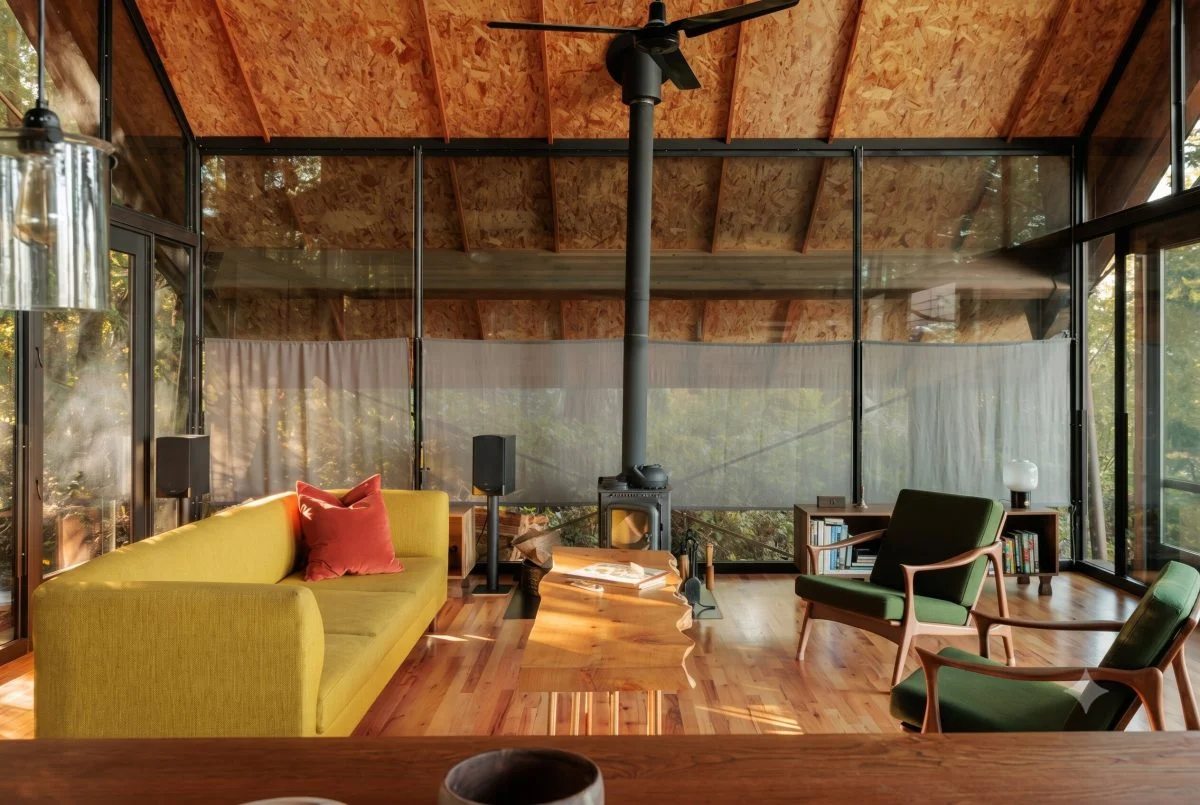
Marc Blazer is building one of the cleanest anti-Airbnb points of view in travel: real, deeply designed homes for design-literate travelers who want taste, context, and character over inventory. The argument is persuasive. The hard question is whether it survives contact with growth. In a travel landscape increasingly dominated by algorithm-driven platforms offering a vast, often homogenized, array of short-term rentals, Blazer’s Boutique platform is charting a deliberately divergent course. It champions an ethos rooted in meticulous curation, authentic design, and an unparalleled guest experience, aiming squarely at a sophisticated demographic disillusioned with the mass-market approach of industry giants.
The Evolution of Discerning Travel
The modern luxury traveler has undergone a significant transformation. There is a discernible type of traveler who has, in essence, aged out of the traditional palace hotel experience. This demographic, often in their late 40s, 50s, and beyond, likely experienced the zenith of bespoke luxury travel, perhaps completing the coveted “Aman-junkie” circuit in its golden era. They have banked loyalty suite upgrades, enjoyed personalized service, and had their ego reflected back across enough opulent marble lobbies to last a lifetime. For them, the allure of booking five connecting rooms at a grand hotel for an extended family trip now feels less glamorous and more like an exhausting logistical exercise.
This shift in preference is not merely about comfort; it’s about a profound desire for authenticity, space, and a sense of belonging that traditional hotels, even high-end ones, struggle to provide. What this traveler now unequivocally seeks is a house – not a yield-optimized rental box with generic, transient décor often found on mainstream platforms, but an actual home. Critically, this home must be owned and maintained by someone with demonstrable taste and an appreciation for quality. In these residences, the lamp is not a mass-produced item from a big-box retailer; the dining room table was perhaps sourced from a beloved Danish vintage dealer; and the artwork reflects a genuine curatorial eye rather than a placeholder. This meticulous attention to detail and a commitment to genuine character defines the antithesis of the modern short-term rental economy, forming the core thesis of Boutique.
Marc Blazer: An Unconventional Visionary
At the helm of Boutique is Marc Blazer, an unusual operator to find at the vanguard of a hospitality company. His background as an ex-banker, fluent in the rigorous language of the bottom line and financial engineering, might initially seem incongruous with the seemingly softer, more aesthetic-driven world of luxury hospitality. However, it is precisely this unique blend of financial acumen and an apparent deep appreciation for design and quality that positions him as a formidable force. While his financial bona fides are undeniable, the credentials that truly matter in this venture are his discerning eye, his commitment to an elevated standard, and his willingness to challenge established paradigms.
Blazer’s vision for Boutique is to create a platform where every property tells a story, reflects a distinct personality, and offers an immersive experience rather than just accommodation. This involves a rigorous selection process, focusing on architectural integrity, interior design excellence, and a palpable sense of place. It’s about offering access to homes that are themselves destinations, chosen for their inherent beauty, comfort, and the unique narratives they embody.
The "Anti-Airbnb" Thesis: Curation Over Inventory
The "anti-Airbnb" label affixed to Boutique is not merely a marketing slogan; it represents a fundamental divergence in business philosophy and operational strategy. While Airbnb revolutionized travel by democratizing private accommodation and creating an unprecedented volume of inventory, its success brought with it challenges: inconsistent quality, the proliferation of "ghost hotels" managed purely for profit, and an erosion of the unique character that once defined the platform.
Boutique’s model directly counters this. Instead of maximizing inventory, it prioritizes meticulous curation. The process begins with a stringent vetting of properties, going far beyond standard amenities checks. It delves into the provenance of furnishings, the quality of materials, the artistic sensibility of the décor, and the overall atmospheric integrity of the space. This is not merely about luxury; it’s about a specific kind of luxury – one defined by discernment, authenticity, and understated elegance rather than overt ostentation.
For the "design-literate traveler," this means bypassing the often-disappointing reality of online photos versus on-site experience. They trust that a property listed on Boutique has met a rigorous standard of aesthetic excellence and functional comfort. This trust, built on a foundation of expert curation, is the platform’s most valuable currency. It offers not just a place to stay, but a curated lifestyle experience, a temporary immersion into a world of refined taste and considered design.
Market Context: The Shifting Sands of Luxury Travel
The global luxury travel market, estimated to be worth approximately $1.5 trillion in 2023 and projected to grow at a Compound Annual Growth Rate (CAGR) of 8-10% over the next five years, is increasingly segmenting. While traditional luxury hotels continue to thrive, the fastest-growing segments are experiential travel, bespoke tours, and private accommodations that offer unique immersion and exclusivity. A recent survey conducted by a prominent travel industry consultancy indicated that nearly 70% of affluent travelers now prioritize unique experiences and authentic local immersion over traditional hotel amenities, a significant increase from just 45% a decade prior. This demographic is also willing to pay a premium for privacy, personalized service, and a genuinely distinctive environment.
The rise of the "experience economy" has further fueled this demand. Travelers are no longer content with simply seeing a destination; they want to live it, even if for a short period. This includes staying in homes that reflect the local culture and design aesthetic, offering a deeper connection to the place. Mainstream short-term rental platforms, while offering volume, often fall short on consistency and the curated experience that this high-value segment demands. The sheer volume of listings makes it difficult for discerning travelers to sift through the noise and find truly exceptional properties without significant effort and risk.
A Plausible Timeline of Boutique’s Trajectory
While specific dates for Boutique’s acquisition and initial operations under Marc Blazer are not publicly detailed in the provided snippet, a plausible timeline can be inferred based on industry trends and typical operational ramp-ups for such ventures.
- Late 2010s: The concept for Boutique, or its predecessor, likely emerged as a response to the growing dissatisfaction among luxury travelers with the evolving landscape of mainstream short-term rentals. Initial efforts might have focused on a small, exclusive portfolio.
- Early 2020s: Marc Blazer, leveraging his financial background and evident passion for design, identifies the nascent potential of a highly curated platform. He likely acquires the existing platform, "Boutique," or a similar entity, recognizing its strategic value in a fragmented market.
- 2021-2022: A period of significant investment and strategic overhaul. Blazer’s team would focus on refining the brand identity, establishing stringent curation criteria, and building out a proprietary technology platform to support a high-touch service model. Pilot programs might have been launched in key luxury markets such such as Tuscany, Provence, or select high-end coastal communities in the Hamptons or California.
- 2023-Present: Boutique, under Blazer’s leadership, officially re-launches or significantly expands its offerings, making a concerted effort to communicate its "anti-Airbnb" philosophy. This phase would involve aggressive but targeted marketing to its niche demographic, forging partnerships with high-end interior designers, architects, and luxury travel advisors. The goal would be to expand its portfolio carefully, ensuring each new property meets the rigorous standards of "taste, context, and character."
Challenges of Growth and Scalability
The "hard question," as the original assessment notes, is whether this highly curated, high-touch model survives contact with growth. The very essence of Boutique’s appeal – its exclusivity, meticulous curation, and personalized service – presents inherent challenges to rapid scalability.
- Supply Acquisition: Unlike mass-market platforms that can onboard properties quickly, Boutique’s stringent vetting process for "deeply designed homes" means that suitable properties are inherently scarce. Identifying, evaluating, and onboarding such unique residences is a time-intensive and resource-heavy process. Maintaining quality control as the portfolio expands will be paramount, and any compromise could dilute the brand’s core value proposition.
- Operational Intensity: Delivering a truly elevated guest experience, from pre-arrival concierge services to on-site support, requires a significant operational infrastructure. This often means higher staffing costs, more personalized communication, and a greater investment in local support teams compared to a purely transactional platform.
- Market Education: While the target demographic is sophisticated, articulating the nuanced value proposition of "taste, context, and character" over mere inventory requires sophisticated marketing and brand storytelling. It’s about selling a philosophy as much as a product.
- Financial Model: Balancing the premium pricing required to sustain a high-quality operation with the need to attract a broad enough segment of affluent travelers will be crucial. Blazer’s banking background will undoubtedly be instrumental in navigating these financial complexities.
Expert Reactions and Industry Implications
Industry analysts are closely watching models like Boutique, recognizing a growing niche in the luxury travel market. Dr. Evelyn Reed, a hospitality sector analyst at Global Insights Group, commented, "Blazer’s approach with Boutique taps into a genuine void. Mainstream platforms have commoditized short-term rentals, leaving a significant segment of affluent travelers yearning for something more bespoke and reliable. The challenge, however, is to maintain that exclusivity and high-touch service without becoming prohibitively expensive or sacrificing quality as they attempt to scale."
A spokesperson for a major luxury travel agency, preferring to remain anonymous due to competitive considerations, added, "Our clients are increasingly seeking private villa rentals, but they want assurances of quality and service that are often lacking on broader platforms. If Boutique can consistently deliver on its promise of genuinely curated homes with seamless service, it could become a significant player in the ultra-luxury segment, potentially drawing market share from both high-end hotels and existing villa rental agencies."
For property owners, aligning with Boutique offers a different value proposition. Instead of maximizing occupancy rates with any traveler, it offers access to a discerning, high-net-worth clientele who appreciate and respect the unique character of their homes. This could translate into higher average daily rates and potentially lower wear and tear due to the respectful nature of the guests.
Broader Impact and Future Outlook
Boutique’s success, or indeed its challenges, will have broader implications for the luxury hospitality sector. It could serve as a blueprint for other niche platforms seeking to differentiate themselves through hyper-curation and specialized service, forcing mainstream players to consider how they can better address the needs of their most discerning users. It also highlights a growing trend away from generic convenience towards authentic, personalized, and aesthetically rich experiences in travel.
Should Boutique successfully navigate the complexities of growth while preserving its core values, it could redefine expectations for luxury private accommodations. It suggests a future where technology is used not to automate and standardize, but to enable and enhance truly bespoke human experiences. Marc Blazer’s venture is more than just a platform; it’s a statement about the enduring value of taste, design, and authenticity in an increasingly uniform world. The journey ahead will undoubtedly test the resilience of this philosophy against the relentless demands of expansion, but its persuasive argument resonates deeply with a demographic ready for a new chapter in luxury travel.




 Anjar Salim
 Chandra Hamzah
 Budi Mulyono

