
 Dwi Wanna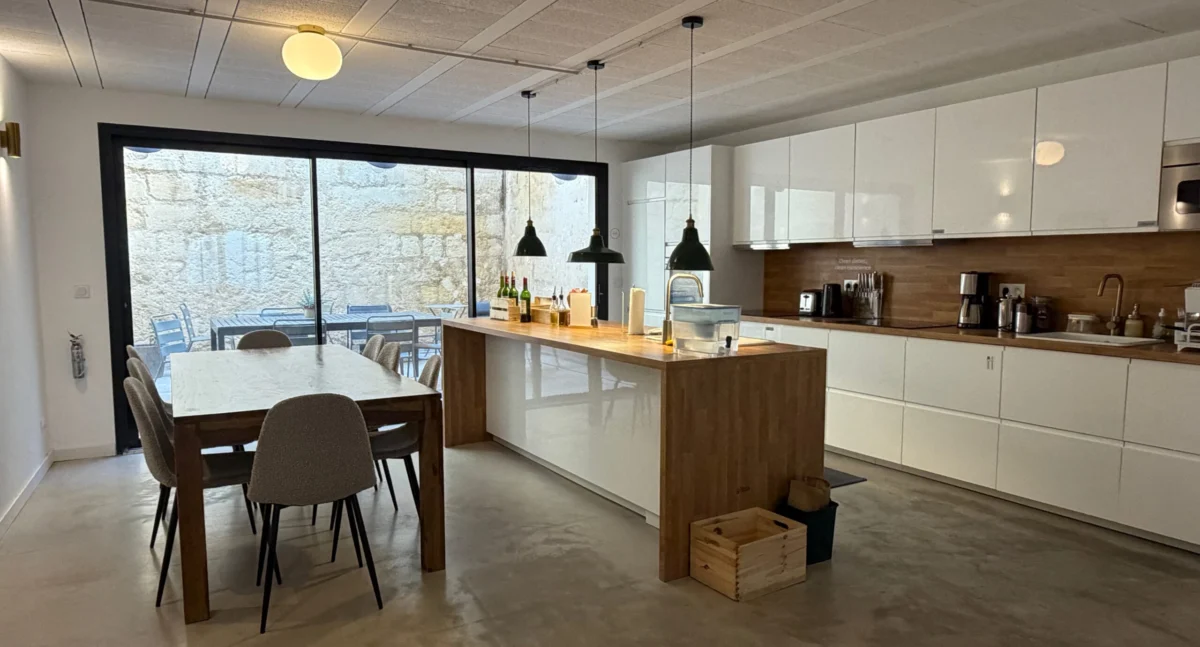
The convergence of remote work and global travel has created a significant demand for specialized living and working environments. As the digital nomad lifestyle transitions from a niche pursuit to a mainstream career path, the challenges of balancing professional responsibilities with the allure of exploration have become more pronounced. Traditional accommodations like hostels and standard Airbnbs often fall short, presenting issues with reliable internet, comfortable workspaces, and opportunities for genuine social connection. This evolving landscape has spurred the emergence of coliving spaces, designed to address these specific needs, offering a hybrid model that blends the functionality of coworking facilities with the camaraderie of a shared living experience.
Addressing the Digital Nomad’s Dilemma
For years, the digital nomad experience was often characterized by a precarious balancing act. The pursuit of new experiences and diverse cultures frequently collided with the practicalities of maintaining productivity. Finding a quiet, conducive environment for work could be a daily struggle, often involving the hunt for a suitable coffee shop with dependable Wi-Fi, or enduring the compromises of shared living spaces. The internet connectivity issues encountered in many rental properties were a recurring frustration, hindering work and adding unnecessary stress to the nomadic lifestyle. This persistent challenge underscores the need for dedicated infrastructure that supports both professional output and personal well-being.
The post-pandemic era has witnessed a dramatic acceleration in the adoption of remote work policies across various industries. This shift has not only broadened the pool of potential digital nomads but also amplified the need for solutions that cater to their unique requirements. Coliving spaces have emerged as a direct response to this growing demand. They are meticulously designed to provide a stable and inspiring base for individuals who work remotely, offering a curated environment that minimizes the logistical hurdles often associated with extended travel. These spaces aim to bridge the gap between the solitary nature of remote work and the inherent desire for community, particularly crucial for those living far from established social networks.
Outsite: A Leading Platform in the Coliving Revolution
Among the prominent platforms facilitating this new model of living and working is Outsite. Founded in 2015, Outsite has rapidly established itself as a significant player in the coliving sector, catering specifically to the needs of remote workers, location-independent entrepreneurs, and digital nomads. The company’s initial focus was on creating spaces that harmonized work and leisure, with its first property in Santa Cruz, California, designed for individuals who sought to combine professional pursuits with outdoor activities like surfing.
Over the years, Outsite has experienced substantial growth, expanding its network to encompass a global presence. The platform now boasts a membership base of over 5,000 individuals and offers access to a diverse portfolio of approximately 50 locations worldwide. This expansion reflects the increasing adoption of the coliving model and Outsite’s success in providing a valuable service to its target demographic.
The Outsite Model: Structure and Membership
Outsite operates on a membership-based model, although it also permits non-members to book stays. Membership, available through an annual fee of $199 or a one-time lifetime payment of $499, unlocks a range of benefits designed to enhance the user experience and provide cost savings. These perks include priority access to exclusive locations, complimentary stays in newly established destinations, significant discounts during flash sales and on extended bookings, and opportunities to participate in member-exclusive networking events. Furthermore, the membership grants access to a job and sublets board, a valuable resource for nomads seeking career opportunities or flexible living arrangements.
The booking process is streamlined and user-friendly, allowing individuals to browse available locations on the Outsite website. Users can filter their search based on preferred destinations or desired environmental settings, such as beachside, urban, or mountainous regions. The platform facilitates the booking of private rooms, ensuring a degree of personal space and comfort within the communal living environment.
Operational Framework: Coliving Meets Coworking
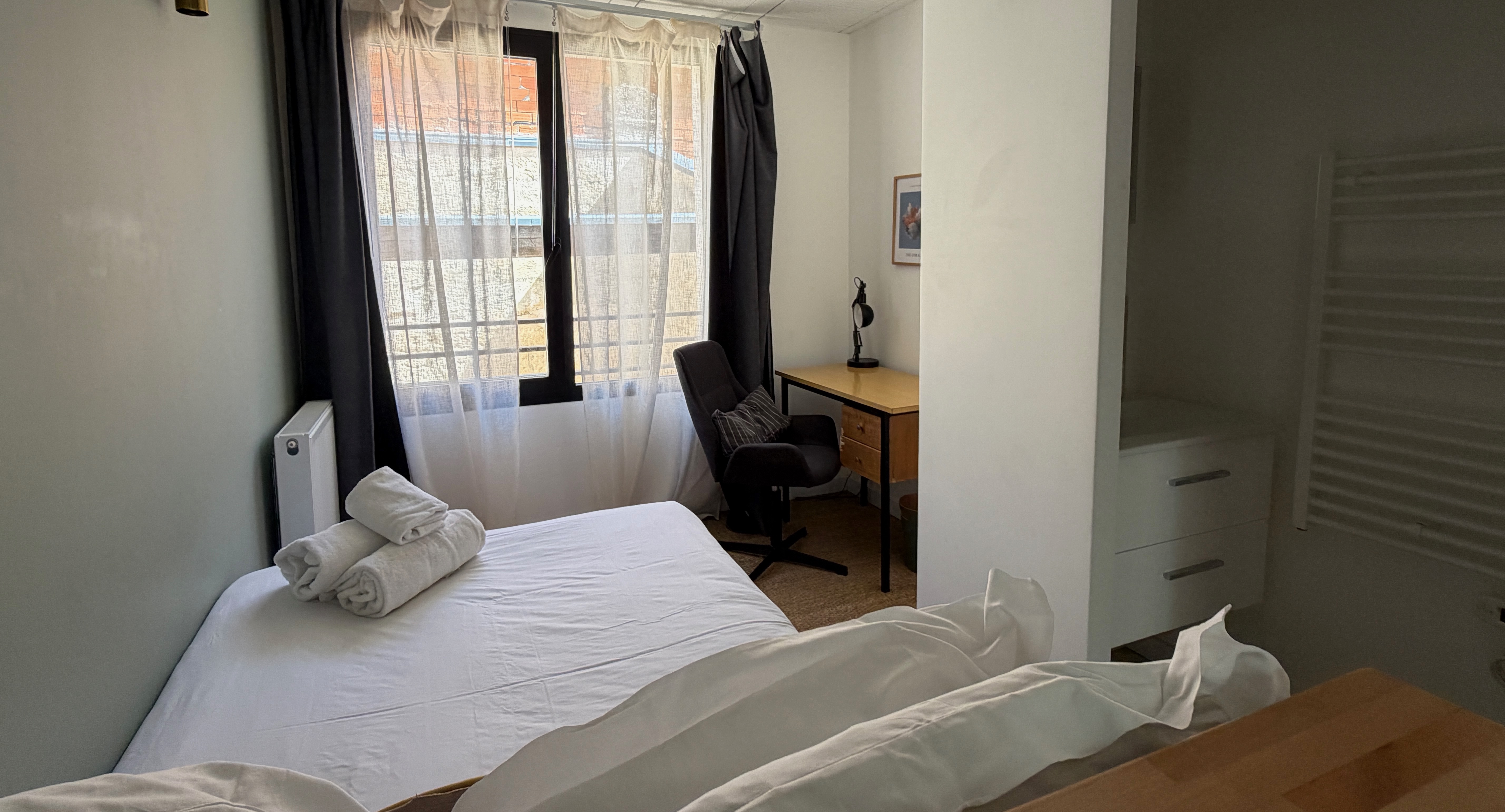
At its core, Outsite functions as a sophisticated blend of boutique hospitality and integrated coworking facilities. When booking a stay, guests reserve a private bedroom, many of which feature en-suite bathrooms. For more budget-conscious options, some rooms may share a bathroom with a single other occupant, a common practice in shared living arrangements.
Each Outsite property is characterized by expansive and thoughtfully designed communal areas. These spaces often include state-of-the-art, fully equipped kitchens, offering a level of culinary amenity rarely found in typical rental properties. Complementing the kitchens are comfortable living rooms, inviting outdoor patios, and, depending on the location, amenities such as rooftop decks or swimming pools.
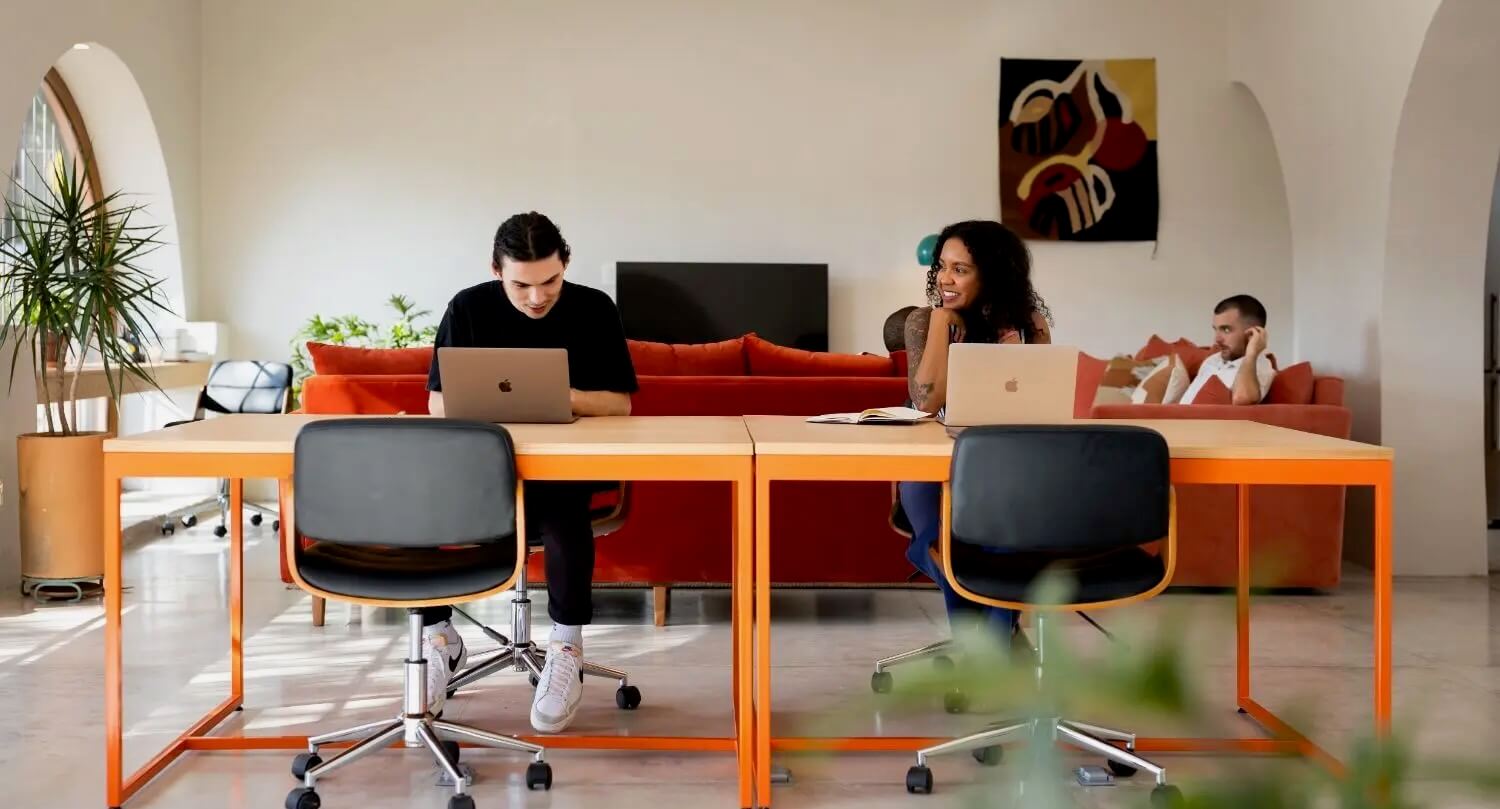
A defining feature of every Outsite location is its dedicated coworking space. These areas are outfitted with ergonomic seating, ample power outlets, and connectivity options for external monitors, all supported by high-speed, enterprise-grade Wi-Fi. This integration allows residents to transition seamlessly from their private rooms to a professional workspace within minutes, fostering an environment conducive to deep work and productivity.
Beyond the physical infrastructure, Outsite places a significant emphasis on fostering a vibrant community. Each location is supported by a dedicated Community Manager who plays a pivotal role in connecting residents. Prior to arrival, members are typically added to a local WhatsApp group, facilitating immediate communication and social interaction. The Community Managers also organize a variety of weekly events, ranging from communal dinners and group excursions to local tours and wellness activities like morning yoga sessions. These organized activities provide ample opportunities for residents to meet, connect, and build relationships with fellow digital nomads. The Community Manager also serves as an invaluable local resource, offering recommendations for dining, sightseeing, and assistance with any queries or concerns.
Personal Experience: A Case Study in Bordeaux
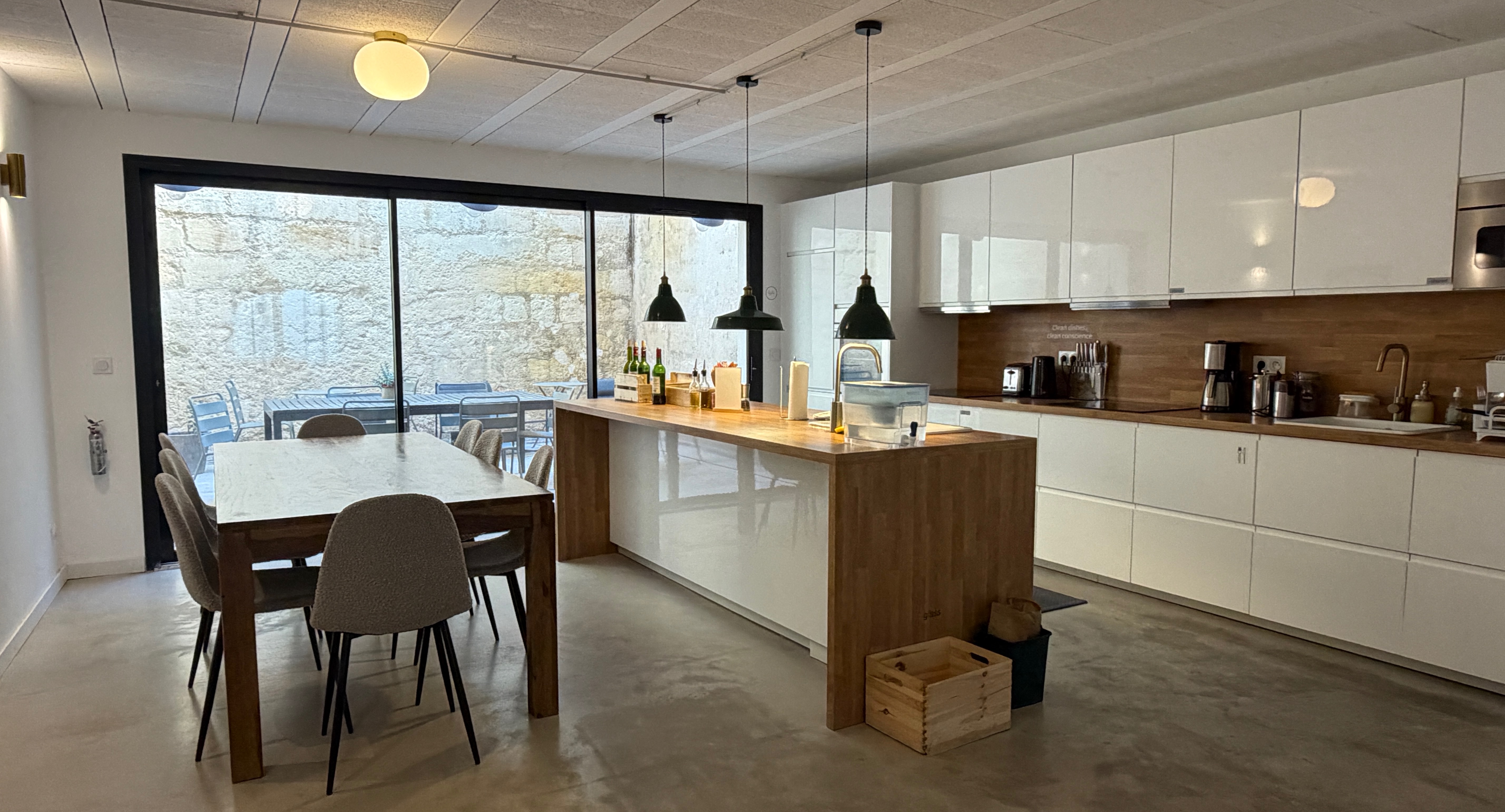
During a recent trip to Bordeaux, France, the author experienced firsthand the Outsite coliving model. The Bordeaux property exemplified the high standards maintained across Outsite’s network. The interiors featured modern furnishings, comfortable workstations, readily available laundry facilities, and a compact fitness area. The private room was well-appointed, offering a dedicated workspace, a comfortable bed, and a high-quality en-suite bathroom with excellent shower pressure.
The shared kitchen was a highlight, maintained with exceptional cleanliness due to daily cleaning services and offering extensive counter space, making it suitable for preparing elaborate meals. Complimentary coffee and tea were consistently provided, adding to the overall convenience. The aesthetic design of the spaces, incorporating natural light, indoor plants, and local artwork, contributed to a welcoming and inspiring atmosphere, starkly contrasting with the often sterile environments of conventional hotels. The overall impression was akin to residing in the home of a well-traveled and sophisticated friend.
However, the most compelling aspect of the Outsite experience, as articulated by the author, is the community element. In the context of remote work, where individuals often operate in isolation, the opportunity to connect with like-minded individuals is paramount. Unlike traditional settings where one might be perceived as neglecting the local culture by focusing on work, Outsite residents share a common understanding and objective: to work effectively while also embracing the travel experience. This shared purpose creates a unique bond among residents. The author noted that many individuals at the Bordeaux location were staying for at least two weeks, and the organized weekend events facilitated deeper connections and mutual understanding.
Considerations for Prospective Users
While Outsite offers a compelling solution for digital nomads, it is essential to acknowledge its positioning within the market. Outsite is not a budget-friendly option for travelers accustomed to the low costs associated with traditional backpacking. The premium pricing reflects the provision of private accommodations, guaranteed professional workspaces, and the curated community experience. However, when factoring in the combined costs of a private rental property and a separate coworking membership, Outsite can often represent a more economically viable option.
A critical consideration for those interested in Outsite is the booking demand. Popular locations, particularly during peak seasons or in highly sought-after destinations like Lisbon in July or Costa Rica in January, tend to book up well in advance. This necessitates planning and booking months ahead, which may not align with the spontaneous travel preferences of some digital nomads.
Frequently Asked Questions
Membership Requirements: While anyone can book a stay at Outsite, the annual membership fee of $199 can quickly become cost-effective for stays exceeding a few days, due to the discounted nightly rates offered to members.
Age Demographics: Outsite does not have a formal age limit, though guests must be at least 18 (and in some locations, 21) to book. The typical guest demographic comprises working professionals in their late twenties, thirties, and forties, suggesting a more mature and professional user base compared to conventional backpacker hostels.
Minimum Stay Duration: Most Outsite locations have a minimum stay of just two nights, allowing for short-term visits. However, certain properties in major urban centers, such as New York, may enforce a minimum stay of 30 days due to local housing regulations.
Pet Policy: Generally, pets are not permitted at Outsite locations. This policy is in place to ensure the comfort and well-being of all guests in shared living and communal spaces, and to address potential allergy concerns.
The Future of Remote Work and Living
The digital nomad lifestyle, by its very nature, should not necessitate compromises on career advancement, personal comfort, or social engagement. The advent of coliving spaces like Outsite addresses the fundamental need for individuals to seamlessly integrate their professional lives with their desire to explore the world. These platforms offer a holistic solution, providing the comforts of a private residence, the productivity of a dedicated workspace, and the enriching social connections typically found in more communal settings. The intimate nature of sharing a home environment fosters genuine connections, and the experience of living and working alongside fellow digital nomads can lead to lasting friendships and a strong sense of belonging. As the remote work revolution continues to evolve, coliving spaces are poised to play an increasingly vital role in shaping the future of how and where we live and work.



 Chandra Hamzah
 Tatiana Tantri Indah Sari
 Budi Mulyono
 Anjar Salim

