
 Dwi Wanna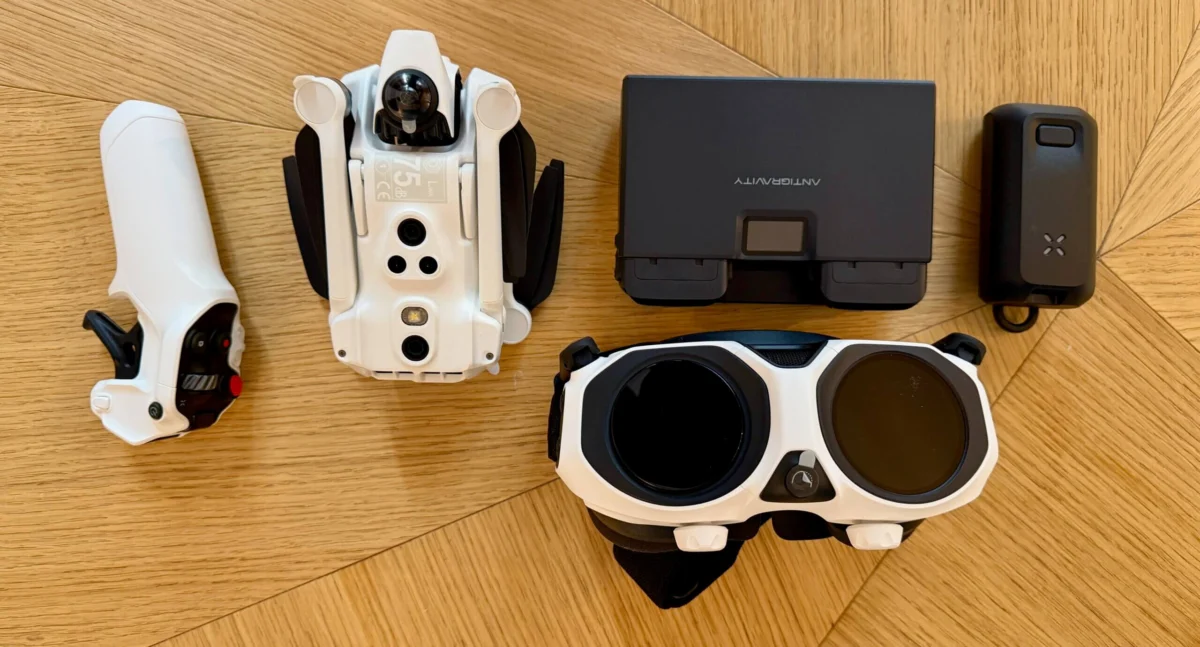
The landscape of travel videography is undergoing a significant transformation, driven by advancements in drone technology that empower creators to capture breathtaking aerial perspectives previously reserved for professional film crews. Among the most innovative entrants in this evolving market is the Antigravity A1, a compact and sophisticated drone released in late 2025. This device aims to redefine the aerial capture experience by rendering traditional gimbals largely obsolete for a broad spectrum of content creators. Through its pioneering dual-lens 360-degree capture system, the A1 records its surroundings in their entirety simultaneously, enabling a “fly now, frame later” workflow. This approach shifts the focus from intricate drone piloting to the more intuitive direction of a virtual camera within a post-recorded digital environment, offering unparalleled creative freedom to travelers and videographers alike.
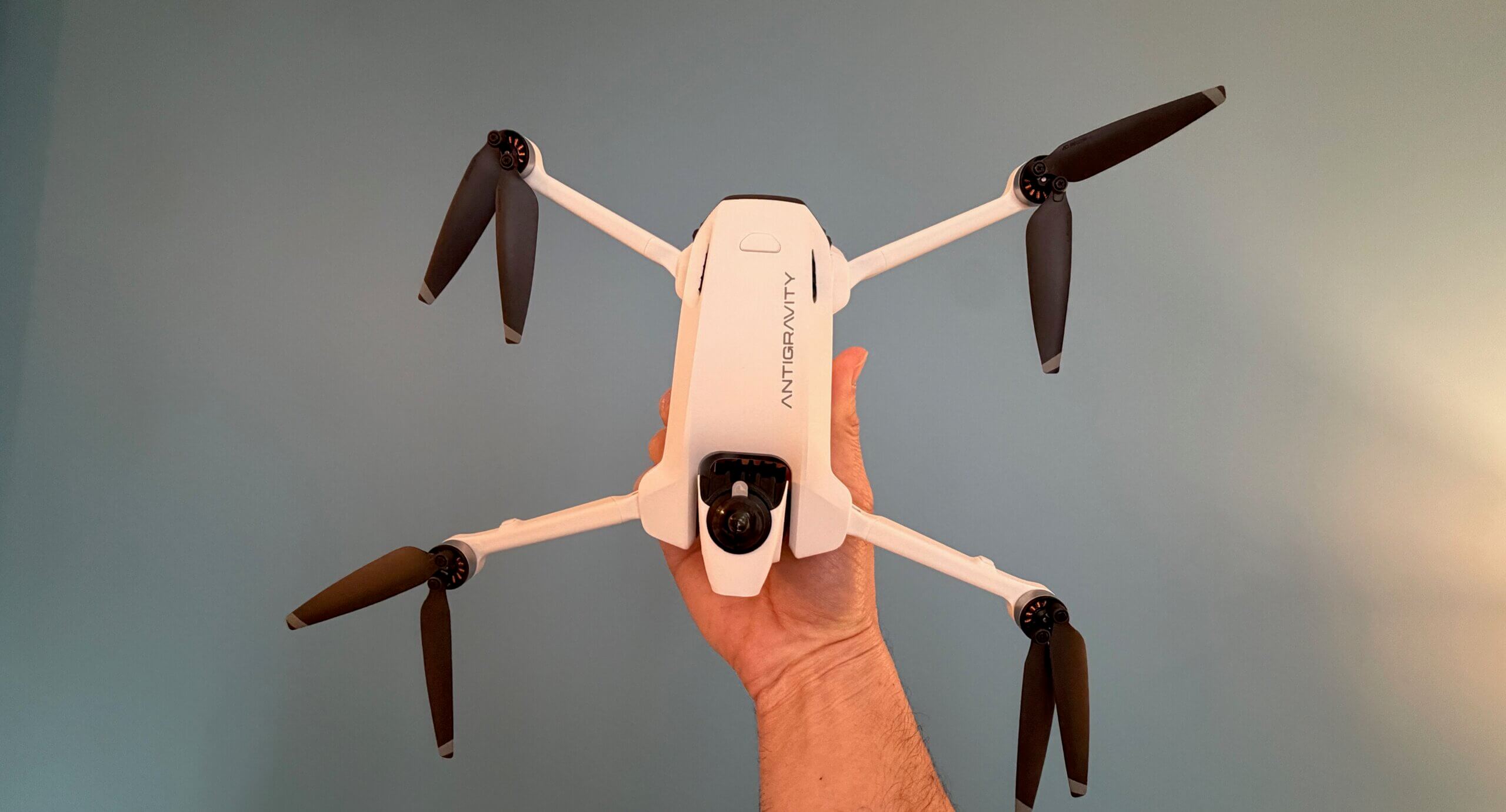
The Antigravity A1 distinguishes itself through its unique dual-lens configuration, a departure from the single forward-facing cameras prevalent in most drones. Positioned at both the top and bottom of its central fuselage, each of the A1’s ultra-wide-angle lenses captures a 200-degree field of view. When these perspectives are seamlessly stitched together, they form a complete 360-degree sphere of imagery. A key feature of this technology is the digital removal of the drone itself from the final exported footage, creating the compelling illusion of a camera suspended in mid-air without any visible means of support. This effect is crucial for achieving a truly immersive and unobtrusive aerial viewpoint, ideal for capturing sweeping landscapes or dynamic action sequences.
Technical Specifications and Design Innovations
At the heart of the Antigravity A1’s imaging capabilities are its 1/1.28-inch CMOS sensors. While these sensors are smaller than the 1-inch sensors found in some high-end professional photography drones, they represent a substantial upgrade from the sensors typically integrated into standard 360-degree action cameras. This sensor size contributes to improved low-light performance and a wider dynamic range, allowing the A1 to capture intricate details in both bright highlights and deep shadows, even under challenging lighting conditions such as direct midday sun. This capability is particularly valuable for travelers documenting diverse environments, from the sun-drenched beaches of the tropics to the dimly lit interiors of ancient ruins.
A critical design consideration for the Antigravity A1 was its adherence to international drone regulations. In many countries, drones weighing 250 grams or more are subject to mandatory registration and more stringent operational rules. Antigravity strategically engineered the A1 to weigh precisely 249 grams with its standard battery. This deliberate design choice places the drone just below the 250-gram threshold, thereby classifying it as a non-commercial drone in most jurisdictions and exempting users from the often cumbersome registration process. This feature significantly lowers the barrier to entry for travelers and hobbyists looking to incorporate aerial footage into their travel narratives without navigating complex regulatory frameworks.
The physical construction of the Antigravity A1 underscores its commitment to durability and portability. The drone employs a high-grade carbon-fiber-reinforced polymer, a material known for its superior strength-to-weight ratio compared to the standard ABS plastics used in many consumer-grade drones. This robust construction ensures resilience against minor impacts and environmental wear, crucial for a device intended for travel. The folding mechanism is designed for tactile satisfaction and precision, with components that click securely into place, suggesting long-term reliability. When folded, the A1 approximates the dimensions of a large smartphone, albeit with a greater thickness, making it relatively easy to pack alongside other travel essentials.
The Immersive Flight Experience
The Antigravity A1 offers a revolutionary flight experience, significantly enhanced by its proprietary Vision Goggles and an intuitive single-handed motion controller. The Vision Goggles are a sophisticated piece of equipment, characterized by their sleek, lightweight design and dual 4K micro-OLED displays. With a high refresh rate of 120Hz and virtually non-existent latency, these goggles provide a remarkably fluid and responsive visual feed. Integrated head-tracking technology allows users to control the drone’s viewpoint simply by moving their head. Because the A1 captures footage in 360 degrees, the goggle feed dynamically adjusts to the user’s gaze. Turning one’s head to the left pans the view accordingly, and looking down reveals the ground below. This creates a profound sense of presence and spatial awareness, an immersive experience that is unattainable with conventional drones that rely on fixed cameras.
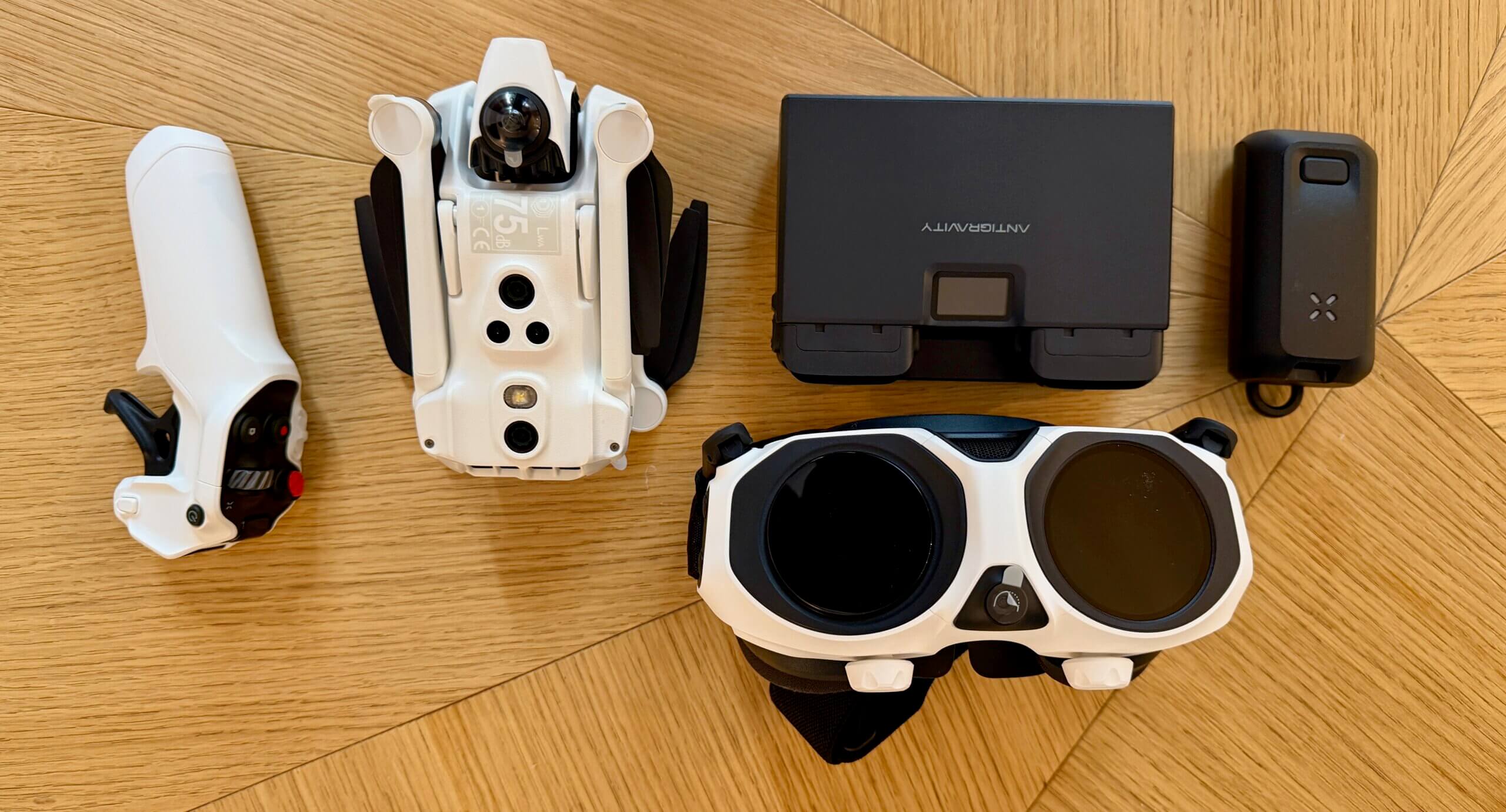
Piloting the A1 is made exceptionally accessible through its single-handed motion controller. Users simply point the controller in the desired direction of travel and pull the trigger to accelerate. Subtle wrist movements control banking, while tilting the controller upwards or downwards adjusts the drone’s altitude. This control scheme is remarkably intuitive, enabling novice users to navigate complex environments with confidence within minutes of their first flight. For experienced FPV (First-Person View) pilots who prefer the precision of traditional manual control, the A1 also supports a standard “Mode 2” stick controller. However, the fluidity and ease of the motion controls are so compelling that many users are likely to find them more than sufficient for their creative needs.
A video demonstration showcases the Antigravity A1 in action, illustrating its dynamic flight capabilities and the immersive FPV experience. The footage typically highlights how the drone can navigate intricate natural landscapes or urban environments with a level of agility and perspective previously unimaginable for casual users.
Advanced Camera Performance and Editing Workflow
The marketing for the Antigravity 360 prominently features "8K Resolution." It is important to understand that in the context of 360-degree video, this resolution is spread across an entire sphere. When this spherical footage is reframed into a standard flat video format, the effective resolution of the displayed portion is a "crop" of the total image. Despite this, the A1’s ability to capture such high-resolution spherical data provides ample detail for reframing and exporting in high definition.
The color science of the Antigravity A1 represents a notable improvement over earlier 360-degree cameras. The drone offers a "Vivid" color profile, designed to produce vibrant, social-media-ready colors straight out of the camera. For professional editors and colorists, a 10-bit "Log" profile is also available. This flat profile captures a wider dynamic range and provides greater flexibility for color grading, allowing footage from the A1 to be seamlessly integrated with other professional camera sources.
Stabilization is a critical component of aerial videography, and the Antigravity A1 employs the company’s proprietary "FlowState" algorithms. These algorithms are remarkably effective, delivering footage that remains exceptionally steady even in challenging conditions. The company claims that the A1 can maintain stable footage while flying in winds up to 20 mph, presenting a visual quality comparable to that achieved with a stationary tripod. This level of stabilization is invaluable for travelers documenting dynamic environments where smooth, professional-looking shots are paramount.
The Antigravity Studio Editing Application
Complementing the drone’s hardware is the "Antigravity Studio" mobile application. This software facilitates wireless transfer of footage from the drone to a smartphone or tablet at speeds of up to 80MB/s. The app’s core functionality revolves around its reframing capabilities, which can be controlled using the device’s gyroscope. Users can simply watch the 360-degree video and move their phone around to virtually "film" the desired perspective in real-time. This interactive editing process is highly intuitive and allows for rapid selection and export of key shots.
Furthermore, the Antigravity Studio includes an "Auto-Frame" feature. This AI-powered tool is designed to automatically identify subjects within the footage and generate a compelling edit that keeps them consistently in focus. For solo creators or travelers working without a dedicated film crew, this AI assistant acts as a virtual camera operator, ensuring that no critical moment is missed and that the most engaging aspects of the captured scene are highlighted. This feature significantly streamlines the post-production process, making professional-quality editing accessible to a wider audience.
Battery Life and Flight Dynamics
Battery technology remains a primary constraint for small, portable drones. The Antigravity A1’s standard Intelligent Flight Battery is rated for a theoretical 24 minutes of flight time. In real-world usage, factoring in moderate wind conditions and continuous recording, users can realistically expect around 19 to 20 minutes of flight per charge.
While 20 minutes might seem brief compared to larger drones, the "work per minute" ratio for the A1 is considerably higher. Because the "fly now, frame later" paradigm eliminates the need for repeated flights to capture different angles of the same scene, a single 20-minute flight can yield as much usable footage as multiple flights with a conventional drone like a DJI Mavic. For users requiring extended flight times, Antigravity offers an optional "Pro Battery." This larger battery, which does push the drone’s weight above the 250-gram regulatory threshold, provides an impressive 39 minutes of flight time. However, it does come with a slight compromise in the drone’s overall agility.
In terms of flight characteristics, the Antigravity A1 is designed as a "cinewhoop" style flyer. This classification implies a stable and predictable flight profile, prioritizing smooth cinematic movements over aggressive, twitchy maneuvers. The drone has a top speed of approximately 36 mph, which is adequate for following subjects like bicycles or cars, but it will not match the velocity of dedicated racing drones. A practical feature for any drone pilot is the "Turtle Mode." This function allows the drone to flip itself upright using its propellers if it crashes and lands upside down, enabling a quick takeoff without the need for manual retrieval, which is especially convenient in remote or inaccessible locations.
Target Audience and Market Positioning
The Antigravity 360 A1 represents a significant innovation within the drone market, targeting a growing segment of creators who prioritize ease of use and creative flexibility over traditional piloting complexity. While initially a niche product, its unique capabilities are rapidly propelling it into the mainstream, appealing to travel vloggers, adventure documentarians, and even casual users seeking to elevate their visual storytelling. The drone effectively bridges the gap between conventional cinematic aerial capture and the immersive potential of virtual reality, offering a compelling new way to experience and share the world.
Broader Implications and Future Outlook
The Antigravity 360 A1’s impact extends beyond individual creators, potentially influencing how travel experiences are documented and consumed. By democratizing access to sophisticated aerial cinematography, it empowers a wider range of voices to share their journeys with unprecedented visual richness. The "fly now, frame later" workflow signifies a paradigm shift in drone operation, moving from a focus on real-time piloting to a more post-production-centric approach. This could lead to new forms of narrative storytelling and interactive visual content.
The drone’s success also highlights the ongoing competition and innovation within the drone industry. Companies are increasingly focusing on specialized applications and user experiences, rather than solely on raw technical specifications. The A1’s strategic weight management to circumvent regulatory hurdles demonstrates a keen understanding of the market and user pain points.
While the Antigravity 360 A1 may not yet match the absolute image quality of the most expensive cinema-grade drones, and its delicate lenses require careful handling, these are minor considerations when weighed against the profound creative liberation it offers. It represents a substantial leap forward for creators who are seeking to break free from conventional "drone shots" and explore the boundaries of aerial videography. For anyone looking to enhance their travel content with dynamic, immersive, and artistically flexible aerial perspectives, the Antigravity 360 A1 emerges as an essential tool, promising to redefine what is possible in the realm of portable aerial cinematography.




 Anjar Salim
 Chandra Hamzah
 Tatiana Tantri Indah Sari
 Budi Mulyono
 Lukman Taruna Persada Ramadan
