
 Dwi Wanna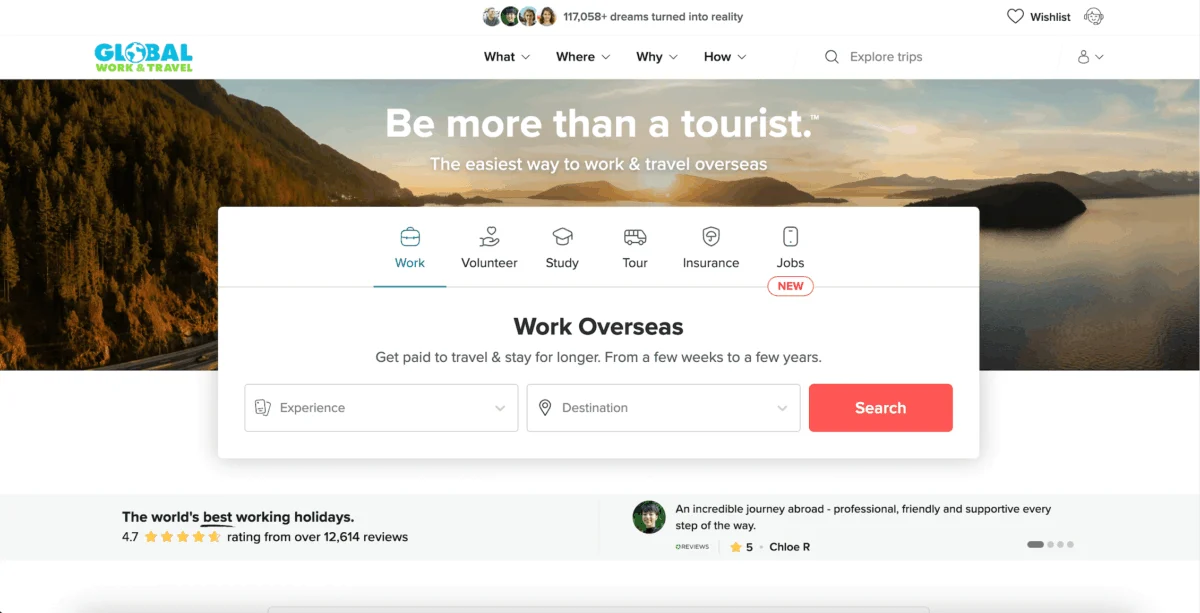
The contemporary landscape of international travel is undergoing a significant paradigm shift, moving away from the traditional, transactional model of tourism toward a more integrated, long-term approach known as "immersive residency." Historically, international travel has been characterized by short-term visits—often termed "extractive tourism"—where travelers occupy a destination for a limited duration, utilizing local infrastructure without contributing to the long-term socioeconomic fabric of the host community. However, recent data suggests a growing trend among younger demographics and career-break professionals who are increasingly prioritizing programs that facilitate extended stays, volunteerism, and local workforce participation.
The Shift from Passive Consumption to Active Participation
For decades, the standard model of travel relied on a cyclical consumption of landmarks, local hospitality, and ephemeral interactions. Research into travel patterns indicates that the average international tourist spends fewer than 14 days in a single destination, a timeframe that rarely allows for meaningful cultural assimilation or the formation of genuine community ties. This model, while economically beneficial to local service industries in the short term, has been criticized for creating a barrier between the traveler and the local population, often resulting in a superficial understanding of regional challenges and cultural nuances.
In response, organizations such as Global Work & Travel have emerged to provide a structured framework for individuals seeking to bridge the gap between visiting a country and living in it. Since its inception nearly two decades ago, the organization has facilitated placements for over 116,000 participants, signaling a broader market shift. By offering a scaffolded environment—covering visa guidance, job matching, and logistical support—these companies mitigate the inherent risks and administrative hurdles that previously discouraged long-term international relocation.
Chronology of a Growing Industry
The demand for long-term immersive travel saw a marked increase in the late 2010s, initially spurred by the rise of the "digital nomad" movement. However, the COVID-19 pandemic acted as a catalyst for a different, more grounded model of international presence. While the digital nomad model required high-level remote employment and digital literacy, the "working holiday" model has emerged as a more democratic alternative.
- 2005–2010: The early adoption phase, where gap-year programs were largely limited to academic exchanges or high-cost, elite volunteer expeditions.
- 2011–2018: The rise of the digital nomad, with travelers seeking remote work opportunities to maintain residency in low-cost, high-lifestyle destinations.
- 2019–2024: A diversification of the market, where participants moved away from purely remote work to localized employment, seeking to integrate into the domestic economies of countries like Australia, New Zealand, the UK, and various nations across Asia and Africa.
The Mechanics of Structured International Placement
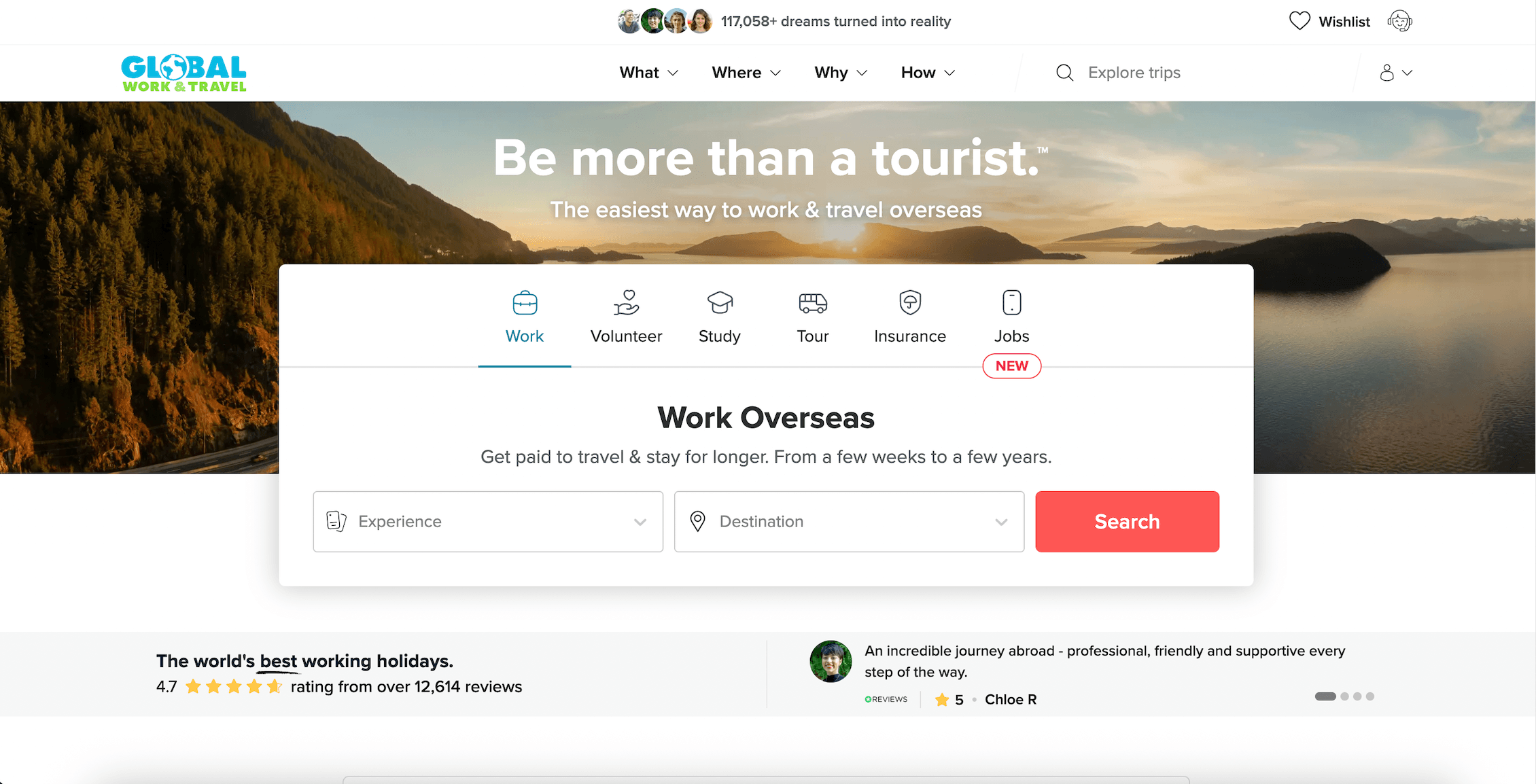
The logistical complexity of working abroad remains the primary barrier to entry for most travelers. Navigating international labor laws, securing appropriate visas, and identifying legitimate employment opportunities can take months of preparation. Structured programs operate as intermediaries, providing a "gWorld" or similar management platform to streamline these processes.
From a regulatory perspective, these organizations work within the parameters of bilateral working holiday agreements between nations. These agreements allow individuals aged 18 to 35 to legally work and reside in partner countries for up to one to two years. By managing the complexities of pre-departure documentation and providing ongoing assistance, these companies ensure that travelers remain compliant with local labor laws, a critical factor in the professionalization of the industry.
Ethical Considerations in Volunteerism
The rise of "voluntourism"—the practice of paying to volunteer abroad—has faced intense scrutiny over the last decade. Critics argue that poorly structured volunteer programs can displace local workers and, in some cases, cause more harm than good, particularly in sensitive sectors like childcare or healthcare.
In response, the industry has shifted toward a model of rigorous vetting. Modern, ethical programs now focus on partnerships with established local entities that define their own needs. For example, wildlife conservation and elephant rehabilitation programs in Thailand or community development projects in Zanzibar operate under the guidance of local experts. The impact of these programs is increasingly measured not just by the number of participants, but by the tangible outcomes for the host community, such as environmental restoration metrics and direct financial support through initiatives like the Global Animal Welfare Fund.
Analysis of Socioeconomic Implications
The transition toward long-term, integrated travel has profound implications for both the traveler and the host destination. For the traveler, the benefits are primarily personal and professional. By embedding themselves in a local workforce, participants gain "soft skills" such as cross-cultural communication, adaptability, and localized problem-solving—assets that are increasingly valued in the modern globalized labor market.
From the host country’s perspective, the impact is two-fold. First, long-term residents contribute to the local economy through sustained spending, local taxes, and participation in the labor market. Second, they often fill labor shortages in specific sectors, such as hospitality, agriculture, or seasonal tourism, which are traditionally difficult to staff. However, economists warn that this must be balanced against potential impacts on local housing markets, where an influx of long-term international residents can lead to inflationary pressures on rental prices.
The Future of Global Mobility
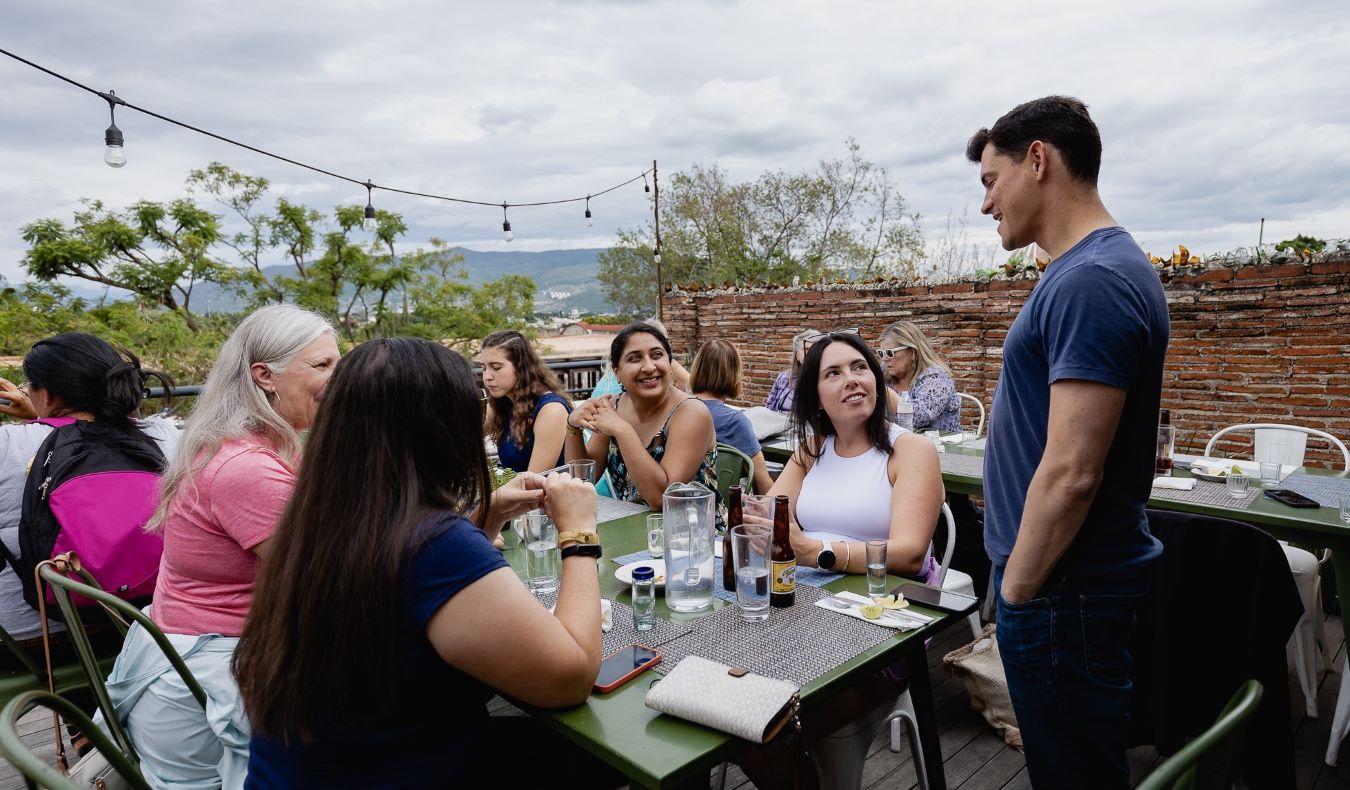
Looking ahead, the distinction between "tourist" and "resident" will likely continue to blur. As remote work technology advances and more countries introduce "digital nomad visas" and expanded working holiday agreements, the demographic of people spending 6 to 12 months abroad will continue to diversify beyond the traditional post-university cohort.
The success of structured programs suggests that the appetite for this lifestyle is not a temporary trend but a fundamental change in how individuals perceive the value of their time abroad. By removing the "scaffolding" of travel—the anxiety of the unknown and the logistical burden of bureaucracy—these organizations are enabling a segment of the population to move beyond the superficiality of traditional tourism.
For the aspiring traveler, the path to a deeper experience now requires more than just a passport and a suitcase; it requires a commitment to local integration. Whether through a working holiday that places an individual in a local business or an ethical volunteer program that supports a specific community-led goal, the focus has shifted toward "doing" rather than "seeing."
Final Assessment
The evolution of the travel industry toward sustainable, immersive, and employment-focused models represents a more mature approach to global exploration. As the barriers to international movement decrease, the emphasis must remain on ethical participation and mutual benefit. For those looking to transition from a two-week vacationer to a global citizen, the current infrastructure provided by professional placement organizations offers a viable, structured, and secure pathway.
Ultimately, the most transformative travel experiences are those that challenge the participant to contribute to the environment they occupy. As the industry continues to refine its practices, the focus on transparency, vetted programs, and local integration will remain the benchmarks by which the success of these international experiences is measured. For the individual, this shift offers a unique opportunity to gain a truly global perspective—one that is earned through daily life, professional contribution, and the steady, quiet building of relationships that survive long after the trip has ended.


 Anjar Salim
 Chandra Hamzah
 Tatiana Tantri Indah Sari
 Budi Mulyono
 Lukman Taruna Persada Ramadan
