
 Tatiana Tantri Indah Sari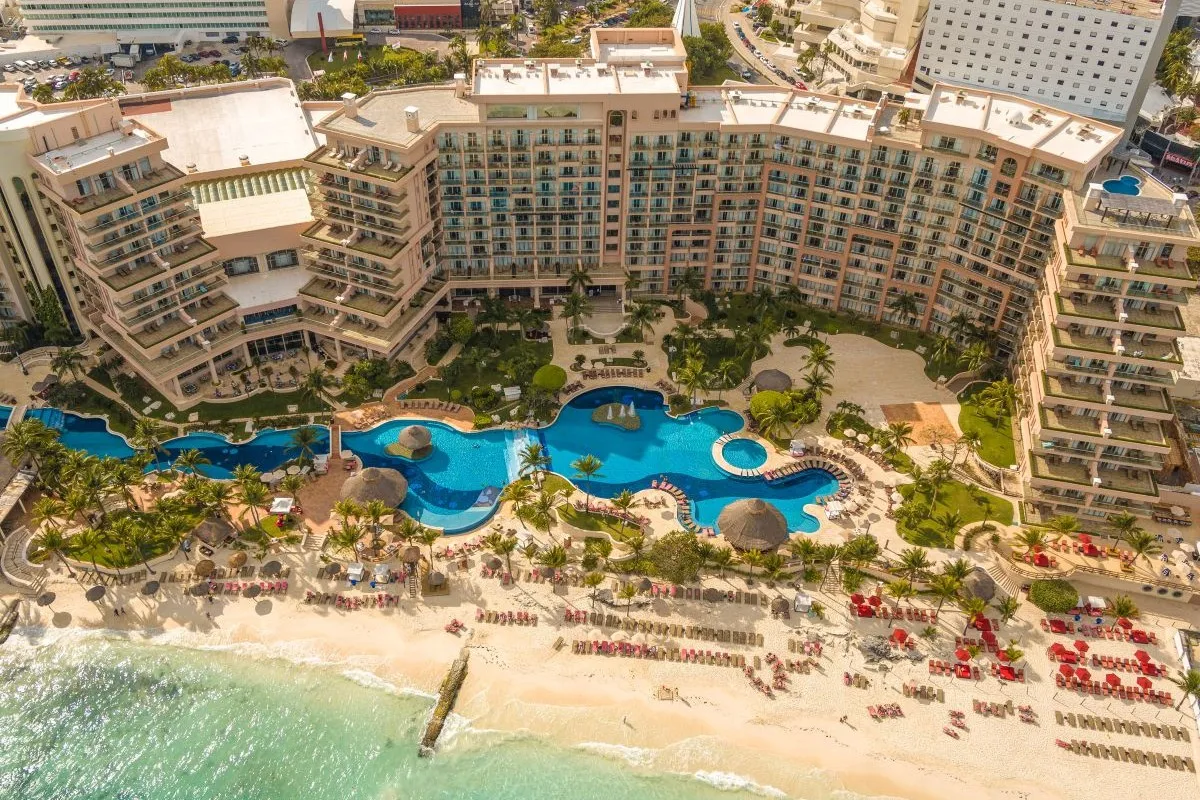
Mexico’s largest homegrown hotel group, Posadas, is in the midst of a significant luxury expansion, having recently added five new properties that collectively increase its room count by approximately 7%. However, the company is now signaling a strategic recalibration, aiming for an even split between luxury and midscale deals in its future development pipeline. This pivot comes as the hospitality giant recognizes a "red flag" in its recent disproportionate focus on high-end accommodations and adapts to evolving market dynamics, particularly a softening in demand observed earlier this year.
The Genesis of the Luxury Tilt: Capitalizing on Resilience
For the past three years, Posadas, which operates a diverse portfolio of brands including Live Aqua, Grand Fiesta Americana, Fiesta Americana, Fiesta Inn, and One, has predominantly concentrated its development efforts on the luxury segment. This strategic emphasis was a calculated response to the post-pandemic travel landscape. As global tourism began its recovery, luxury and leisure travelers demonstrated a remarkable willingness to spend, often unhindered by economic uncertainties that impacted other market tiers.
Enrique Calderón, Posadas’ chief operating officer, articulated the rationale behind this focus to Skift, stating, "The travelers looking for luxury experiences, they’re willing to pay more if you deliver higher value. There’s no cap on that." This perspective underpinned a period where Posadas saw more contracts signed for its upscale and luxury brands than for its midscale offerings. The five recently opened luxury properties, which include flagship resorts in prime tourist destinations, are a testament to this strategy, designed to capture the robust demand from high-net-worth individuals and discerning travelers seeking premium experiences. These developments, often characterized by bespoke services, high-end amenities, and prime locations, typically command higher Average Daily Rates (ADR) and contribute significantly to RevPAR (Revenue Per Available Room) growth, bolstering the company’s financial performance.
The Mexican tourism sector itself has witnessed a strong rebound since 2021, with international arrivals surging and luxury travel leading the charge in many resort areas like Riviera Maya, Los Cabos, and Puerto Vallarta. Posadas, with its extensive network and deep understanding of the Mexican market, was well-positioned to capitalize on this trend, expanding its footprint in segments that promised lucrative returns. The company’s luxury brands, such as Live Aqua Urban Resort and Grand Fiesta Americana, have consistently delivered strong performance metrics, justifying the investment and strategic direction during this period.
A Shifting Landscape: The "Red Flag" and Midscale’s Resurgence
However, the hospitality market is perpetually dynamic, and early 2024 brought discernible shifts that prompted Posadas to reassess its trajectory. While luxury had been the undisputed leader in post-pandemic recovery, a softening in overall demand began to emerge, particularly impacting the top-end segments that had previously shown insatiable growth. It was during this period of market recalibration that Posadas observed a critical trend: its midscale segment proved more resilient.
"Within the last three years, we’ve been closing more contracts on luxury than midscale, and that also gives us a red flag," Calderón acknowledged. This "red flag" was not an indictment of the luxury segment’s profitability or long-term viability, but rather a recognition of the inherent risks associated with an over-reliance on any single market tier. When economic headwinds intensify, or discretionary spending tightens, even affluent travelers may become more discerning about their expenditures, leading to potential slowdowns in luxury bookings or pressure on pricing.
In contrast, the midscale segment, catering to a broader demographic of business travelers, families, and domestic tourists, demonstrated remarkable stability. These travelers, often driven by necessity or value, tend to be less susceptible to minor economic fluctuations. They prioritize comfort, consistent service, and reasonable pricing – attributes that midscale brands are designed to deliver efficiently. This resilience underscored the strategic importance of a balanced portfolio, capable of weathering varied economic climates. For Posadas, its Fiesta Inn and One brands, known for their functional design, strategic locations in urban centers and near business districts, and competitive pricing, became crucial shock absorbers in a more volatile market.
Strategic Rebalancing: A New Blueprint for Growth
Responding proactively to these market signals, Posadas has initiated a significant strategic rebalancing. The company’s future development strategy will now target an even distribution of new contracts between luxury and midscale properties. This pivot is not merely a shift in focus but is backed by tangible product innovation, particularly within its midscale offerings.
A cornerstone of this renewed midscale push is the relaunched, leaner Fiesta brand prototype. This new design emphasizes efficiency and cost-effectiveness, featuring smaller room footprints and lower overall build costs. Such innovations are crucial for enhancing profitability in the midscale segment, where price sensitivity is higher, and operational efficiencies directly translate to stronger margins. The streamlined design not only reduces initial capital expenditure but also potentially lowers ongoing operational costs, making it an attractive proposition for franchisees and investors.
The immediate success of this new prototype underscores its market appeal. Posadas secured five signed contracts directly off its first presentation, a clear indication that developers and investors are keen on a product that promises both resilience and efficiency. This rapid uptake suggests that the market was hungry for a refreshed midscale offering that aligns with current economic realities and developer priorities. The enhanced Fiesta prototype aims to deliver consistent quality and essential amenities without the superfluous elements that drive up costs, making it a compelling choice for a wide array of travelers and property owners.
Posadas’ Enduring Footprint and Brand Diversity
Posadas’ strategic adjustments are particularly significant given its dominant position in the Mexican hospitality landscape. Founded in 1970, the company has grown to become the largest hotel operator in Mexico, boasting an extensive portfolio of over 180 hotels and resorts across various segments. Its brand architecture is meticulously crafted to cater to diverse traveler needs:
- Luxury: Live Aqua Urban Resort, Grand Fiesta Americana, Curamoria Collection (experiential luxury).
- Upscale: Fiesta Americana, The Explorean (adventure-luxury).
- Midscale: Fiesta Inn, Gamma (regional focus), IOH (urban business).
- Economy: One Hoteles.
This robust brand ecosystem has allowed Posadas to capture significant market share across different demographics, from international tourists seeking opulent beachfront escapes to domestic business travelers requiring reliable, comfortable stays. The company’s deep understanding of the Mexican consumer and its expansive distribution network provide a strong foundation for any strategic shift. Its adaptive approach demonstrates a commitment to sustainable growth, ensuring that its portfolio remains relevant and competitive in a constantly evolving market.
Broader Industry Trends and Economic Backdrop
Posadas’ strategic pivot is reflective of broader trends within the global and Latin American hospitality sectors. While luxury travel experienced an unprecedented boom post-pandemic, analysts have increasingly warned about market saturation in certain high-end destinations and the potential for a slowdown as global economic growth moderates. Factors such as persistent inflation, higher interest rates, and geopolitical uncertainties are beginning to temper consumer spending, even among affluent demographics.
In contrast, the midscale and economy segments are often seen as more recession-resistant. They cater to a vast segment of the population for whom travel is a necessity (business, family visits) or a desired leisure activity that must fit within a defined budget. The demand for value-for-money accommodations remains robust, particularly in emerging markets like Mexico, where a burgeoning middle class and strong domestic tourism drive consistent occupancy rates.
According to a recent report by STR (Smith Travel Research), while luxury hotels often lead in ADR, midscale and economy segments frequently demonstrate higher occupancy stability during periods of economic uncertainty. This stability provides a more predictable revenue stream and can be particularly attractive to investors looking for steady, long-term returns rather than relying solely on the higher but potentially more volatile yields of luxury properties. Posadas’ move aligns with this prudent diversification strategy, balancing high-yield potential with robust foundational stability.
Furthermore, construction costs, labor shortages, and supply chain issues have impacted hotel development across all segments. The "leaner" prototype for the Fiesta brand directly addresses these challenges by optimizing design and material usage, making development more feasible and attractive in the current economic climate. This efficiency-driven approach is a pragmatic response to market conditions, ensuring that growth can continue even amidst rising input costs.
Analyst Perspectives and Investor Confidence
Industry analysts are likely to view Posadas’ strategic rebalancing as a sensible and forward-thinking move. Diversification is a hallmark of resilient businesses, especially in an industry as cyclical as hospitality. By consciously re-emphasizing midscale development, Posadas is mitigating risk and positioning itself for more balanced and sustainable growth.
"This move by Posadas highlights the importance of not putting all your eggs in one basket, even if that basket has been performing exceptionally well," comments a senior hospitality analyst, who preferred to remain anonymous given the competitive landscape. "While luxury will always have its place, the midscale segment provides a crucial base level of demand and often proves to be a reliable performer when economic winds shift. It signals a mature understanding of market cycles and prudent portfolio management."
Investors, too, are likely to appreciate the company’s adaptability. A balanced portfolio can lead to more stable earnings, which is often favored over strategies that chase only the highest, potentially more volatile, returns. The swift uptake of the new Fiesta prototype could also reassure stakeholders about the company’s ability to innovate and execute its strategy effectively. This strategic pivot demonstrates that Posadas is not merely reacting to market changes but proactively shaping its future development to ensure long-term profitability and market leadership.
Implications for the Mexican Tourism Sector
As Mexico’s largest hotel group, Posadas’ strategic shifts inevitably send ripples throughout the national tourism sector. Its renewed focus on midscale development could spur similar investments from other developers and competitors, leading to a more robust and diverse offering across the country. This could benefit domestic tourism, making travel more accessible and affordable for a wider segment of the Mexican population.
Moreover, a balanced development pipeline helps ensure that Mexico’s tourism infrastructure caters to a broad spectrum of travelers, from high-spending international visitors to budget-conscious domestic tourists. This holistic approach is vital for the sustained growth and resilience of a sector that is a significant contributor to Mexico’s GDP and employment. By investing in both luxury and midscale, Posadas is helping to create a more inclusive and robust tourism ecosystem that can withstand various economic pressures and cater to evolving consumer preferences.
Looking Ahead: Sustainable Growth and Adaptability
Posadas’ decision to pursue an even split between luxury and midscale deals is a testament to its commitment to sustainable growth and its agile response to market signals. The company is not abandoning its successful luxury ventures but is rather diversifying its risk and capitalizing on the proven resilience of its midscale offerings. As Enrique Calderón’s incomplete quote suggested, "We’re not going to walk away from the [midscale segment]," underscoring the company’s long-standing dedication to a broad market presence. This strategic rebalancing, underpinned by innovation in product design and a deep understanding of market dynamics, positions Posadas for continued leadership and profitability in the ever-evolving landscape of Mexican hospitality. The move exemplifies a mature and strategic approach to portfolio management, prioritizing long-term stability alongside growth in high-value segments.




 Anjar Salim
 Chandra Hamzah
 Budi Mulyono

