
 Anjar Salim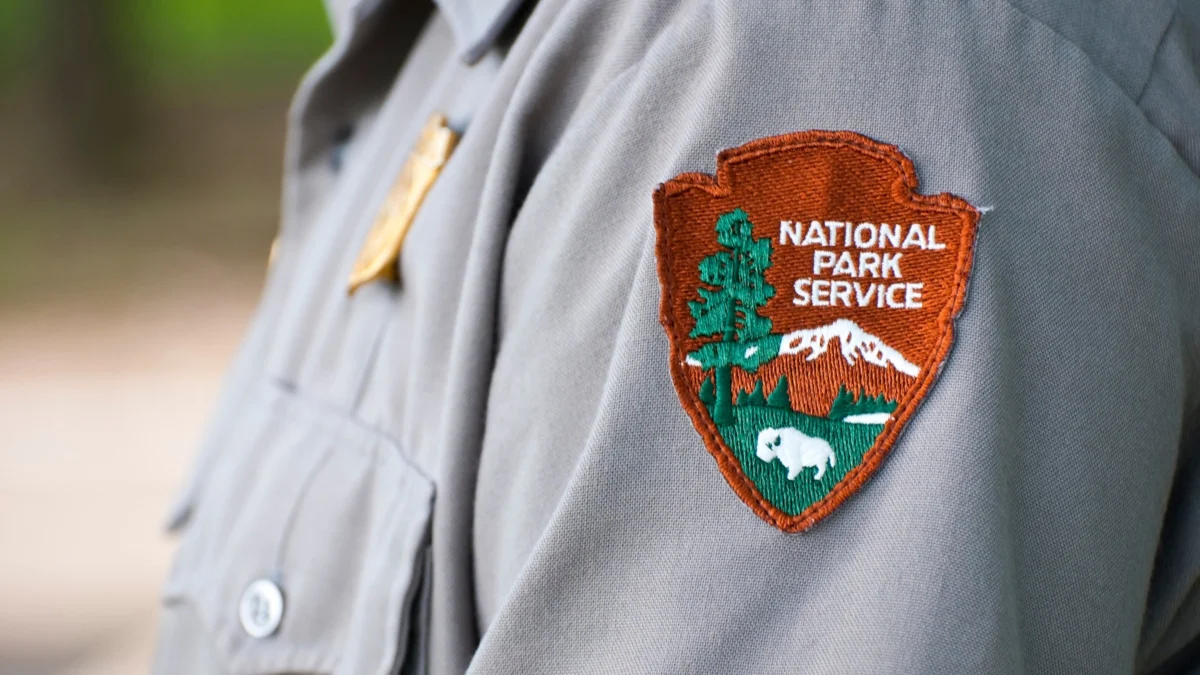
A newly revealed internal memo from the Department of the Interior has reportedly prohibited National Park Service staff from publicly reporting deaths or the severity of injuries occurring within the United States’ national park system. This directive, which marks a significant shift in the agency’s long-standing communication protocols, has sparked intense debate among park management experts, safety advocates, and public transparency watchdogs. Critics argue that the move not only sets a concerning precedent for government accountability but also potentially endangers the millions of visitors who frequent these public lands by obscuring the inherent risks of the natural environment.
The existence of the memo was first brought to light by a report from The Washington Post, which indicated that the Department of the Interior (DOI)—the parent agency of the National Park Service (NPS)—issued the guidance to employees in December 2025. The policy allegedly applies to all 435 NPS sites nationwide, effectively silencing park-level communications regarding fatalities, suspected fatalities, and serious medical incidents. While the DOI maintains that the policy is intended to standardize communications and protect the privacy of victims and their families, veteran park officials suggest the shift could erode the public trust the agency has spent decades building.
Core Provisions of the New Communication Policy
The internal policy, as detailed in the leaked documents, contains specific prohibitions that fundamentally alter how information flows from the field to the public. According to the report, the memo explicitly states that "Interior shall not confirm a death" and that this restriction extends to all bureaus and offices under the Department’s jurisdiction. Under the new guidelines, the confirmation of a fatality is reserved strictly for "appropriate authorities," which typically refers to local coroners or medical examiners, regardless of whether the incident occurred on federal land.
Furthermore, the memo places strict limits on the reporting of non-fatal incidents. Staff are reportedly instructed that they "shall not confirm the severity of injuries." In instances where an individual is injured and requires medical evacuation, the guidance permits staff to state only that an individual was transported and to identify the method of transport—such as a ground ambulance or a helicopter. Any additional medical information, including the condition of the patient or the nature of the trauma, is strictly prohibited from release.
Under the new protocol, NPS personnel are permitted to confirm only the following:
- That an incident occurred.
- The general location of the incident.
- That the department is responding to the situation.
- That an investigation into the matter is ongoing.
Any further details are to be withheld until deemed "appropriate" by high-level departmental officials, a process that experts suggest could lead to significant delays in public awareness.
Chronology of the Policy Shift and Recent Silences
The implementation of this policy appears to have followed a timeline that began in late 2025, but its effects have only recently become apparent to the public and the media. Following the distribution of the memo in December, there was a noticeable decline in the frequency of incident-related press releases from individual park units.
In June 2026, the contrast between the new policy and previous transparency became starkly evident through two high-profile incidents. In Yosemite National Park, a 23-year-old visitor died after falling from a waterfall. Historically, such an event would have been followed by a press release detailing the location and safety reminders for other hikers. However, no record of the death appeared on the official NPS newsroom website. Similarly, a teenage girl drowned in Sequoia National Park during a hike in the same week. Despite the severity of the incident, the NPS maintained public silence. These events were only confirmed through local law enforcement and media inquiries, rather than proactive agency reporting.
Official Response from the Department of the Interior
In response to the growing scrutiny, a spokesperson for the Department of the Interior defended the guidance, characterizing the reports of a "ban" as a misunderstanding of the agency’s intent. In a statement provided to the media, the DOI asserted that the narrative of a secrecy mandate is "false and reflects a significant mischaracterization of the Department’s guidance."
The spokesperson emphasized that the primary goal of the updated policy is to ensure consistency across the various bureaus of the DOI and to prioritize the needs of the victims’ families. "Interior remains committed to providing timely and accurate information while ensuring families are notified first," the statement read. The Department maintains that the guidance was not designed to conceal fatalities but to create a uniform approach that respects investigative processes, privacy considerations, and next-of-kin notifications. In some instances, the DOI noted, families specifically request that identifying information not be released, and the new policy is intended to honor those requests more effectively.
Statistical Context: Fatalities in the National Park System
To understand the impact of this policy shift, it is necessary to examine the scale of incidents within the National Park Service. The NPS oversees more than 85 million acres of land and receives over 300 million visitors annually. Given the rugged nature of many park environments, accidents are an inherent reality.
Data from the NPS Social Science Program and previous safety reports indicate that:
- On average, there are approximately 250 to 300 fatalities within the National Park System each year.
- The leading causes of death in national parks are drowning, motor vehicle crashes, and falls.
- Medical emergencies, such as heart attacks during strenuous hikes, also account for a significant percentage of on-site deaths.
- Suicide is a persistent issue within the parks, often requiring sensitive handling by park staff.
Historically, the NPS has used these statistics and real-time reporting to manage visitor expectations. By publicizing that a specific trail has seen multiple falls or that a river is running dangerously high, the agency has used transparency as a tool for "Preventative Search and Rescue" (PSAR). Experts worry that by withholding this data, the agency is losing a vital tool for public education.
Expert Analysis and Potential Risks to Visitor Safety
The shift in communication strategy has been met with significant pushback from the Association of National Park Rangers (ANPR). Bill Wade, the executive director of the advocacy group and a 34-year veteran of the NPS, expressed deep concern over the implications of the memo. Having served at major sites like Yosemite and Mount Rainier, Wade argues that the NPS has historically maintained a high standard of measured, factual reporting that balanced the public’s right to know with the family’s right to privacy.
"This is a significant change in reporting requirements, and we do not know or understand the reason or motivation for the change," Wade stated. He warned that the policy could erode public trust and damage the agency’s reputation as a transparent steward of public lands. "In the past, the NPS has consistently done a good job of providing measured, incremental reports on fatalities… without being speculative."
From a safety perspective, the lack of transparency may lead to a false sense of security among visitors. Search-and-rescue experts, such as Dan Whitten, point out that public reports of accidents serve as a "real-world" warning to others. When a visitor reads about a drowning in a specific creek, they are more likely to exercise caution or wear a life jacket when visiting that same location.
Whitten also noted the logistical complexities of the new policy, particularly regarding jurisdiction. In "exclusive-jurisdiction" parks like Yosemite, federal authorities handle all investigations. In other parks, such as Joshua Tree, responsibility is shared with local county sheriffs or coroners. The new memo requires all information to be funneled through a more centralized, potentially slower, federal process, which Whitten suggests is less efficient and could lead to confusion during ongoing emergency responses.
Broader Implications for Public Land Management
The controversy surrounding the DOI memo raises broader questions about the balance between government transparency and individual privacy. While the DOI argues that the policy protects families, critics see it as a move toward a more "corporate" style of communication that prioritizes image management over public service.
The implications extend to the Freedom of Information Act (FOIA) and the role of the press. If the NPS ceases to provide proactive updates on incidents, journalists and safety researchers will be forced to rely on FOIA requests to obtain data. This process can take months or even years, effectively burying information about park safety until it is no longer relevant for immediate public awareness.
As the National Park Service continues to face record-breaking visitation numbers, the demand for timely safety information is higher than ever. The decision to restrict the flow of information regarding the most serious incidents in the parks marks a pivotal moment in the history of the agency. Whether this policy will lead to a more "consistent" communication style as the DOI claims, or whether it will result in a more dangerous and less informed public, remains a point of contention that will likely be debated in the halls of Congress and among the millions of Americans who view the national parks as their own.
For now, the silence from the NPS newsrooms remains, leaving local communities and visitors to piece together the realities of park safety from unofficial sources. As the summer season continues, the true cost of this policy shift—measured in both public trust and visitor safety—may only become clear when the next incident occurs in the shadows of the nation’s most iconic landscapes.



 Chandra Hamzah
 Tatiana Tantri Indah Sari
 Budi Mulyono
