
 Lukman Taruna Persada Ramadan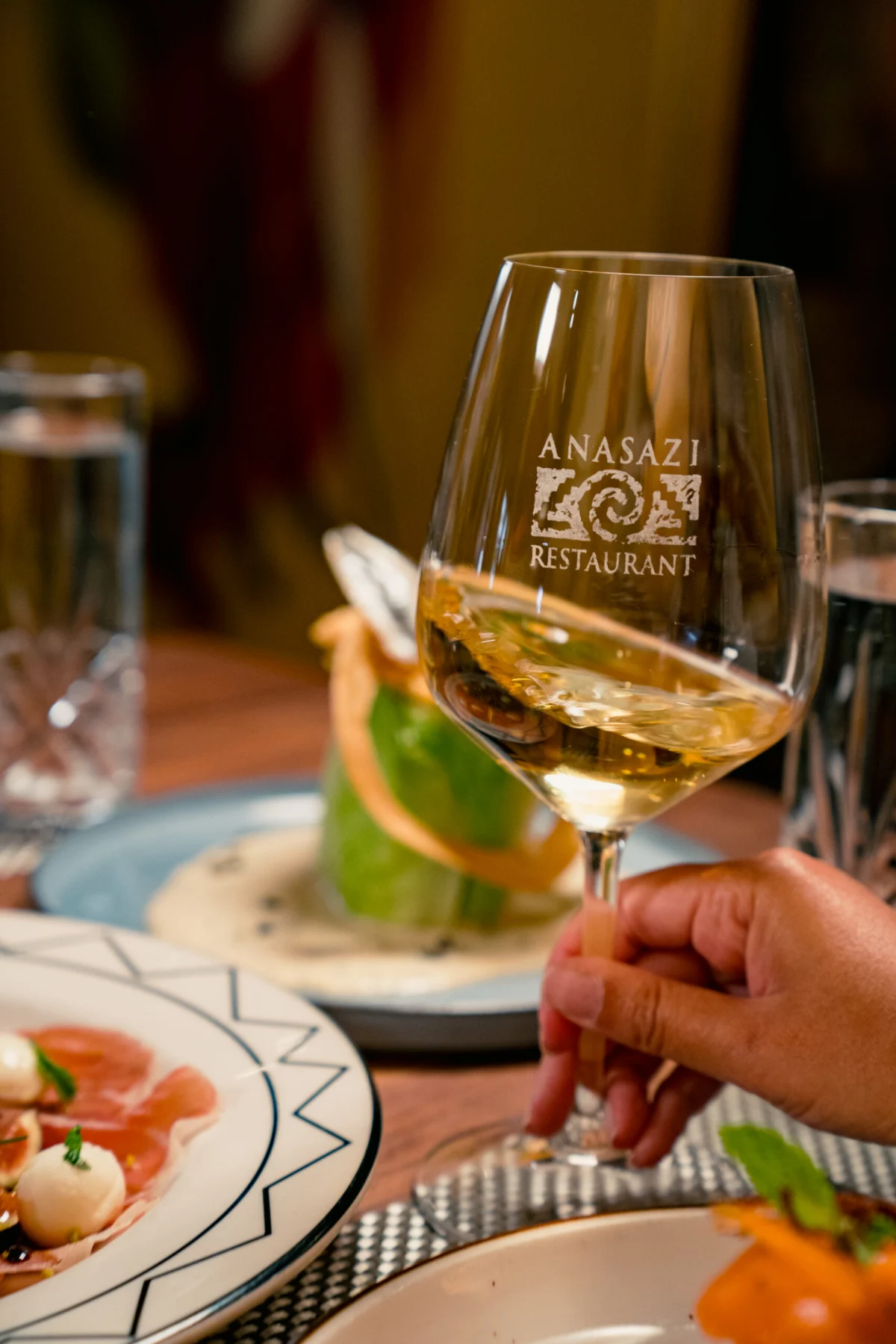
When one considers a wine-centric escape, the venerable vineyards of Napa Valley, the historic estates of France, the sun-drenched hills of Italy, or the dramatic terraces of Portugal’s Douro Valley often spring to mind as quintessential destinations. However, a significant shift is underway in the global wine landscape, particularly within the United States. Beyond these internationally renowned bastions, captivating bottles and vibrant viticultural experiences are emerging in less-crowded, domestically accessible locations. This evolving dynamic is not merely a niche trend but a robust indicator of the U.S. wine market’s burgeoning potential, projected to more than double to an astonishing $157.3 billion by 2033. This impressive forecast underscores the growing prominence of unique markets and innovative wine regions, proving just as promising and often more accessible than their established counterparts.
The Ascent of America’s Diverse Wine Landscape
The traditional perception of American wine often begins and ends with California, a state that undeniably dominates production and reputation. Yet, the story of American viticulture is far richer and more geographically diverse than many realize. From the earliest Spanish missionary plantings to modern-day experimental vineyards, wine has been an integral part of various regional economies and cultures across the nation. The current surge in interest in emerging wine regions is fueled by several factors: a consumer desire for authentic, unique, and often more sustainable travel experiences; a burgeoning foodie culture that values local produce and craft beverages; and the tireless efforts of pioneering vintners who are meticulously adapting classic grape varietals or championing indigenous ones to thrive in unexpected terroirs. This decentralization of wine production and appreciation is reshaping the domestic travel and hospitality sectors, creating new epicenters of culinary and oenological excellence.
Santa Fe, New Mexico: A High-Altitude Viticultural Heritage
One of the most surprising and historically rich wine regions in the United States is Santa Fe, New Mexico. While many might associate the Land of Enchantment more with chiles than Chardonnay, New Mexico boasts a winemaking tradition that dates back to 1629. This pre-dates the first recorded vine plantings in Napa Valley by half a century, cementing its status as one of the oldest wine-producing regions in North America. Spanish Franciscan friars, seeking to produce sacramental wine, introduced European grapevines to the Rio Grande Valley, laying the groundwork for a viticultural legacy that has quietly persisted for centuries.
Santa Fe’s unique terroir, situated at an elevation of 7,000 feet above sea level, is a critical component of its distinctive wine profile. The region experiences dramatic day-to-night temperature swings, a climatic feature known as diurnal shift. This significant temperature variation is crucial for grape development, as warm days promote sugar accumulation, while cool nights help preserve the grapes’ natural acidity. The result is wines that possess remarkable structure, freshness, and ageability – qualities highly sought after by serious wine collectors and connoisseurs.
Beyond its historical roots and unique climate, Santa Fe stands out as one of the most experimental wine regions in the country. Vintners here are not confined by tradition, cultivating an astonishing array of more than 75 grape varieties. This adventurous spirit allows for a diverse range of wines, from robust reds to crisp whites and vibrant rosés, often featuring varietals less commonly found in other American regions. This experimentation is a testament to the region’s adaptability and its commitment to discovering which grapes truly flourish in its challenging yet rewarding environment.

The region’s wine culture culminates annually in the Santa Fe Wine & Chile Festival every September. This prestigious event draws nearly 90 wineries, 65 acclaimed restaurants, and thousands of visitors, transforming the city into a vibrant hub of gastronomic delight. The festival serves as a crucial platform for local winemakers to showcase their craft, allowing attendees to sample the breadth and depth of New Mexico’s wines alongside exquisite culinary pairings. For travelers seeking a luxurious and immersive experience, a stay at the Rosewood Inn of the Anasazi offers a direct gateway to this rich wine culture. The inn’s sommelier and wine director, Kristina Bustamente, oversees an impressive 919-label program, featuring a curated selection of both local New Mexican wines and international vintages. Her expertise provides guests with unparalleled opportunities for guided tastings and educational experiences, deepening their appreciation for the region’s viticultural treasures.
Greenville, South Carolina: Southern Hospitality Meets Wine Sophistication
In the American South, two cities are redefining the narrative of wine in distinct yet equally compelling ways. Greenville, South Carolina, has rapidly emerged as a culinary powerhouse, with its wine scene developing in lockstep with its celebrated gastronomic ascent. Last year, Greenville garnered back-to-back national honors, including multiple Wine Spectator Awards and a coveted star in the inaugural Michelin Guide American South. This recognition is a clear indicator of the city’s commitment to culinary and oenological excellence.
Among its standout establishments, Between the Trees at the Grand Bohemian Lodge earned a prestigious Wine Spectator Award, a testament to its thoughtfully curated wine list and impeccable service. Even more remarkably, Soby’s, a long-standing culinary institution in Greenville, received a Wine Spectator Grand Award, an honor bestowed upon only a handful of restaurants globally for their extraordinary wine programs. These accolades are not just individual achievements; they signal a broader cultural shift, positioning Greenville as a serious contender in the national fine dining and wine landscape.
Beyond its urban culinary scene, Greenville serves as the gateway to a hidden gem: a Blue Ridge foothills wine trail. This lesser-known trail, nestled in the picturesque mountains of Upstate South Carolina, offers a charming and intimate wine experience that many travelers have yet to discover. The vineyards here often cultivate varietals suited to the region’s climate and soil, including some European grapes that have adapted surprisingly well, alongside indigenous varietals. This trail provides a serene alternative to more crowded wine regions, inviting visitors to explore quaint wineries, enjoy scenic vistas, and sample wines that reflect the unique terroir of the Southern Appalachian foothills. The synergy between Greenville’s burgeoning urban dining scene and the rustic charm of its surrounding wine country presents a multifaceted appeal for wine enthusiasts and culinary adventurers.
Savannah, Georgia: Cultivating Connoisseurship Through Education
While Greenville’s wine identity is deeply intertwined with its burgeoning restaurant scene, Savannah, Georgia, is building its wine culture through a focused emphasis on discovery and education. The historic city, known for its enchanting squares and Spanish moss-draped oaks, is fostering a sophisticated appreciation for wine through dedicated institutions and specialized retailers. This approach focuses on empowering consumers with knowledge and access to diverse, quality wines, thereby cultivating a discerning wine community.
At the forefront of this educational movement is the Savannah Wine Institute, which offers Wine & Spirit Education Trust (WSET) certification programs and expert-led classes. WSET qualifications are globally recognized benchmarks for wine and spirits knowledge, providing rigorous training for both industry professionals and passionate enthusiasts. The presence of such an institute in Savannah signifies a serious commitment to elevating wine literacy and fostering a deeper understanding of viticulture, winemaking, and tasting among its residents and visitors. These programs help demystify the complexities of wine, making it more approachable while also highlighting the nuances that define exceptional vintages.

Complementing the educational offerings, Savannah Wine Cellar stands as a pillar for connoisseurs. This specialized retailer focuses on rare, small-production labels, providing a curated selection that often features wines from boutique wineries and lesser-known regions worldwide. The cellar also hosts guided tastings, offering patrons the opportunity to explore diverse wine styles, learn about specific producers, and refine their palates under the guidance of knowledgeable staff. Such establishments are vital in building a robust wine culture, acting as conduits between small-batch producers and an appreciative audience.
For those with an adventurous palate, Late Air caters to the growing interest in natural and hard-to-find vintages. Natural wine, characterized by minimal intervention in both the vineyard and cellar, has gained significant traction among consumers seeking wines that express a pure sense of place and authenticity. Late Air’s specialization in these unique offerings further diversifies Savannah’s wine landscape, attracting a demographic that values artisanal production and environmental consciousness. Together, these institutions and retailers are positioning Savannah as a hub for wine education and discovery, cultivating a vibrant culture of connoisseurship that enriches the city’s already renowned hospitality scene.
Finger Lakes, New York: The Riesling Renaissance and Beyond
Nestled in upstate New York, the Finger Lakes region has long been celebrated by those in the know, but it is increasingly garnering national and international recognition as a world-class wine destination. This picturesque area, defined by eleven glacial lakes and shale-rich soils, shares a remarkable geological affinity with Germany’s Mosel region—a characteristic that makes it exceptionally suited for cultivating specific grape varietals.
The Finger Lakes is arguably most renowned for its exceptional Rieslings. The unique combination of cool climate, long growing season, and mineral-rich soils allows Riesling grapes to develop complex aromatics, vibrant acidity, and a distinct minerality, producing wines that rival some of the finest in the world. However, the region’s viticultural prowess extends far beyond Riesling. Wineries here also produce acclaimed Cabernet Franc, known for its elegant structure and spicy notes, as well as robust Blaufränkisch (also known as Lemberger) and a burgeoning array of high-quality sparkling wines. The diversity of varietals thriving in this challenging climate is a testament to the skill and dedication of local vintners.
A defining characteristic of the Finger Lakes wine industry is its structure: it is predominantly composed of more than 140 family-run operations. This absence of a large corporate marketing machine allows for an emphasis on craftsmanship, authenticity, and direct connection between winemaker and consumer. Each winery often reflects the unique vision and passion of its owners, fostering a sense of community and artisanal quality that is deeply appealing to visitors. This independent spirit contributes significantly to the region’s charm and the distinctiveness of its wines.
Despite its consistent production of high-quality wines, the Finger Lakes has historically been one of the most underrated wine regions in the country. However, this perception is rapidly changing. Last year, Wine Enthusiast magazine, a leading authority in the wine world, named the Finger Lakes its 2025 American Wine Region of the Year. This prestigious accolade provides significant validation and brings much-deserved attention to the region. Adding to this recognition, Wine Enthusiast also declared the region’s 2024 vintage as one of the best on record, indicating a period of exceptional quality and promising future harvests. These honors signal a new era for the Finger Lakes, firmly establishing it as a premier destination for wine lovers seeking world-class wines in an authentic, unpretentious setting.

The Evolving Palate: Consumer Trends and Industry Growth
The rise of these unconventional wine destinations is a microcosm of broader shifts within the global wine market. The projected growth to $157.3 billion by 2033 is not simply an increase in volume but reflects an evolving consumer palate and a diversification of preferences. Modern wine drinkers are increasingly adventurous, seeking out unique varietals, distinct terroirs, and authentic narratives that go beyond the established brands. There is a growing appreciation for the stories behind the bottle, the passion of small producers, and the regional identity that each wine embodies.
This trend is also intertwined with the expansion of wine tourism. As consumers prioritize experiential travel, wine regions offer a compelling blend of scenic beauty, cultural immersion, and gastronomic pleasure. These emerging American regions provide accessible alternatives to international travel, allowing enthusiasts to explore diverse viticultural practices and regional cuisines closer to home. The economic implications for these regions are significant, as wine tourism stimulates local economies, creates jobs, and supports auxiliary industries such as hospitality, dining, and artisanal crafts. Sommeliers, wine educators, and travel writers play a crucial role in this ecosystem, acting as gatekeepers and tastemakers who introduce these hidden gems to a wider audience, further propelling their recognition and popularity.
Navigating the Future: Challenges and Opportunities for Emerging Regions
While the outlook for America’s emerging wine regions is overwhelmingly positive, they also face a unique set of challenges. Climate variability, for instance, poses an ongoing concern, necessitating adaptive viticultural practices and continuous experimentation with resilient grape varietals. Market penetration can also be a hurdle, as these smaller, independent operations often lack the extensive marketing budgets of larger, established wineries. Developing robust tourism infrastructure, including accommodations, transportation, and complementary attractions, is also essential for sustaining growth and attracting a steady stream of visitors.
Despite these challenges, the opportunities are immense. The very distinctiveness of these regions — their unique terroirs, experimental approaches, and often long, untold histories — serves as a powerful unique selling proposition. They have the potential to attract new demographics of wine drinkers, particularly younger generations who value authenticity, sustainability, and local provenance. By fostering strong regional identities, collaborating with local culinary scenes, and leveraging digital platforms for storytelling and outreach, these emerging regions can carve out enduring niches in the global wine market. The future promises a richer, more diverse, and more exciting landscape for American wine, inviting exploration and appreciation for the captivating bottles found closer to home.
Conclusion
The U.S. wine market is experiencing a profound transformation, moving beyond its traditional confines to embrace a vibrant tapestry of emerging regions. From the ancient winemaking traditions of Santa Fe, New Mexico, with its high-altitude experimentation, to Greenville, South Carolina’s fusion of culinary excellence and hidden wine trails, and Savannah, Georgia’s dedication to wine education and curated selections, to the Finger Lakes, New York’s world-class Rieslings and family-run operations, the narrative of American wine is being rewritten. These regions are not merely producing wine; they are cultivating unique cultures, fostering economic growth, and offering enriching travel experiences that challenge preconceived notions of what "wine country" truly means. As the market continues its projected expansion, these diverse and dynamic destinations will undoubtedly play an increasingly pivotal role in shaping the future of American viticulture and wine tourism.




 Anjar Salim
 Chandra Hamzah
 Tatiana Tantri Indah Sari
 Budi Mulyono

