
 Budi Mulyono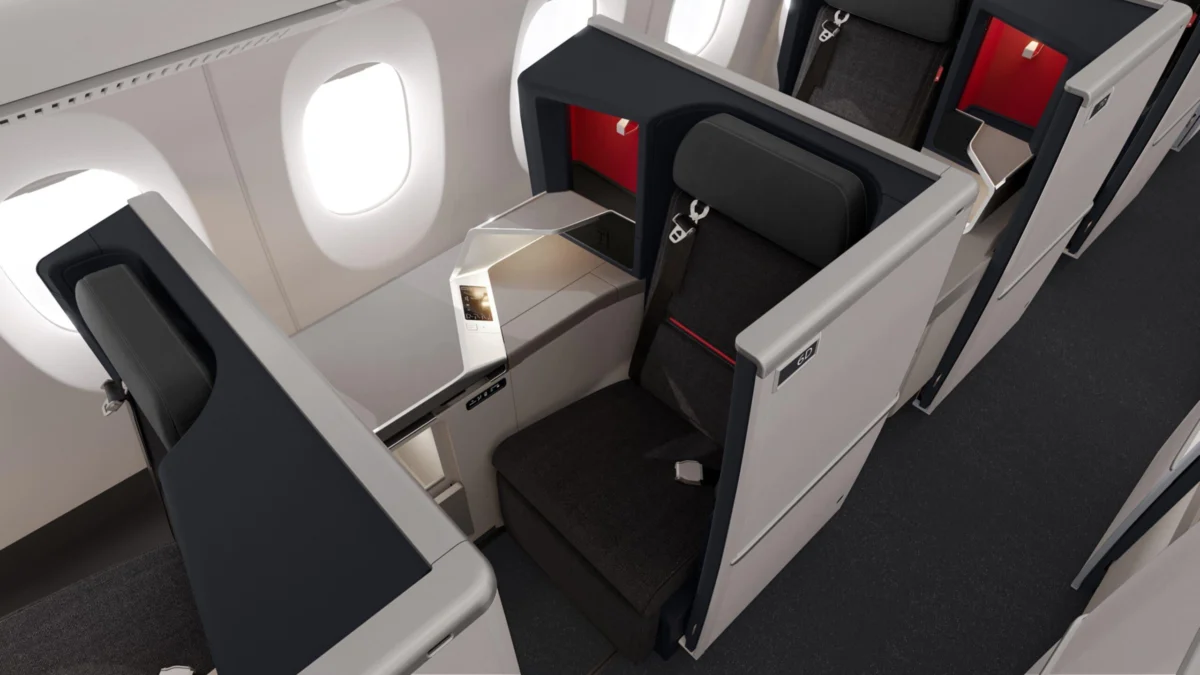
The landscape of international travel is currently undergoing a period of significant transformation, characterized by a tightening of security protocols, substantial investments in premium infrastructure, and an evolving public health environment. From the maritime sector to the heights of commercial aviation, stakeholders are grappling with the dual challenges of maintaining safety and meeting the sophisticated demands of a modern traveling public. Recent events at major cruise ports, international airports, and within the corridors of federal health agencies underscore the complexities of managing a global transit network in an era of heightened scrutiny and technological disruption.
Heightened Security Protocols and Passenger Conduct at Major Cruise Terminals
The cruise industry is facing a renewed focus on passenger behavior following a series of high-profile incidents at major U.S. homeports. On the morning of June 22, the Carnival Conquest concluded a three-night Bahamas itinerary at PortMiami, only for the debarkation process to be interrupted by a large-scale physical altercation. According to eyewitness accounts and social media documentation, the brawl occurred within the Customs and Border Protection (CBP) debarkation area. The conflict involved 16 individuals and escalated to include physical strikes, the brandishing of stanchions as weapons, and the displacement of luggage and security barriers.
While the Miami-Dade Sheriff’s Office responded to the scene, no criminal charges were filed as the involved parties declined to prosecute. However, Carnival Cruise Line took immediate administrative action, placing all 16 participants on a permanent "Do Not Sail" list. This internal security measure carries no provision for appeal and no expiration date, signaling a zero-tolerance policy for violence on company property. This incident follows a similar disruption in April at the Port of Galveston, where 24 guests were banned following a large brawl. Industry analysts suggest that these incidents reflect a broader trend of deteriorating passenger decorum, prompting cruise lines to implement stricter behavioral codes of conduct and more robust security presence during high-traffic debarkation windows.
Legal Consequences for In-Flight Misconduct and Border Security Enforcement
The intersection of maritime travel and federal law enforcement was further highlighted on June 20 at Port Everglades. Joseph Samuel Doria, a 28-year-old resident of Philadelphia, was detained by CBP officers after disembarking from the Regal Princess. During a secondary inspection, a search of Doria’s electronic devices revealed illicit material, specifically child sexual abuse material (CSAM), located within a "Recently Deleted" folder. Following his arrest, Doria reportedly admitted to long-term consumption and distribution of such materials.
This arrest coincides with a documented 16% increase in CBP electronic device searches compared to 2022 data. This trend reflects a more aggressive stance by federal authorities in monitoring digital content at international entry points. Doria is currently being held on behalf of U.S. Marshals, with a federal judge approving a $100,000 bond.
Simultaneously, the federal judicial system has concluded a long-standing case involving in-flight sexual assault. Uriel Kaykov, 36, was sentenced to six months in federal prison following a June 2022 incident on a Delta Air Lines flight from Phoenix to New York-JFK. Kaykov admitted to moving seats to position himself next to a sleeping passenger, whom he then assaulted. The sentencing, which occurred nearly four years after the incident, was accompanied by a poignant victim impact statement detailing the lasting psychological trauma of the event. The presiding judge emphasized that the maximum available punishment was necessary to uphold the safety of the commercial aviation environment.
Infrastructure Expansion: Delta Air Lines’ Premium Lounge Strategy in Atlanta
In a strategic move to bolster its premium service offerings, Delta Air Lines has filed plans with the City of Atlanta for a massive expansion of its lounge footprint at Hartsfield-Jackson Atlanta International Airport (ATL). The proposed 39,000-square-foot Delta One lounge will be situated above Concourse E, strategically positioned between gates E14 and E27. This facility is designed specifically for passengers traveling on Delta One or equivalent partner business-class tickets, excluding standard Sky Club members to maintain an environment of exclusivity.
The financial structure of the project involves a public-private partnership, with the City of Atlanta expected to reimburse Delta up to $63 million for the shell construction of the facility. The project is slated for a 30-month construction window, with a target completion date in January 2029. Atlanta serves as Delta’s primary global hub, and the absence of a dedicated Delta One lounge has long been considered a gap in the airline’s infrastructure compared to its operations at New York-JFK and Los Angeles (LAX). City Council approval for the project is anticipated in early July, marking a significant milestone in the modernization of ATL’s international concourse.
Epidemiological Monitoring: Measles Alerts and Vaccine Efficacy Research
Public health remains a primary concern for the travel sector as Los Angeles County health officials confirmed a measles exposure event at Hollywood Burbank Airport. On June 17, an infectious traveler arrived at Gate A4 via Southwest Airlines Flight 4245. The individual also visited a local vehicle rental facility, prompting a widespread health alert. This case marks the seventh confirmed measles infection in the county for 2026, contributing to a national total exceeding 2,100 cases this year. Health officers have identified summer travel and upcoming international sporting events, such as the World Cup, as significant risk factors for the spread of highly contagious respiratory viruses.
In a related development, a controversial study regarding COVID-19 vaccine efficacy has been published in JAMA Network Open. The research, which was initially withheld from the CDC’s Morbidity and Mortality Weekly Report, indicates that the 2025-26 COVID-19 vaccine reduced the risk of hospitalization by 55%. The study utilized a "test-negative" design, a standard methodology in epidemiological research, despite initial concerns raised by CDC leadership regarding its findings. Public health experts argue that the publication of this data is vital for travelers seeking to mitigate health risks during the busy summer and winter holiday seasons.
Macroeconomic Trends: The Impact of Artificial Intelligence on Travel Technology Costs
The travel experience is increasingly reliant on personal technology, yet the cost of these essential devices is projected to rise sharply due to shifts in the global semiconductor market. The "Big Three" memory chip manufacturers—Samsung, SK Hynix, and Micron—have shifted significant portions of their production capacity toward high-bandwidth memory (HBM) required for artificial intelligence (AI) data centers. This pivot has created a supply vacuum in the consumer electronics sector.
Morgan Stanley forecasts a 15% shortfall in memory supply for personal computers and a 12% shortfall for smartphones by 2027. The implications for travelers are immediate and financial. Recent product launches have already reflected these pressures:
- Microsoft Surface Laptops: Observed a $600 price increase at launch.
- Gaming Hardware: The Nintendo Switch 2 and PlayStation 5 have seen price hikes of $50 and $100, respectively.
- Mobile Devices: Industry analysts expect the upcoming iPhone 18 Pro to reach a starting price of $1,299.
- Portable Computing: The Steam Deck has seen its entry price point jump from $549 to $789.
For travelers who rely on these devices for navigation, remote work, and entertainment, the rising cost of hardware adds a new layer of expense to the overall cost of international mobility.
Niche Market Innovations and Diplomatic Policy Shifts in International Transit
The cruise industry is also seeing innovation in specialized travel markets. Celiac Cruise has announced a partnership with Oceania Cruises for a 2028 itinerary that will feature a 100% gluten-free environment. For the 12-night sailing aboard the Oceania Vista, all 11 dining venues will eliminate gluten from their kitchens to prevent cross-contamination. This initiative addresses a significant barrier for travelers with Celiac disease or gluten sensitivity, who often face logistical challenges and health risks when dining in standard cruise environments.
On the diplomatic front, the U.S. State Department is introducing a pilot program to address the persistent backlog in visitor visa processing. Starting July 1, eligible B-1 and B-2 applicants can opt for a "fast-track" interview process for an additional $750 fee. This program guarantees an interview appointment within 10 business days. While the standard application fee remains $185, the total cost for expedited service will reach $935. This initiative is largely aimed at facilitating travel for major upcoming events, including the 2026 FIFA World Cup and the 2028 Los Angeles Olympics. However, officials have clarified that the fee only accelerates the scheduling of the interview and does not guarantee visa approval or influence the final adjudication of the case.
Implications for the Future of Global Travel
The convergence of these events suggests a future for global travel that is more expensive, more scrutinized, and increasingly bifurcated between premium and standard experiences. The implementation of permanent bans for behavioral infractions indicates that carriers are no longer willing to tolerate the liability associated with disruptive passengers. Simultaneously, the massive investments in exclusive lounges and expedited visa processing suggest that those willing to pay a premium can bypass the increasing frictions of modern transit.
Furthermore, the ongoing health alerts and the rising cost of travel technology serve as a reminder that the travel industry does not operate in a vacuum. It remains susceptible to macroeconomic shifts in the tech sector and the persistent challenges of global disease management. As the industry moves toward 2029 and beyond, travelers must navigate a landscape where safety and speed are increasingly commoditized, and where the digital and physical worlds are more intertwined than ever before.



 Chandra Hamzah
 Tatiana Tantri Indah Sari
 Anjar Salim

