
 Anjar Salim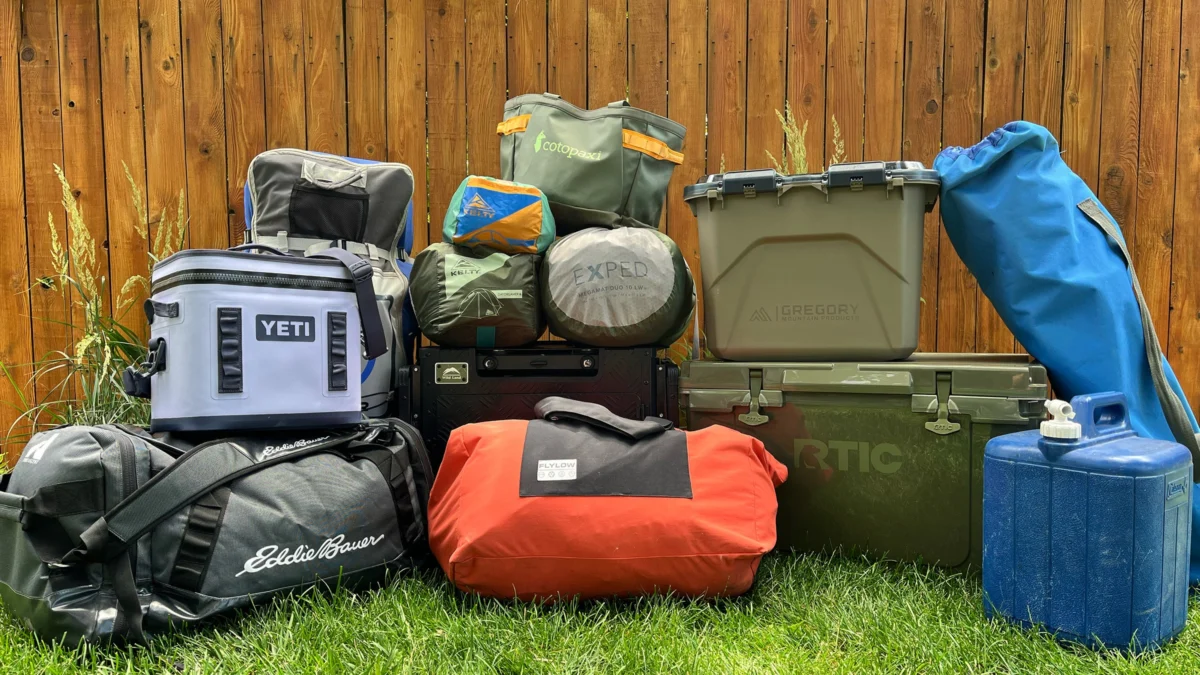
As the outdoor recreation industry continues to see a surge in participation among young families, the logistics of camping with toddlers have evolved from basic survival to a specialized sector of gear and strategy. In June 2026, outdoor industry contributor Jenny Wiegand conducted a comprehensive field test of high-performance family camping equipment during a 24-hour excursion to a Colorado state park. The trip, involving two toddlers aged one and three, served as a benchmark for evaluating the current state of "blackout" tent technology, portable camp kitchens, and integrated sleep systems. This report analyzes the effectiveness of modern family gear and provides a data-driven overview of the strategies necessary to manage young children in remote environments.
The Evolution of Family Camping: A Two-Year Chronology
The transition from camping with an infant and a two-year-old in 2025 to managing two toddlers in 2026 has highlighted a significant shift in logistical requirements. In previous seasons, families often relied on standard backpacking or car-camping gear that, while durable, lacked the specific features required for child management, such as light control and rapid sanitation.
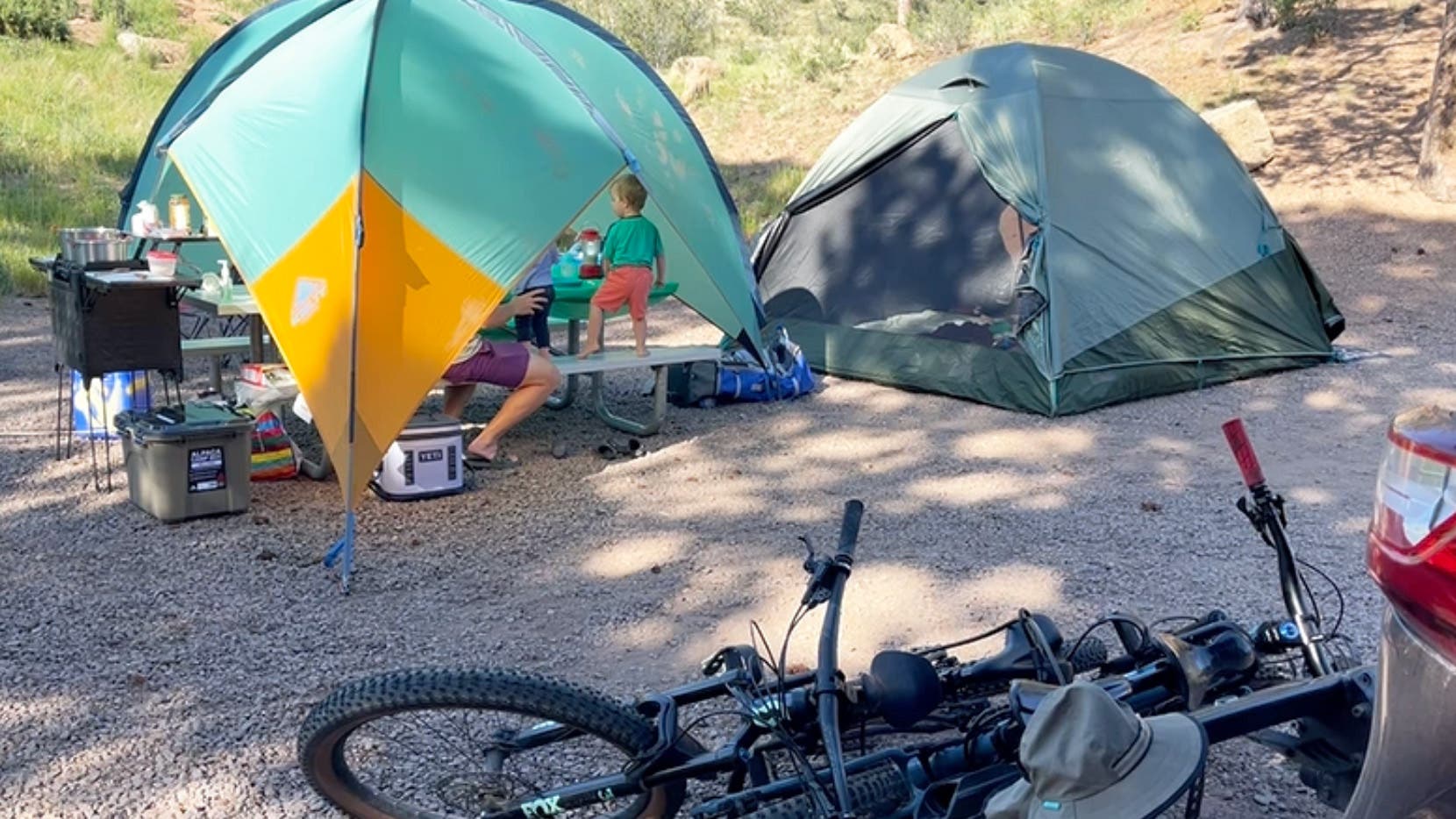
The 2026 field test was conducted 1.5 hours from the family’s primary residence, a strategic distance that allows for an immediate "bailout" if conditions or child behavior become untenable. This proximity is a standard recommendation from family outdoor experts, who suggest that the first several trips of a child’s life should prioritize ease of access over remote isolation. The chronology of this specific trip involved a rapid 10-minute tent deployment, the setup of a dedicated kitchen zone, and a trial-and-error approach to overnight sleep arrangements.
Technical Analysis of High-Performance Gear
Blackout Tent Technology: The Kelty Daydreamer 6P
A primary challenge in family camping is the synchronization of toddler sleep cycles with the natural light of the outdoors. Standard tents, often manufactured in bright oranges or yellows to improve visibility and mood, inadvertently act as light amplifiers during dawn and dusk.
The Kelty Daydreamer 6-person tent represents a shift toward "darkroom" technology in the camping sector. With an 89-square-foot footprint, the tent is designed to accommodate a variety of sleep configurations, including double and single air mattresses. The technical standout feature is the light-blocking rainfly, which successfully creates a near-total blackout environment during daylight hours.
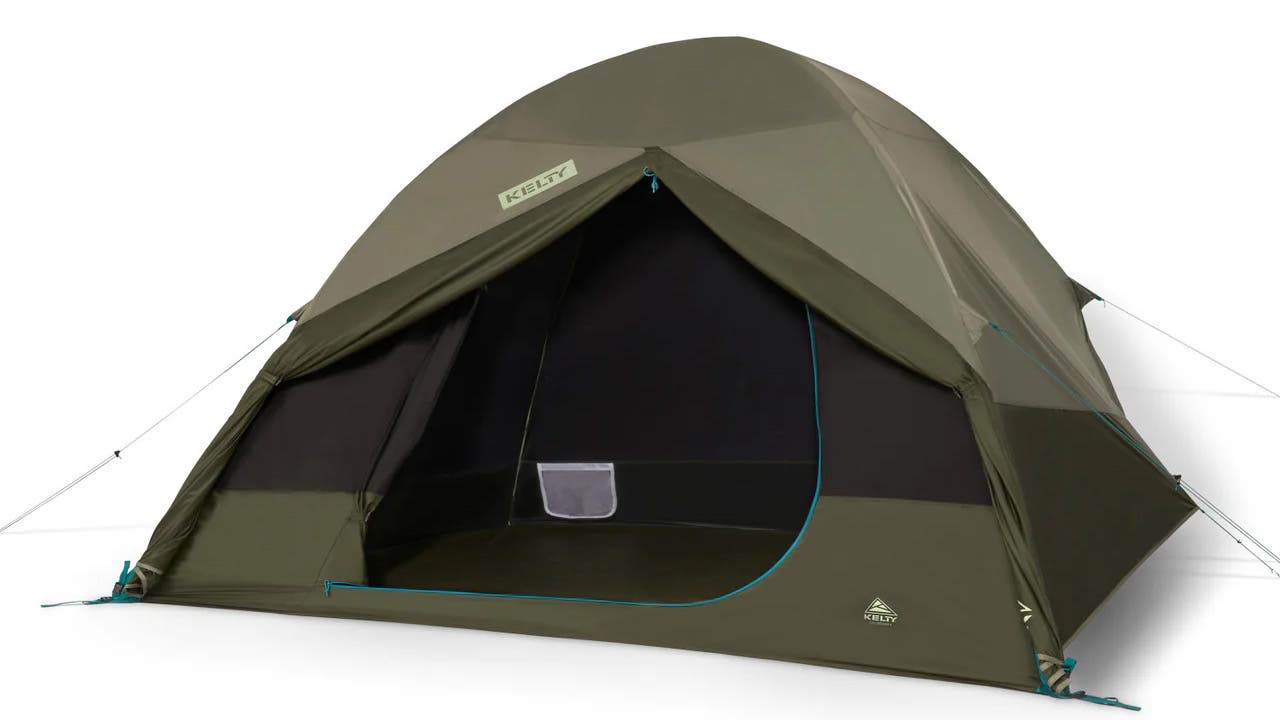
However, data from the field test indicates a trade-off between light exclusion and thermal regulation. The rainfly’s density significantly restricts airflow, leading to a "sauna effect" during peak heat. For families utilizing this technology, the inclusion of a rechargeable portable fan has become a necessary ancillary component to maintain a livable interior temperature while the fly is engaged.
Integrated Sanitation and Culinary Systems: Cinch x Wild Land Kitchen Cruiser
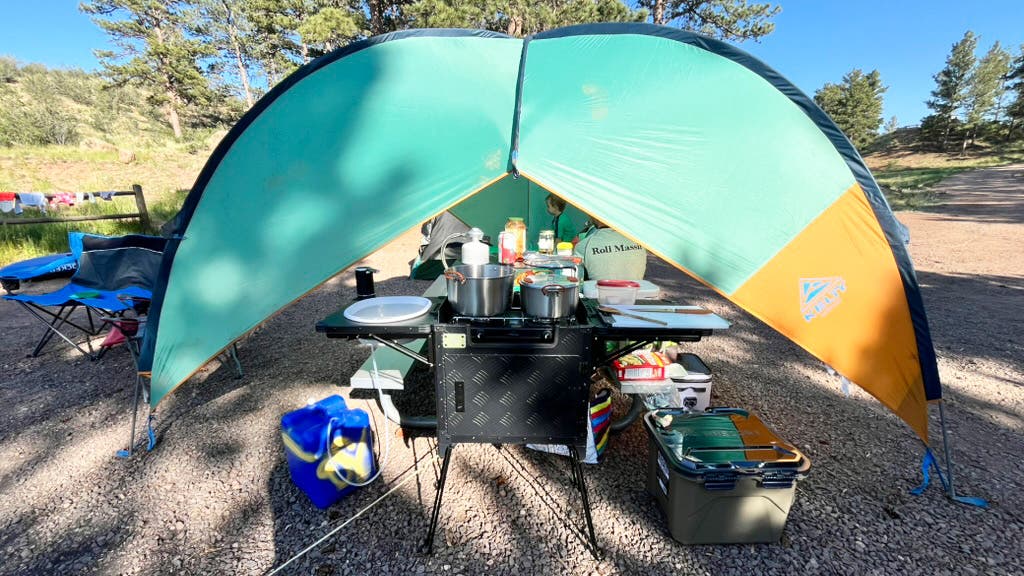
Sanitation remains the most significant hurdle for families with toddlers, where the cleaning of milk bottles and pacifiers is a constant requirement. The field test highlighted the Cinch x Wild Land Kitchen Cruiser as a transformative piece of equipment. Weighing 43 pounds, the unit is an all-in-one kitchen that includes a built-in sink and a rechargeable electric faucet.
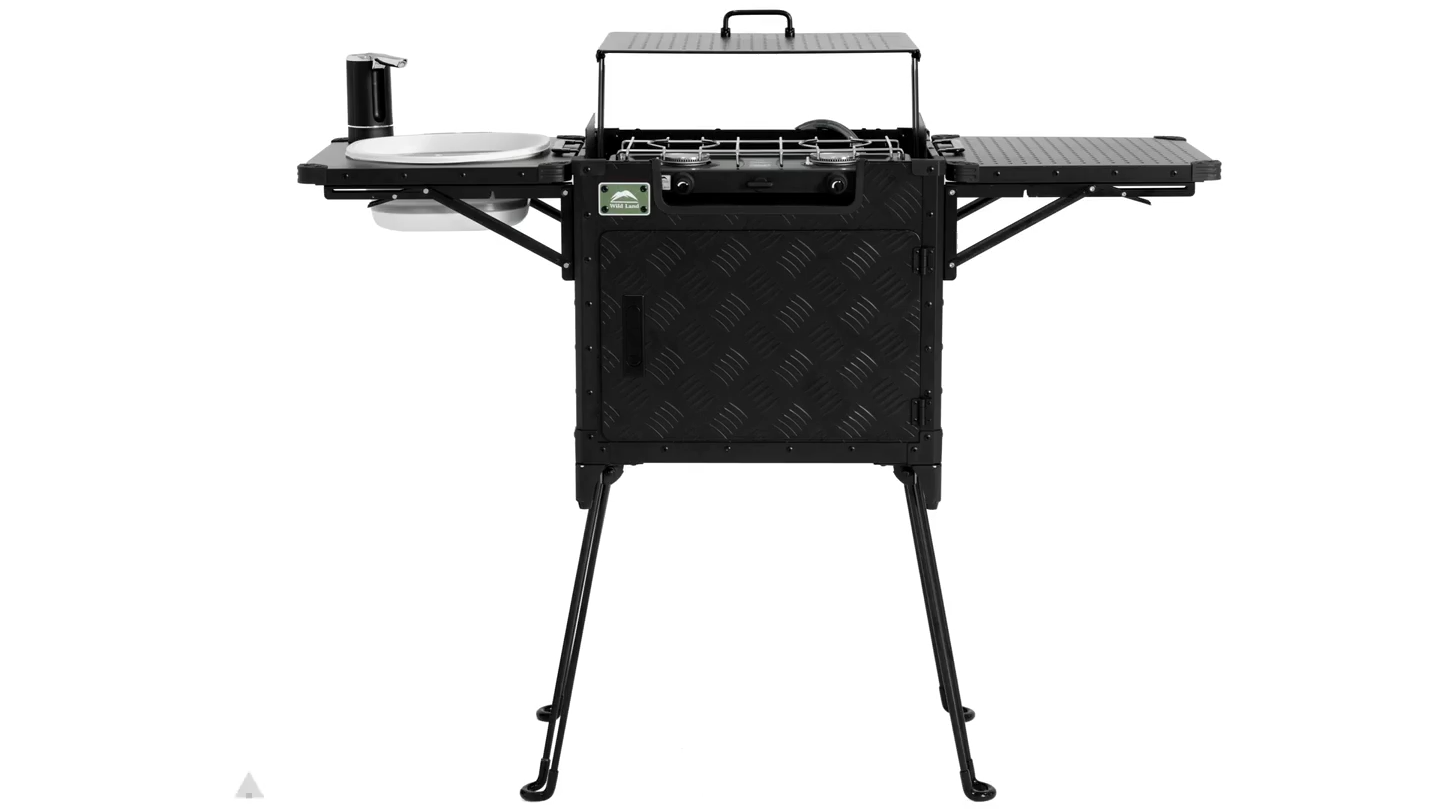
The ability to pull water directly from a storage jug via an electric pump allows for real-time hygiene management, a feature that industry analysts suggest is becoming a priority for the "glamping-lite" demographic. The unit also provides elevated counter space, which serves the dual purpose of organization and keeping cooking implements out of the reach of small children. The two-burner stove system, which requires no external ignition source, allows for rapid meal preparation, reducing the window of time in which children might become restless.
Ergonomic Sleep Solutions: Exped Megamat and Mega Pump
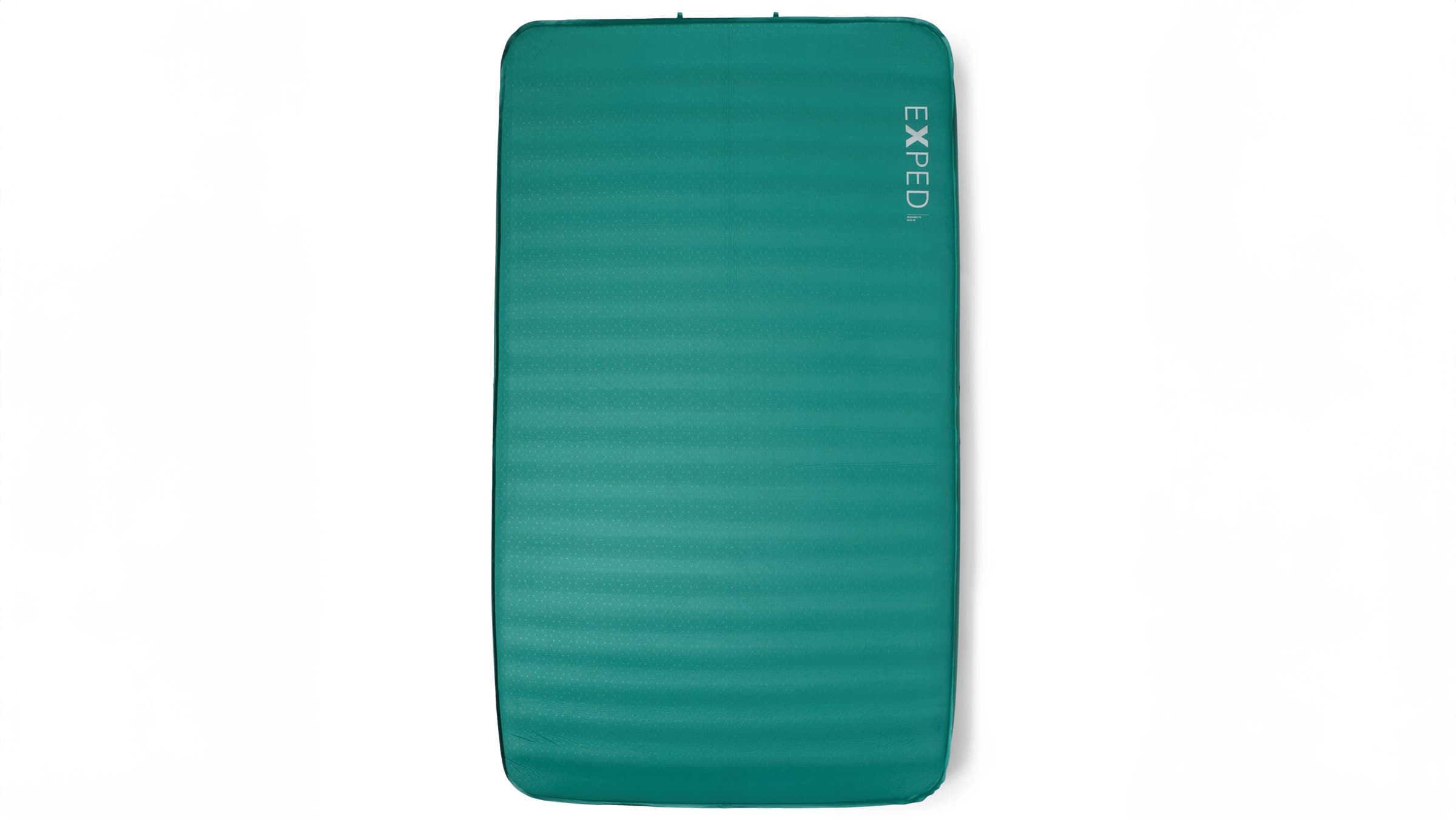
Sleep deprivation is frequently cited as the primary reason families discontinue camping trips. The 2026 test utilized the Exped Megamat Duo, a four-inch-thick, 60-inch-wide mattress. The durability of the mattress was tested by the 35-pound toddler, who utilized the surface as a trampoline during camp setup without causing structural failure or air leakage.
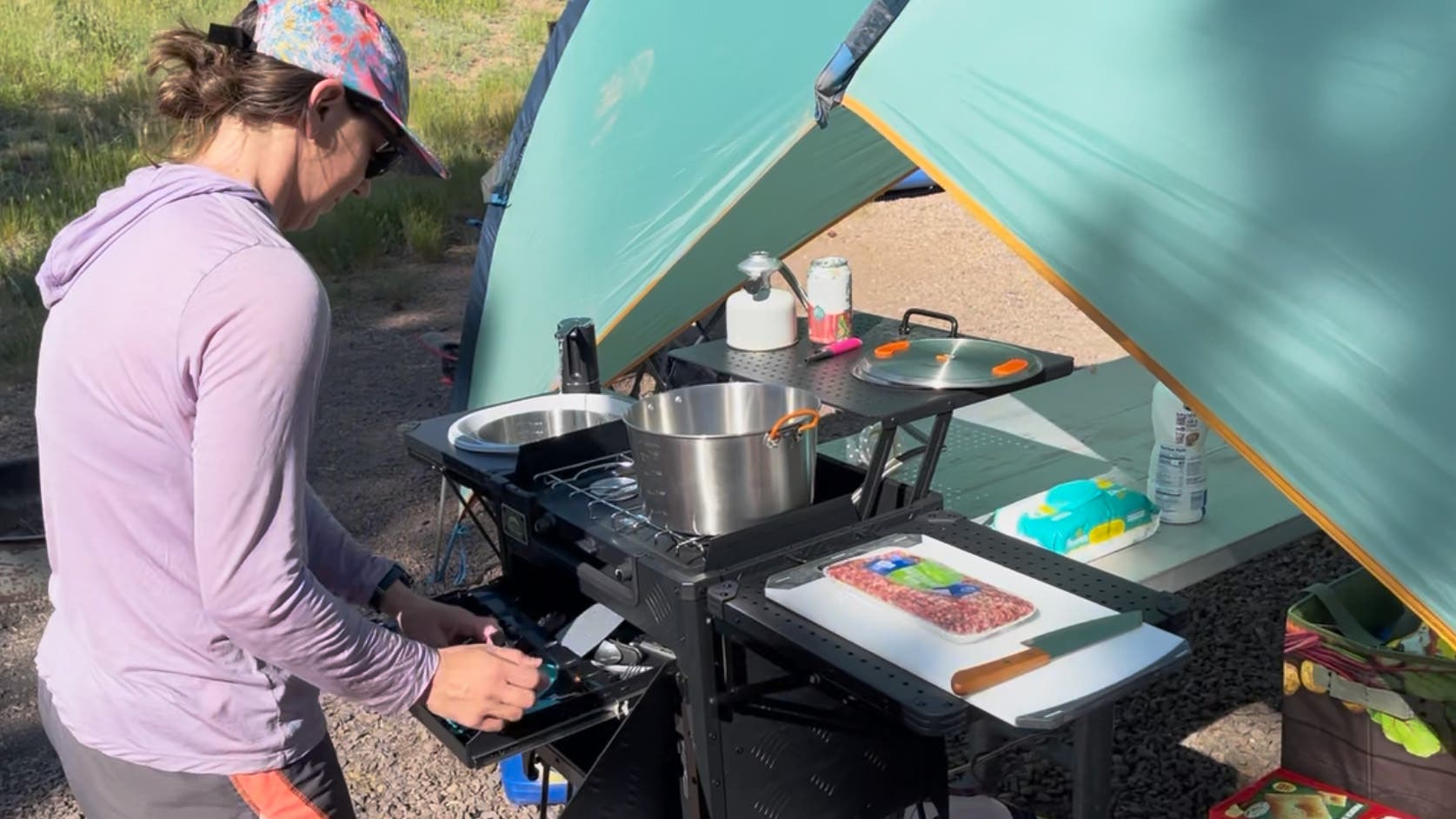
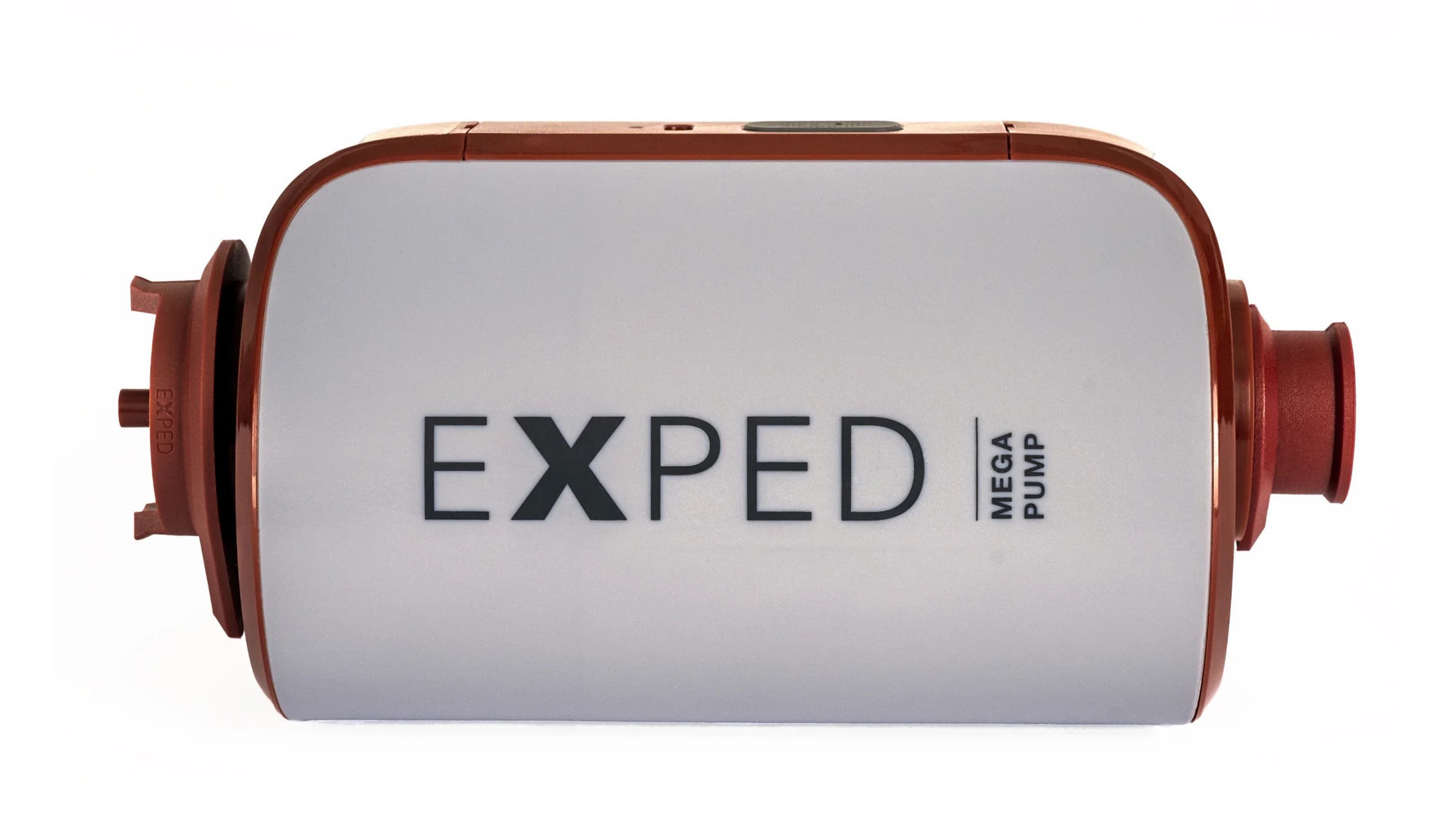
The introduction of the Exped Mega Pump, a rechargeable electric inflator, reduced setup time from 20 minutes (self-inflation) to under five minutes. More importantly, the pump’s deflation port allowed for a rapid strike of the campsite, a critical factor during the "scramble" phase of departure when toddler patience is typically at its lowest.
Supporting Data and Market Context
According to recent reports from the Outdoor Industry Association (OIA), families with children under the age of five are the fastest-growing segment in the car-camping market. This demographic shift has led to a 15% increase in the production of "oversized" camping gear specifically designed for comfort and ease of use rather than weight-saving.
| Gear Category | Key Feature in 2026 | Impact on Family Logistics |
|---|---|---|
| Tents | Blackout Fabrics | Extends child sleep by up to 2 hours |
| Kitchens | Integrated Electric Faucets | Reduces sanitation time by 40% |
| Sleep Systems | High-Volume Electric Pumps | Decreases camp strike time by 15 minutes |
| Coolers | Ultralight Insulation | Maintains food safety for 48+ hours in direct sun |
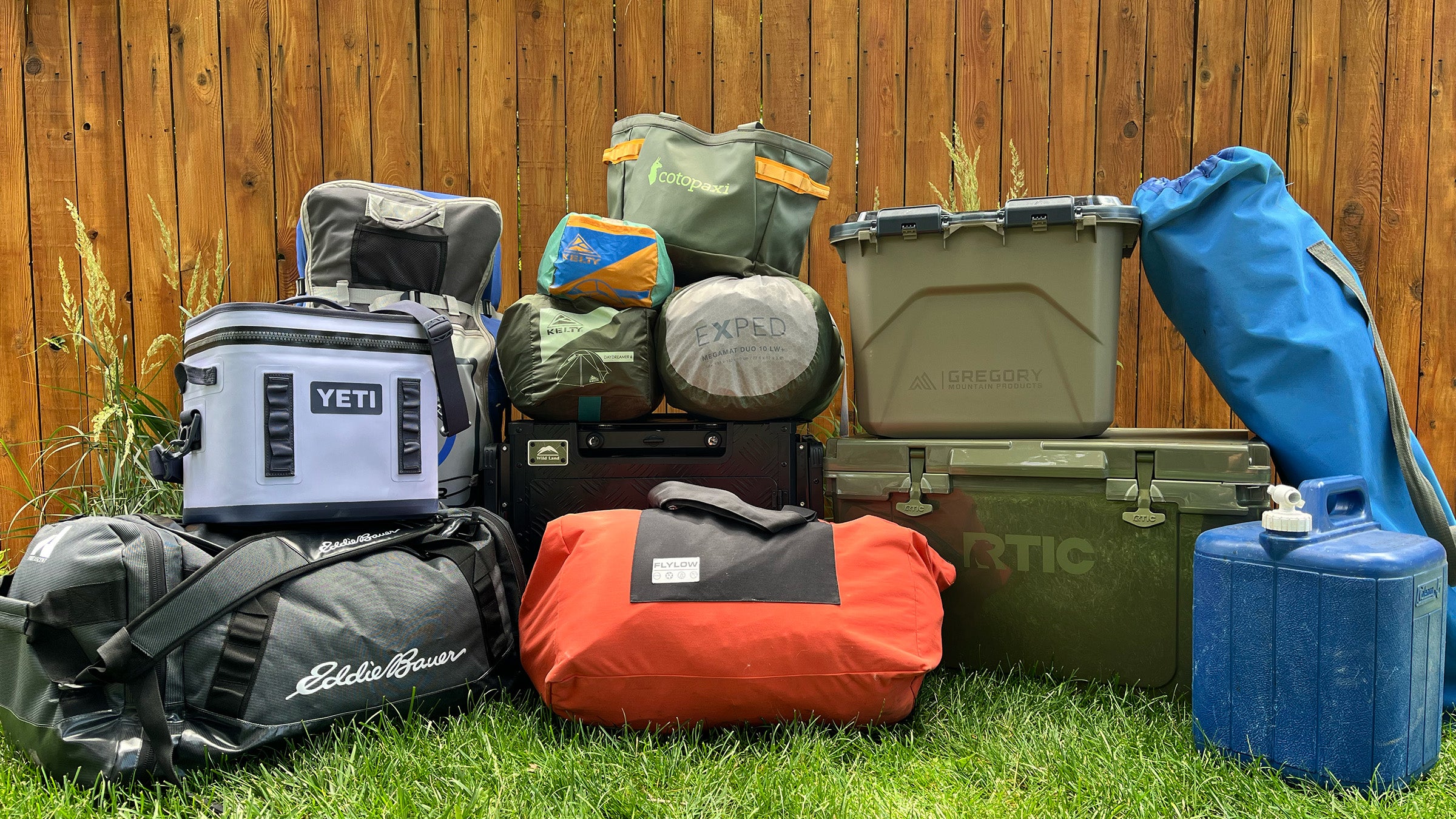
The RTIC 52 QT Ultralight Cooler, also utilized in the field test, reflects a broader trend toward high-capacity, high-insulation units that are affordable for middle-income families. As families carry larger quantities of perishables—including milk, yogurt, and fresh eggs—the demand for coolers that can maintain ice for several days while remaining portable has reached an all-time high.
Official Responses and Industry Trends
Representatives from Kelty and Exped have noted that their design philosophy for 2026 and beyond focuses heavily on the "10-minute setup" rule. "We recognize that for a parent with two toddlers, every minute spent fumbling with tent poles is a minute where a child could wander off or get injured," a Kelty product designer stated in a recent industry brief. "The goal is intuitive, rapid deployment."
Similarly, the trend toward "bomber" gear storage, such as the Gregory Alpaca Camp Box 50, addresses the need for durability. These units are built to withstand the weight of a standing child and feature gasket seals to keep out dust and moisture, reflecting a shift from disposable plastic bins to long-term investment pieces for the adventure-focused family.
Broader Impact and Future Implications
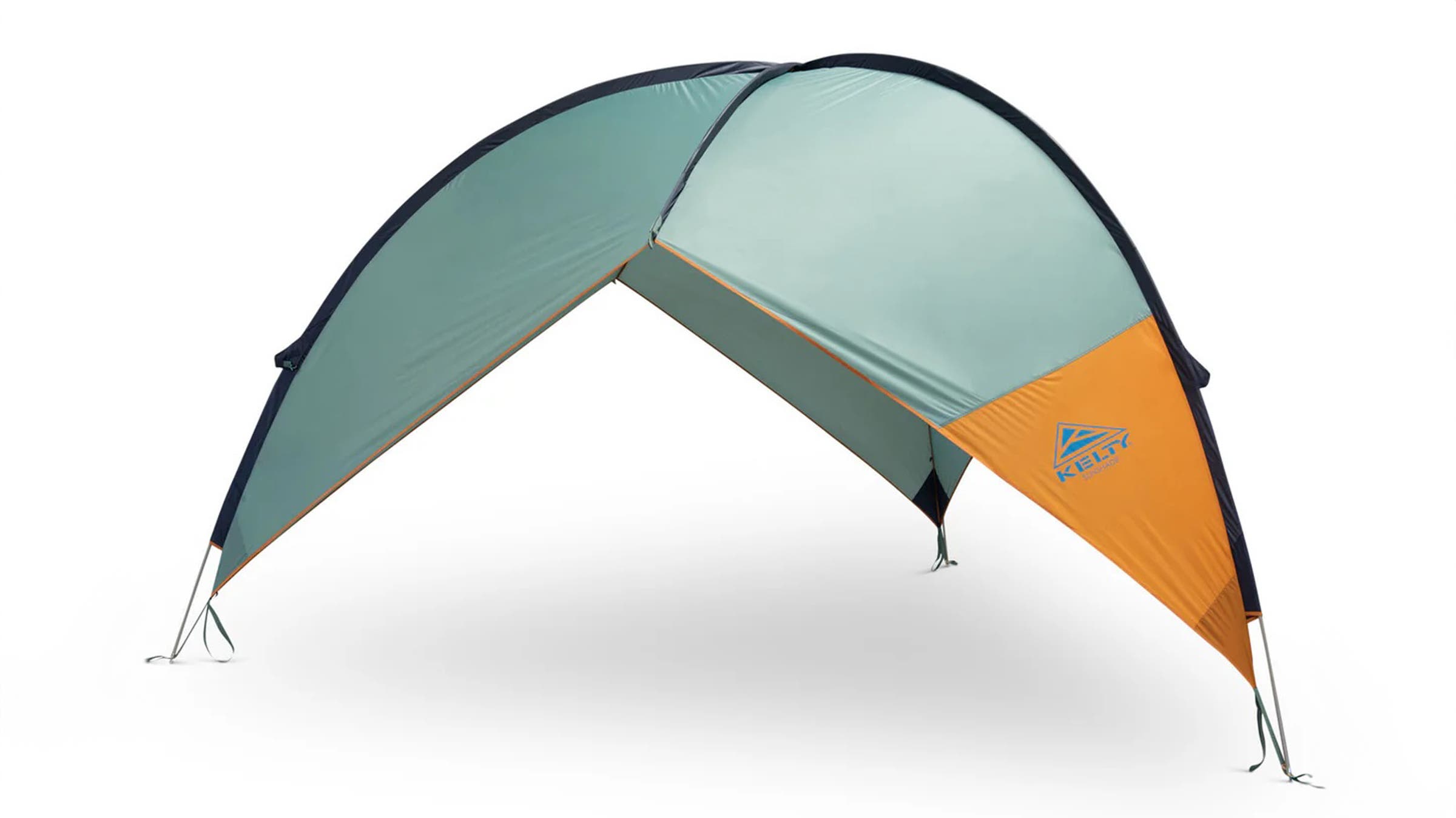
The results of the 2026 field test suggest that while gear cannot make camping with toddlers "easy," it can mitigate the most common points of failure. The use of rugs to manage dirt, the implementation of portable shade structures like the Kelty Sunshade, and the transition to wearable sleeping bags for infants are all part of a larger strategy of environmental control.
A significant finding from the trip was the failure of single air mattresses for toddlers. Observations showed that children who move frequently in their sleep tend to roll off elevated single pads. This has led to a revised recommendation for the remainder of the 2026 season: the reintroduction of the Pack ‘N Play for younger toddlers and the use of bumpered inflatable beds for older children.
The long-term implication for the outdoor industry is a move toward more "residential" features in portable gear. As the "Adventure Family" lifestyle becomes more mainstream, the expectation for running water, total darkness, and plush sleeping surfaces at a campsite will likely drive further innovation. For families like Wiegand’s, the 24-hour escape to a state park is no longer just a recreational outing; it is a testbed for the technology and tactics that allow the next generation to engage with the natural world safely and comfortably.
In conclusion, the 2026 family camping season demonstrates that the right equipment is the difference between a failed excursion and a successful building block for future adventures. While the gear is often "ludicrous" in volume, its ability to provide a stable, organized, and dark environment allows families to bypass the hardships of traditional camping and focus on the primary goal: fostering a love for the outdoors in their children.




 Chandra Hamzah
 Tatiana Tantri Indah Sari
 Budi Mulyono
 Lukman Taruna Persada Ramadan