
 Anjar Salim
As the 2026 Tour de France approaches, the professional cycling world is focused not only on the physical conditioning of the riders but on a clandestine technological arms race involving a breakthrough in sports nutrition. A previously secretive startup, From Lab to Field (FLF), has emerged from the shadows to reveal a proprietary energy gel that utilizes exogenous lactate as a primary fuel source. In a move that has sent shockwaves through the peloton, a single World Tour team has reportedly secured the entire initial production run of tens of thousands of units, effectively monopolizing a supplement that many believe could represent the next major evolution in "marginal gains."
The emergence of the "ExoLactate" gel marks a significant pivot in how elite endurance athletes approach fueling. For decades, the industry has focused almost exclusively on optimizing carbohydrate delivery. However, FLF’s entry into the market suggests that the ceiling for human energy absorption may be higher than previously thought, provided the body can utilize alternative metabolic pathways. This development comes at a time when the Tour de France is faster than ever, with record-breaking climbs and unprecedented average speeds requiring riders to push the limits of human physiology.
A Scientific Paradigm Shift: From Waste Product to Superfuel
To understand the significance of FLF’s innovation, one must look at the evolving history of exercise physiology. For much of the 20th century, "lactic acid" was the pariah of the sporting world. It was widely—and incorrectly—taught that lactic acid was a toxic byproduct of anaerobic metabolism that caused muscle fatigue and the characteristic "burn" felt during high-intensity efforts.
Modern science has since debunked this myth, clarifying that the body does not actually produce lactic acid, but rather lactate and hydrogen ions. While the hydrogen ions contribute to acidity and muscle fatigue, lactate itself is a vital energy source. This "Lactate Shuttle" hypothesis, pioneered by Dr. George Brooks of the University of California, Berkeley, posits that lactate is a preferred fuel for the heart, brain, and slow-twitch muscle fibers. It is a highly mobile molecule that can be moved from areas of high production to areas of high demand, acting as both a fuel and a signaling molecule that coordinates metabolic responses.
The challenge has always been the oral ingestion of lactate. In its raw form, lactate is notoriously difficult to consume in high concentrations without causing severe gastrointestinal distress or being rejected by the palate due to its intense acidity. This is the hurdle that FLF claims to have cleared through a high-profile collaboration between elite sports science and avant-garde gastronomy.
The Basque Connection: Fusing Science and Michelin-Starred Culinary Arts
The development of ExoLactate was led by Aitor Viribay Morales, a renowned physiologist who previously served as the lead scientist for the INEOS Grenadiers—a team famous for pioneering the "marginal gains" philosophy. Morales, currently the head of global sports performance for Salomon, recognized that the bottleneck for exogenous lactate was not its metabolic utility, but its "tamability."
To solve the issues of digestibility and taste, Morales partnered with the Basque Culinary Center and the research team at Mugaritz, a two-Michelin-starred restaurant in northern Spain known for its experimental approach to food chemistry. This multidisciplinary team worked to create a "matrix" that buffers the lactate, allowing it to pass through the stomach and into the bloodstream without the side effects that have historically plagued similar attempts.
While the specific chemical formulation remains under patent-pending confidentiality, the result is a gel that provides 40 grams of carbohydrates and 5 grams of lactate. This combination is designed to be consumed at a rate that provides 10 to 25 grams of lactate per hour, supplementing the rider’s natural lactate production and standard carbohydrate intake.
Breaking the Carbohydrate Ceiling: The Three-Transporter Theory
The primary theoretical advantage of the FLF gel lies in its ability to bypass the traditional limits of carbohydrate absorption. In the early 2000s, it was believed that athletes could only absorb about 60 grams of carbohydrate per hour, as the SGLT1 transporters responsible for moving glucose from the gut to the blood became saturated. The introduction of fructose, which uses the GLUT5 transporter, allowed athletes to push that limit to 90 or even 120 grams per hour by utilizing two different "lanes" of transport.
Lactate introduces a third lane. It utilizes Monocarboxylate Transporters (MCTs) to enter the bloodstream. By adding lactate to a glucose-fructose mix, FLF argues that athletes can deliver more total energy to the working muscles than is possible with carbohydrates alone. Furthermore, lactate is absorbed with remarkable speed. While glucose and fructose often require 15 to 30 minutes to be processed by the liver and become available as fuel, exogenous lactate can enter the bloodstream and be oxidized by the muscles in as little as five minutes.
Performance Data and the Alpe d’Huez Projection
While independent peer-reviewed studies on ExoLactate are still in the pipeline, FLF has released pilot data that suggests a tangible performance benefit. In time-to-exhaustion (TTE) tests involving high-intensity cycling, subjects using the lactate gel showed an average improvement of approximately 8 percent compared to a control group.
Morales has been cautious in his public assessments, noting that individual responses vary significantly. However, he provided a compelling projection for the Tour de France: on a legendary climb like Alpe d’Huez—which typically takes elite riders around 45 minutes—the use of exogenous lactate could theoretically reduce a rider’s time by 60 to 80 seconds. In a race often decided by seconds over three weeks, such a margin is transformative.
The gel’s impact also appears to change based on intensity. At sub-threshold intensities, the extra lactate may spare glycogen by promoting fat oxidation. At supra-threshold intensities, where oxygen is limited, lactate shifts to promoting carbohydrate burning, which is more oxygen-efficient. This metabolic flexibility makes it a versatile tool for the varied demands of a Grand Tour, from long valley transitions to explosive mountain finishes.
The Logistics of Exclusivity: A Strategic Monopoly
The most controversial aspect of the ExoLactate rollout is the decision by one unnamed World Tour team to purchase the entire first production run. According to industry reports, seven different teams expressed interest in acquiring the gels for the 2026 Tour de France. The team that moved first did so with the explicit intent of denying their rivals access to the technology.
This maneuver echoes previous eras of cycling where "secret" supplements or equipment were used to gain a psychological and physical edge. In the mid-2010s, ketones were the subject of similar rumors and exclusivity deals before becoming widely available. The current monopoly on ExoLactate has sparked debate within the sport regarding the fairness of such "nutrition-tech" buyouts, though it remains entirely within the rules of the UCI (Union Cycliste Internationale), provided the supplement contains no prohibited substances.
The unnamed team’s riders have reportedly been testing the gel in training for over six months. Early feedback suggests that even at high intake levels—up to four gels per hour—the product does not cause the "gut bombs" often associated with experimental supplements.
Market Implications and the Future of Endurance Nutrition
The broader sports nutrition market is watching the FLF launch with intense interest. If the results at the Tour de France validate the "lactate shuttle" as a viable exogenous fueling strategy, it could trigger a shift away from the "carb-only" dominance of the last two decades.
FLF plans to release the gels to the general public later in 2026, with pricing expected to be competitive with other premium "hydrogel" or high-carb products. However, the true value of the product will be determined by its performance on the roads of France this July.
Critics and skeptics remain, pointing out that the "n=1" nature of pro cycling makes it difficult to isolate the effects of a single supplement from the myriad of other variables in a race. Furthermore, the history of "superfuels" is littered with products that promised revolutionary gains but delivered only incremental improvements or proved difficult to implement at scale.
Conclusion: The Eyes of the World on the Peloton
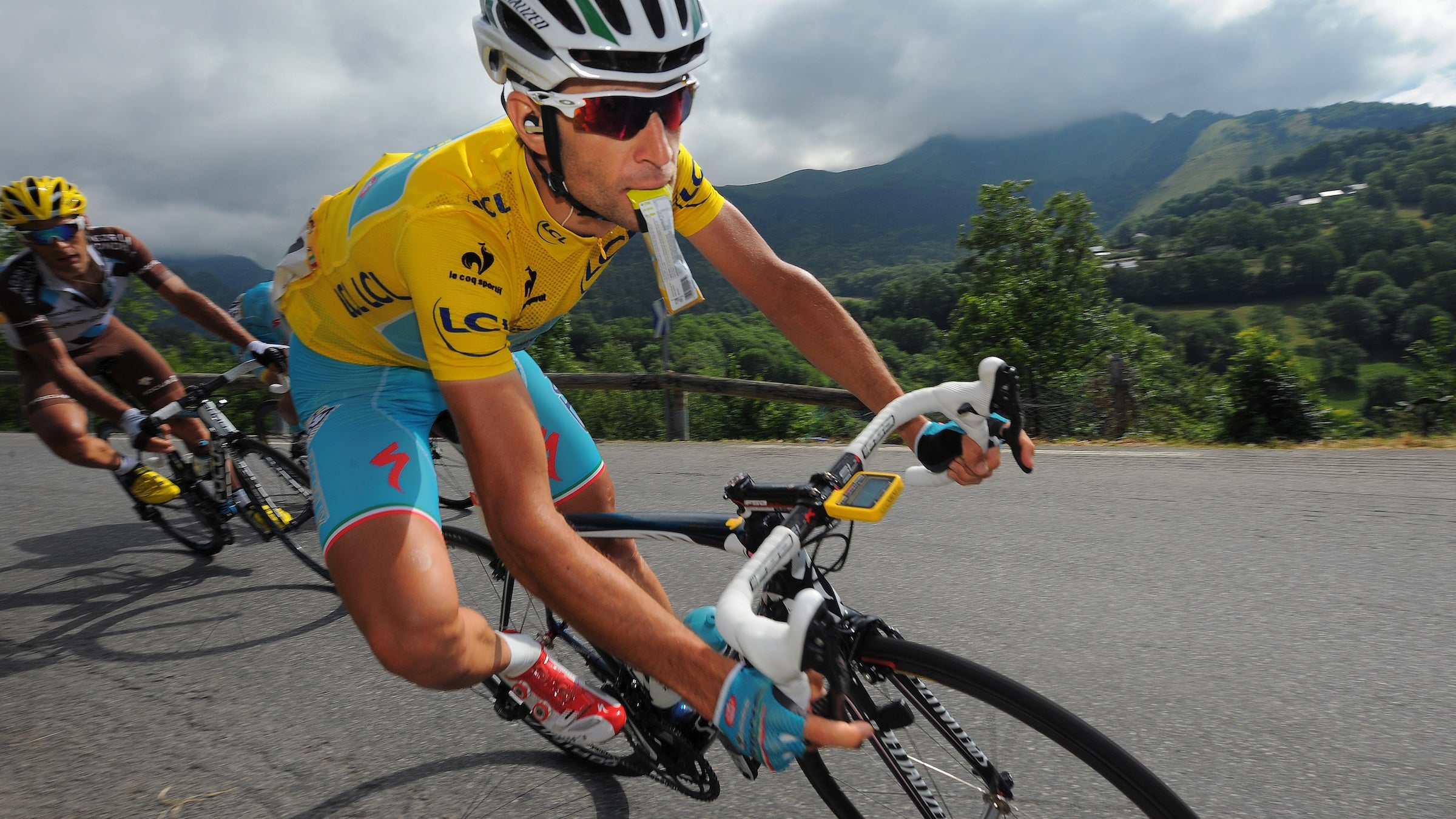
As the riders depart for the opening stage, observers will be keen to spot the distinctive, perhaps unfamiliar, packaging of the FLF gels in the hands of the "mystery" team. The 2026 Tour de France may well be remembered as the "Lactate Tour," a three-week laboratory experiment conducted at 40 kilometers per hour.
Whether ExoLactate becomes a staple of endurance sport or remains a niche curiosity, its development represents the cutting edge of human performance research. It highlights a future where the lines between the laboratory, the kitchen, and the road continue to blur, all in the pursuit of finding one more minute of speed on the world’s most grueling stage. For now, the cycling world waits to see if the theory of the lactate shuttle can be converted into the reality of a yellow jersey.




 Chandra Hamzah
 Tatiana Tantri Indah Sari
 Budi Mulyono
 Lukman Taruna Persada Ramadan