
 Anjar Salim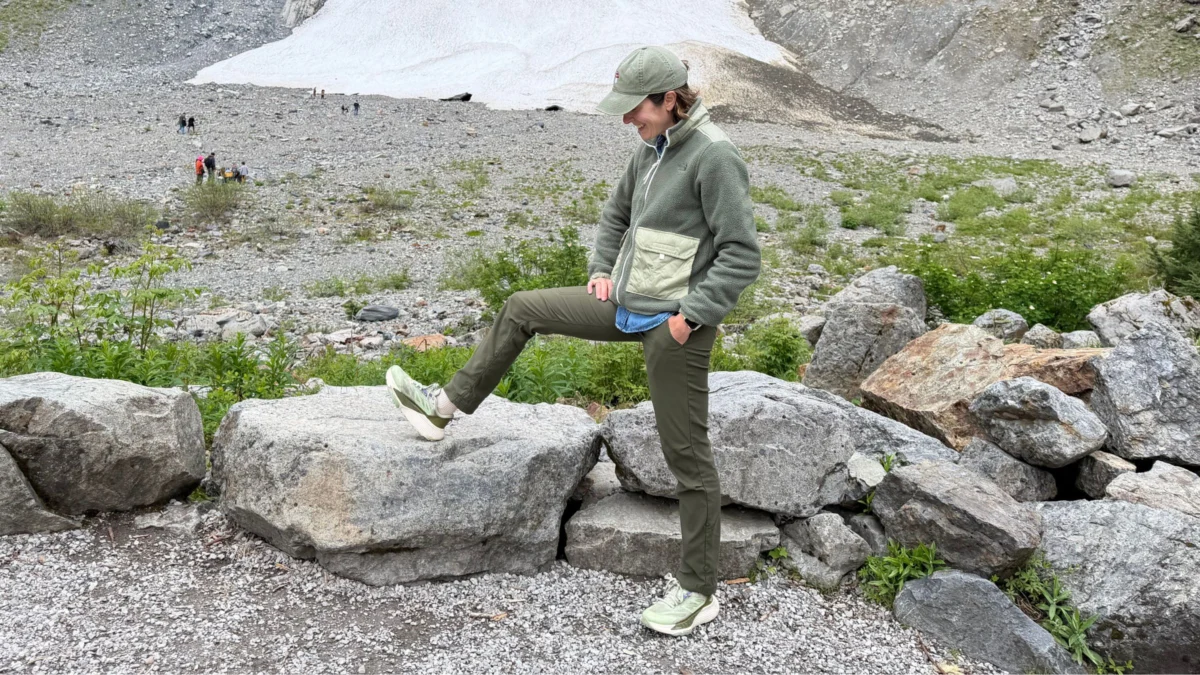
The contemporary outdoor apparel market is witnessing a significant philosophical shift as consumers increasingly prioritize mental ease and versatility over the marginal performance gains offered by hyper-specialized equipment. This movement, characterized by a rejection of the "gear consumerism" that has dominated the industry for decades, is exemplified by a growing segment of athletes and enthusiasts who are adopting a "single-shoe" strategy for a wide array of physical activities. Recent case studies, including the long-term testing of the North Face Altamesa 500, suggest that for a significant portion of the population, the benefits of reduced decision fatigue and simplified logistics outweigh the technical advantages of maintaining a specialized footwear rotation.
The Technical Specifications of the Altamesa 500
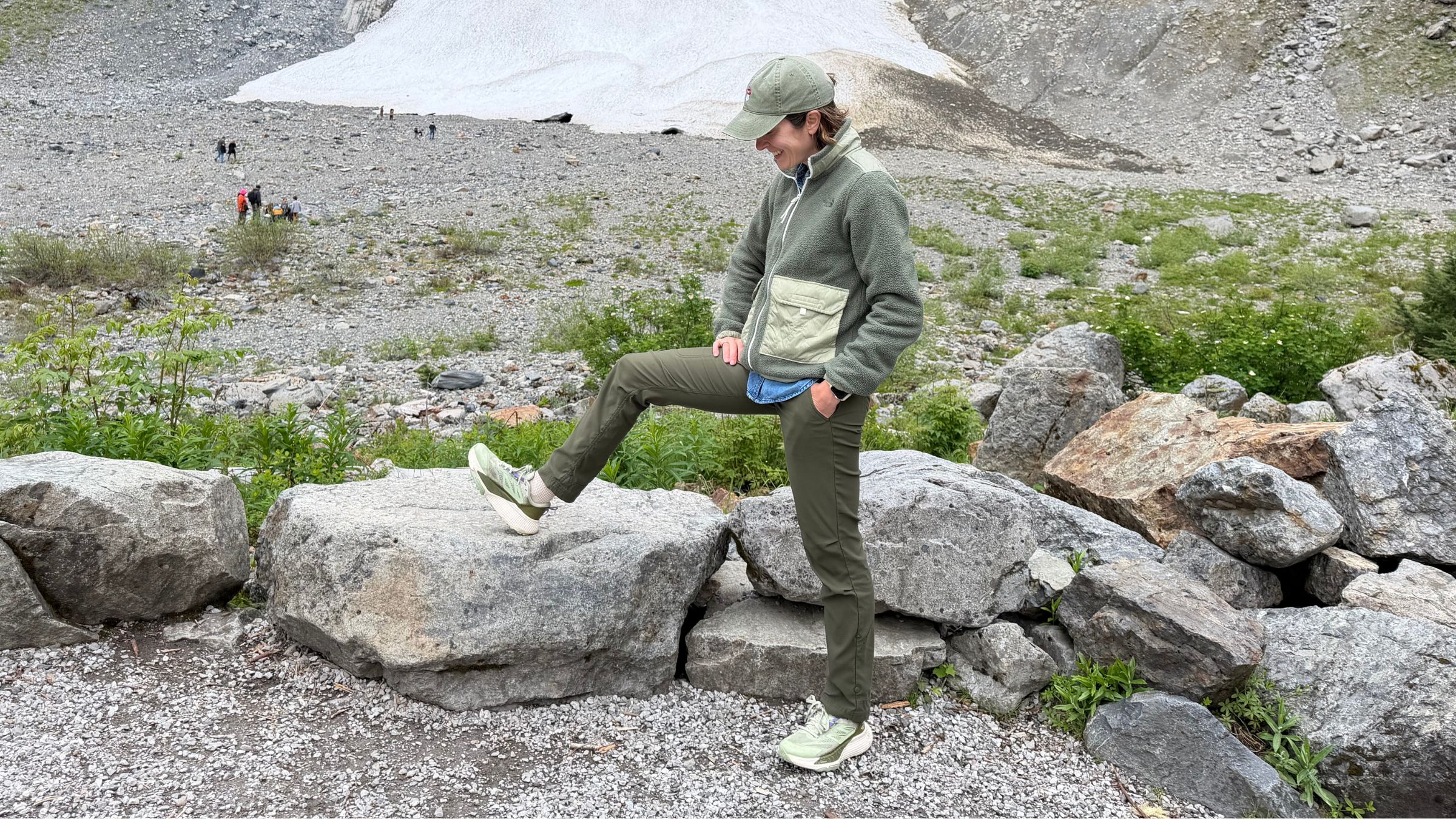
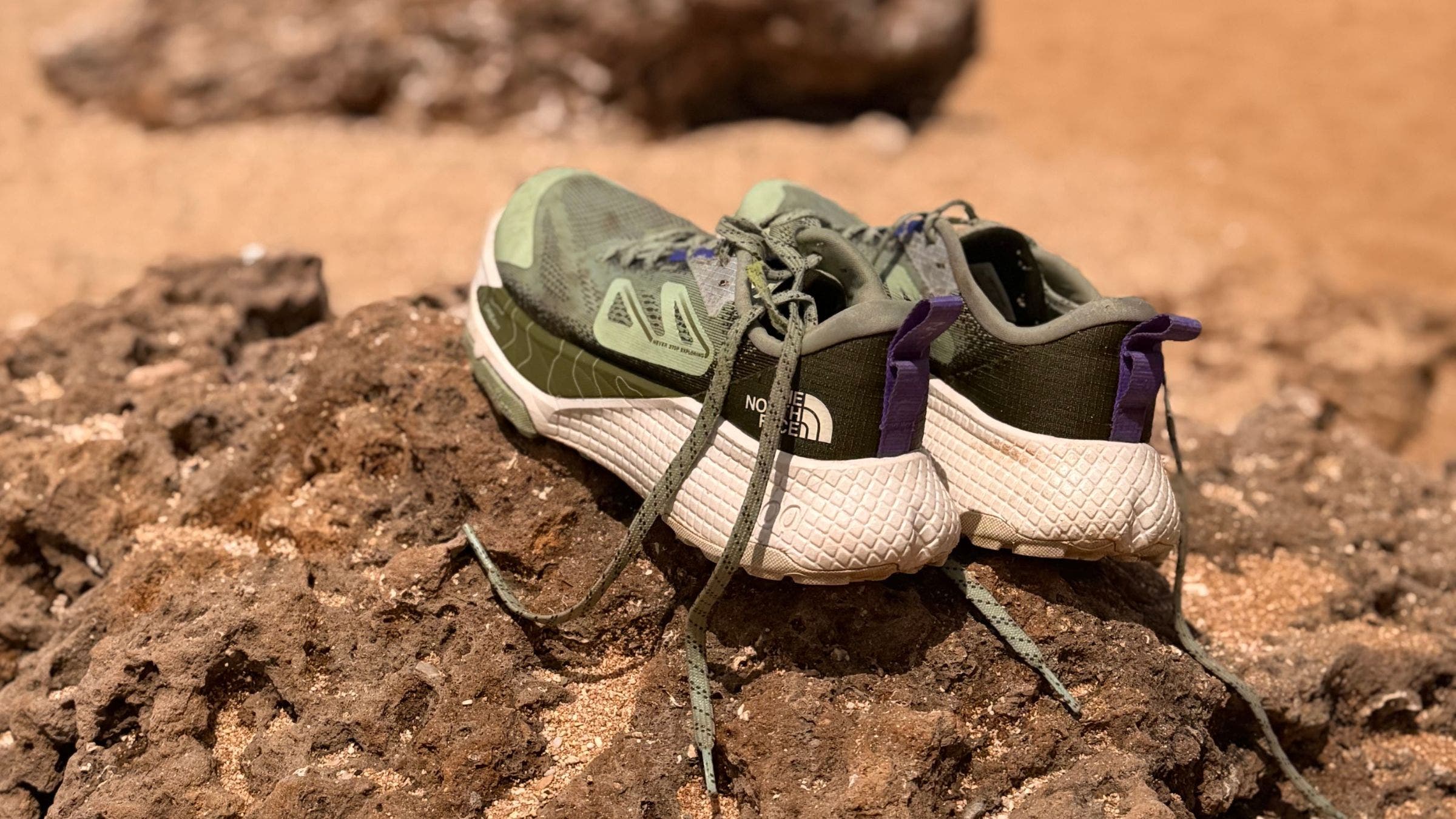
At the center of this trend is the North Face Altamesa 500, a trail running shoe that has gained notoriety for its ability to bridge the gap between high-performance technical gear and everyday utility. Weighing approximately 8.6 ounces per shoe, the model features a high-stack height and four-millimeter lugs designed for traction on varied terrain. While primarily marketed as a trail runner, the shoe’s design incorporates a level of cushioning and aesthetic appeal that allows for a seamless transition from technical trails to urban environments.
The Altamesa 500 utilizes advanced midsole foam technology that provides significant energy return while maintaining a stable platform. This balance is critical for users who intend to use the shoe for activities ranging from hiking and sidewalk running to more unconventional uses such as Irish dance classes or water-adjacent activities. The versatility of the 4mm lugs is a key factor; they are aggressive enough to provide grip on mossy or damp surfaces—common in climates like the Pacific Northwest—yet low-profile enough to prevent discomfort when walking on hard pavement or indoor floors.
A Chronology of Gear Specialization and the Performance Paradigm
The shift toward multi-functional gear stands in stark contrast to the trajectory of the outdoor industry over the last quarter-century. The pursuit of "peak performance" through engineering reached a cultural zenith during the 2000 Summer Olympics in Sydney, Australia. The introduction of the sharkskin-inspired swimsuit, designed to mimic the dermal denticles of a shark to reduce drag, revolutionized competitive swimming. Athletes wearing these specialized suits broke multiple world records, cementing the idea that technical gear was the primary catalyst for athletic advancement.
Following this period, the outdoor industry entered an era of hyper-specialization. Manufacturers began producing niche products for increasingly specific micro-activities: approach shoes for technical scrambles, minimalist footwear for "natural" running, and carbon-plated "super shoes" for road racing. This specialization was driven by the logic that each environmental variable required a specific engineering solution to maximize human potential.
However, by the mid-2020s, a counter-movement began to emerge. The proliferation of choice, fueled by targeted digital advertising and the rise of "late capitalism" consumer structures, led to a phenomenon known as decision fatigue. Consumers reported feeling overwhelmed by the financial and cognitive costs of maintaining a specialized wardrobe for every hobby. This has led to a re-evaluation of the "everything shoe"—a singular piece of equipment that performs "well enough" across all domains rather than "perfectly" in one.
Psychological and Economic Drivers of the Universal Shoe Trend
The move toward a single-pair footwear solution is not merely a financial decision; it is a psychological response to the modern retail environment. Market analysts point to "decision fatigue"—the deteriorating quality of decisions made by an individual after a long session of decision-making—as a primary driver for the minimalist gear trend. For the modern consumer, the mental energy required to research, purchase, maintain, and select the "correct" shoe for a specific daily task has begun to exceed the perceived value of the product itself.
Data from the outdoor industry indicates that the average active consumer owns between three and five pairs of athletic shoes. By consolidating these into a single high-quality pair, such as the Altamesa 500, users report a significant reduction in logistical stress, particularly during travel. The "airport shoe" phenomenon—where a high-performance trail runner serves as the primary travel footwear—highlights a desire for streamlined efficiency.
Furthermore, the economic impact of "gear creep" cannot be ignored. As the cost of technical footwear continues to rise, with many specialized models exceeding the $160–$200 price point, the value proposition of a $140–$150 "everything shoe" becomes increasingly attractive. This allows consumers to reallocate limited financial and cognitive resources toward other life priorities, such as family, professional pursuits, and the activities themselves, rather than the equipment required to perform them.
Medical and Biomechanical Perspectives
From a physical therapy standpoint, the risks associated with using a single pair of shoes for multiple activities are often overstated for the non-professional athlete. Biomechanical experts note that while a heavier trail shoe may lack the "snap" and lightweight profile of a dedicated road racing flat, the primary risk is a marginal decrease in speed rather than an increased risk of injury.
In consultations regarding footwear versatility, medical professionals emphasize that as long as a shoe provides adequate support and is replaced once the midsole foam begins to compress—typically between 300 and 500 miles—the specific "type" of shoe is less important than the user’s comfort and gait mechanics. For the average enthusiast moving at moderate speeds, the performance difference between a trail runner on pavement and a dedicated road shoe is statistically negligible. The Altamesa 500’s cushioning profile is particularly noted for its joint-protective qualities, making it a viable option for those who prioritize long-term musculoskeletal health over personal best times.
Cultural Context and Literary Precedents
The philosophy of minimalist gear preference finds roots in the writings of influential figures in the running community. In his 2007 memoir, What I Talk About When I Talk About Running, novelist Haruki Murakami detailed his long-standing preference for a specific brand of shoes based on simplicity rather than technical "bells and whistles." Murakami’s approach—prioritizing personal comfort and a lack of extraneous features—resonates with the modern rejection of over-engineered gear.
This cultural shift is also reflected in the "Gorpcore" fashion movement, where technical outdoor gear is adopted for urban and daily wear. The aesthetic appeal of shoes like the Altamesa 500 allows them to function in social settings, such as school drop-offs or casual workplaces, without the jarring appearance of traditional, neon-colored athletic footwear. This social versatility is a key component of the "everything shoe" identity, as it removes the need for a mid-day wardrobe change.
Broader Impact and Industry Implications
The move toward multi-functional gear has profound implications for the future of the outdoor industry. As consumers demand products that can "do it all," manufacturers are being forced to rethink their product lines. There is a growing market for "hybrid" products that offer technical durability without sacrificing the comfort required for daily life.
Moreover, the "buy less, buy better" ethos aligns with increasing global concerns regarding sustainability. The production of athletic footwear is a resource-intensive process involving various synthetic polymers and adhesives. By reducing the number of shoes in their rotation, consumers can significantly lower their individual carbon footprint and reduce the volume of waste sent to landfills.
In conclusion, the adoption of a single, versatile pair of shoes like the North Face Altamesa 500 represents a strategic withdrawal from the complexities of modern consumerism. While the industry may continue to push for hyper-specialization in the pursuit of peak performance, a significant segment of the public is choosing a different path: one defined by zero forethought, mental ease, and the practical utility of gear that simply works, regardless of the terrain. This trend suggests that the ultimate luxury in the modern age is not having the perfect tool for every job, but having one tool that is perfect for none, yet capable of all.




 Chandra Hamzah
 Tatiana Tantri Indah Sari
 Budi Mulyono
 Lukman Taruna Persada Ramadan