
 Budi Mulyono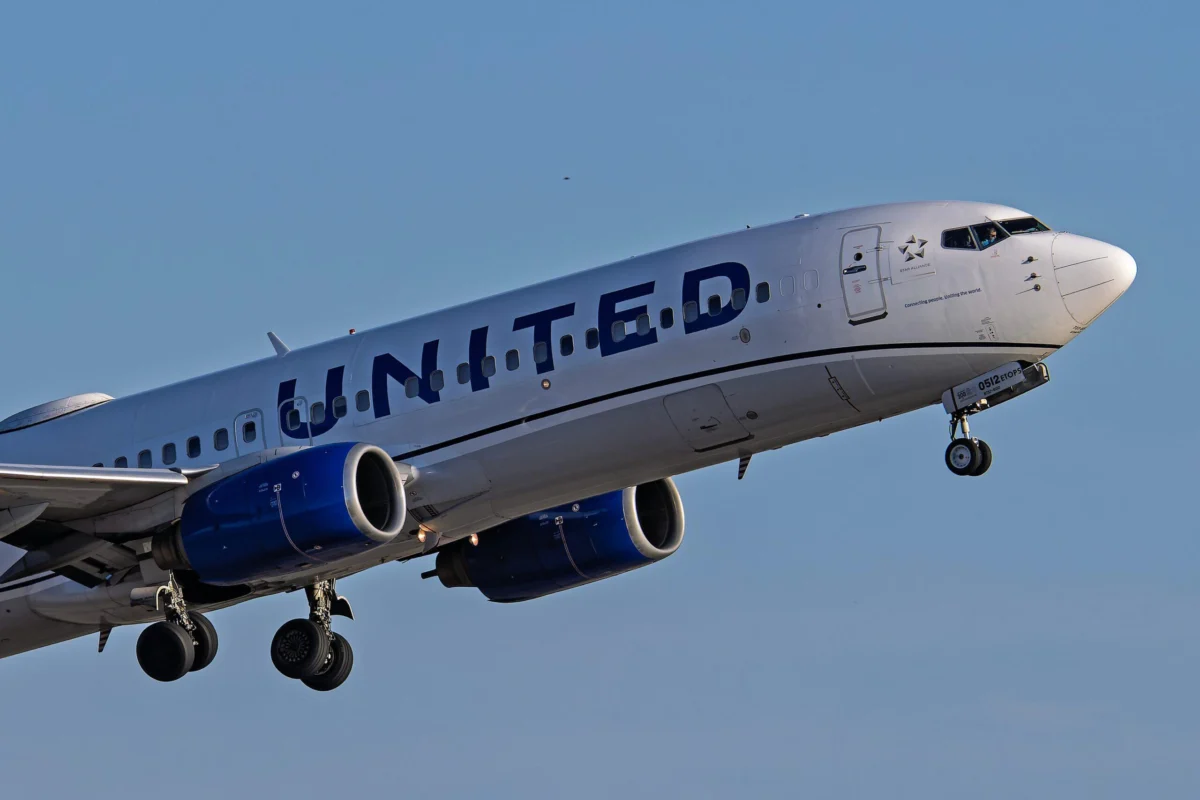
A United Airlines Boeing 737 carrying 111 individuals narrowly escaped a catastrophic mid-air collision with an unmanned aerial vehicle (UAV) while descending toward Newark Liberty International Airport (EWR) on Friday. The incident, which occurred during the critical final approach phase of the flight, has reignited urgent concerns regarding the presence of unauthorized drones in restricted commercial airspace. Federal authorities have launched a comprehensive investigation into the encounter, which pilots described as a "near hit" occurring just a few hundred feet from the aircraft’s fuselage.
The flight involved in the incident was United UA-1513, a scheduled service originating from Key West International Airport (EYW) in Florida. After a routine two-hour and 45-minute journey northward along the Atlantic coast, the aircraft was positioned for landing on Newark’s Runway 22L. On board were 106 passengers and five crew members. As the aircraft descended through 2,300 feet, the flight crew observed a circular drone, estimated to be approximately three feet in diameter, passing dangerously close to the plane.
Chronology of the Incident
The encounter took place during the final minutes of Flight UA-1513’s arrival sequence. According to flight tracking data provided by FlightRadar24, the Boeing 737 was established on its approach path, maintaining a steady descent rate and airspeed appropriate for landing. At approximately 2,300 feet above ground level, the cockpit crew spotted the drone in their immediate flight path.
The pilots immediately notified Air Traffic Control (ATC) at Newark, reporting that they had "nearly hit a drone" that passed roughly 100 feet below the aircraft. Despite the proximity of the object, the pilots were able to maintain control of the aircraft and continue their approach without evasive maneuvering that would have destabilized the landing sequence. The aircraft touched down safely on Runway 22L shortly thereafter, and the crew taxied to the gate where passengers deplaned without further incident.
The Federal Aviation Administration (FAA) was notified immediately following the report. In a formal statement, the FAA confirmed the agency’s intent to investigate the circumstances surrounding the unauthorized drone activity. "United Airlines Flight 1513 landed safely at Newark Liberty International Airport after the crew reported a drone sighting while on approach," the FAA spokesperson stated, emphasizing that the agency tracks such reports rigorously to identify and prosecute unauthorized operators.
Technical Analysis of the Risk
While a three-foot-wide drone may appear small in comparison to a commercial airliner, the physics of a high-speed collision at 2,300 feet present a significant threat to aviation safety. Commercial aircraft are designed to withstand bird strikes, but drones pose a different set of challenges due to their construction materials. Unlike birds, which are composed of soft tissue and bone, drones contain dense components such as lithium-ion batteries, electric motors, and carbon-fiber frames.
A collision with a drone of this size could lead to several critical failure scenarios:
- Engine Ingestion: If a drone is sucked into a jet engine, the hard components can shatter the titanium fan blades. This can lead to an uncontained engine failure, where debris is ejected through the engine casing, potentially damaging the aircraft’s wings, fuel tanks, or fuselage.
- Windshield Penetration: The cockpit windscreens are designed to be extremely durable, but the impact of a high-density object at approach speeds (typically between 140 and 160 knots) can cause the glass to shatter or delaminate, potentially injuring the pilots or obstructing their vision during the most sensitive phase of the flight.
- Control Surface Damage: An impact on the leading edge of the wing or the tail stabilizers could deform the aerodynamics of the aircraft, making it difficult for pilots to maintain the precise control required for landing.
Historical Context and Precedents
The Newark incident is the latest in a series of alarming encounters between commercial aircraft and airborne objects. In October 2023, a United Airlines Boeing 737 MAX 9 experienced a harrowing mid-air collision at 36,000 feet over Utah. In that instance, the object was a small weather-measuring device that had detached from a high-altitude balloon operated by the company Windborne.
The device, though designed to be lightweight, struck the cockpit windscreen with enough force to shatter both the outer and inner panes. The Captain was showered with broken glass and sustained minor injuries. While the aircraft landed safely due to a resilient middle pane of smash-resistant material, the incident served as a stark reminder of how even a "lightweight" device can cause structural failure at high velocities.

Furthermore, in August 2023, an Emirates Airbus A380—the world’s largest passenger airliner—was involved in a suspected drone strike while approaching Nice Côte d’Azur Airport in France. While the pilots did not report a sensation of impact during the flight, post-flight inspections revealed significant damage to one of the slats on the right-hand wing. The repair necessitated grounding the massive aircraft, highlighting the economic and operational toll of these encounters.
The Growing Challenge of Drone Regulation
The proliferation of consumer and commercial drones has created a complex regulatory environment for the FAA and international aviation bodies. Under current U.S. regulations, drone operators are prohibited from flying near airports without specific authorization and are generally restricted to altitudes below 400 feet. The fact that the drone near Newark was flying at 2,300 feet indicates a flagrant violation of federal law and safety protocols.
Newark Liberty International Airport is situated within some of the most congested airspace in the world, serving as a primary hub for the New York metropolitan area. The proximity of Newark to John F. Kennedy International (JFK) and LaGuardia (LGA) airports means that any disruption in one flight path can have a cascading effect on the entire regional air traffic system.
In recent years, several major airports have been forced to suspend operations entirely due to drone sightings. The 2018 Gatwick Airport incident in the United Kingdom remains the most prominent example, where reported drone sightings caused the cancellation of approximately 1,000 flights over three days, affecting 140,000 passengers and costing the aviation industry millions of dollars.
Technological and Legal Mitigations
To combat the rising threat, many major airports have begun installing sophisticated drone detection systems. These systems utilize a combination of radar, radio frequency (RF) sensors, and electro-optical cameras to identify and track unauthorized UAVs in real-time. However, while detection has improved, mitigation remains a legal and technical hurdle. In many jurisdictions, including the United States, airport authorities are restricted from using "jamming" or "kinetic" measures to take down drones due to the risk of interfering with legitimate aircraft communications or causing the drone to fall into populated areas.
The FAA has introduced "Remote ID" requirements, which act as a digital license plate for drones, allowing law enforcement to identify the owner and location of a drone and its operator. However, many older drones or home-built units lack this technology, making it difficult to apprehend those who fly irresponsibly.
Official Reactions and Industry Implications
United Airlines issued a brief statement following the Newark incident, confirming that the crew of UA-1513 reported a "possible drone sighting" and that the safety of the passengers and crew remained the airline’s top priority. The airline praised the professionalism of the pilots for their handling of the situation.
Aviation safety experts argue that the Newark incident should serve as a catalyst for stricter enforcement of "No-Fly Zones" around critical infrastructure. "We are seeing a trend where the gap between consumer technology and aviation safety is closing in a dangerous way," said one industry analyst. "A three-foot drone is not a toy; it is a mid-sized aircraft that is being operated without a flight plan in one of the busiest corridors in the world. The potential for a mid-air collision is no longer theoretical; it is a clear and present danger."
As the FAA continues its investigation, investigators will likely review ATC recordings, flight data recorder (FDR) information, and any available radar data to pinpoint the launch location of the drone. If the operator is identified, they could face significant federal fines and potential imprisonment for endangering an aircraft.
Conclusion
The narrow miss at Newark Liberty International Airport underscores the fragility of the current "see-and-avoid" system in an era of increasing drone autonomy. While the 111 people aboard Flight UA-1513 arrived safely, the incident highlights a critical vulnerability in the final approach phase of commercial flight. As drones become larger and more capable, the integration of UAVs into the National Airspace System (NAS) remains one of the most pressing challenges for the FAA and the global aviation community. For now, the industry remains on high alert, relying on the vigilance of pilots and the continued evolution of detection technology to prevent a future tragedy.




 Anjar Salim
 Chandra Hamzah
 Tatiana Tantri Indah Sari
 Lukman Taruna Persada Ramadan