
 Anjar Salim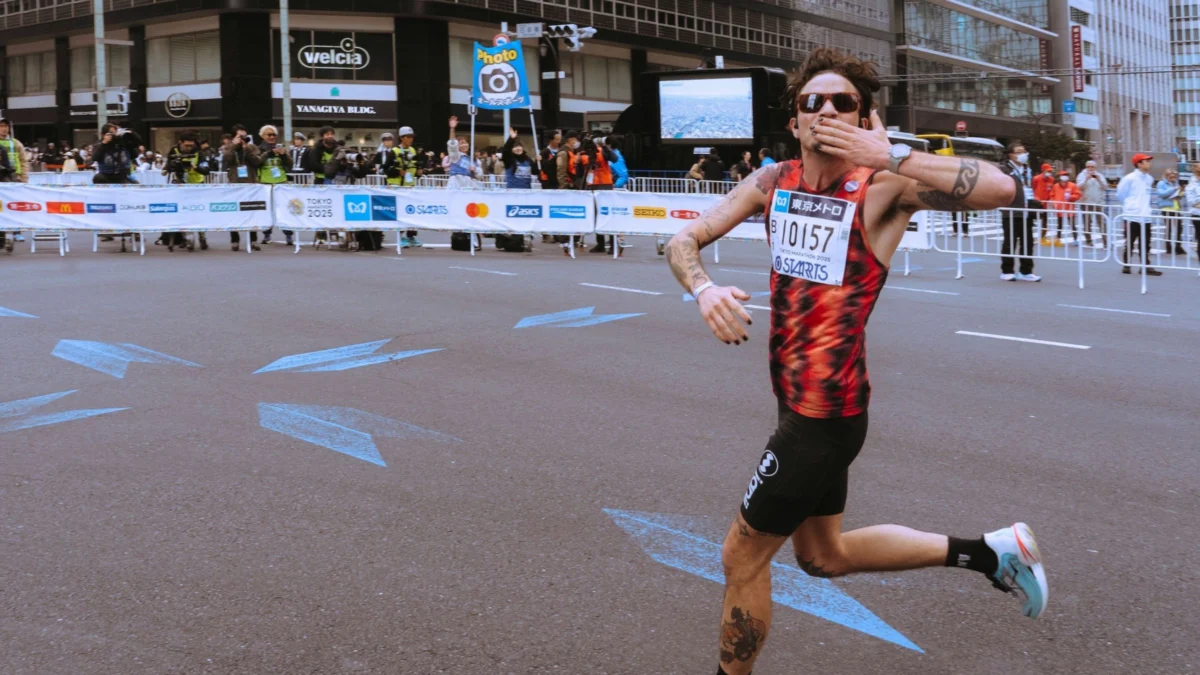
In a landmark achievement for inclusive athletics, Cal Calamia has become the first runner to complete all six Abbott World Marathon Majors in the nonbinary division, solidifying their position as a pioneer in the sport. The milestone was reached following a dominant performance at the Tokyo Marathon in March 2026, followed by a victory at the London Marathon in May. These consecutive wins not only secured Calamia’s status as a top-tier competitor but also marked the completion of the prestigious "Six-Star" journey— a feat traditionally reserved for those who finish the marathons in Tokyo, Boston, London, Berlin, Chicago, and New York City.
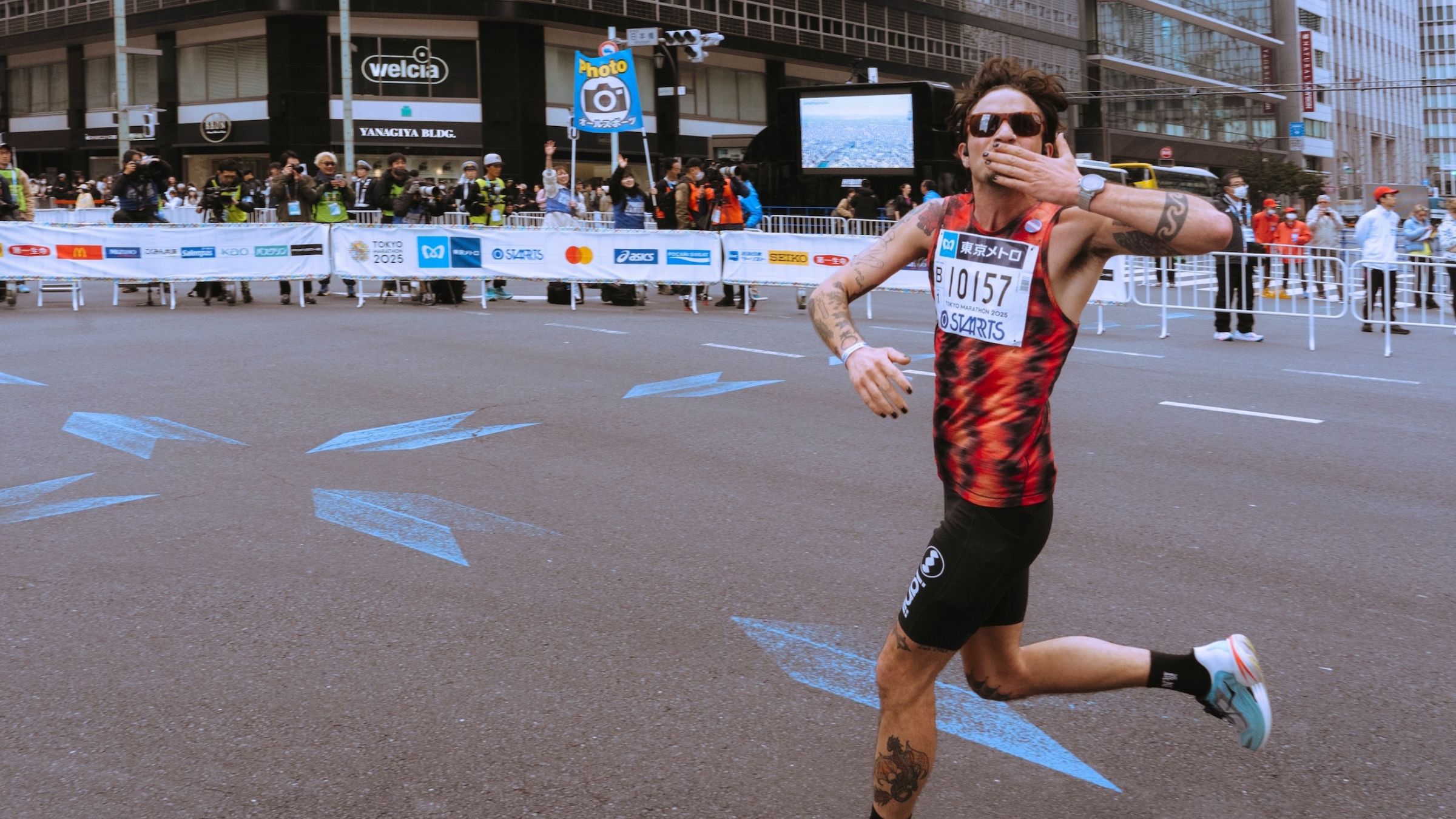
Calamia, a 29-year-old athlete who uses they and he pronouns, entered the Tokyo Marathon with a formidable resume, including a win at the New York City Marathon and second-place finishes in Chicago, Boston, and Berlin. Despite the mounting pressure of the Six-Star pursuit, Calamia’s focus remained fixed on the immediate competition. During the Tokyo race, Calamia maintained a strategic pace, eventually crossing the finish line in 2:43:28. This performance was followed just eight weeks later by another divisional win in London, where they officially received the Six-Star medal.
The achievement comes at a transformative time for the Abbott World Marathon Majors (WMM). As the organization expands its circuit to include the Sydney Marathon and the Sanlam Cape Town Marathon as full major events, Calamia has already set their sights on these new challenges. Currently training for the Sydney Marathon in August, Calamia’s trajectory reflects a broader shift in the running world—one that moves beyond the mere existence of inclusive categories toward a standard of high-performance excellence.
The Evolution of Inclusion: From Advocacy to Excellence
Calamia’s impact on the sport extends far beyond their personal race times. Since 2018, they have been a central figure in the push for nonbinary representation in competitive running. Their advocacy work, which gained significant momentum in 2022, was instrumental in the establishment of nonbinary divisions across all six World Major Marathons. Prior to these policy changes, nonbinary athletes were often forced to register under categories that did not align with their gender identity, or they were excluded from competitive rankings and prize eligibility.
The introduction of these divisions was not merely a matter of paperwork; it required a fundamental restructuring of how major races handle registration, results, and elite status. Calamia has frequently noted that while the "invitation" to participate was a necessary first step, the ultimate goal is the recognition of nonbinary talent as a legitimate tier of athletic achievement.
"I’ve definitely made a pivot and a shift in the last two years from focusing on trans and nonbinary inclusion to trans and nonbinary excellence," Calamia stated, reflecting on the transition from being a participant to being a pacesetter. This shift is evidenced by Calamia’s rigorous training schedule, which includes high-intensity VO2 max workouts and a disciplined lifestyle involving a plant-based diet and total abstinence from alcohol.
A Chronology of Performance and Transition
Calamia’s journey into the upper echelons of distance running is rooted in a collegiate background. As a student-athlete at Saint Louis University, they competed in cross-country, though the experience was complicated by a lack of alignment between their athletic environment and their personal identity. After moving to San Francisco in 2018 to pursue a career in education, Calamia began their gender transition, a process that initially led them to question their future in the sport.
The turning point occurred during the COVID-19 pandemic. In the quiet streets of San Francisco, Calamia set a personal goal to run a sub-five-minute mile. An initial attempt resulted in a time of 5:01—a "failure" that Calamia cites as a crucial motivator. This moment underscored the emotional and physical work required to reclaim their identity as an athlete. By the following summer, Calamia clocked a 4:46 mile, signaling a return to elite-level fitness.
In July 2022, Calamia made history at the San Francisco Marathon, becoming the first winner of the race’s newly established nonbinary division with a time of 3:00:03. This victory served as a springboard for international competition. Over the next two years, Calamia saw a meteoric rise in performance, shaving nearly 20 minutes off their marathon time to achieve a personal best of 2:41:59 at the 2024 Berlin Marathon.
Regulatory Milestones and the USADA Precedent
One of the most significant technical hurdles Calamia navigated was the requirement for a Therapeutic Use Exemption (TUE) from the U.S. Anti-Doping Agency (USADA). Because Calamia receives testosterone as part of gender-affirming care, they were required to meet stringent medical and regulatory standards to compete in sanctioned events.
The successful acquisition of a TUE set a vital precedent for other transgender and nonbinary athletes. It demonstrated that gender-affirming healthcare and competitive integrity are not mutually exclusive. By working within the established frameworks of international sports governing bodies, Calamia has provided a roadmap for others to follow, ensuring that trans athletes can compete at the highest levels while remaining compliant with anti-doping regulations.
Statistical Comparison and Competitive Field Growth
The growth of the nonbinary division is reflected in the increasing depth of the competitive field. In the 2022-2023 season, participation in nonbinary categories across the World Majors saw a marked increase. For example:
- Boston Marathon: Introduced the nonbinary category in 2023 with 27 finishers.
- New York City Marathon: Has seen a steady rise in nonbinary entrants, with Calamia’s 2022 victory highlighting the category’s competitive potential.
- London Marathon: Recorded its largest nonbinary field to date in 2026, where Calamia secured their Six-Star status.
Calamia’s personal progression also highlights the increasing speed of the division. Their jump from a 3:00 marathon in 2022 to a 2:41 in 2024 places them within the top tier of amateur marathoners globally, regardless of category. This level of performance has forced a re-evaluation of how races allocate prize money and media coverage for nonbinary winners.
Trail Running and the Search for Sanctuary
While the road marathon circuit remains Calamia’s primary competitive focus, they have also found success and solace in the world of ultramarathon trail running. In October 2025, Calamia placed fourth overall at the Javelina Jundred 100K, finishing just 22 minutes behind the overall winner. They are currently preparing to tackle the 100-mile distance at the same event in October 2026.
For Calamia, trail running offers a reprieve from the often-politicized nature of road racing. In an era where legislative debates regarding transgender participation in sports have intensified, the trails provide a space where the focus returns to the fundamental relationship between the athlete and the environment. "When I’m out on the trails, I’m just on this mountain with this tree," Calamia remarked. "I am just breathing in this fresh air under this beautiful blue sky."
This duality—the high-stakes, data-driven world of the World Majors and the meditative, endurance-based world of trail running—defines Calamia’s current athletic identity. It also serves as a mental health strategy, allowing them to balance the pressures of advocacy with the pure joy of movement.
Community Impact: The Non-Binary Run Club (NBRC)
Recognizing the need for community support, Calamia founded the Non-Binary Run Club (NBRC) in San Francisco. The group serves as a safe space for trans, nonbinary, and gender-expansive runners to train without the fear of judgment or exclusion. The NBRC has become a vital resource for athletes who may have previously felt alienated by traditional running clubs.
The club’s existence highlights the grassroots level of Calamia’s work. While they are winning major marathons on the global stage, they are equally committed to ensuring that the local high school teacher or hobbyist runner has a place to lace up their shoes. This community-building aspect is a core component of Calamia’s vision for a more inclusive sporting world.
Broader Implications and Future Outlook
As Calamia prepares for the Sydney and Cape Town marathons, their journey serves as a case study for the future of gender-inclusive sports. The "Calamia Model" suggests that inclusion does not come at the expense of competition; rather, it enriches the sport by allowing a wider range of talent to flourish.
The implications of Calamia’s Six-Star finish are twofold. First, it validates the nonbinary category as a permanent and respected fixture of the Abbott World Marathon Majors. Second, it challenges other international sporting organizations to adopt similar frameworks for registration and drug testing exemptions.
Looking ahead, the focus for Calamia remains on the "long runway of concentration." With plans to lower their personal best further and dominate the newly minted majors, Calamia is no longer just a runner seeking a place at the table—they are the runner setting the pace for the next generation of athletes. Their story is one of identity reclaimed, barriers dismantled, and a relentless pursuit of excellence that transcends the finish line.




 Chandra Hamzah
 Tatiana Tantri Indah Sari
 Budi Mulyono
