
 Anjar Salim
As the summer of 2026 enters its peak, the National Park Service (NPS) has reported a significant surge in nighttime visitation, driven by one of the most delicate and mesmerizing biological events in North America: the annual firefly mating season. From the humid river valleys of the Southeast to the marshlands of the Great Lakes, millions of these bioluminescent beetles are currently transforming protected wilderness areas into illuminated galleries. While the window for viewing is closing in some southern latitudes, several premier national parks remain at the height of their displays, offering a rare opportunity to witness a phenomenon that is increasingly threatened by urban development and light pollution.
The Biological Mechanism of the Summer Glow
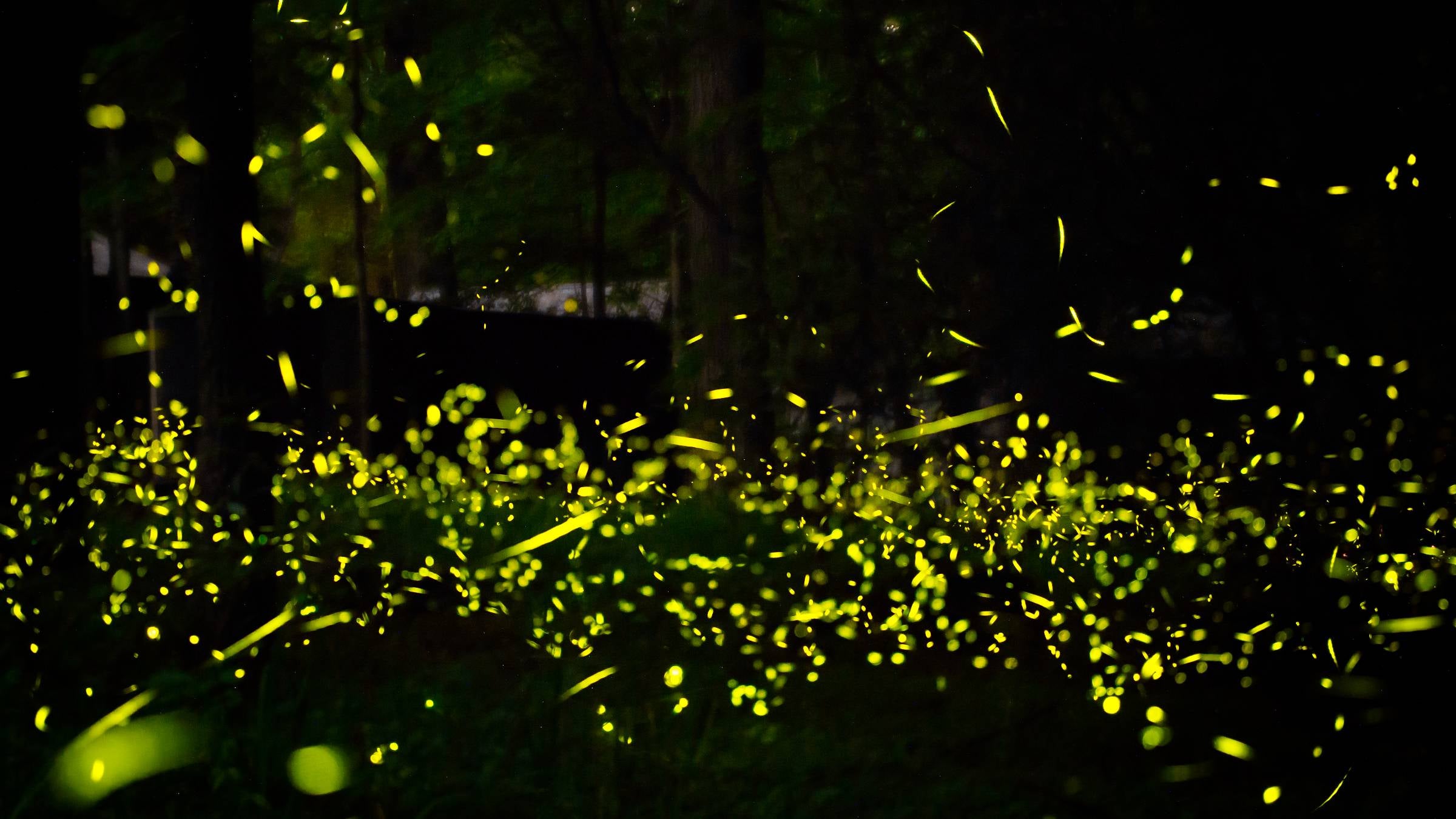
Fireflies, often referred to as "lightning bugs," are neither flies nor bugs; they are nocturnal members of the Lampyridae family of beetles. The "magic" of their glow is a result of a highly efficient chemical reaction known as bioluminescence. Within the firefly’s abdomen, a compound called luciferin combines with oxygen in the presence of an enzyme called luciferase. This reaction produces "cold light," meaning nearly 100% of the energy is emitted as light rather than heat—a feat of efficiency that human-engineered light bulbs have yet to replicate.
Ecologists note that these displays are far more than aesthetic wonders; they are critical communication rituals. Each of the approximately 170 species of fireflies in the United States has a unique flashing pattern used to signal potential mates. In the high-stakes environment of a summer forest, these signals allow males and females of the same species to identify one another amidst the chaos of the night.
Chronology of the 2026 Season
The 2026 firefly season began in late April in the deep South, following a particularly mild and wet spring that provided the necessary soil moisture for larvae to thrive. By mid-May, the famous synchronous displays in the Great Smoky Mountains reached their peak, followed closely by the emergence of synchronous populations in South Carolina’s Congaree National Park.
As of late June, the "glow line" has moved northward and into higher elevations. Parks in the Mid-Atlantic and Midwest are currently experiencing their primary activity windows. Experts from the National Park Service suggest that while the peak for southern lowlands has passed, the "firefly front" will remain active in the Appalachian highlands and the Great Lakes region through the end of July and into early August.
Regional Highlights and Prime Viewing Locations
Shenandoah National Park: The Blue Ridge Spectacle
In the north-central Virginia wilderness of Shenandoah National Park, firefly activity is currently centered around the park’s unique "edge" habitats—areas where dense forests meet open meadows. Big Meadows, located at Mile 51 on the iconic Skyline Drive, serves as the park’s premier viewing amphitheater. At an elevation of approximately 3,500 feet, the cooler temperatures here slightly delay the season, making late June through July the optimal time for observation.
Park rangers at Shenandoah emphasize that the park’s status as a protected corridor allows for a high density of the common eastern firefly (Photinus pyralis). Visitors arriving at Big Meadows approximately 30 minutes after sunset can witness a cascading effect: the displays begin at the forest floor and gradually move higher into the canopy as the night deepens.
Congaree National Park: The Synchronous Rarity
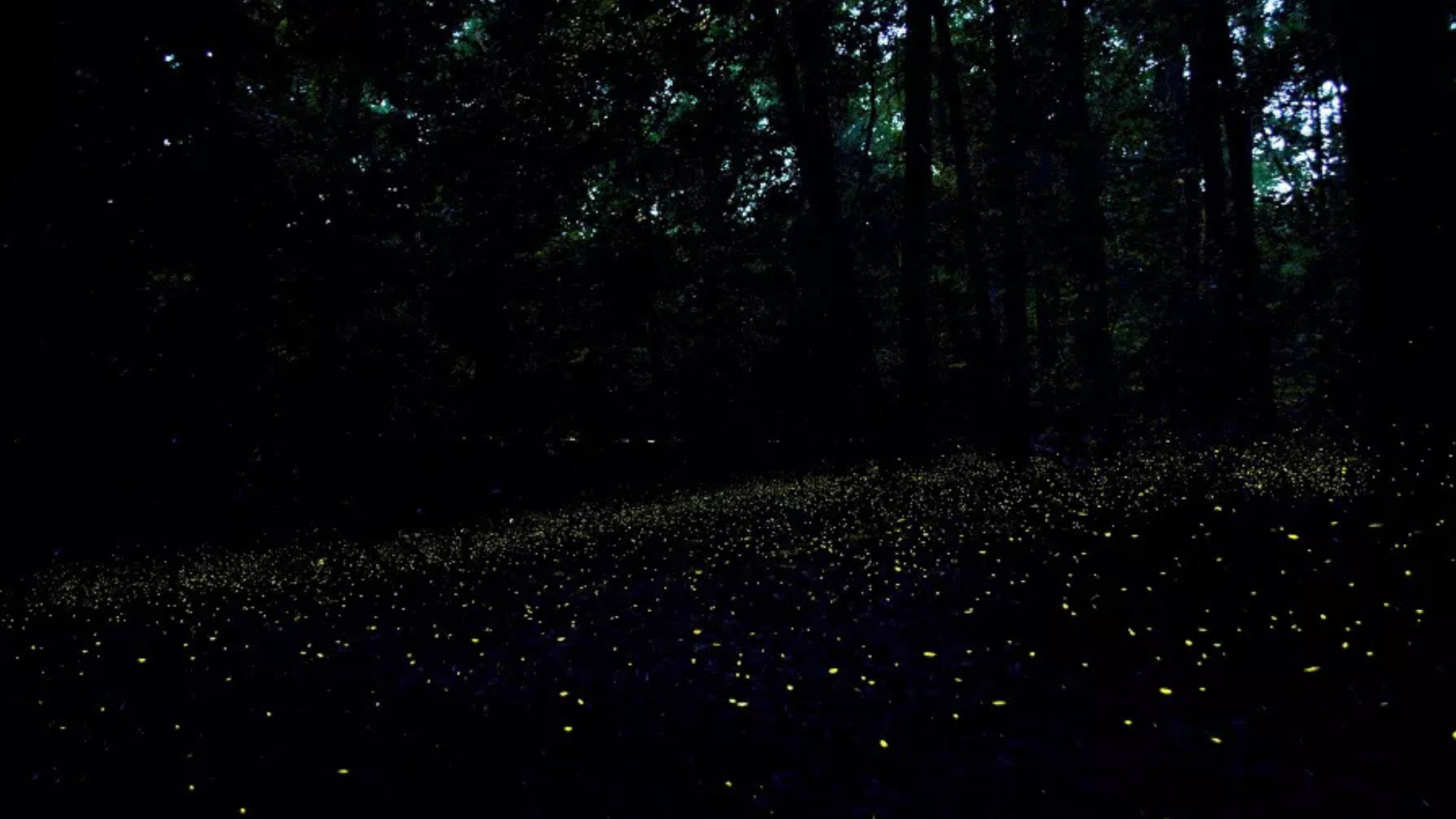
South Carolina’s Congaree National Park remains one of the few places on Earth to host synchronous fireflies (Photuris frontalis). Unlike most species that flash independently, these fireflies synchronize their pulses, resulting in waves of light that ripple through the old-growth forest.
Due to the extreme popularity of this event, the NPS has implemented a strict lottery system to manage crowds and prevent habitat degradation. For the 2026 season, the park reported over 20,000 lottery entries for a limited number of vehicle passes. Management officials state that this controlled access is vital for the survival of the species, as foot traffic can inadvertently crush female fireflies and larvae living in the leaf litter.
Cuyahoga Valley National Park: A Midwestern Haven
Located between the urban centers of Cleveland and Akron, Cuyahoga Valley National Park offers a surprising sanctuary for over 24 species of fireflies. The park’s diverse topography—comprising wetlands, the Cuyahoga River, and deciduous forests—provides the varied microclimates required for different species to overlap.
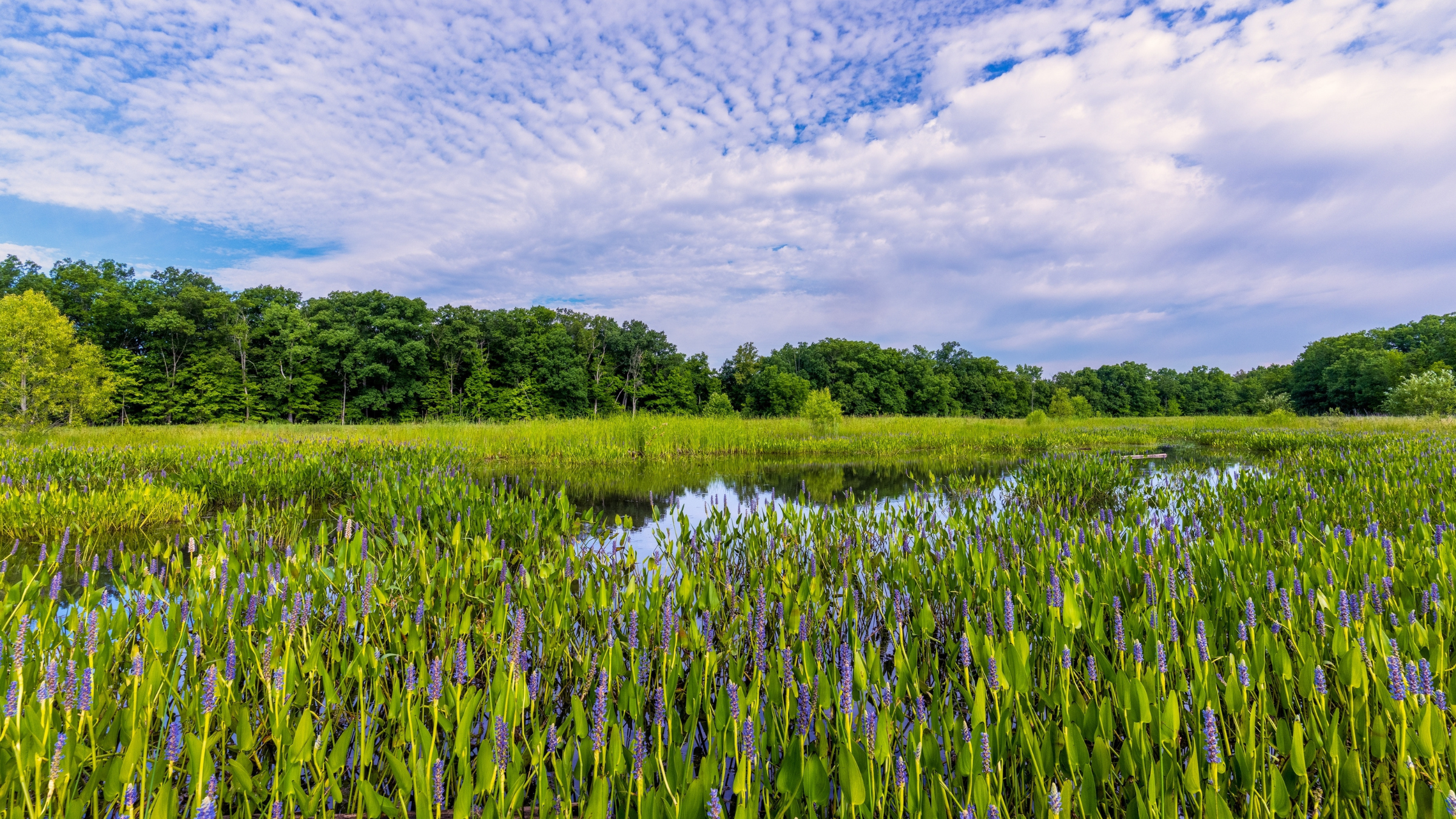
Key observation points include the Beaver Marsh and the Ohio and Erie Canal Towpath Trail. Data from local naturalists suggest that the Beaver Marsh area is particularly active in 2026 due to high water levels, which support the snails and slugs that firefly larvae prey upon.
Mammoth Cave National Park: Dark Sky Integration
In Kentucky, Mammoth Cave National Park provides a dual-layer experience. While the park is famous for its subterranean labyrinth, its surface forests are currently teeming with bioluminescence. In 2021, the park was designated an International Dark Sky Park, a title that has had a direct impact on the quality of firefly viewing.
"The absence of artificial light at Mammoth Cave allows the fireflies’ signals to carry much further," says a park spokesperson. "When you remove the ‘noise’ of city lights, the biological ‘signal’ of the firefly becomes the dominant feature of the landscape." Peak activity at Mammoth Cave is expected to persist through mid-July.
Indiana Dunes National Park: The Lakefront Display
Along the southern shores of Lake Michigan, Indiana Dunes National Park offers a unique coastal firefly experience. The Great Marsh Trail and Cowles Bog provide the high-humidity environments these insects crave. An additional draw for 2026 has been the increased solar activity; on rare occasions, visitors at the Dunes have reported seeing the flickering of fireflies against the backdrop of the Aurora Borealis, a rare intersection of biological and atmospheric light.
Management Strategies and Official Responses
The National Park Service has adopted a "protection-first" approach to firefly tourism. In a recent statement, the NPS highlighted the three primary threats to firefly populations: habitat loss, pesticide use, and light pollution.
"Our goal is to provide a world-class viewing experience without becoming a threat to the resource we are showcasing," the statement read. To achieve this, parks have instituted several protocols:
- Red-Light Requirements: Visitors are asked to use red-filtered flashlights, as red light does not interfere with firefly signaling patterns.
- Stay on Marked Trails: This prevents the trampling of flightless females and larvae.
- Capacity Limits: Lottery systems and timed entry help prevent the "over-tourism" that has plagued sensitive sites in the past.
Environmental analysts point out that the economic impact of "firefly tourism" is substantial. Local communities near the Great Smoky Mountains and Shenandoah have seen a 15-20% increase in seasonal hospitality revenue specifically tied to nighttime park events. This "dark sky economy" is encouraging local governments to pass lighting ordinances that reduce skyglow, benefiting both the insects and the tourism industry.
Broader Ecological Implications
The health of firefly populations is often viewed by biologists as a "canary in the coal mine" for local ecosystems. Because fireflies require clean water, undisturbed soil, and true darkness, their presence indicates a high-functioning environment.
A decline in firefly numbers in non-protected areas across the Eastern United States has raised concerns among conservationists. Dr. Sarah Lewis, a leading firefly researcher, has noted that the fragmentation of forests prevents firefly populations from migrating to find new mates. National parks, therefore, act as critical "genetic reservoirs" that ensure the long-term survival of these species.
Guidelines for Professional and Ethical Viewing
For those planning to visit a national park before the season concludes, the following data-backed guidelines are recommended by the NPS:
- Timing: Most species are active between 9:00 PM and 11:00 PM. Arriving early allows human eyes to adjust to the darkness, a process that takes about 20 minutes.
- Atmospheric Conditions: Fireflies are most active on warm, humid nights with little to no wind. Activity drops significantly if temperatures fall below 60 degrees Fahrenheit.
- Equipment: Flash photography is strictly prohibited in many viewing areas as it can temporarily blind the insects and other observers. High-ISO digital cameras are recommended for those wishing to capture images without artificial light.
As the 2026 season begins its inevitable decline in the coming weeks, the focus of the National Park Service shifts toward data collection and habitat restoration. The enduring popularity of firefly season serves as a powerful reminder of the value of preserved darkness in an increasingly illuminated world. For now, the lights remain on in the forests of America’s national parks, providing a fleeting, silent, and spectacular masterclass in the wonders of the natural world.




 Chandra Hamzah
 Tatiana Tantri Indah Sari
 Budi Mulyono

