
 Susilo Edi Turonggo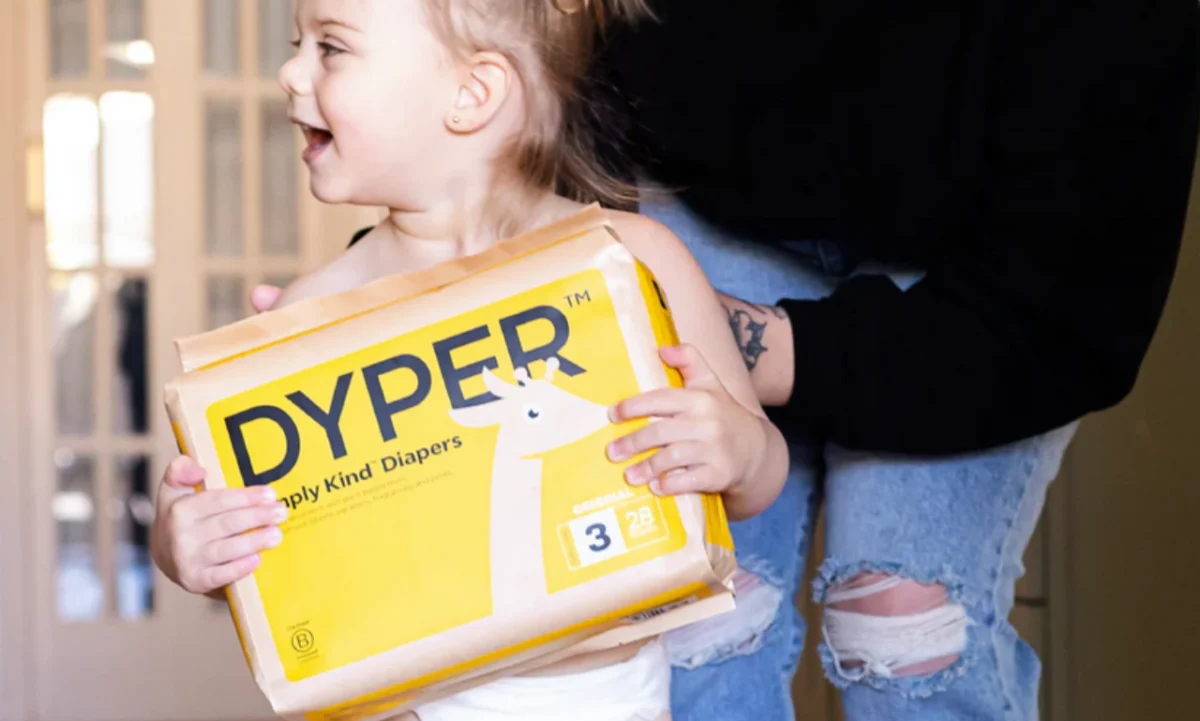
The staggering volume of waste generated by infants, particularly from disposable diapers, presents a critical environmental challenge, prompting innovative solutions from companies like Dyper. Each year, billions of disposable diapers contribute significantly to landfills globally, with the average baby utilizing approximately 6,000 diapers within their first two years of life alone. This colossal volume not only strains waste management systems but also raises serious questions about the materials used in traditional single-use diapers and their potential implications for infant health and the broader ecosystem.
The Environmental Burden of Conventional Diapers
The modern disposable diaper, a convenience staple for parents worldwide since its widespread adoption in the mid-20th century, has a profound and often overlooked environmental footprint. Composed primarily of plastics, super-absorbent polymers (SAPs), and wood pulp, these diapers can take an estimated 250 to 500 years to decompose in landfills, outliving the children who wore them by many generations. Globally, it is estimated that over 200 billion disposable diapers are discarded annually, making them one of the leading contributors to municipal solid waste. In the United States alone, disposable diapers account for millions of tons of landfill waste each year. Beyond the sheer volume, the decomposition process in anaerobic landfill environments can contribute to the production of methane, a potent greenhouse gas, exacerbating climate change concerns. While reusable cloth diapers offer a sustainable alternative, their adoption remains limited for many busy parents due to time constraints, laundry demands, and initial investment costs, leaving a significant gap in the market for convenient yet eco-conscious disposable options.
Unpacking the Health Concerns Associated with Traditional Diapers
Beyond their environmental impact, traditional single-use disposable diapers have become a subject of increasing scrutiny due to their chemical composition and potential health risks to infants. The materials used in their construction, from the plastic backsheets and elastic components to the absorbent core and even added fragrances, often contain a cocktail of synthetic chemicals. Studies have linked certain components found in conventional diapers to various adverse health outcomes. For instance, phthalates, commonly used to make plastics more flexible, are endocrine-disrupting chemicals that have been associated with reproductive disorders and developmental issues. Volatile Organic Compounds (VOCs), including toluene, ethylbenzene, and xylene, which can be emitted from diaper materials, are known irritants and potential carcinogens. Dioxins, by-products of chlorine bleaching often used in the pulp production for diapers, are highly toxic environmental pollutants and probable human carcinogens. Furthermore, synthetic fragrances, added to mask odors, frequently contain allergens and irritants that can lead to acute skin rashes, eczema, and other dermatological issues in infants with sensitive skin.
Alarmingly, regulatory oversight for baby diapers in many regions, including the United States, is notably lax. The Consumer Product Safety Commission (CPSC), for example, primarily mandates testing for lead content in diapers, leaving a vast array of other potentially harmful chemicals, including carcinogens and endocrine disruptors, largely unregulated and untested. This regulatory vacuum places the burden of due diligence on parents, who often lack access to comprehensive information regarding the chemical composition of products their infants wear for extended periods each day. The cumulative exposure to these chemicals during a critical developmental stage underscores the urgency for safer, more transparent diapering solutions.
The Genesis of a Green Solution: Tony Patron and Dyper
The profound environmental and health challenges posed by conventional diapers spurred Tony Patron, a new father and engineer, to seek a transformative solution. Like many parents, Patron observed the weekly ritual of overflowing trash bins, predominantly filled with plastic-laden disposable diapers. This personal observation, coupled with his engineering acumen, ignited a mission to reimagine the disposable diaper. Initially exploring partnerships within the nascent sustainable diaper industry, Patron’s vision ultimately led to the formation of Dyper, a company dedicated to producing high-performance, non-toxic, and genuinely biodegradable diapers.

Dyper’s founding ethos was rooted in the principle of "plants over plastic for happy babies." Recognizing the inherent conflict between convenience and sustainability in the existing market, Patron and his team embarked on a journey to develop a product that would not compromise on either. Their goal was clear: create a diaper that performs comparably to leading conventional brands in terms of absorbency, fit, and comfort, while simultaneously eliminating harmful chemicals and significantly reducing environmental impact through the use of plant-based, compostable materials. This ambitious undertaking required extensive research, material innovation, and a commitment to rigorous third-party testing and certification.
Material Innovation and Uncompromising Certifications
Dyper distinguishes itself through an unwavering commitment to material transparency and sustainable sourcing. The company’s product development team meticulously selects components to maximize biodegradability and minimize ecological footprint. At the core of Dyper’s innovation are its plant-based materials, predominantly utilizing US-grown, FSC-certified bamboo and eucalyptus fibers. These rapidly renewable resources offer a sustainable alternative to the wood pulp and petroleum-derived plastics common in traditional diapers. The viscose bamboo used in Dyper products is sourced from Oeko-Tex certified suppliers, ensuring that the material is free from harmful substances and produced in an environmentally and socially responsible manner.
Transparency is a cornerstone of Dyper’s brand identity. Each layer of their diapers is clearly labeled with its specific components, empowering conscious parents with full visibility into what touches their baby’s skin. This commitment to disclosure stands in stark contrast to the often opaque ingredient lists of conventional diaper brands. Dyper’s dedication to sustainability is further underscored by its robust portfolio of certifications. Their diapers are Certified USDA BioPreferred 55% Product, indicating that over half of their content is derived from biological resources. Their wipes achieve an even higher standard, being a Certified USDA BioPreferred 95% Product.
Beyond bio-content, Dyper ensures product safety and performance through stringent third-party evaluations. Their diaper products meet rigorous Oeko-Tex standards, which certify textiles and textile products for harmful substances. Crucially, Dyper recently obtained the DermaTest 5-Star Certification, an independent dermatological seal of approval that guarantees the diapers are free from skin irritants and allergens, providing peace of mind for parents concerned about sensitive infant skin. This comprehensive approach to material selection, transparency, and certification establishes Dyper as a leader in safe and sustainable baby care products. By eschewing phthalates, latex, parabens, chlorine, alcohol, and synthetic fragrances, Dyper offers a truly non-toxic option that is gentle on both baby’s delicate skin and the planet.
The Circular Economy in Action: The REDYPER Program
While plant-based and biodegradable materials significantly reduce the environmental impact of diapers, Dyper recognized that true sustainability required addressing the end-of-life problem. Simply making a biodegradable diaper does not guarantee it will biodegrade in a typical landfill, where conditions are often too anaerobic for effective decomposition. This insight led to the creation of the groundbreaking REDYPER program, an optional, fee-based service designed to close the loop on diaper waste.
The REDYPER program offers a unique solution for the responsible disposal of used Dyper products. Depending on regional availability, parents can subscribe to a weekly or bi-weekly pickup service for their used diapers and wipes. These collected materials are then transported to partner industrial composting facilities. At these specialized facilities, the conditions (temperature, moisture, aeration) are optimized to break down organic matter efficiently. Dyper’s plant-based materials can be composted within 14 to 16 weeks, significantly faster than the centuries it takes for conventional diapers in landfills. While some non-biodegradable components, such as the small Velcro tabs, are removed from the compost stream and disposed of conventionally, the vast majority of the diaper material is transformed into nutrient-rich compost, which can then be used for landscaping, agriculture, or other beneficial purposes.
Since its inception, the REDYPER program has demonstrated tangible environmental benefits, diverting over 14 million pounds of waste from landfills. This initiative represents a pioneering effort within the baby care industry to embrace the principles of a circular economy, where waste is minimized, and resources are continually reused. The logistical complexity of collecting and composting soiled diapers on a large scale is substantial, requiring a robust network of collection points, transportation logistics, and partnerships with certified composting facilities. Despite these challenges, Dyper’s commitment to scaling the REDYPER program underscores its dedication to providing a holistic solution for eco-conscious parents.
Broader Market Impact and the Shifting Consumer Landscape
Dyper’s emergence and success reflect a broader shift in consumer values and market demand within the baby care industry. Modern parents are increasingly prioritizing health, transparency, and sustainability when making purchasing decisions for their children. This growing awareness is fueled by increased access to information about product ingredients, environmental impacts, and the long-term health implications of chemical exposure. The market for eco-friendly and organic baby products has seen consistent growth, indicating a strong consumer appetite for alternatives to conventional offerings.
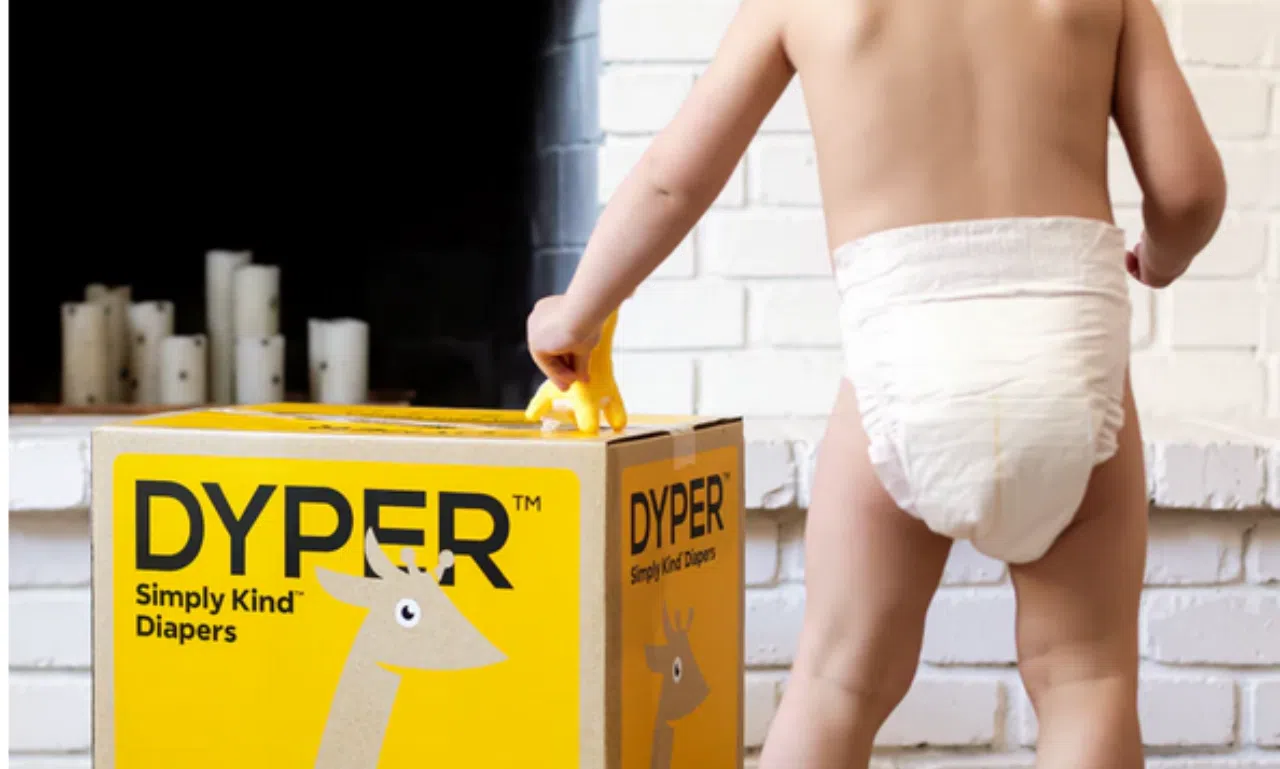
Dyper’s business model, which includes flexible subscription options and one-time purchases, caters to the diverse needs of contemporary families. The convenience of having diapers delivered directly to one’s door, combined with the option for responsible disposal through REDYPER, addresses key pain points for busy parents. By offering a high-performing product that also aligns with environmental and health values, Dyper is not just selling diapers; it is offering a comprehensive solution that resonates deeply with a demographic eager for responsible consumption choices. The company’s "plants over plastic" philosophy extends to its packaging, utilizing sustainable materials wherever possible to further reduce its environmental footprint.
The presence of companies like Dyper also exerts pressure on larger, established diaper manufacturers to re-evaluate their own product lines and sustainability commitments. As consumer demand for greener products grows, the industry as a whole is compelled to innovate and offer more environmentally sound options, contributing to a more sustainable future for baby care.
Challenges and the Path Forward
Despite its innovative approach, Dyper, like any pioneering company in the sustainable product space, faces challenges. The scalability of the REDYPER program is contingent on the availability of industrial composting facilities and efficient collection logistics across different regions. Expanding this network while maintaining affordability and convenience for consumers is an ongoing endeavor. Educating consumers about the importance of proper disposal and the distinctions between "biodegradable" and "compostable" products is also crucial.
However, the trajectory for companies like Dyper appears promising. As scientific advancements continue to yield new plant-based materials and sustainable manufacturing processes, the potential for even more environmentally friendly and high-performing products will grow. Increased public awareness, coupled with evolving regulatory frameworks that prioritize chemical safety and waste reduction, will further support the growth of the sustainable baby care market. Dyper’s commitment to continuous improvement, material innovation, and expanding its circular economy initiatives positions it as a significant player in redefining the future of diapering.
In conclusion, Dyper is not merely a diaper company; it represents a commitment to sustainability, transparency, and superior baby care. By confronting the pervasive issues of diaper waste and chemical exposure head-on, Dyper offers a tangible, high-performance solution that empowers parents to make choices that are better for their babies and the planet. This blend of functionality, ethical sourcing, and a revolutionary waste management program solidifies Dyper’s role as a trailblazer in the movement towards a more sustainable and responsible future for infant care.



 Anjar Salim
 Chandra Hamzah
 Tatiana Tantri Indah Sari
 Budi Mulyono

