
 Budi Mulyono
VietJet, the Vietnamese low-cost carrier known for its aggressive expansion and disruptive market strategies, is reportedly in the preliminary stages of establishing a domestic subsidiary in Australia. This development, first reported by the Australian Financial Review, suggests that the airline has approached the Civil Aviation Safety Authority (CASA) to initiate the complex process of obtaining an Australian Air Operator’s Certificate (AOC). If successful, the move would introduce a significant third player into a domestic aviation market that has historically been dominated by a duopoly, providing much-needed competition to the Qantas Group—which includes Jetstar—and Virgin Australia.
The proposal reportedly involves a locally incorporated entity operating a fleet of at least 10 Boeing 737 aircraft. While neither CASA nor VietJet has formally confirmed the specific details of the application, industry insiders suggest that the airline is eyeing a launch window that aligns with the opening of the Western Sydney International (Nancy-Bird Walton) Airport in late 2026. The entry of a well-capitalized international player like VietJet represents a potential turning point for Australian travelers, who have faced rising airfares and reduced service options following the recent exits of several smaller domestic competitors.
The Current State of Australian Domestic Aviation
Australia’s domestic aviation sector is currently characterized by an extraordinary level of market concentration. Following the collapse of the independent low-cost carrier Bonza in April 2024 and the subsequent withdrawal of Regional Express (Rex) from major capital city trunk routes in July 2024, the Qantas Group and Virgin Australia now control approximately 99% of the domestic passenger market. This concentration has drawn the scrutiny of the Australian Competition and Consumer Commission (ACCC), which has repeatedly argued that a lack of effective competition leads to higher prices and lower service quality for consumers.
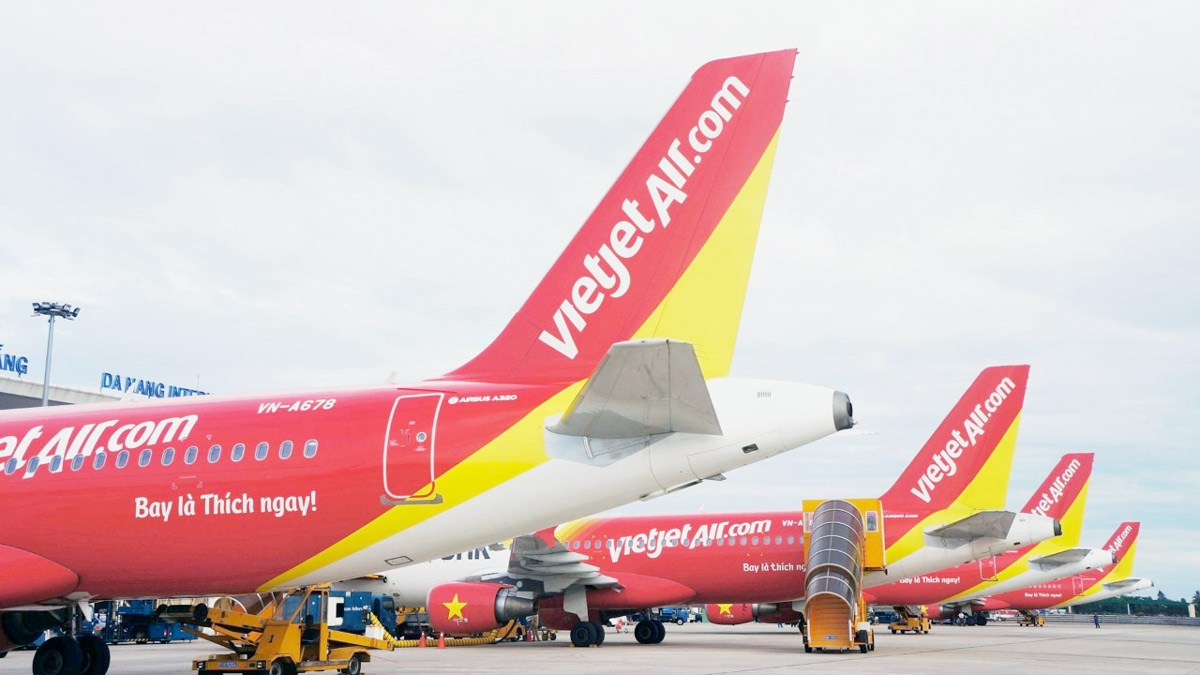
Historically, the Australian market has proven notoriously difficult for new entrants to penetrate. Since the deregulation of the industry in 1990, a succession of airlines—including Compass, Compass II, Impulse Airlines, OzJet, and Tigerair Australia—have attempted to challenge the status quo. Most were either absorbed by the incumbents or forced into liquidation. Tigerair Australia, which was the last overseas-backed airline to maintain a significant domestic presence, was eventually acquired by Virgin Australia before being shuttered during the COVID-19 pandemic in 2020. The recent failures of Bonza and Rex’s jet operations underscore the high barriers to entry, including high fuel costs, labor shortages, and the difficulty of securing take-off and landing slots at major airports like Sydney Kingsford Smith.
VietJet’s Global Standing and Strategic Advantage
Unlike previous startups such as Bonza, VietJet is a mature, publicly listed entity with substantial financial resources and operational experience. Founded in 2007 by Nguyen Thi Phuong Thao, Vietnam’s first self-made female billionaire, the airline has grown rapidly to become one of Southeast Asia’s largest low-cost carriers. It currently operates a network of more than 250 routes and is listed on the Ho Chi Minh City Stock Exchange.
VietJet is no stranger to international expansion through subsidiaries. The group already operates Thai VietJet Air, which has successfully captured a significant share of the Thai domestic and regional market. Furthermore, the airline has recently expanded into Kazakhstan and maintains a massive aircraft order book. With more than 100 aircraft on order from both Boeing and Airbus, VietJet possesses the "delivery pipeline" necessary to scale a new operation quickly—a luxury that smaller startups often lack.
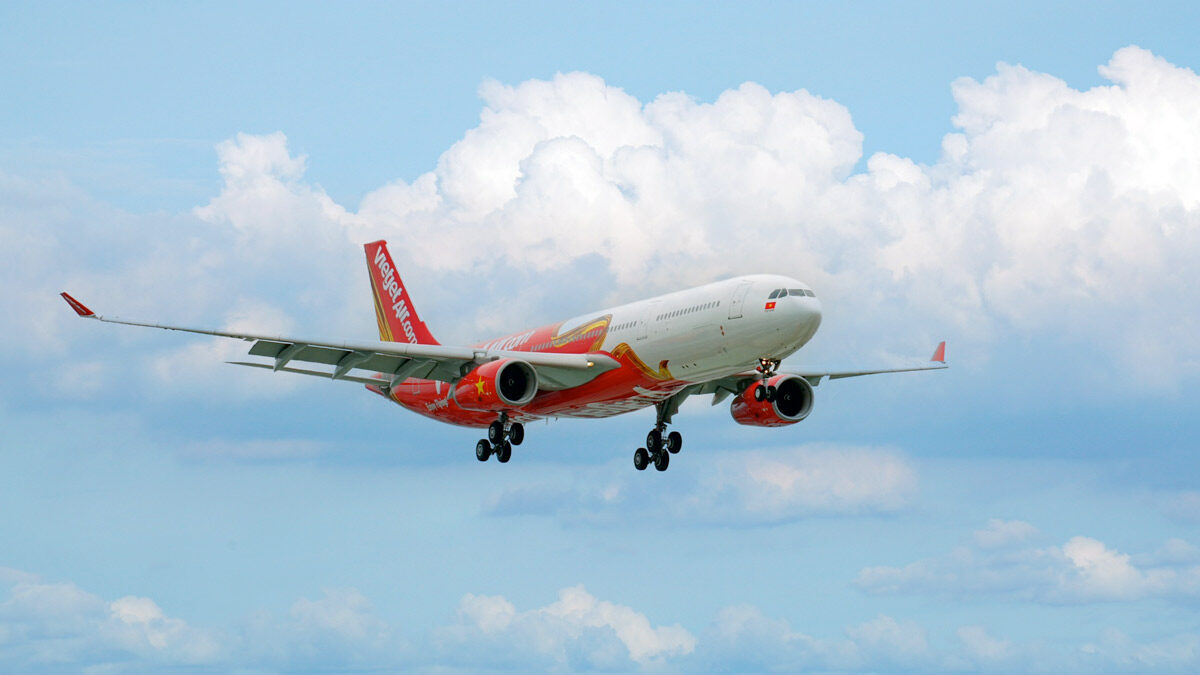
The airline already maintains a robust presence in the Australian market through its international long-haul services. VietJet currently operates daily flights from Ho Chi Minh City to Sydney and Melbourne, alongside frequent services to Brisbane and Perth. This existing infrastructure provides the airline with brand recognition among Australian travelers and an established ground-handling and administrative footprint in the country’s major gateways.
The Western Sydney International Factor
A critical component of VietJet’s rumored strategy is the upcoming opening of Western Sydney International Airport (WSI) in October 2026. Located in Badgerys Creek, the new airport will operate without a flight curfew, offering 24-hour operations that are not possible at Sydney’s Kingsford Smith Airport. For a low-cost carrier, the ability to operate flights late at night or in the early hours of the morning is essential for maximizing aircraft utilization and offering lower fares.
WSI is expected to provide a wealth of new slots, bypassing the "slot hoarding" issues that have long plagued Kingsford Smith. By basing its domestic operations out of Western Sydney, VietJet could target the rapidly growing population of Greater Western Sydney while avoiding the high costs and congestion of the city’s primary airport. This strategy mirrors the successful models used by European and American LCCs that utilize secondary airports to maintain a lower cost base than legacy incumbents.
Industry speculation has also been fueled by the recent allocation of a block of slots at the existing Sydney Airport to an entity identified only by the placeholder code “YYY.” While aviation analysts have debated whether this code refers to VietJet or another international entrant, it indicates that the regulatory environment is being prepared for a new domestic participant.
Regulatory Requirements and the AOC Process
Establishing a domestic airline in Australia is a rigorous regulatory undertaking. To fly domestically, an airline must be majority-owned and controlled by Australian interests, or it must operate under specific bilateral agreements. However, the more common path for foreign entities is to incorporate a local subsidiary that complies with Australian civil aviation laws.
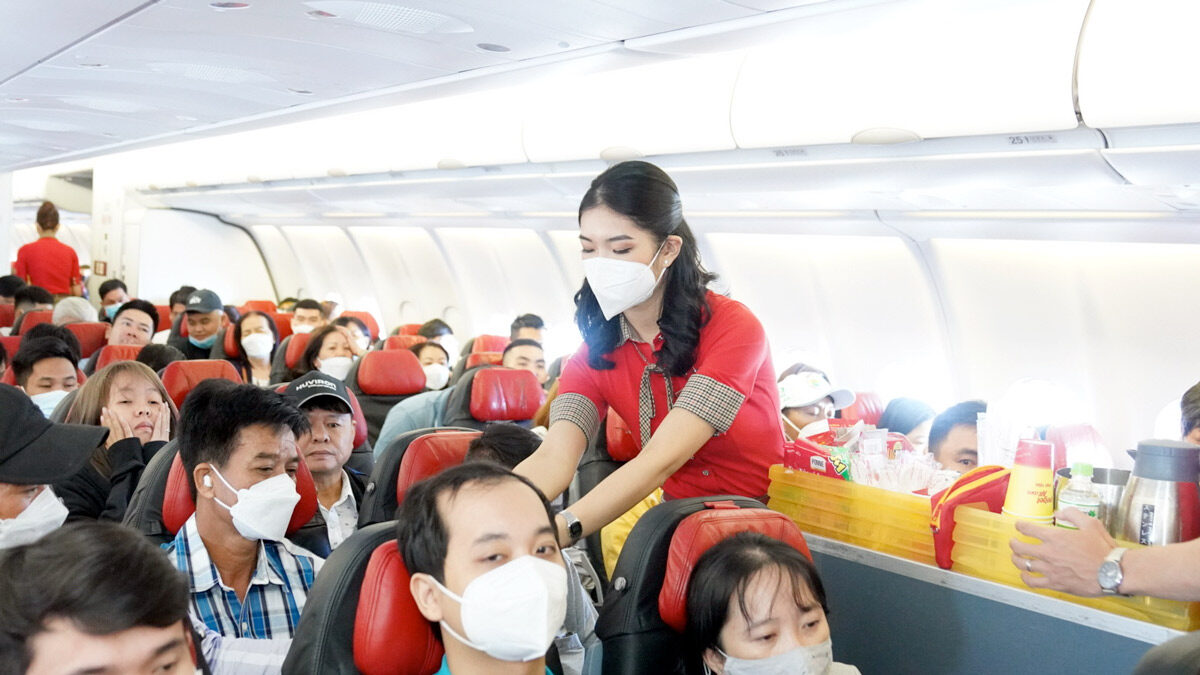
The acquisition of an Air Operator’s Certificate (AOC) from CASA involves a multi-stage assessment of the airline’s safety management systems, pilot training programs, maintenance schedules, and financial viability. This process typically takes between 12 to 24 months. For VietJet, the transition to Boeing 737s for its Australian domestic arm—departing from its primary Airbus A320/A321 fleet in Vietnam—would require the establishment of new maintenance and training protocols specific to the Boeing airframe. The choice of the 737 is notable, as it aligns with the fleet type used by Virgin Australia and Rex, potentially simplifying the recruitment of qualified local flight crews.
Implications for the Australian Economy and Consumers
The potential entry of VietJet comes at a time when the ACCC is actively monitoring domestic airfares. In its recent reports, the commission noted that when three or more competing airline groups operate on a route, airfares are significantly lower than on routes served by only two players. The "VietJet effect" could lead to a price war on the "Golden Triangle" (Sydney-Melbourne-Brisbane), which is one of the busiest and most profitable flight corridors in the world.
Beyond lower fares, a new domestic airline would provide a boost to the tourism and hospitality sectors. Increased seat capacity encourages regional travel and provides more options for international tourists to connect between Australian cities. Furthermore, the establishment of a new airline headquarters and maintenance base would create hundreds of local jobs for pilots, cabin crew, engineers, and ground staff.
Challenges and Competitive Response
Despite its strengths, VietJet faces significant hurdles. The Australian market is known for its high operating costs, including some of the world’s highest airport aeronautical charges and labor costs. Additionally, Qantas and Virgin Australia are formidable incumbents with deeply entrenched loyalty programs and corporate contracts. Qantas, in particular, has a history of defending its market share aggressively by increasing capacity and lowering prices on routes targeted by new entrants—a tactic often referred to as "capacity dumping."

Furthermore, VietJet will need to navigate the cultural and marketing nuances of the Australian market. While its early "bikini-clad" marketing campaigns garnered global headlines and drove rapid growth in Asia, the airline has transitioned to a more conventional professional image in recent years to appeal to a broader demographic, including corporate and family travelers.
Conclusion and Future Outlook
The prospect of VietJet Australia represents the most significant potential shake-up of the domestic aviation landscape in over a decade. While the path to launch is fraught with regulatory and competitive challenges, VietJet’s combination of scale, capital, and strategic timing—specifically regarding the opening of Western Sydney International—suggests a more sustainable model than that of recent failed ventures.
As the 2026 opening of WSI approaches, the aviation industry will be watching closely for formal filings with CASA and the Department of Infrastructure, Transport, Regional Development, Communications and the Arts. If VietJet successfully navigates the Australian regulatory landscape, the current duopoly may soon find itself in a three-way battle for the Australian skies, ultimately benefiting the traveling public through increased choice and more competitive pricing.




 Chandra Hamzah
 Tatiana Tantri Indah Sari
 Anjar Salim

